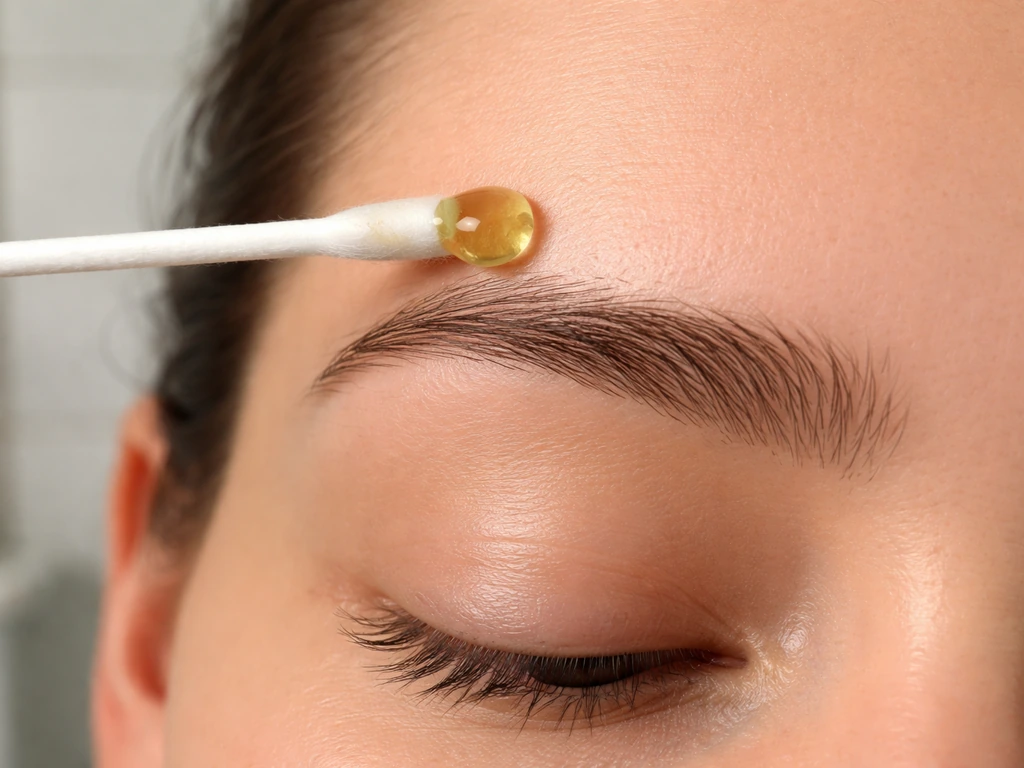
Argan oil can help your eyebrows look and feel better, and it may reduce the kind of breakage and dryness that makes brows appear thinner than they actually are. But it will not directly stimulate new hair growth or wake up dormant follicles the way a drug like minoxidil can. If your brows are sparse due to over-plucking, aging, or a medical condition, argan oil alone is unlikely to fill them back in. Almond oil is often discussed similarly, but evidence that it directly grows eyebrows is limited argan oil alone. What it can do is support the healthiest possible environment for the hairs you already have, which is still worth something.
Can Argan Oil Help Eyebrows Grow? What to Expect and How

James Whitmore
21 Jun 2026
How eyebrow growth actually works
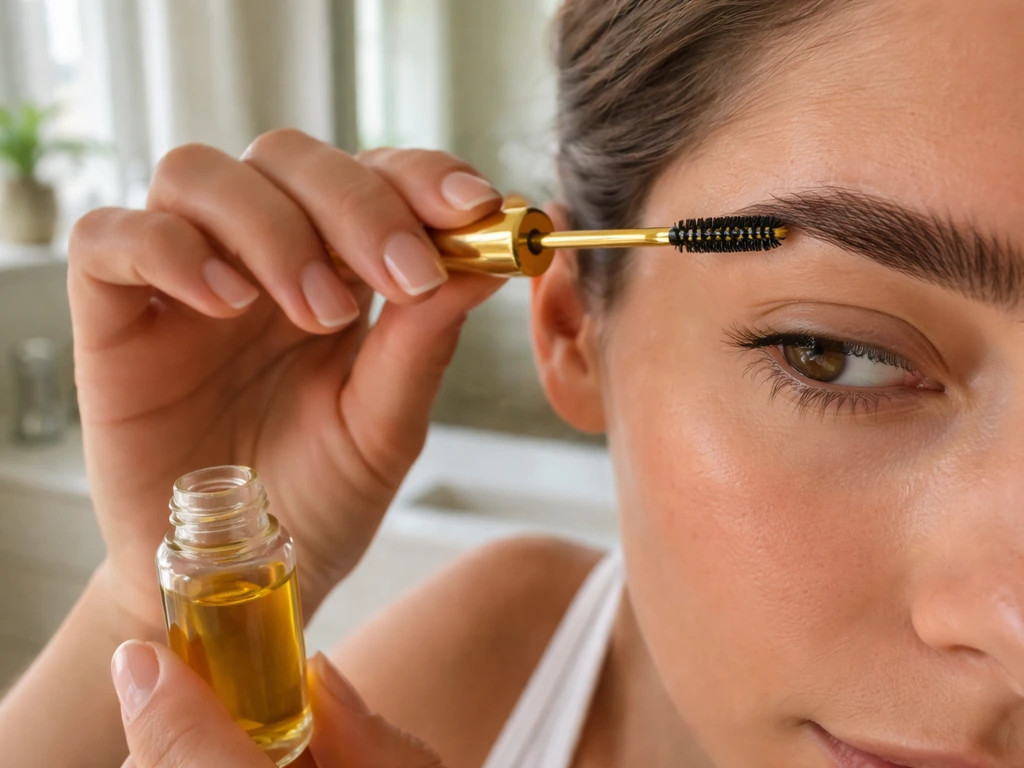
Every eyebrow hair follows a cycle: anagen (active growth), catagen (transition), and telogen (resting, then shedding). The key thing to understand is that eyebrow follicles have a much shorter anagen phase than scalp hair, which is why your brows don't grow to your shoulders. blank" rel="noopener noreferrer">A full eyebrow cycle takes roughly 4 months from start to finish, which is also why regrowth after waxing or over-tweezing feels painfully slow. You're waiting for each follicle to move through its own internal clock, not just for a hair to push through skin.
This is where oils, including argan oil, run into a wall. Olive oil is similar to other conditioning oils, so it may help improve the look of existing eyebrows but it does not directly stimulate new growth oils, including argan oil. Follicle cycling is driven by biology and internal signaling, not by what sits on the surface of your skin. You can moisturize the area all you want, and it won't tell a resting follicle to enter anagen. What oils can genuinely do is reduce the damage that happens to hairs that are already growing, which can make your brows appear fuller over time without actually producing new growth.
What argan oil can realistically do for your brows
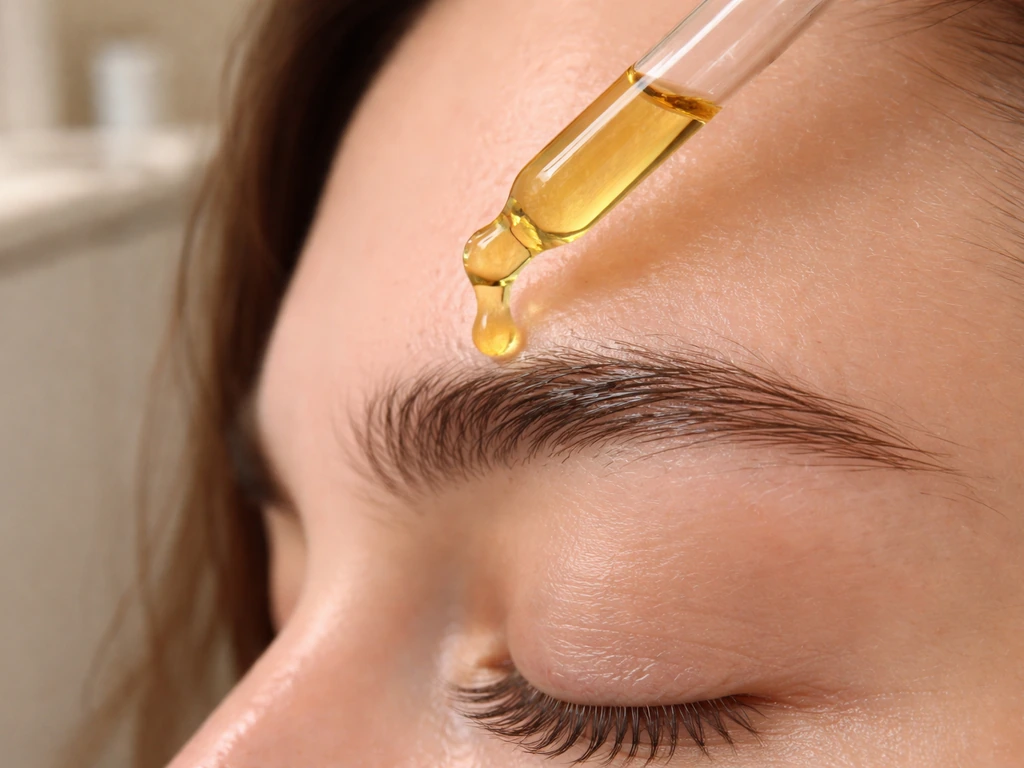
Argan oil is rich in unsaturated fatty acids, including oleic and linoleic acid, which are well-documented for their ability to condition and strengthen hair and the skin beneath it. That has a few practical benefits when it comes to eyebrows.
- Moisturizing the skin under and around your brows, which helps reduce the flaky, dry skin that can disrupt follicle openings
- Conditioning existing hairs so they're less brittle and less likely to snap off with rubbing or styling
- Improving the visual appearance of your brows by smoothing and adding a subtle shine to the hairs you have
- Reducing friction from brushing or touching, which lowers the chance of mechanical breakage
If your brows look sparse partly because hairs are breaking mid-shaft or the skin is irritated and dry, argan oil could make a noticeable cosmetic difference. That's a real, useful outcome. Just don't confuse it with growing more hairs. There are no human clinical trials showing argan oil increases eyebrow density, thickness, or growth rate. The conditioning effects are legitimate; the growth claims are not backed by evidence.
How to apply argan oil to your eyebrows safely
Before you start, do a patch test. Argan oil can cause allergic contact dermatitis and, in some cases, acneiform reactions on facial skin. It's not universally gentle just because it's natural. Apply a small amount to the inside of your wrist or behind your ear, wait 24 to 48 hours, and check for redness, swelling, or itching before going anywhere near your brows. If you're acne-prone, be aware that argan oil can potentially clog pores for some skin types, which is worth keeping in mind on your face.
- Choose a pure, cosmetic-grade argan oil with no added fragrances or preservatives. Simpler is safer for the face.
- Wash your hands and make sure your brow area is clean and dry before applying.
- Use a clean spoolie brush or a cotton swab to apply a tiny amount (just a drop or two for both brows) directly to the brow hairs and skin beneath.
- Brush through in the direction of hair growth so the oil reaches the roots and distributes evenly.
- Leave it on. You don't need to rinse it off. Applying it at night before bed works well since it won't interfere with makeup or get rubbed off.
- Keep it away from your eyes. Brows are close to eyelids, and oil can migrate. If it reaches your eye surface, it can cause irritation. Apply carefully and avoid touching the very edge of the brow nearest your eye.
- Apply once daily, or every other day if your skin feels greasy or you notice any congestion.
Stop immediately if you notice a rash, persistent itching, or any swelling. Don't push through skin reactions hoping they'll settle. They usually don't, and contact dermatitis around the eye area is genuinely unpleasant to deal with.
How long to try it and what to track
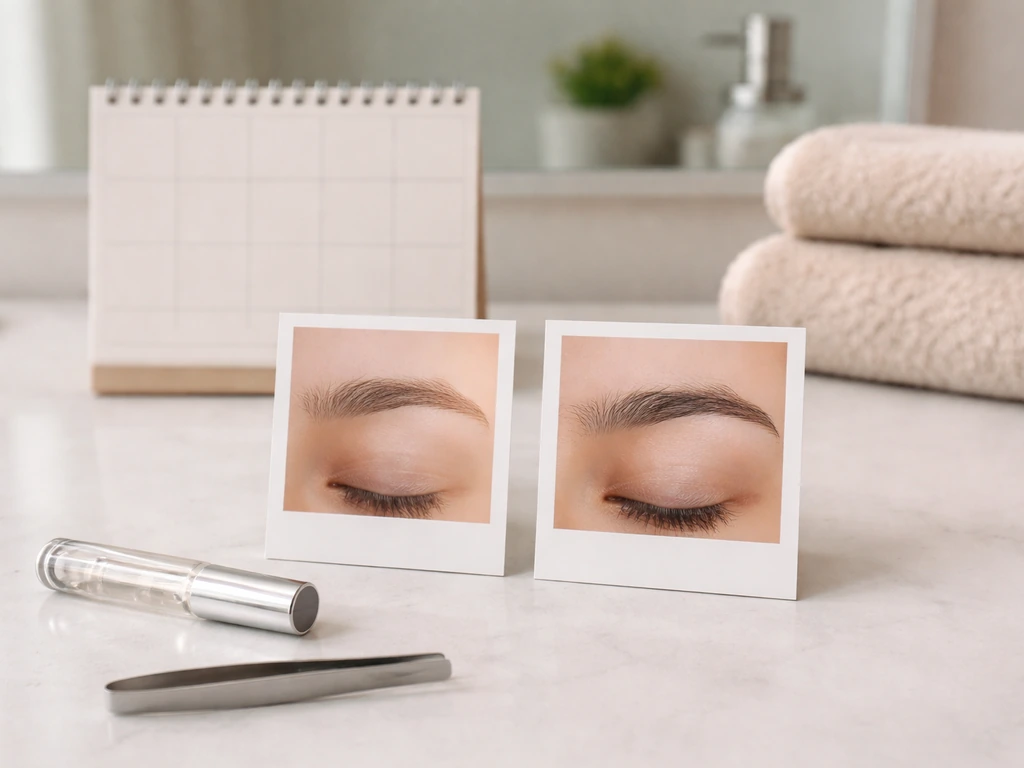
Give it 6 to 8 weeks of consistent nightly use before you assess anything meaningful. Since the eyebrow cycle runs about 4 months end to end, you're not going to see dramatic growth in 2 weeks. What you should notice within the first few weeks is whether the existing hairs look smoother, healthier, or less prone to breakage. Take a close-up photo of your brows in good lighting on day one, then again at week 4 and week 8. This matters more than you'd think, because gradual change is easy to miss without a reference point.
If your brows were recently over-waxed or heavily plucked, expect regrowth to show up slowly over 2 to 4 months regardless of what you apply. The follicles just need time to cycle. Argan oil isn't going to speed that timeline up, but keeping the area conditioned during the wait doesn't hurt.
What to pair with argan oil, and when to upgrade
If you want to stack your options, castor oil is the most popular pairing for eyebrows and has a long track record of use for this purpose. Like argan oil, the evidence for castor oil growing brows is anecdotal rather than clinical, but it's thicker and more occlusive, which some people find works better for conditioning coarser brow hairs. The downside is that castor oil can cause irritation or clogged pores for some, so it's not a universal upgrade. Rosemary oil has some research on scalp hair growth, but the evidence for eyebrows specifically is thin, and it needs to be diluted in a carrier oil to avoid skin irritation. Other oils like coconut oil, sweet almond oil, and vitamin E oil are similarly popular for similar reasons: conditioning and barrier support, not new follicle stimulation.
If you've used argan oil (or other conditioning oils) consistently for 8 to 12 weeks and your brows still look the same, or if your concern is genuinely sparse brows rather than just dryness or breakage, it's worth considering options that actually have clinical evidence behind them. Minoxidil 2% applied topically to the eyebrows has been tested in a randomized, double-blind, placebo-controlled split-face trial and shown to be effective for eyebrow hypotrichosis. Bimatoprost has also been tested in randomized controlled trials for eyebrow density and diameter, and holds FDA approval for a related indication. These are real drugs with real evidence, and for genuinely sparse brows, they're in a completely different category than any oil. If you're wondering whether avocado oil helps eyebrows grow, the evidence is mostly limited to general conditioning benefits rather than proven new growth. That said, minoxidil has contraindications and isn't right for everyone, particularly if you're under 18 or if the hair loss is sudden or patchy rather than gradual.
A quick comparison: argan oil vs. other common options
| Option | Evidence for growth | Best for | Main risk |
|---|---|---|---|
| Argan oil | None (conditioning only) | Dryness, breakage, appearance | Allergic reaction, acne |
| Castor oil | Anecdotal only | Conditioning, moisture retention | Irritation, clogged pores |
| Rosemary oil | Limited (scalp, not brows) | Scalp hair; unproven for brows | Irritation if undiluted |
| Minoxidil 2% | Randomized controlled trial | True hypotrichosis, sparse brows | Transfer to face/eyes, contraindications |
| Bimatoprost | Multiple RCTs, FDA-approved related use | Clinically sparse brows | Eye irritation, skin darkening |
When to stop trying home remedies and see a professional
Some situations genuinely need a dermatologist, and no oil is going to fix them. If you're seeing patchy brow loss rather than overall thinning, that pattern can signal alopecia areata or other conditions that need a diagnosis, not a conditioning treatment. Same if the hair loss came on suddenly or is accompanied by other symptoms like fatigue or skin changes elsewhere. Eyebrow loss can also be associated with thyroid dysfunction, nutritional deficiencies, and certain medications, none of which argan oil will address.
If you develop any rash, persistent redness, itching, or swelling after using argan oil (or any other topical), stop using it and see a dermatologist. The American Academy of Dermatology recommends patch testing to identify the trigger allergen, because if you've reacted to argan oil, you need to know that before slathering anything else with similar ingredients onto your face. The brow area is close to your eyelids, and eyelid contact dermatitis is a recognized, uncomfortable condition that's worth taking seriously. Eyelid contact dermatitis is a recognized condition that can be triggered by topical substances, which is relevant since oils applied to brows can transfer toward the eyelids.
Here's the practical decision tree: try argan oil nightly for 6 to 8 weeks, tracking your brows with photos. If it's helping with texture, dryness, or the appearance of what you have, keep going. If you've seen no change at all and your concern is actual density, consider adding or switching to minoxidil and have a conversation with a dermatologist about whether it's appropriate for you. Vitamin E oil is similar in that it may condition the brow area, but it isn't proven to directly make eyebrows grow. If you see patchy loss, sudden changes, or any skin reaction, skip the home remedies entirely and book the appointment first.
FAQ
How long should I wait to tell whether argan oil is helping my eyebrows?
Give it at least 6 to 8 weeks of consistent nightly use, then reassess with the same lighting and angle. Because the full eyebrow cycle is about 4 months, meaningful cosmetic improvement can be slow, and changes in dryness or breakage may show before any noticeable thickening of the existing hairs.
Will argan oil make sparse eyebrows fill in, or is it only for dryness?
It may improve the look of brows if hairs are breaking mid-shaft or the skin is irritated and dry, but it does not have proven effects on creating new hairs or waking dormant follicles. If your brows are sparse from over-plucking, aging, medical causes, or patchy loss, argan oil alone is unlikely to restore density.
Is it safe to use argan oil near the eyelids?
Be cautious because the brow area is close to the eyelids, and irritation or eyelid contact dermatitis can be very uncomfortable. Apply only to the brow area, avoid getting product into the eye line, and stop if you get persistent redness, itching, or swelling.
What’s the best way to apply argan oil so I avoid clogged pores or irritation?
Use a small amount, apply only at night, and don’t layer it with multiple heavy oils or thick creams that can increase occlusion. If you are acne-prone or have a history of clogged pores, consider using it every other night and reassessing after 2 to 3 weeks.
Do I need to dilute argan oil before putting it on eyebrows?
Argan oil is often used undiluted, but dilution can reduce irritation for sensitive skin, especially if you notice stinging or redness. If you have reactive skin, start with a lighter frequency, then decide whether dilution or less frequent use is better for you.
Can I use argan oil with minoxidil on my eyebrows?
You can, but introduce one change at a time and avoid stacking too many products initially. Minoxidil can irritate some people, so if you use both, use a consistent routine and monitor for redness or itching, and stop any product that triggers a reaction.
What should I do if I see shedding after starting argan oil?
Temporary increased shedding can happen with any conditioning routine if hairs were already weak and breaking. However, if you notice rapid, patchy loss or worsening thinning, that pattern can signal an underlying condition, and you should stop the home treatment and get a dermatology evaluation.
Are there signs that I should skip oils and see a dermatologist sooner?
Yes. Patchy brow loss, sudden or rapidly progressive thinning, eyebrow loss plus fatigue or other skin changes, or hair loss occurring in other body areas are red flags. These patterns can be related to conditions like alopecia areata, thyroid issues, nutritional deficiencies, or medication effects, which oils cannot address.
If I use argan oil for 2 to 3 months and see no change, what’s the next step?
If texture improves but density does not, oils may have reached their limit for your goal. If your concern is truly sparse eyebrows rather than breakage or dryness, discuss evidence-based options like minoxidil with a dermatologist, because dosing and suitability matter and minoxidil is not right for everyone.
Next Article
Does Olive Oil Help Grow Eyebrows? How to Use It
Find out if olive oil helps eyebrow growth, how to apply safely, expected timelines, and better proven alternatives.