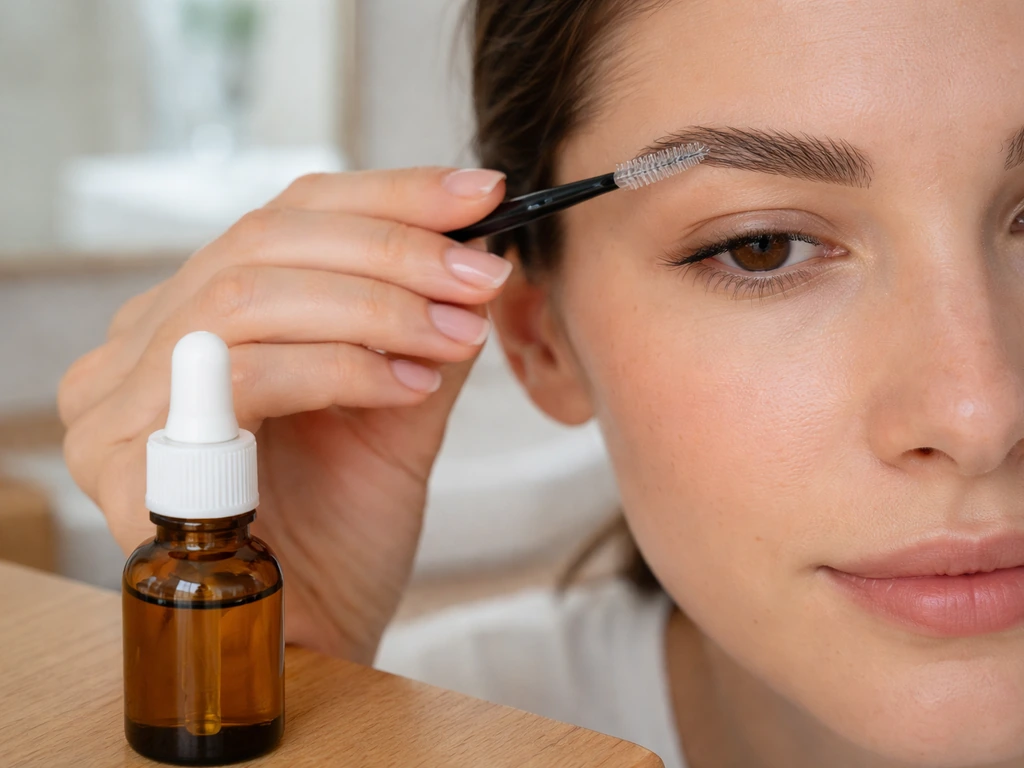
You can't grow the actual brow ridge bone, but you absolutely can grow fuller, denser eyebrow hair over that ridge area, which is what most people are really after. The practical path involves stopping habits that damage follicles, applying proven growth-supporting ingredients consistently, and giving it a realistic 3 to 6 months to see real results. There's no overnight fix here, but there's a clear, actionable routine you can start today.
How to Grow Brow Ridge Naturally: Step-by-Step Guide
James Whitmore
10 Jun 2026
What 'brow ridge growth' really means

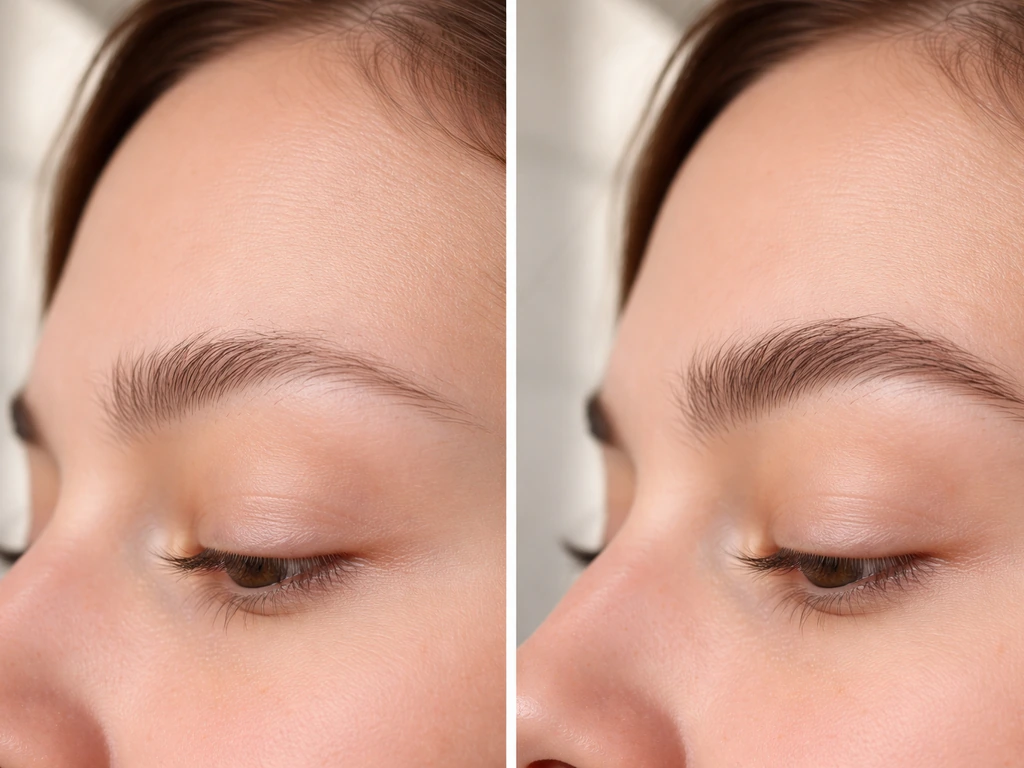
The brow ridge (technically the supraorbital ridge or superciliary arch) is a bony projection above your eye sockets. It's skeletal structure, so no oil, serum, or supplement is going to change its shape. What people actually mean when they search for this is growing more prominent, fuller eyebrow hair over that ridge area. The eyebrows themselves sit right on top of that bony support, and their thickness, density, and shape are entirely determined by the hair follicles embedded in the skin above your eye sockets. Those follicles are something you can absolutely influence.
If your brows look weak or receded, the causes are almost always one of three things: follicle damage from years of over-plucking or waxing, a medical or hormonal factor disrupting the hair cycle, or just thin-brow genetics. The good news is that two of those three are addressable with the right approach.
Hair growth basics and realistic timelines
blank" rel="noopener noreferrer">Eyebrow follicles cycle through the same three phases as every other hair follicle: anagen (active growth), catagen (a short transitional regression), and telogen (resting). The key difference from scalp hair is the timing. Scalp hair stays in the anagen growth phase for 3 to 4 years, which is why it gets long. Eyebrow hair completes its entire cycle in roughly 4 months. That's a much shorter active growth window, which is why brows stay short and why the whole regrowth process operates on a months-not-weeks timeline.
The telogen (resting) phase alone is around 100 days. This is important because it means even if you stop all damage today and start a perfect routine tomorrow, you may not see meaningful new growth for 6 to 8 weeks, and full results typically take 3 to 6 months. A small 1999 study where participants shaved one eyebrow found full regrowth took about 6 months, which aligns well with what the biology predicts.
Frequent plucking and waxing can extend that timeline significantly by damaging the follicle walls repeatedly. A follicle that's been aggressively plucked for years may be partially scarred, which means slower regrowth or, in some cases, no regrowth at all from those specific follicles. The earlier you stop the damage, the better.
Telogen effluvium (stress-triggered shedding) can also affect brows. If you've been through a major physical stressor, illness, crash diet, or hormonal shift, you might notice brow thinning 2 to 4 months after the event because hairs rest in telogen for that window before falling out. The upside is that telogen effluvium is usually temporary and reverses once the trigger resolves.
Natural brow ridge support: oils, serums, and grooming habits
Let's talk honestly about what the natural options actually do, because there's a lot of marketing noise in this space.
Rosemary oil
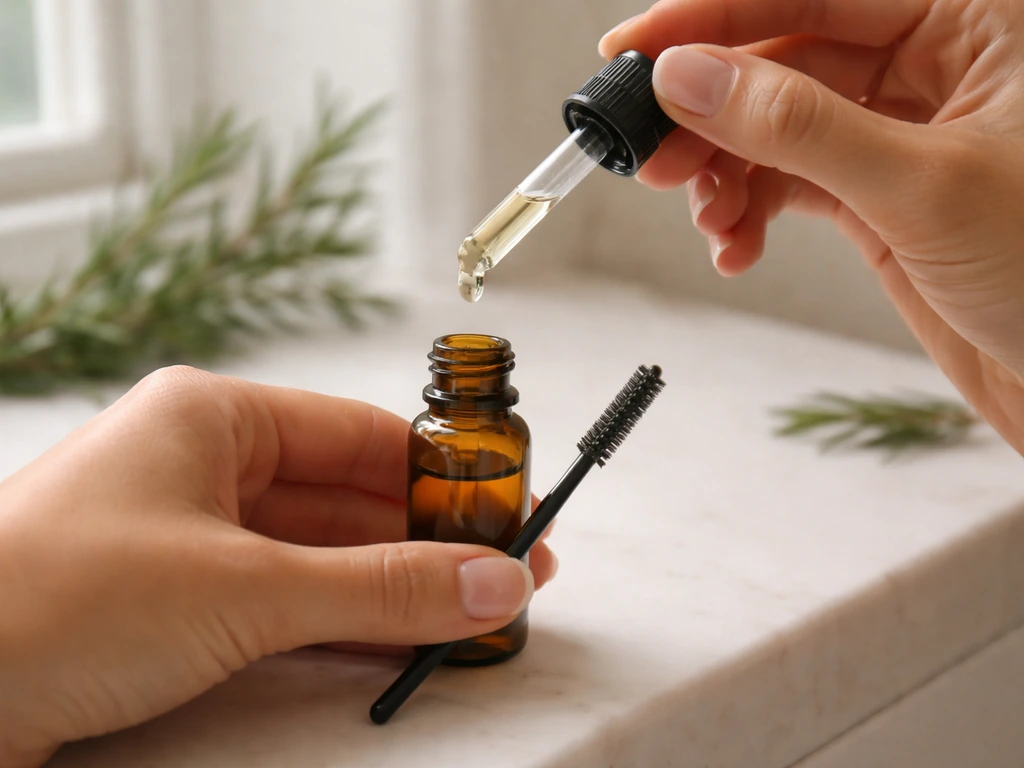
This is the most evidence-backed natural option. A randomized trial in androgenetic alopecia found rosemary oil performed comparably to 2% minoxidil for scalp hair regrowth over 6 months. That study was scalp-focused, not eyebrow-specific, so you can't directly extrapolate the numbers. But the biological mechanism (increasing circulation and reducing follicle-damaging DHT activity) is plausible for brow follicles too. I'd apply 2 to 3 drops of a diluted rosemary oil blend (about 2% in a carrier oil like jojoba or argan) to the brow area once daily, massaging gently for 30 to 60 seconds. Dilution matters: undiluted essential oils can cause skin irritation, especially on the thin skin near your eyes.
Castor oil
Castor oil is the most popular brow growth remedy online, and the honest truth is the evidence doesn't back up the hype. There are no published studies specifically testing castor oil for eyebrow regrowth, and the science doesn't support it meaningfully accelerating hair growth beyond its normal rate. That said, castor oil is a decent occlusive conditioner. It coats the hair shaft, reduces breakage, and keeps the brow area moisturized, which can help existing hairs look fuller and prevent mechanical damage. Use it if you want, but manage your expectations: it's a conditioning tool, not a regrowth agent.
Peptide and growth factor serums
Over-the-counter brow serums often contain peptides like biotinoyl tripeptide-1 or copper peptides, which theoretically support follicle function. The evidence is limited and mostly comes from manufacturer-funded small studies, but they're generally safe and some people do see results. Look for serums with those peptides rather than vague "botanical blends" that offer nothing measurable. Apply with the built-in applicator along the brow ridge line nightly.
Grooming habits that actually matter
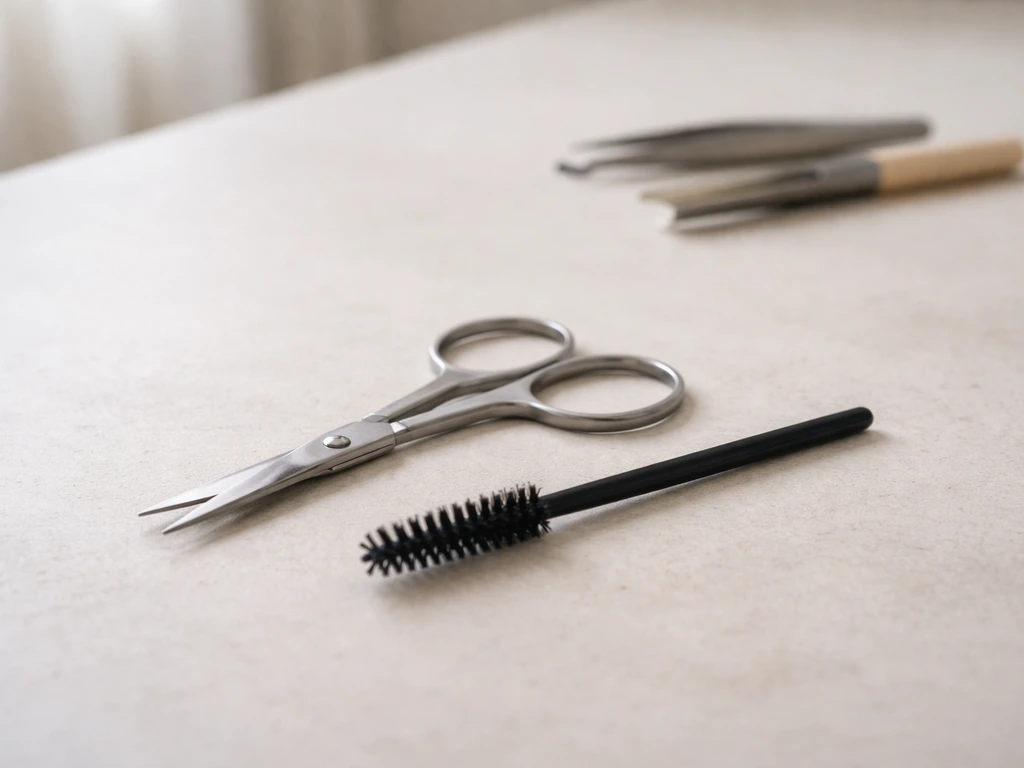
- Stop plucking or waxing entirely for at least 12 weeks. This is non-negotiable if you want to assess your natural regrowth.
- If you have to shape, use small scissors to trim only length, not to remove follicles.
- Avoid rubbing or pulling the brow area aggressively when washing your face or removing makeup.
- Keep the skin moisturized: dry, flaky skin around the brows can interfere with healthy follicle cycling.
- A gentle daily massage (30 to 60 seconds with your fingertips or a clean spoolie) can improve local circulation without risking the follicle damage that comes from needling tools.
Stronger evidence options (including minoxidil) and safety
If you've done the natural routine for 3 to 4 months without meaningful progress, or if your brows are significantly thinned, it's worth knowing about the pharmacologic options. These are used off-label for eyebrows but have actual controlled trial data behind them.
Minoxidil 2% topical
Minoxidil has the strongest evidence of the available options. A randomized, double-blind, placebo-controlled split-face study tested 2% minoxidil lotion specifically for eyebrow hypotrichosis (sparse brows) and found it outperformed placebo. That's a meaningful level of evidence. The typical approach for brows is applying a small amount of 2% solution (not the 5% foam designed for the scalp) to the brow ridge area once daily using a cotton swab or fingertip, being careful to avoid getting it in your eyes.
A few important safety notes. First, expect a possible initial shedding phase during the first 2 weeks; this is normal and not a sign it's failing. Second, if the skin around your brows is irritated, broken, or sunburned, skip application until it's healed as compromised skin increases absorption and side effects. Third, minoxidil is not recommended during pregnancy. If you're breastfeeding, research suggests low risk, but discuss it with your doctor before using it. And if your brow thinning is sudden, patchy, or unexplained, get a diagnosis before starting minoxidil since it won't address autoimmune or scarring causes and may mask a condition that needs treatment.
Bimatoprost (prostaglandin analog)
Bimatoprost 0.03% solution (the same compound in prescription eyelash growth treatments) has also been studied for eyebrow hypotrichosis. A randomized trial compared it directly to minoxidil 2%, and both showed benefit. The catch: bimatoprost requires a prescription, and it carries a risk of periocular skin reactions including dermatitis. It's also worth knowing that eyebrow enhancement with bimatoprost can fade back toward baseline after you stop, so it requires ongoing use. For most people, trying 2% minoxidil first makes more sense before going the prescription route.
A note on microneedling near the brows
You'll see dermaroller routines promoted for brow growth online, and the evidence for microneedling does show benefits for scalp hair density. But the eyebrow area is a different story. The skin there is thin, very close to your eyes, and the FDA has flagged risks including infection, scarring, and pigment changes from at-home microneedling devices. Most dermatologists don't recommend DIY dermarolling near the brows. If you're curious about microneedling for this area, that conversation belongs in a dermatologist's office, not on your bathroom counter.
Common mistakes, troubleshooting, and when to see a pro
Mistakes that stall regrowth
- Continuing to pluck 'just a few' stray hairs while trying to grow brows in. Even occasional plucking resets the follicle clock.
- Applying too much product directly into the eye or on the eyelid, which can cause irritation and is a particular concern with anything containing minoxidil.
- Switching products every 3 to 4 weeks. Hair cycles are 4 months long. You need to test anything for at least 12 weeks before judging it.
- Skipping nights. Consistency matters more than the specific product you choose.
- Using essential oils undiluted near the eye area. This causes irritation and can actually damage follicles.
Troubleshooting patchy or uneven brows
Patchy regrowth that's completely unresponsive after 4 to 6 months of consistent effort, or brows that are falling out in distinct coin-shaped patches, are red flags that something beyond grooming damage is happening. Alopecia areata is an autoimmune condition that can cause well-defined patches of hair loss in the brows and requires a different treatment approach entirely, not more castor oil. Frontal fibrosing alopecia is a scarring form of hair loss that can cause permanent follicle destruction and sometimes involves the eyebrows along a frontal band. Both of these need a dermatologist's diagnosis, possibly a biopsy, and treatment beyond anything at-home.
Also worth checking: thyroid function. Thyroid conditions are closely associated with eyebrow thinning, particularly at the outer third of the brow. If you've got other signs like fatigue, temperature sensitivity, or unexplained weight changes alongside brow loss, get a thyroid panel done. No growth routine will fix hormonally driven hair loss until the underlying imbalance is addressed.
When to skip the DIY approach and see a professional
- Sudden, rapid, or widespread brow loss without obvious cause
- Patchy loss in well-defined shapes (possible alopecia areata)
- Skin changes in the brow area: redness, scaling, or inflammation that doesn't resolve
- No visible regrowth after 6 months of consistent routine
- Any loss along the outer brow third combined with other systemic symptoms
Your step-by-step daily and weekly plan
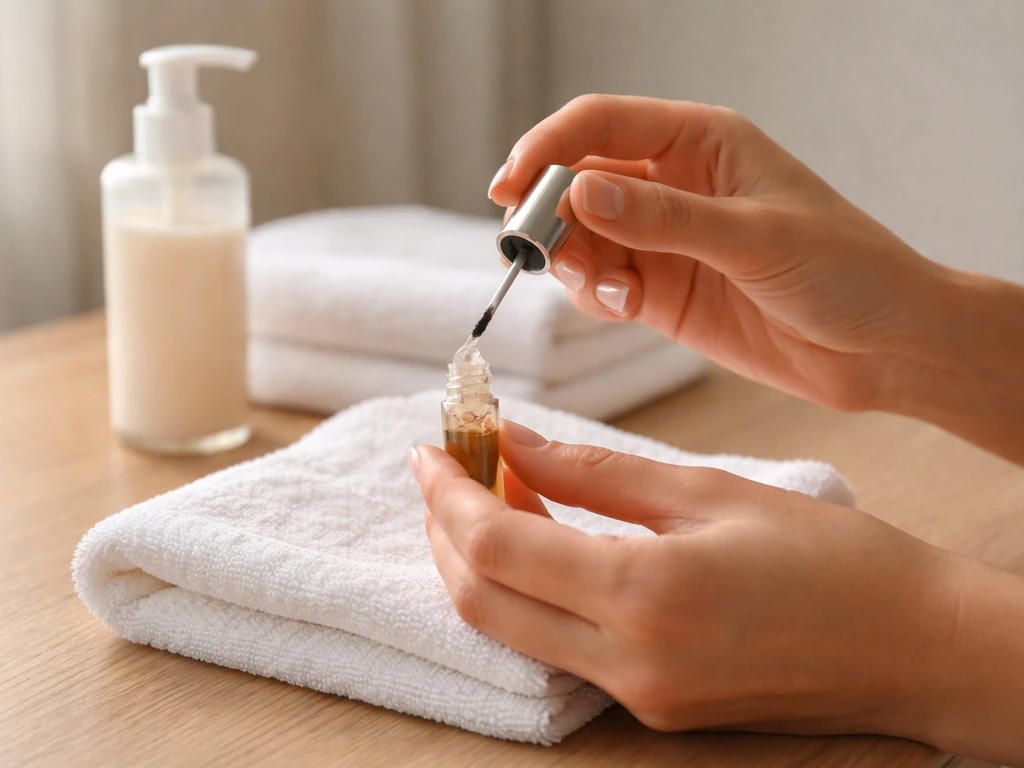
Here's a practical starting framework. If you want community-tested advice, searching how to grow eyebrows reddit can help you compare routines people report trying. Adjust it based on whether you're going natural-only or adding minoxidil after the first few months. If your goal is to grow your eyebrows closer together, use the same consistency with targeted brow placement as you increase density adding minoxidil.
Daily routine
- Morning: Wash your face gently, pat the brow area dry without rubbing. Apply a peptide-based brow serum with the applicator along the brow ridge. Let it absorb for 5 minutes before applying any makeup or SPF.
- Evening: Remove all makeup from the brow area completely. Apply 2 to 3 drops of diluted rosemary oil (2% in a carrier oil) and massage gently into the brow for 30 to 60 seconds. If you're in the minoxidil phase, apply a small amount of 2% minoxidil solution with a cotton swab along the brow ridge instead of (or after) the rosemary oil, and wash hands immediately.
- Keep a spoolie nearby to brush brows daily in the direction of growth. This stimulates circulation and trains hair direction without pulling follicles.
Weekly habits
- Once a week, take a close-up photo of your brows in the same lighting. Progress is slow enough that you won't notice it day to day, but a 4-week comparison is often revealing.
- Check your skin barrier around the brows. If you're seeing dryness, flakiness, or irritation, scale back the actives and focus on moisturizing for a week.
- Resist shaping for the first 12 weeks at minimum. After that, shape only with scissors or let a professional do the minimum needed while brows continue to fill in.
Timeline and decision points
| Timeframe | What to expect | Decision point |
|---|---|---|
| Weeks 1 to 4 | Little to no visible change; possible initial shedding if using minoxidil | Stay consistent, don't switch products |
| Weeks 4 to 8 | Possible fine new hairs appearing at the brow edges or gaps | Keep going; assess whether skin is tolerating the routine |
| Weeks 8 to 12 | Noticeable baby hairs and some filling in gaps | If zero change, consider adding minoxidil or consulting a dermatologist |
| Months 3 to 6 | Most of the visible regrowth happens in this window | Compare photos; decide if results are satisfying or if professional help is needed |
| After 6 months | Baseline established; ongoing maintenance routine | If significant patches remain, see a dermatologist to rule out underlying causes |
If you're also interested in the broader topic of thickening and shaping your brows, many of the same principles apply whether you're after a stronger brow ridge look, working toward thicker eyebrows, or trying to optimize growth for a specific style. If you want a unibrow look, aim to support growth across the entire central brow area and be consistent with your routine for the same months-long timeline. The biology is the same: respect the hair cycle, stop damaging habits, be consistent with a growth-supportive routine, and give it enough time to actually work. If you're specifically after how to grow thicker eyebrows for guys, the same steps below can be tailored to your starting point and timeline.
FAQ
If I’m trying to grow my brow ridge, will serums or supplements change the shape of my brow bone?
Yes, but only in a limited sense. You cannot change the bony supraorbital ridge itself, so the goal is getting more eyebrow hairs to grow over it and look denser. If your eyebrows sit unusually far back from the ridge, styling and placement (not growth products) will have a big impact on the “ridge” look.
Can I keep tweezing or waxing lightly while I’m trying to regrow my brows?
Stop plucking or waxing completely before you judge results. If you need maintenance, switch to trimming instead, because trimming removes length, not the follicle. If you remove hairs by tweezing again during the first few months, you can reset part of the cycle and delay progress.
When should I expect visible brow regrowth, and how do I know if it’s working?
A good rule is not to expect noticeable thickening for at least 6 to 8 weeks, then reassess again around 3 to 6 months. If you start minoxidil, remember that a temporary shed in the first couple of weeks can make things look worse before they get better, so short-term changes are not reliable.
What’s the correct way to apply minoxidil to the brow area without irritating my eyes?
With minoxidil, apply a small amount of 2% product once daily using a cotton swab or fingertip, then wash your hands. If it touches your eyelid margin or gets into your eyes, you can get irritation, so use a careful “along the ridge” technique rather than rubbing broadly into the eye area.
What should I do if my brows get irritated from oils or minoxidil?
Yes. If you get flare-ups, redness, burning, or flaking, pause on compromised skin and wait until it is fully healed, then restart more gently. Also avoid applying on sunburned or broken skin because absorption can increase side effects.
Will castor oil actually grow new eyebrow hairs or just make existing hairs look better?
Do not rely on castor oil for regrowth. It can still help by reducing breakage and making existing hairs look smoother or fuller, but it typically will not increase follicle output beyond the normal hair cycle.
If my eyebrow loss is patchy or sudden, should I still follow a brow growth routine?
Patchy, sudden, or coin-shaped loss is a red flag for conditions like alopecia areata or other non-grooming causes. In those cases, continuing to self-treat with growth products may delay proper diagnosis. A dermatologist can help determine whether it is follicle-related scarring, autoimmune, or hormonal.
How can I tell if my brow thinning is from stress or from follicle damage like plucking?
If you have signs of systemic hair shedding (new shedding on the scalp, major stressor, illness, crash diet), brows may thin due to telogen effluvium and improve after the trigger resolves. In that scenario, the best next step is identifying and addressing the trigger, while being realistic about the months-long timeline for recovery.
Should I check my thyroid if the outer third of my brows looks thinner?
If thinning is mainly on the outer third, or you also have symptoms like fatigue or temperature sensitivity, consider getting thyroid labs. Growth routines won’t correct hormonally driven shedding, so addressing the underlying imbalance can change the outcome.
How do I safely use rosemary oil near my eyes?
Rosemary oil should be diluted before use, because essential oils can irritate thin periocular skin. Patch test first on a less sensitive area, use about 2% in a carrier, and stop if you get burning or dermatitis.
At what point should I escalate treatment or see a dermatologist?
If you do not see meaningful improvement after consistent effort for 3 to 4 months (or you have significant thinning), it is reasonable to consider escalating to minoxidil or to get a dermatologist evaluation. Also, if your brows are completely non-responsive in the same spots despite stopping damage, scarring or autoimmune causes become more likely.
If bimatoprost works for eyebrows, will the results last after I stop?
Results with bimatoprost often fade after discontinuation because it is not curing the underlying cause of hypotrichosis. If you pursue it, plan for ongoing use and understand you may experience periocular skin reactions that require medical supervision.
Next Article
How to Grow Eyebrows Reddit Guide: Thicker and Fuller
Step-by-step tips to grow fuller, longer eyebrows using Reddit-style advice, timelines, safe oils, and minoxidil caution