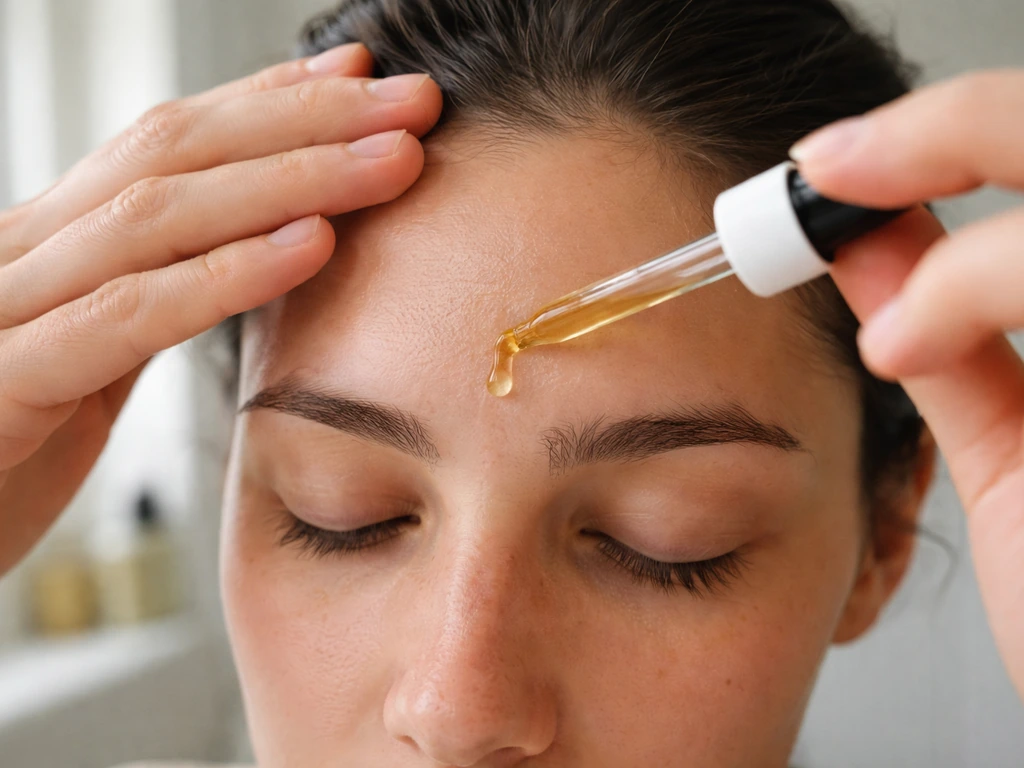
You can grow thicker eyebrows by stopping the habits that damage follicles, adding a consistent at-home routine using oils and scalp massage, and giving your brows at least 3 to 6 months to fully respond. For guys dealing with persistent thinness, minoxidil is also a real option backed by evidence, as long as you use it carefully around the eye area. If you want the clearest path, focus on how to grow eyebrows dark by addressing follicle health and giving treatments enough time to work minoxidil. The key is understanding what's actually causing your sparse brows before throwing products at them.
How to Grow Thicker Eyebrows for Guys: Steps, Timelines, Minoxidil

James Whitmore
27 May 2026
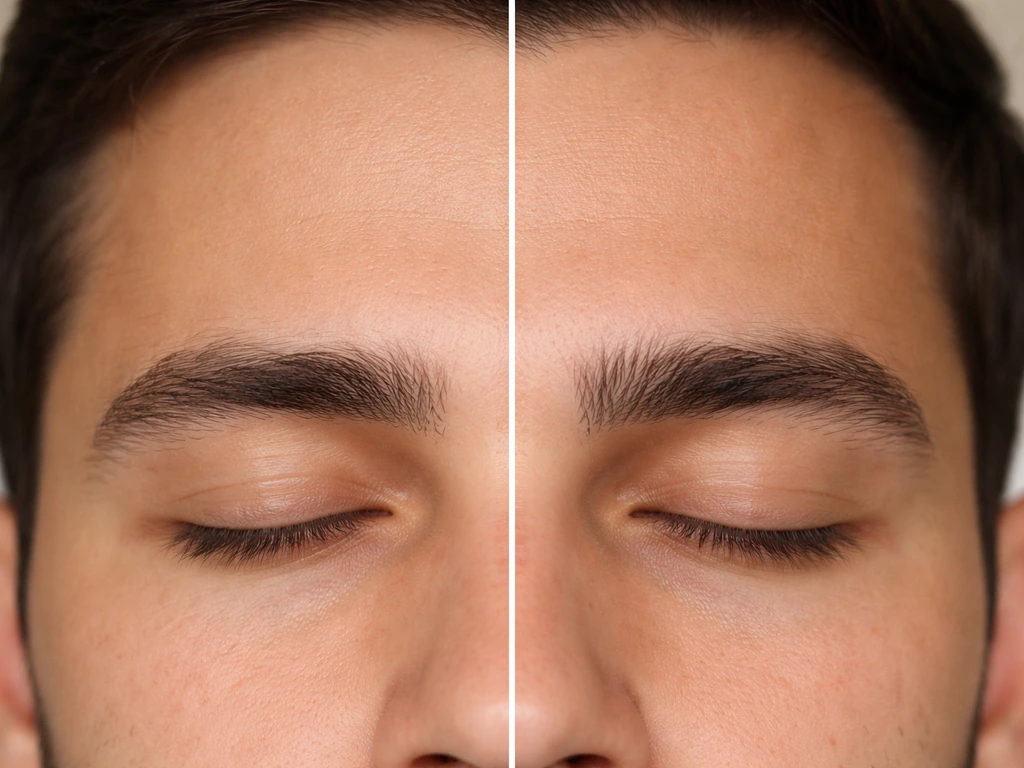
Why your eyebrows look thin (and what's actually going on)
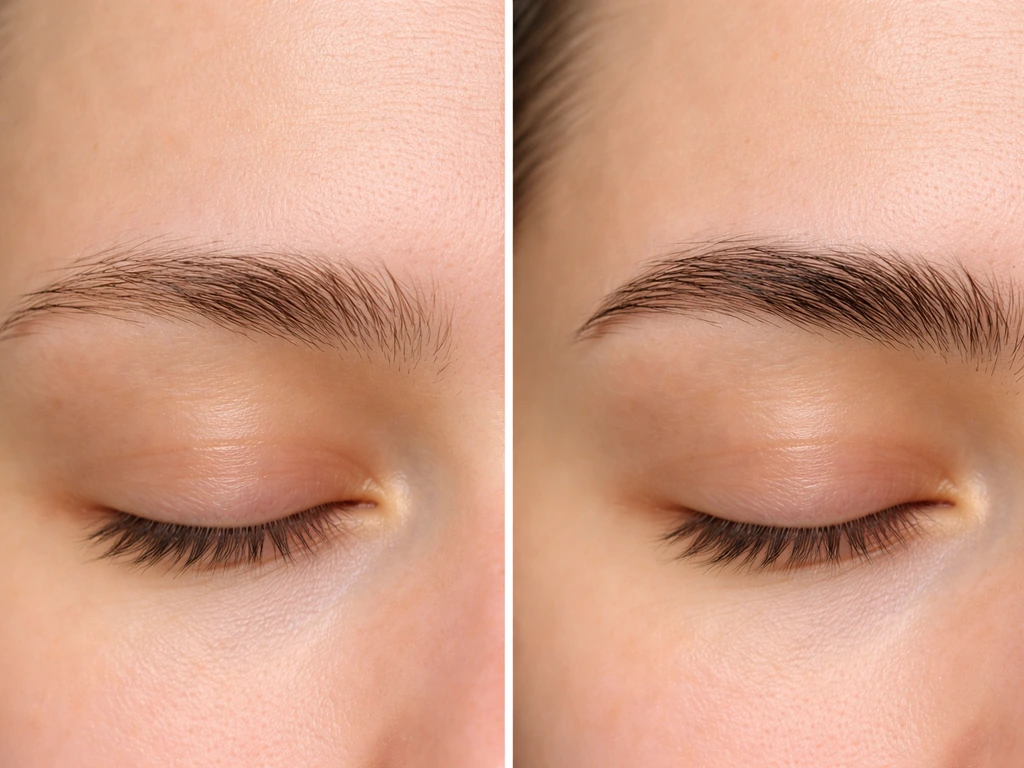
Before anything else, it helps to know why your brows are sparse in the first place, because the fix depends entirely on the cause. The most common culprits for guys are overplucking or over-trimming, skin irritation in the brow area, genetics, and lifestyle factors like poor nutrition, elevated stress, or disrupted hormone levels. Let's go through the main ones.
Physical damage from grooming
Repeated plucking, waxing, and even heavy-handed trimming can damage follicles over time. A single pluck won't kill a follicle, but years of it absolutely can. Waxing that pulls repeatedly from the same area can cause enough trauma to scar the follicle and prevent regrowth permanently in that spot. If you've been aggressively grooming your brows for years and they seem to get thinner each time they grow back, this is the likely cause.
The shaving myth
One of the most persistent myths in men's grooming is that shaving makes hair grow back thicker. It doesn't. The Mayo Clinic and Healthline both confirm that shaving cuts the hair shaft at the surface but does nothing to the follicle below the skin. The blunt tip just looks and feels coarser as it grows back, which is where the myth comes from. So if you've shaved part of your brow and are waiting for a magic thick regrowth, you're not getting that. What grows back will be exactly the same hair you had before.
Skin irritation and dermatitis
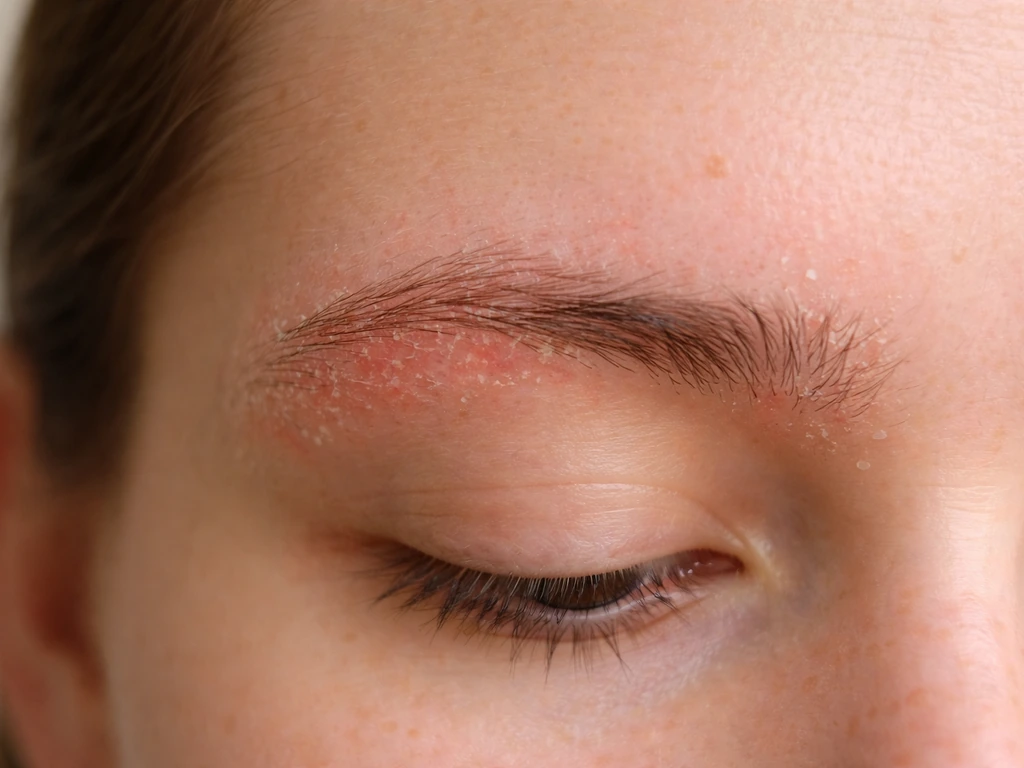
Contact dermatitis, eczema, or even chronic irritation from skincare products can inflame the skin around the brow area and interrupt normal hair growth. If your brow skin is frequently red, flaky, or itchy, the follicles are working in a hostile environment. Ingrown hairs and folliculitis (inflammation of the follicle itself) can also block and damage hair growth in the brow area, especially if you shave nearby. The Cleveland Clinic notes that trapped hairs can drive follicle inflammation that compounds over time if not addressed.
Genetics, hormones, and age
Your genetic template plays a real role in how full your brows naturally get. Some guys just have finer, sparser brow hair by default. Hormones also matter: thyroid dysfunction, testosterone imbalances, and even chronic elevated cortisol from stress can reduce hair density. As men age, brow hair can also thin naturally, especially toward the outer corners. This doesn't mean there's nothing you can do, but it does set realistic expectations about what's achievable with grooming products alone.
How long does eyebrow regrowth actually take
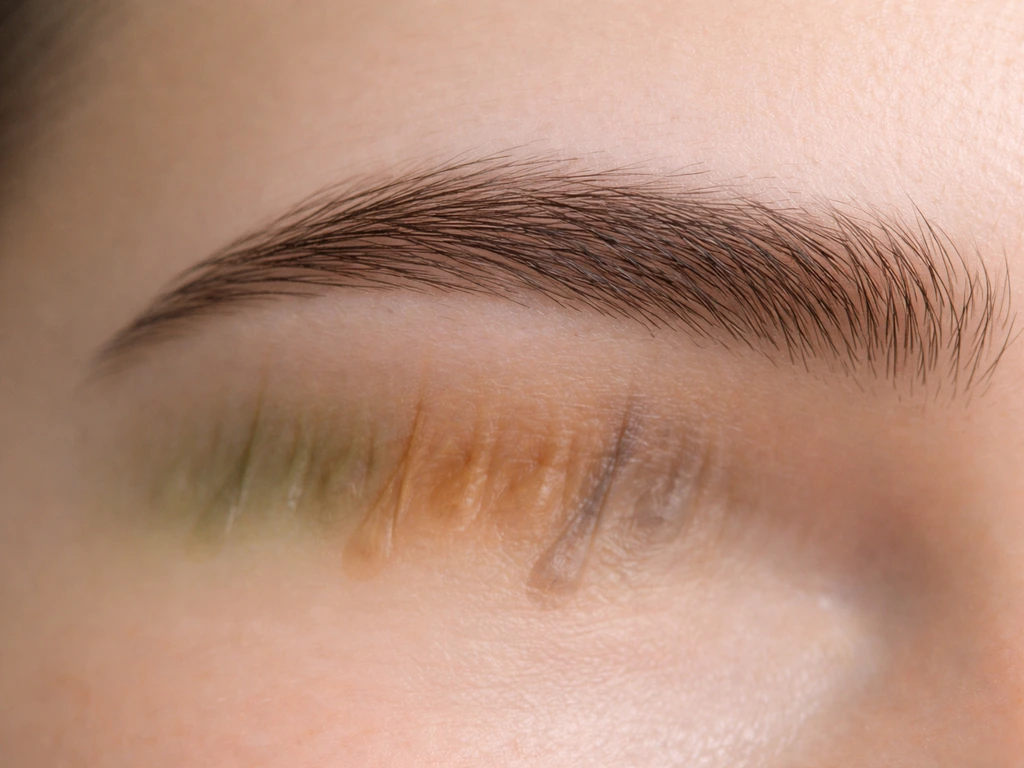
Eyebrow hair has a different growth cycle than the hair on your scalp, and understanding it will save you a lot of frustration. The brow hair cycle runs through three phases: anagen (active growth, about 2 to 3 months), catagen (transition, about 2 to 3 weeks), and telogen (resting/shedding, about 2 to 3 months). That telogen phase can last close to 100 days. What this means in practice is that you should expect a full regrowth cycle to take somewhere between 4 and 6 months, not a few weeks.
If you shaved or trimmed your brows and the hair just needs to grow back to its full length, you're looking at 4 to 8 weeks for visible coverage. But if you've been waxing or plucking repeatedly and the follicle itself needs to recover, you're looking at a full 3 to 6 months before you can honestly assess the results. The outer thirds of the brows are often the slowest to come back because the hairs there tend to be finer and shorter in their anagen phase.
After shaving
Shaved brow hair typically reaches visible length within 4 to 6 weeks. It may look uneven as different follicles are in different phases of their cycle, but most guys see reasonable coverage by week 8. The hair itself won't be different than it was before, despite what the shaving myth suggests.
After waxing or overplucking
Give this a full 3 to 6 months before panicking. The follicle needs to complete its rest phase and enter a new anagen phase. Some follicles may have been damaged by repeated trauma, in which case regrowth in those specific spots may be permanently reduced. But if you've only been doing this for a few years rather than decades, there's a good chance the follicles are just dormant rather than gone.
The foundation: nutrition, sleep, stress, and hormones
Topical treatments get all the attention, but your brows grow out of your body, and your body needs the right internal conditions to support hair growth. These factors matter more than most guides admit.
- Protein intake: Hair is made of keratin, a protein. If you're under-eating protein chronically, hair growth will slow across your whole body, including brows. Aim for at least 0.7 to 1 gram of protein per pound of body weight daily.
- Iron and zinc: Deficiencies in either are tied to hair loss. If you've had a stretch of poor diet, fatigue, and thinning hair, it's worth getting bloodwork done.
- Biotin: Often hyped, but genuine deficiency is actually rare. Supplementing won't hurt, but don't expect it to be a magic brow cure unless you're actually deficient.
- Sleep: Your body does most of its cellular repair during deep sleep. Chronic poor sleep (under 6 hours regularly) measurably disrupts hormone levels that affect hair growth, including testosterone and growth hormone.
- Stress: Elevated cortisol from chronic stress can push more hairs into the telogen (resting/shedding) phase. If you're dealing with a high-stress period, that's a real physiological explanation for thinning.
- Thyroid function: Both hypothyroidism and hyperthyroidism can cause eyebrow hair loss, particularly at the outer corners. If your brows are thinning there specifically and you have other symptoms, get your thyroid checked.
At-home thickening routines: what to actually do each day
There's no at-home product that will give you dramatically thicker brows in two weeks. But a consistent routine over several months genuinely can improve density and hair health, especially if your brows are recovering from damage or growing in sparse due to lifestyle factors. Here's what's worth doing and what to realistically expect.
Castor oil
Castor oil is probably the most recommended at-home brow treatment, and it does have some legitimate use, but not the way most people think. The honest picture from a systematic dermatology review is that castor oil has limited evidence for directly stimulating hair growth. What it does do is condition the hair shaft, reduce breakage, and provide a supportive environment for the follicle. Think of it more as a maintenance tool than a growth serum. That said, if your brow hairs are breaking before they reach full length, castor oil can make a visible difference by keeping them intact longer. Apply a small amount with a clean spoolie or fingertip each night, working it into the brow hairs and the skin beneath. Wipe off excess in the morning. Give it 8 to 12 weeks before evaluating.
Rosemary oil
Rosemary oil has a bit more science behind it than castor oil. A 2015 randomized comparative trial published in Skinmed found that rosemary oil performed comparably to minoxidil 2% for androgenetic alopecia on the scalp at the 6-month mark, with fewer side effects. That study was for scalp hair, not eyebrows specifically, but it gives a reasonable basis for using rosemary oil as a growth-supporting treatment. To use it on brows, dilute 2 to 3 drops of rosemary essential oil in a carrier oil (jojoba or castor oil both work), and apply nightly with a spoolie. Don't apply undiluted essential oil directly to skin. Again, the realistic timeline here is 3 to 6 months, not weeks.
Gentle massage
Massaging the brow area for 1 to 2 minutes daily, ideally while applying oil, can stimulate blood flow to the follicles. This isn't magic, but it's free and the mechanical stimulation likely supports follicle activity. Use your fingertips in small circular motions, moving along the brow from inner to outer corner. If you want them to look closer together, map your natural inner brow line first and then avoid overplucking those inner hairs while you let them fill in naturally grow your eyebrows closer together. Keep pressure light. You're trying to increase circulation, not scrub the follicles into submission.
A simple daily and weekly routine
- Nightly (daily): Apply diluted rosemary oil or castor oil to clean brows with a spoolie. Massage gently for 60 to 90 seconds. Leave overnight and rinse in the morning.
- Morning: Cleanse the brow area gently with your face wash. Avoid harsh exfoliants or scrubs directly on the brow.
- Weekly: Audit your brows with good lighting. Pluck or trim only what's clearly outside your intended shape. Less is more.
- Monthly: Take a photo in the same lighting to track progress. Hair growth is slow enough that day-to-day changes are invisible, but monthly comparison photos often show real change.
Minoxidil for eyebrows: the evidence-based option
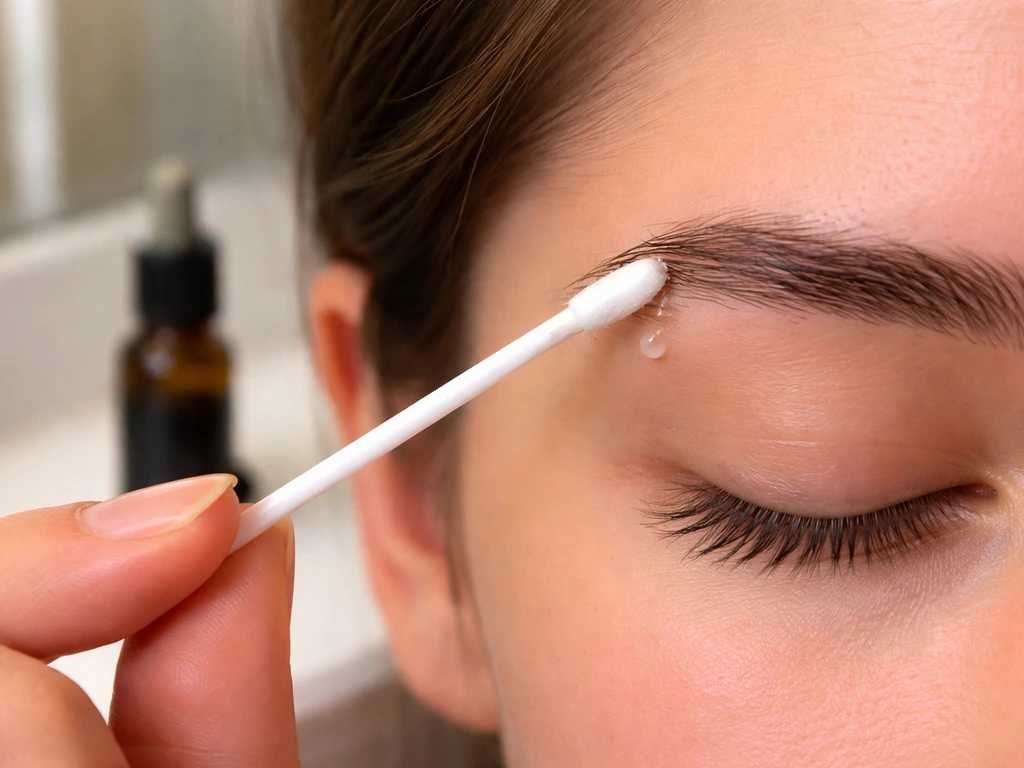
If you want the most evidence-backed option for accelerating eyebrow growth beyond what oils can offer, minoxidil is worth knowing about. If you're looking for a clear plan on how to grow brow ridge, focus on stopping damage first and then using evidence-based support like minoxidil when appropriate accelerating eyebrow growth. It's not officially FDA-approved for eyebrow use, but it has real biological plausibility: minoxidil works by prolonging the anagen (active growth) phase of the hair cycle and increasing follicle size, which results in thicker, more numerous hairs over time. Plenty of dermatologists recommend it off-label for brow regrowth.
How to use it on eyebrows
Start with a 2% liquid or 5% foam formulation. Liquid is easier to apply precisely with a cotton swab or small brush, which matters a lot in the brow area where you're working close to your eyes. The foam may be a better choice if you experience skin irritation from the propylene glycol found in some liquid formulas. Apply a tiny amount (literally a drop or two) to each brow once daily, working it into the skin at the base of the brow hairs. Avoid getting it near your eyes or on your eyelids. The Mayo Clinic notes that systemic absorption is higher when skin is irritated or sunburned, so skip application if your brow skin is inflamed.
What to realistically expect
Most people using minoxidil for brows start seeing visible changes between 3 and 6 months. Some see early fuzz within 6 to 8 weeks, but meaningful density improvement takes longer. You may also experience a shedding phase early on as telogen hairs fall out before new anagen hairs replace them. This is normal and not a sign the product isn't working.
Risks and safety precautions
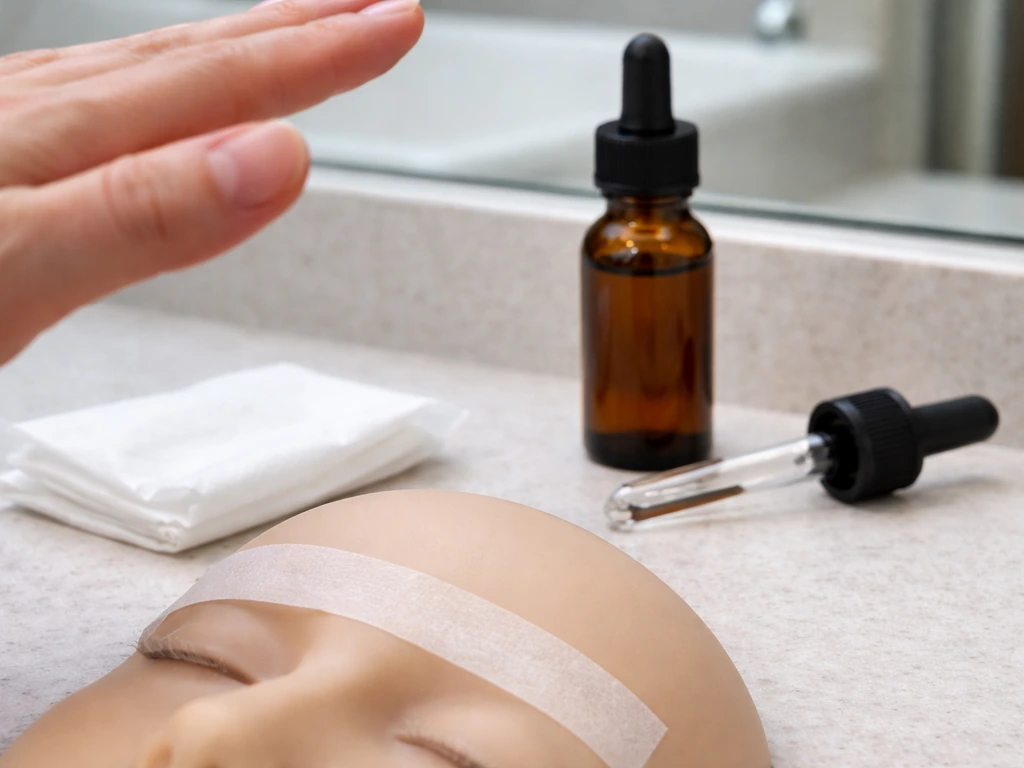
The eye proximity is the main concern with minoxidil on brows. Case reports in the medical literature describe ocular surface damage when ethanol-containing minoxidil solutions contact the eye, and at least one case has linked topical minoxidil to a serious retinal vascular event. These are rare, but the message is clear: keep the product out of your eyes. Apply with precision, use a small applicator, and wash your hands immediately after. Other potential side effects include skin irritation at the application site, unwanted hair growth on nearby facial areas if product migrates, and in rare cases with excessive use, systemic effects like dizziness or low blood pressure. If you're using minoxidil, doing so with occasional dermatologist check-ins is genuinely worthwhile.
| Option | Evidence Strength | Realistic Timeline | Main Risk/Downside |
|---|---|---|---|
| Castor oil | Weak (conditioning effect only) | 8 to 12 weeks to assess | Minimal; possible breakouts if pores clog |
| Rosemary oil (diluted) | Moderate (scalp studies) | 3 to 6 months | Skin irritation if undiluted; no eyebrow-specific trials |
| Gentle massage | Low-moderate | Supports other treatments over months | None if technique is light |
| Minoxidil 2% liquid | Strong (off-label for brows) | 3 to 6 months for density | Eye proximity risk; possible facial hair migration |
| Minoxidil 5% foam | Strong (off-label for brows) | 3 to 6 months for density | Same as above; better for propylene glycol sensitivity |
Grooming habits that help (and what to stop doing)
How you groom your brows has a direct impact on how thick they can get. A lot of guys unknowingly work against their own growth goals through small habits that add up over months.
What to stop doing
- Over-plucking: The single biggest self-inflicted cause of thin brows. If you're removing more than the truly stray hairs outside your natural shape, you're working against yourself. Put the tweezers down for at least 8 to 12 weeks and let the full picture grow in.
- Waxing the brow area repeatedly: Repeated waxing trauma is harder on follicles than plucking. If you've been getting brows waxed regularly, switching to occasional precision plucking or threading is gentler on the follicle.
- Harsh skincare on the brow zone: Retinoids, strong chemical exfoliants, and abrasive scrubs used directly over the brows can irritate the skin and disrupt the follicle environment. Be careful about what you're applying in that zone.
- Picking at ingrown hairs or scabs: This can cause scarring that permanently blocks follicle output. Treat ingrowns with warm compresses and gentle exfoliation rather than digging at them.
- Rubbing the brow area habitually: Friction from rubbing, whether from your hands or towel-drying aggressively, can mechanically stress hair follicles over time.
Shaping without thinning
The goal when shaping during a growth phase is to remove as little as possible while maintaining a clean look. Only pluck hairs that are clearly outside the shape you want, and leave everything ambiguous alone. Use a spoolie to brush your brows upward before assessing shape, as many hairs look like they're outside the line when they're just growing in a different direction. Trim with small, sharp scissors only when hairs are genuinely too long, and trim conservatively. A brow that looks slightly wild but is getting fuller is going in the right direction.
Skin hygiene in the brow area
Clean skin around the follicle matters. Wash your face once or twice daily, make sure to rinse completely (leftover cleanser residue can be irritating), and keep the brow area free from buildup of product. If you're applying oils nightly, a gentle morning cleanse to remove residue is important. Healthy, non-inflamed skin is simply a better environment for hair growth.
When to see a dermatologist
Most guys dealing with sparse brows can make real progress with the steps above, but there are situations where what looks like a grooming problem is actually a medical one. If any of these apply to you, a dermatology visit is the right move rather than waiting through months of DIY attempts.
- Patchy loss with no grooming explanation: Alopecia areata is an autoimmune condition where the immune system attacks hair follicles, causing patchy hair loss that can specifically affect eyebrows. It's not caused by grooming, and it won't respond to castor oil. The American Academy of Dermatology notes that treatment options exist and work best when started early.
- Persistent skin inflammation, flaking, or scaling in the brow zone: This could be seborrheic dermatitis, contact dermatitis, or eczema, all of which can chronically disrupt follicle function if untreated. A dermatologist can identify the cause and prescribe targeted treatment.
- Brow thinning alongside other symptoms: If you're also experiencing fatigue, weight changes, sensitivity to cold or heat, or other hormonal symptoms alongside brow thinning, ask your doctor about thyroid testing.
- Suspected infection: Red, tender, swollen follicles that don't resolve with basic hygiene may indicate folliculitis or another infection that needs appropriate treatment.
- Medication-related hair loss: Certain medications, including some blood thinners, cholesterol drugs, and mood stabilizers, can cause hair loss as a side effect. A dermatologist or your prescribing physician can help you navigate this.
- No improvement after 6 months of consistent effort: If you've done the routine diligently for half a year and seen zero change, that's a signal to get a professional assessment rather than just trying more products.
A dermatologist can also use a technique called trichoscopy to look at the follicles directly and differentiate between causes like alopecia areata, fungal infection, or trichotillomania. This matters because treating the wrong thing wastes months of time and money.
Start here: your next steps today
If you've read this far, you now know more about eyebrow growth than most grooming guides will tell you. Here's how to actually start today, depending on where you are. If you're still stuck, searching how to grow eyebrows reddit can help you compare real-world routines and timelines from others. If you want to specifically grow a unibrow, the same approach works: stop damaging habits and give the center hairline time to re-fill over 4 to 6 months.
- Step back from active grooming for at least 8 weeks. No plucking outside clearly stray hairs. Let the full picture grow in so you can actually assess what you're working with.
- Tonight, mix 2 drops of rosemary essential oil with about half a teaspoon of castor oil. Apply to clean brows with a spoolie, massage gently for 90 seconds, and leave it overnight. Do this every night.
- Audit your diet and sleep. If you're consistently under-eating protein or sleeping under 6 hours, fix that first. No topical treatment can overcome a systemic deficiency.
- If you want faster, more reliable results and you're comfortable using an off-label treatment, consider starting minoxidil 2% liquid or 5% foam. Use a tiny, precise amount on the brow skin once daily and keep it away from your eyes.
- Take a photo today in natural light. Take another one in 4 weeks and 8 weeks. Progress is too slow to see day to day but often obvious over months.
- If you notice patchy loss, persistent skin inflammation, or no improvement whatsoever by month 6, make a dermatology appointment. Some causes of thin brows are medical and won't respond to any home treatment.
Getting thicker eyebrows as a guy is absolutely possible for most people, but it requires patience, consistency, and being honest about what's actually causing the problem. Stop the damage, support the follicles, and give your brows the time they biologically need. Six months from now, you'll be glad you started today.
FAQ
Can guys regrow eyebrows that have been overplucked for years?
Yes, but only if the brows were thinned by grooming trauma or irritation, not if the follicles are scarred. If you recently overplucked or waxed, there is often a recovery window of 3 to 6 months, with the slowest regrowth usually at the outer corners.
What should I do if my brow skin is irritated while trying to grow thicker eyebrows?
Don’t use oils, rosemary oil, or minoxidil on top of inflamed, flaky, or infected-looking skin. If you have persistent redness, itching, crusting, or painful bumps, pause DIY growth products and get checked, since folliculitis or eczema can block results.
Is there an ideal time of day to apply minoxidil or oils for eyebrow growth?
For most people, it is safer to apply the product at the same time each day, then avoid touching or rubbing the area afterward. With minoxidil, wash your hands immediately after application and avoid applying right before sleep if you tend to rub your face on the pillow.
Why do my brows look better but never get thicker?
Oils can make hairs less breakable, but they won’t “force” new follicles to start growing. If you are seeing lots of fine stubble that never thickens after 4 to 6 months, you likely need to reassess the cause (genetics, dermatitis, or follicle damage) rather than adding more oil.
Can I trim or shape my brows while they are growing back?
Yes, but do it in a way that protects the outer third and inner corners. After you map your desired shape, only remove clearly out-of-bounds hairs, and avoid trimming or plucking repeatedly during the same growth phase, since frequent micro-trauma can restart the recovery timeline.
How much minoxidil should I use for eyebrows, and can I apply extra for faster results?
If you use minoxidil, the goal is to apply a tiny amount to the skin at the base of the brow hairs, once daily. More is not better, and overuse increases the chance of irritation, product migration, and unwanted facial hair growth elsewhere.
What does it mean if my eyebrows seem to shed after starting minoxidil?
A temporary shed or change in texture can happen early because some hairs shift out of the resting phase. If shedding occurs, treat it as a normal part of the cycle and don’t stop immediately, but stop and seek advice if you get burning, significant swelling, or eye symptoms.
What should I do if minoxidil accidentally gets too close to my eyes?
Minoxidil should not touch your eyes or eyelids. If any gets near the eye, rinse right away with cool water and avoid further application until you can apply with better precision. If you notice persistent eye irritation, vision changes, or severe headaches, get medical care.
How can I tell if my thin eyebrows are from a medical condition instead of grooming?
If you have bald or patchy areas, or the pattern looks sudden rather than gradually sparse, consider alopecia areata or another condition. Trichoscopy at a dermatologist visit helps identify the cause so you don’t waste months using the wrong growth approach.
How long should I wait before switching products or increasing effort?
Generally, give castor oil or diluted rosemary oil at least 8 to 12 weeks before judging, and give the full 3 to 6 months for density improvement. If there is zero change by month 3 to 4 and you are following the routine, reassess your routine and consider minoxidil or a dermatologist evaluation.
Does the timeline change depending on whether I shaved, trimmed, waxed, or plucked?
Yes, your “starting point” matters. If your brows were mostly trimmed or shaved, you may notice length sooner, but thickness usually improves later because follicle cycling still takes months. If your brows were repeatedly waxed or plucked, thickness often recovers slower and may not fully return in the most scarred spots.
Next Article
How to Grow a Unibrow: Natural and Faster Results Plan
Step-by-step plan to grow a natural unibrow with oils, gentle care, fast options like minoxidil, and timelines.