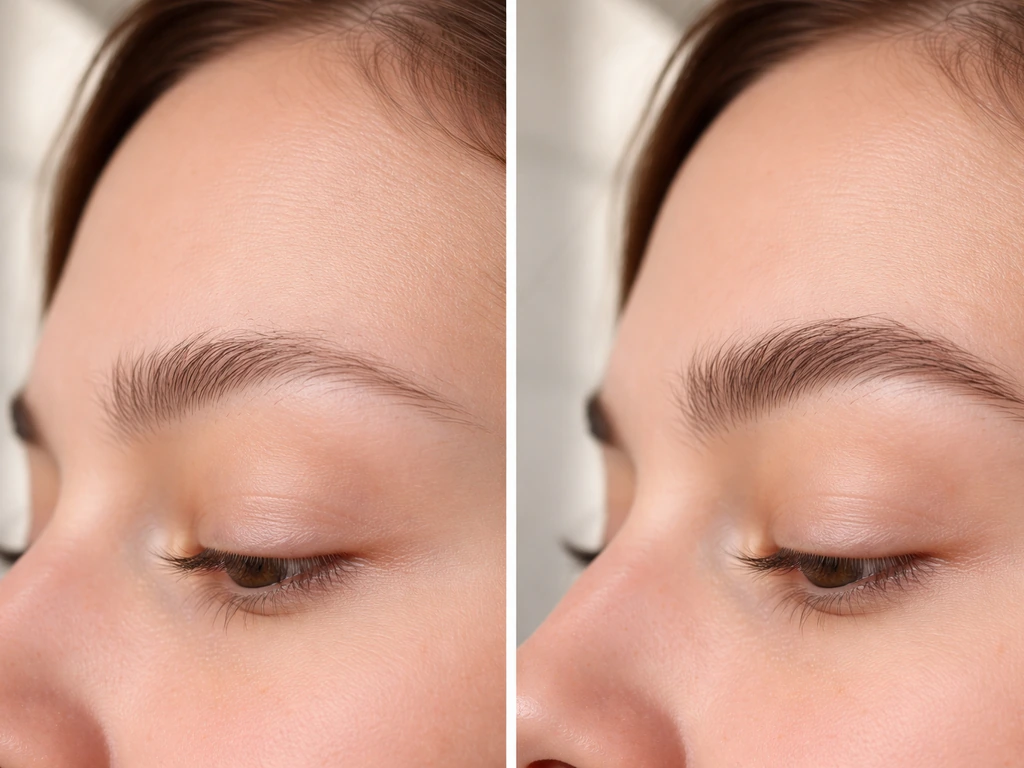
To grow eyebrows darker and fuller, you need to tackle two things at once: stimulating denser hair growth so more hairs are visible, and keeping those hairs healthy enough that their natural pigment shows up properly. The most effective routine combines a proven topical like rosemary or castor oil applied nightly, a gentle grooming approach that avoids over-plucking, and enough patience to see the full growth cycle through, which realistically means 3 to 4 months before you notice a meaningful difference. If you are specifically wondering how to grow a unibrow, focus on the same basics: let the brow hair cycle run and support dense, healthy regrowth between the inner brows.
How to Grow Eyebrows Dark: Natural and Product Routines
James Whitmore
27 Jun 2026
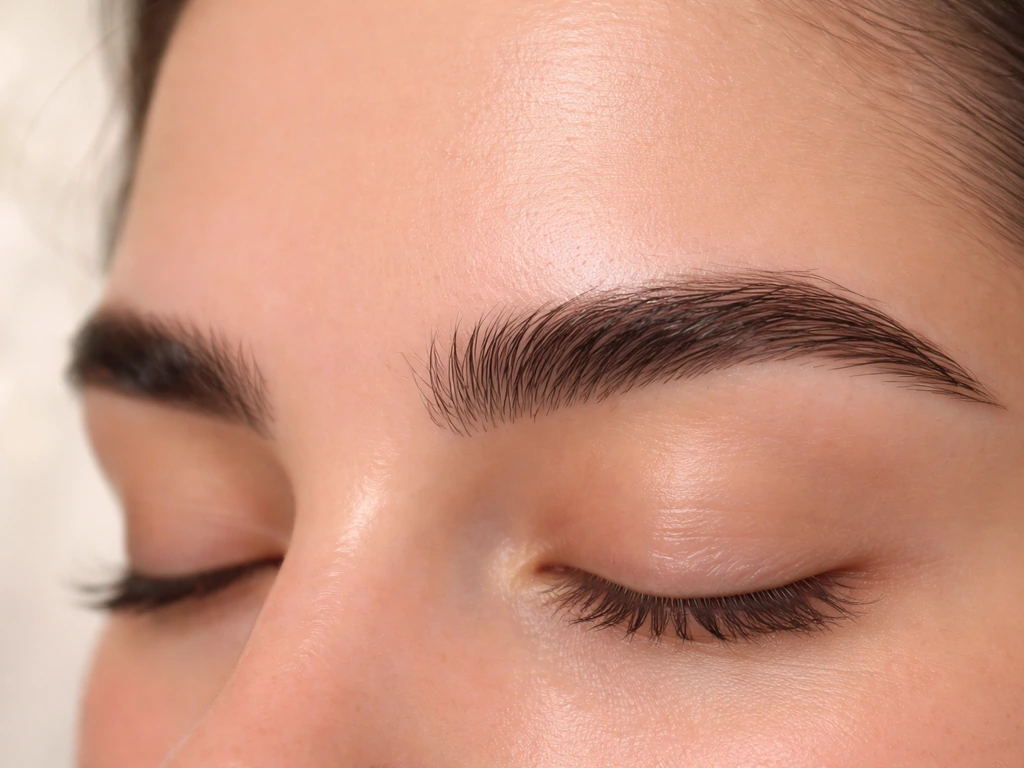
Why your eyebrows look lighter than you want them to
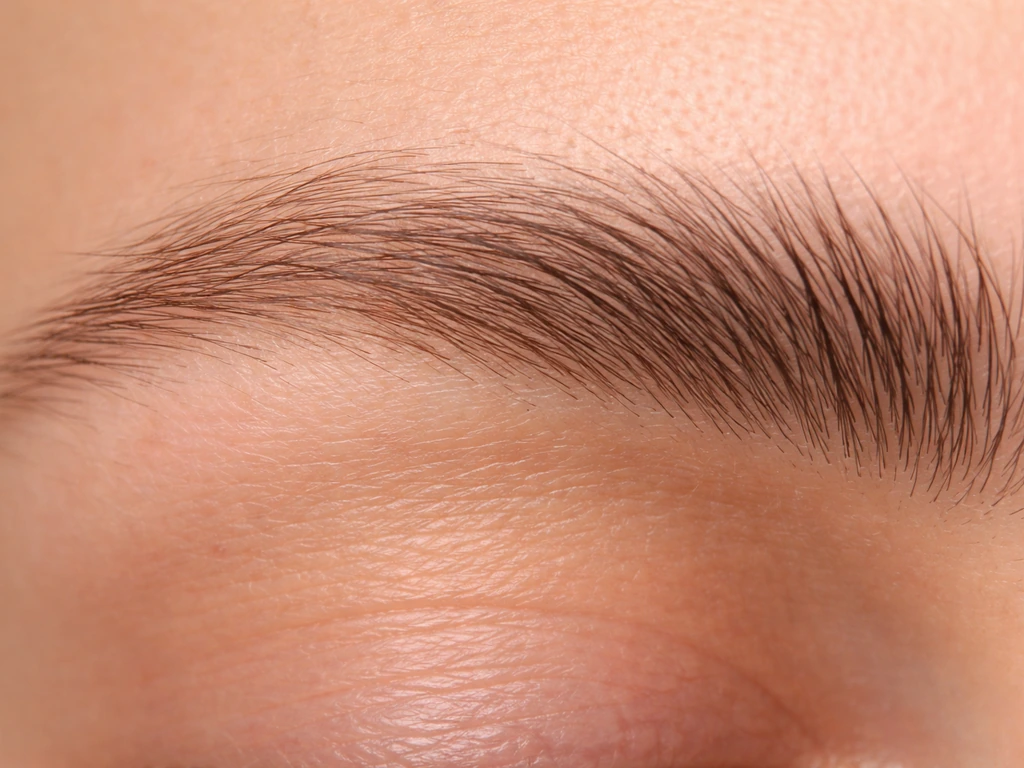
Eyebrow color comes down to melanin, the pigment produced by melanocyte cells living inside and around your hair follicles. There are two types at play: eumelanin (dark brown to black tones) and pheomelanin (yellow to reddish tones). The mix of these two pigments, concentrated in the hair shaft's cortex, determines how dark your brows appear. Thinner hairs have less cortex, which means less melanin, which means they read as lighter even if the underlying pigment production hasn't changed.
Density matters just as much as pigment. Even if each individual hair is a normal color, sparse brows look lighter because there's more skin showing between hairs. When brows are full and dense, the visual mass of pigment makes them appear noticeably darker. This is why growing more hairs and keeping existing ones healthy is the core strategy, it's not just about the color of each strand, it's about how many strands are contributing to the overall look.
The growth cycle is also important to understand. Eyebrow hairs cycle much faster than scalp hair. The anagen (active growth) phase for brows typically lasts only about 2 to 3 months, followed by a catagen (transition) phase of roughly 2 to 3 weeks, then a telogen (resting) phase of another 2 to 3 months. At any given time, your hairs are in different phases, which is why you can't just "restart" all of them at once. In hair growth biology, anagen is the active growth phase, catagen is the involution phase, and telogen is a resting or quiescent phase, with different hairs in different phases at any given time anagen is the growth phase. Over-plucking or waxing repeatedly can eventually damage follicles, shortening their anagen phase and producing finer, lighter regrowth over time.
Growing eyebrows back after shaving, waxing, or thinning
If your brows are light and sparse because of previous over-grooming, the first and most important step is simply to stop removing hair and let the growth cycle run its course. If you want a fuller brow, focus on how to grow brow ridge by stopping over-grooming and supporting regrowth over the hair cycle let the growth cycle run its course. This sounds obvious, but most people underestimate how long it takes. One full cycle from telogen back through anagen can take 4 to 6 months. During that time, resist filling in brows with makeup in a way that hides new growth, you actually want to track what's coming in so you can see progress.
While you're letting things grow, a few daily habits support the process. Gently exfoliating the brow area once or twice a week with a soft washcloth removes dead skin that can clog follicles. Avoid heavy face creams or sunscreen buildup sitting directly on the brow line overnight. If you're dealing with regrowth after shaving specifically, the hairs will come back at their original thickness, shaving doesn't permanently change texture or color, it just creates a blunt tip that looks coarser temporarily.
For guys dealing with naturally sparse brows, the underlying approach is the same, though hormonal factors mean testosterone levels can actually affect hair thickness and growth rate. If you're looking for guidance specific to that situation, the approach for thicker eyebrows for guys follows the same core routine but may involve slightly different product concentrations. For guys who want thicker eyebrows, start by supporting density and pigment with a simple routine you can stick to for months thicker eyebrows for guys.
Natural ways to make brows look darker
Castor oil
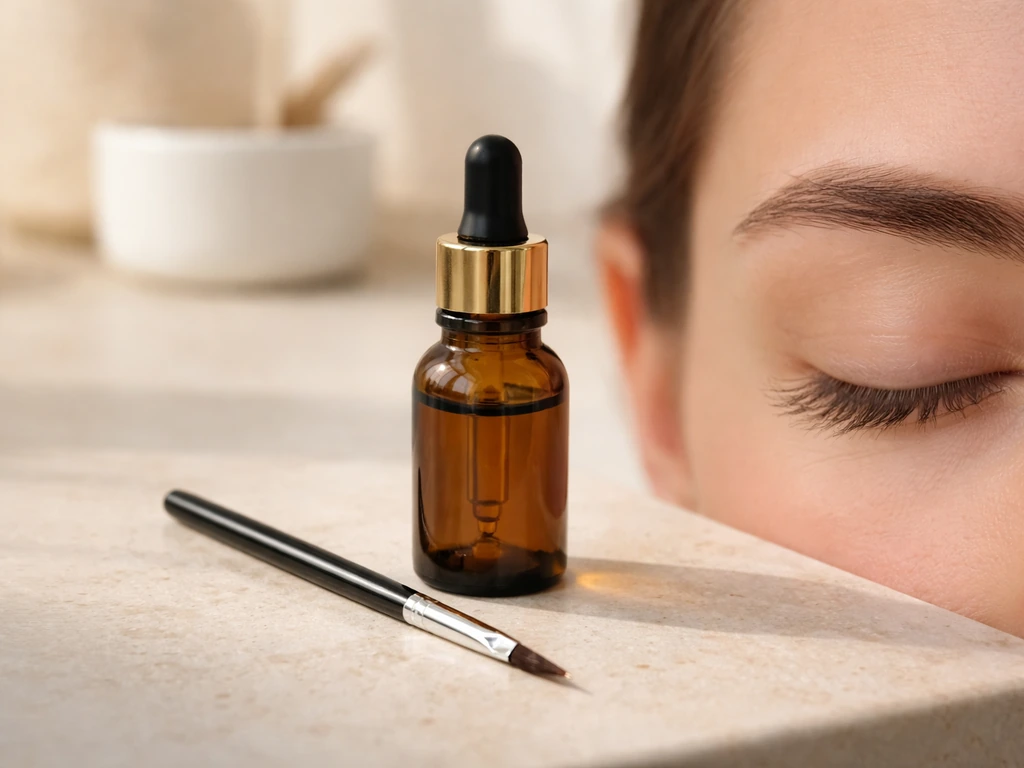
Castor oil is the most widely used natural option for brow growth, and while the clinical evidence is limited, there's a reasonable mechanism behind it. It's rich in ricinoleic acid, which may support circulation around follicles and create a protective coating on the hair shaft that reduces breakage. Thicker, less-broken hairs look darker. Use a clean spoolie or a fine brush to apply a small amount along the brow line every night before bed. The key word is small, a thin coating is enough. Too much leaves a greasy residue that attracts dust and can irritate skin around the eyes.
Rosemary oil
Rosemary oil has stronger research support than castor oil, particularly for hair growth stimulation. A well-cited 2015 study found rosemary oil comparable to 2% minoxidil for scalp hair regrowth over 6 months, with less scalp itching. For brows, you'd use it diluted, 2 to 3 drops of rosemary essential oil in about a teaspoon of a carrier oil like jojoba or argan. Apply this to brows nightly, massaging in gently with a fingertip. The dilution matters because undiluted essential oils can cause contact dermatitis around the sensitive eye area.
Grooming habits that help brows look darker
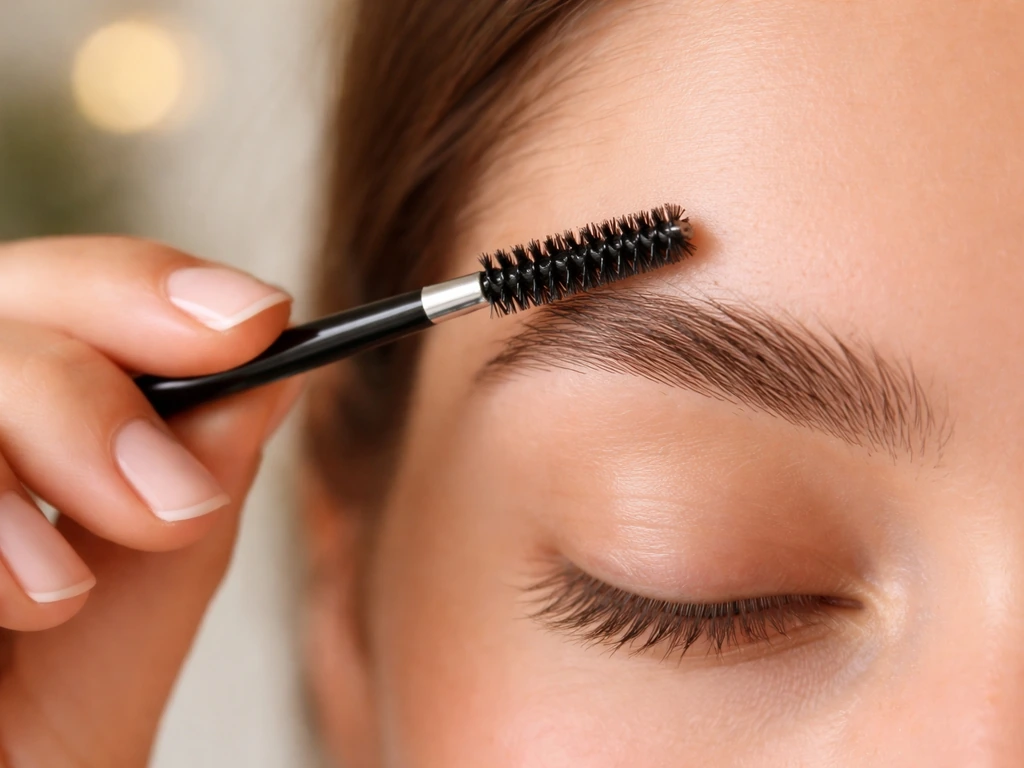
Brushing brows upward and outward daily with a spoolie not only trains hairs to grow in a flattering direction, it also creates the visual density that makes brows look darker and fuller. This tiny habit takes 20 seconds and makes a real difference. Also, trimming rather than plucking stray hairs preserves follicles while keeping brows tidy. If you do need to shape, tweeze as minimally as possible and always in the direction of growth.
Nutrition and internal support
Hair pigmentation and growth are both affected by nutrition. Biotin (vitamin B7) gets a lot of attention but is genuinely helpful mainly if you're deficient, which is more common than people think. More impactful across the board: adequate protein (hair is made of keratin, a protein), iron (low iron is a documented cause of hair shedding), and zinc. Vitamin D deficiency has also been linked to hair loss. If your brows are stubbornly thin, a basic blood panel checking ferritin, vitamin D, and thyroid function is worth getting, these are the most common fixable culprits.
Evidence-based options that actually move the needle
Minoxidil for eyebrows
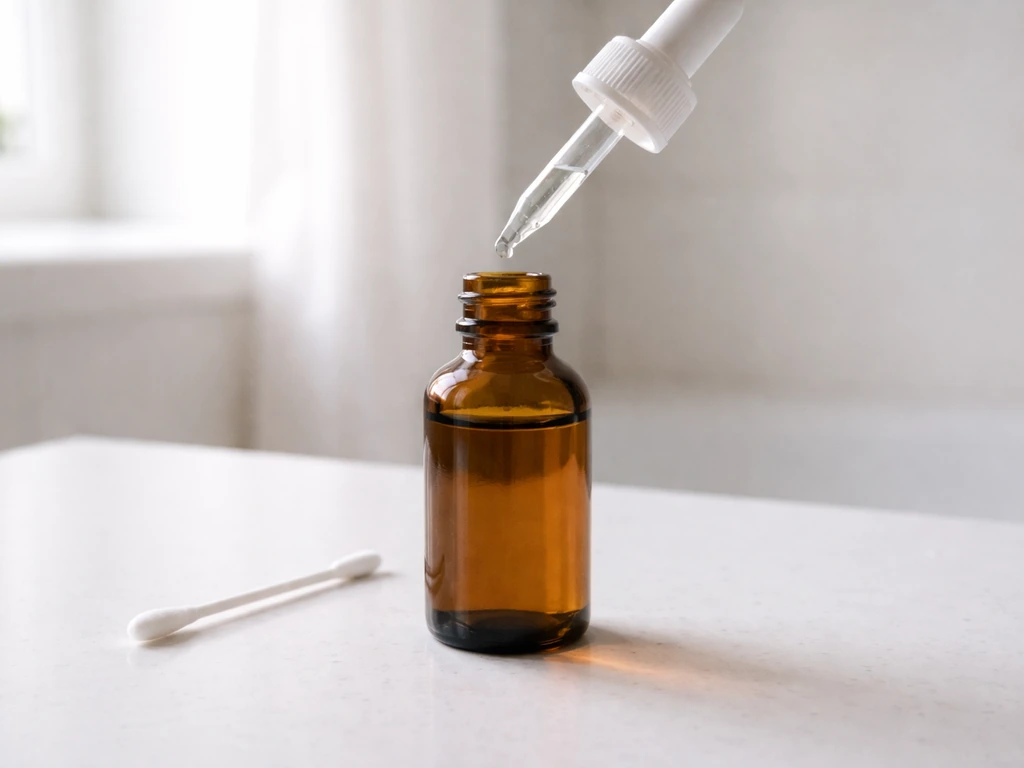
Minoxidil is the most evidence-backed topical for hair regrowth and is increasingly used off-label for brows. It was originally developed for scalp hair loss, but small studies and case reports have shown it can stimulate eyebrow growth, particularly in people with eyebrow alopecia. It works by prolonging the anagen phase and increasing blood flow to the follicle, which encourages thicker, darker hairs.
For brow use, the 2% solution (not foam, not 5% to start) is the version most commonly recommended by dermatologists for the eye area because the skin is thinner and more sensitive there. Apply a very small amount, literally one drop per brow, once daily using a cotton swab or fingertip, keeping it away from the eyelid margin and eyes themselves. Do not apply more thinking it will work faster; it won't, and you increase the risk of systemic absorption and side effects like headaches or unwanted facial hair growth in surrounding areas.
Realistically, minoxidil takes 3 to 4 months to produce visible results, with the best outcomes typically seen at the 6-month mark. Some initial shedding (called the "dread shed") can happen in the first 4 to 6 weeks as it pushes resting hairs out to make room for new anagen hairs, this is normal and not a sign it's not working. If you stop using it, gains will gradually reverse over the following months, so it's more of a long-term tool than a one-time fix.
Bimatoprost (prescription)
Bimatoprost is a prostaglandin analog originally used for glaucoma that was later approved as Latisse for eyelash growth. Dermatologists sometimes prescribe it off-label for eyebrows with good results, it can increase both length and pigmentation of brow hairs. It requires a prescription, costs more, and carries risks including potential darkening of the surrounding skin and iris color changes with repeated eye exposure. If you've tried minoxidil for 6 months without satisfying results, this is worth discussing with a dermatologist.
Peptide serums
Over-the-counter brow growth serums containing peptides like myristoyl pentapeptide-17 or biotinoyl tripeptide-1 have some supporting evidence for stimulating keratin production and modestly improving density. They're not as potent as minoxidil, but they're a reasonable option for people who don't want to use a pharmaceutical, and they tend to be well-tolerated. Use them once or twice daily according to package directions, and give them at least 3 months before assessing.
How to build your darker-brows routine
The most effective approach layers a few simple steps rather than doing one thing intensely. Here's how to structure it across a week:
- Every morning: Brush brows upward with a clean spoolie for 20 to 30 seconds. This trains growth direction and adds instant visual density.
- Every night: Apply your chosen growth treatment (diluted rosemary oil, castor oil, or a peptide serum) using a spoolie or fine brush. Use a minimal amount — a thin coating along each brow, not a thick layer.
- If using minoxidil: Apply one drop per brow with a cotton swab once daily (evening is fine). Wait 10 minutes before applying any other product over it, and wash hands immediately after.
- Once or twice a week: Gently exfoliate the brow area with a damp washcloth using small circular motions. This removes dead skin and keeps follicles clear.
- Every 4 to 6 weeks: Assess what's growing in. Trim any hairs that are clearly out of the shape you want, but avoid plucking new fine hairs that could thicken over time.
- Monthly: Check whether the skin under your brows is reacting. Redness, flaking, or persistent irritation means you need to dial back frequency or switch products.
Don't layer multiple growth treatments at the same time. If you're using minoxidil, that's your primary treatment, add the spoolie habit and nutrition support, but skip the oil routine on the same nights to avoid overloading the skin. If you're going the natural route without minoxidil, alternating castor oil and diluted rosemary oil (one on weekdays, the other on weekends) works well without causing buildup.
How long this actually takes and what to do if results are slow
| Approach | When to expect visible change | Full results timeline |
|---|---|---|
| Castor oil (nightly) | 6 to 8 weeks (subtle) | 4 to 6 months |
| Rosemary oil (diluted, nightly) | 6 to 10 weeks | 4 to 6 months |
| Peptide serum | 8 to 12 weeks | 4 to 6 months |
| Minoxidil 2% (once daily) | 3 to 4 months | 6 months for full effect |
| Bimatoprost (prescription) | 2 to 3 months | 4 to 6 months |
| Grooming + nutrition changes only | 2 to 4 weeks (visual effect) | Ongoing maintenance |
If you've been consistent for 3 months and see no change at all, that's worth investigating. The most common reasons for stalled progress are: an underlying deficiency (iron, vitamin D, thyroid) suppressing hair growth, using too much product and irritating the follicles, or genuinely damaged follicles from years of aggressive waxing or threading. Patchiness that doesn't fill in after a full 6-month consistent effort is a signal to see a dermatologist rather than keep piling on more products.
Light, fine hairs that won't darken despite good density are often a genetics or aging issue. As melanocyte activity decreases with age, individual hairs produce less eumelanin and appear lighter. No topical oil or serum is going to reverse that process at the follicle level, tinted brow products or eyebrow tinting services are the realistic solution there, and there's no shame in combining cosmetic help with a growth routine.
Avoiding irritation and the mistakes that slow you down
The eye area is some of the most sensitive skin on your face, and a lot of people accidentally set their progress back by doing too much. Here are the things worth being careful about:
- Always patch test new oils or serums on your inner forearm for 24 hours before applying to brows. Allergic contact dermatitis from essential oils is more common than people expect, and the eye area will react faster and more dramatically.
- Do not apply castor oil or any thick oil to the inner corner or eyelid margin. It can migrate into the eye overnight and cause irritation or blurred vision.
- Avoid using coconut oil on brows if you're acne-prone — it's highly comedogenic and can cause bumps along the brow line that disrupt follicles.
- Don't use minoxidil more than once daily, and don't combine it with other active treatments like retinol in the same area on the same night.
- Skip the brow area when using strong exfoliants like AHAs, BHAs, or retinol serums. These can thin the skin around follicles and cause irritation that disrupts growth.
- If you develop itching, redness, or flaking under or around the brows, take a full week off all products before trying to reintroduce anything.
- See a dermatologist if you notice sudden symmetric eyebrow loss, loss that includes eyebrow outer thirds specifically, or loss accompanied by other symptoms — these can indicate thyroid disease, alopecia areata, or other conditions that need treatment, not just topicals.
One more thing worth noting: eyebrow growth sits in a wider conversation about brow shape and positioning. Learning how to grow your eyebrows closer together also means paying attention to positioning so you don't end up with gaps where hair needs to be removed later brow shape and positioning. If you're also thinking about how your brows relate to facial features, whether they should grow closer together, further apart, or fuller across specific zones, those goals are worth factoring into your grooming strategy from the start, since you don't want to regrow hairs in areas you'd then need to remove.
The bottom line is this: commit to one clear routine, give it at least 3 months before judging it, and don't overcomplicate it with too many products at once. Consistent nightly application of a well-chosen oil or serum, combined with daily brushing and basic nutrition support, will produce real results for most people. Add minoxidil if you want to accelerate and are comfortable with a pharmaceutical approach. And if after 6 months things still aren't moving, that's not a failure, it's just information that something else needs investigating.
FAQ
How long does it take for eyebrow regrowth to actually look darker?
If you want darker brows, you need both pigment and density. Once your hair is growing back, pigment often returns naturally, but visible darkness can lag because new hairs start fine and gradually thicken. Focus on consistent growth support for at least 3 to 4 months before judging color, and consider temporary help (like a brow tint) if you need an immediate look while new hairs mature.
My brows are filling in but staying light, does that mean the products are failing?
A quick test is to stop any hair removal for a full growth window and watch for “stubble” that emerges from previously thinned areas. If you see hairs returning but they still look lighter, that points to maturation and pigment variation (common with age or genetics). If you see almost no new growth after 4 to 6 months, it raises the odds of follicle damage, dermatitis, or an underlying deficiency that needs targeted evaluation.
How do I know if minoxidil is working for eyebrow darkness before full results?
With minoxidil, the first signs can be small changes (slower shedding, more short hairs) before you see true thickness. Avoid switching brands or doubling frequency in the first 6 to 8 weeks. If there is zero change by around 3 months, reassess irritation, application accuracy, and whether your brows were actually able to respond (for example, if you have longstanding alopecia or follicle scarring).
What should I do if my brows or eyelids get irritated from oils or minoxidil?
Do not apply growth products to the eyelid margin or inside the eye area, and use a cotton swab or fingertip sized amount. If you get redness, burning, flaky skin, or eye watering, stop and switch to a gentler routine (like brushing plus diluted oil, or pausing completely until skin calms). For persistent irritation, a dermatologist can help rule out contact dermatitis and guide safer alternatives.
Can makeup, brow wax, or skincare products prevent my brows from getting darker?
Hair gels, heavy eye makeup removers, and thick night creams can create buildup that makes it harder for serums or oils to contact the skin and can also clog follicles. Keep the brow area clean, remove makeup thoroughly, and avoid layering multiple sticky products at night. If you use tint or dye, pause growth treatments for a few days after to let the skin recover.
Why are there bald spots that never fill in after I stop plucking?
Over-plucking often causes “permanent-looking” gaps because damaged follicles may not restart their full growth cycle. Instead of repeatedly tweezing, trim what you need to shape, and let any questionable areas rest for at least 6 months. If gaps persist after a full effort, consider a clinician evaluation, especially if you have patchy loss or eyebrow alopecia.
Is it okay to target only the thinner parts of my eyebrows, or should I treat the whole brow?
Yes, but think of it as zoning. Brush and apply product to the areas you want thicker, and avoid concentrating too heavily on the inner tail or near the eyelid, where spread can increase the chance of irritation or unwanted changes. If you have one brow that’s sparser, you may need to keep both brows in the same routine so you can compare growth fairly over time.
What nutrition checks actually matter if my eyebrows stay thin?
Yes. Nutrition affects growth, especially if you are low in iron stores or vitamin D. A practical next step is asking your clinician for labs that include ferritin, vitamin D, and thyroid markers, and only then supplementing. Also watch protein intake, because low-calorie diets and low protein often show up as hair thinning first.
Can water exposure or hair washing routines affect brow darkness and growth?
Saltwater, chlorine, and frequent hot shower steam can worsen dryness and breakage, making brows look lighter even when growth is happening. After swimming, gently rinse and avoid scrubbing the brow line. A light, thin coating of oil at night (not a greasy layer) can help protect against breakage, but don’t combine too many heavy products that clog pores.
When should I stop experimenting and see a dermatologist for eyebrow thinning?
Patchy, fast-changing loss, significant scaling, itch, or eyebrow thinning that resembles a “map” can indicate conditions beyond simple shedding (like dermatitis or alopecia). If you have these signs, or if there’s no improvement after about 6 months of consistent effort, it’s reasonable to see a dermatologist sooner rather than adding more products.
If my hairs are naturally light, can I ever make them truly as dark as my old brows?
Genetics and aging can limit how dark individual hairs get. In that case, growth products may increase density, but darkness still might not reach what you want. A realistic approach is pairing density building with cosmetic pigment support, like tinting or using a brow pencil to blend new growth until hairs mature.
What’s the safest way to combine different eyebrow growth products without irritating my skin?
If you’re using both a growth oil/serum and minoxidil, avoid doing it all at once. The article’s approach makes a simple decision rule: choose one “main treatment” (usually minoxidil), and keep any additional products minimal and infrequent to prevent irritation. If you go natural only, alternating oils by days can reduce buildup while staying consistent.
Next Article
How to Grow Brow Ridge Naturally: Step-by-Step Guide
Step-by-step natural routine to grow fuller brow ridges, fix thinning from overplucking, and set timelines safely.