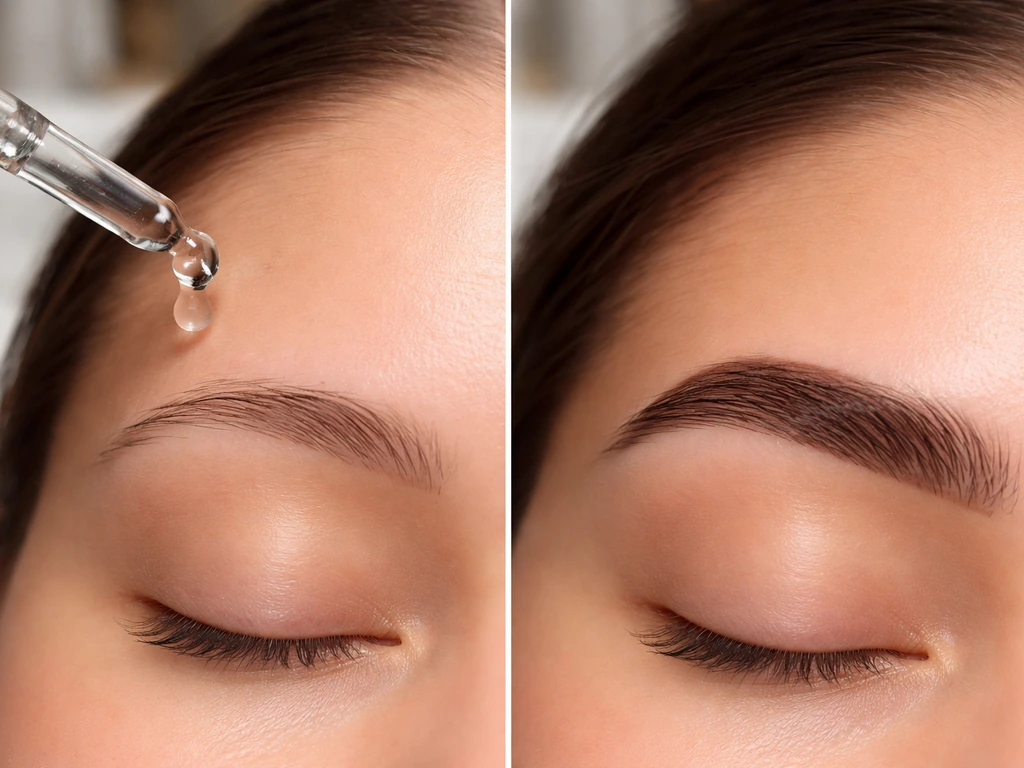
You can encourage sparse eyebrows to fill in, but how much they grow back depends heavily on why they're sparse in the first place. If your follicles are still intact (which is the case for most people dealing with over-tweezing, stress, or hormonal thinning), consistent care over 3 to 6 months can make a real, visible difference. If the follicles have been permanently scarred, regrowth won't happen without medical intervention. This guide walks you through both scenarios, starting with the most common causes and working up to the most effective strategies, including natural remedies, evidence-based treatments, and realistic timelines.
How to Grow Sparse Eyebrows: Natural Methods and Minoxidil Tips
James Whitmore
30 Jun 2026
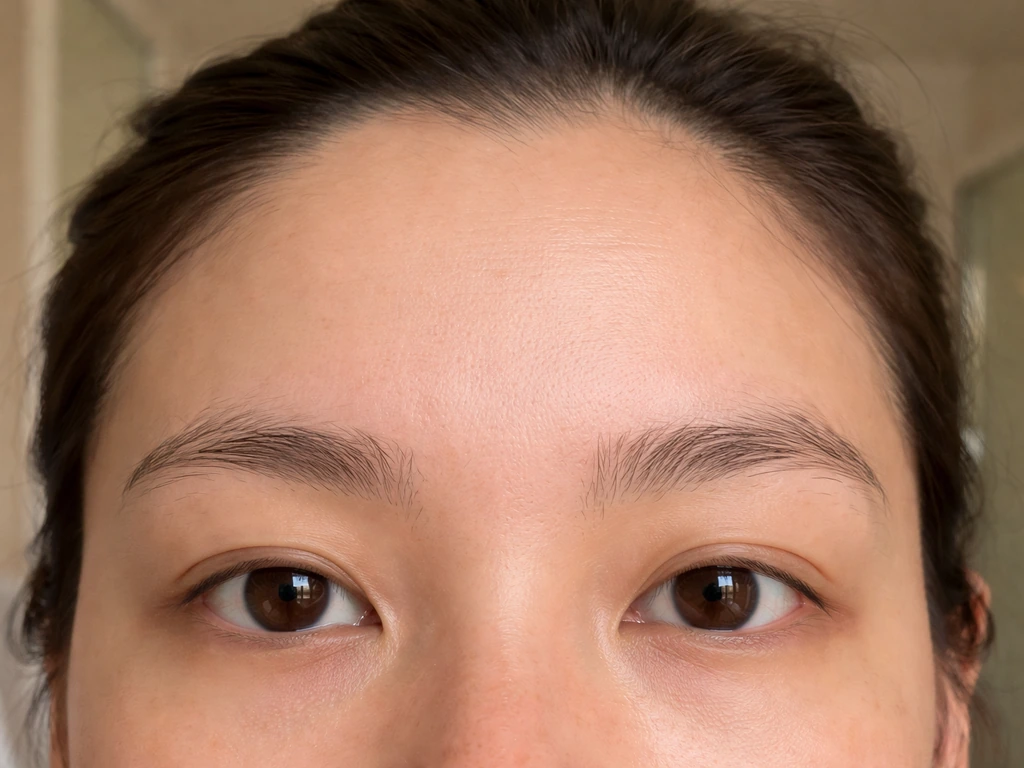
Why your eyebrows are sparse or patchy
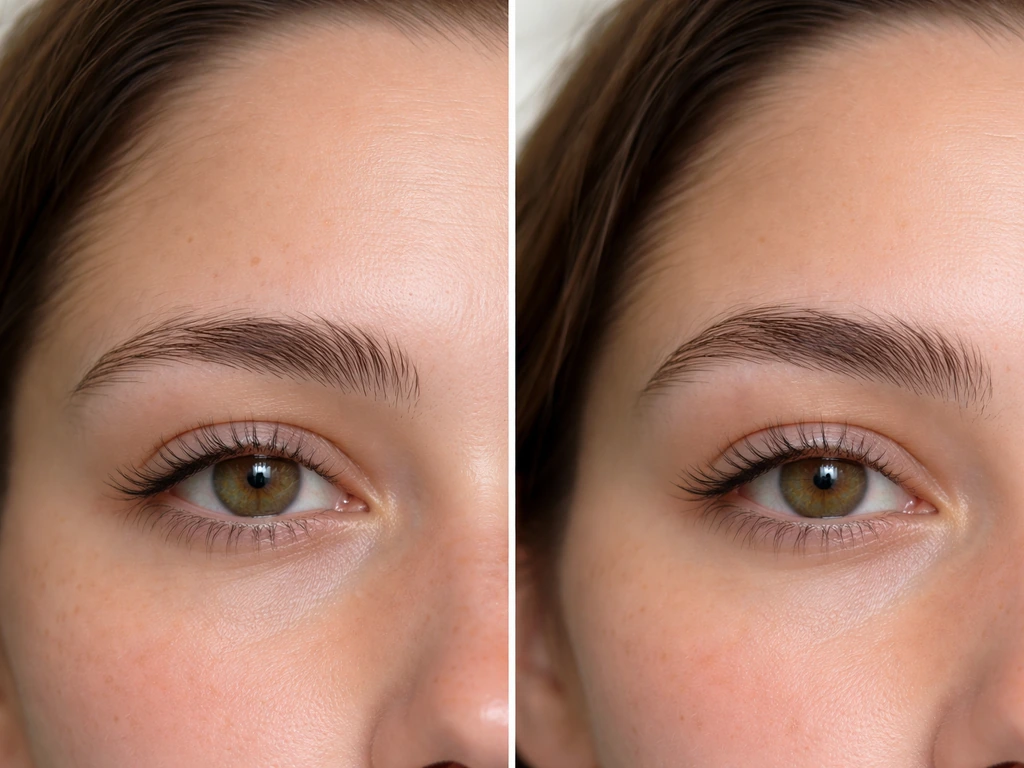
Sparse eyebrows have a surprisingly wide range of causes, and identifying yours matters because it determines whether you're dealing with a reversible problem or something that needs a dermatologist's attention.
The most common culprit is over-tweezing or over-waxing. Years of aggressive shaping gradually traumatize the follicles, and some never fully recover. But most cases of thinning from grooming are reversible if you stop the damage early enough. Genetics also plays a role: some people are simply born with finer, sparser brow hair, and no routine will transform them into thick, full arches. That's not a failure of your regimen, it's just biology.
Hormonal shifts are another common driver. Thyroid disorders (both hypo and hyperthyroidism), low estrogen, and telogen effluvium (the diffuse shedding that follows stress, illness, or nutritional deficiency) can all thin your brows. If you noticed your brows thinning alongside hair loss elsewhere on your body, a blood panel is worth running before you invest in a growth routine.
Skin conditions like contact dermatitis, eczema, and folliculitis (infection or inflammation of the hair follicles) can also cause patchiness, according to the Cleveland Clinic. These inflame the follicle environment and disrupt normal growth cycles. Alopecia areata, an autoimmune condition where the immune system attacks hair follicles, is a less common but important cause of patchy eyebrow loss. It tends to create distinct oval or circular bald patches rather than diffuse thinning.
The most serious scenario is scarring alopecia. Conditions like frontal fibrosing alopecia (FFA) cause inflammation deep in the follicle that eventually leads to fibrosis and permanent follicle destruction. The key clinical sign is the absence of follicular openings, which is why dermatologists use a tool called a dermatoscope or trichoscope to assess follicle condition. If follicular orifices are missing, the loss is likely permanent, and topical treatments won't reverse it. A dermatologist referral is the right move if you're seeing brow loss alongside scalp hairline recession, redness, or scaling at the brow margins.
How eyebrow hair growth actually works
Eyebrow hair grows in cycles, just like scalp hair, but the proportions are very different. The cycle has four phases: anagen (active growth), catagen (regression), telogen (resting), and exogen (shedding). Scalp hair spends years in anagen, which is why it can grow so long. Eyebrow hair, by contrast, has a much shorter anagen phase, typically just 4 to 6 weeks, and spends a comparatively large portion of its cycle in telogen rest. This is why eyebrow hair stays short and why regrowing it takes patience: only a fraction of your follicles are actively growing at any given time.
The good news is that the follicle's bulge region contains stem cells that can reactivate the follicle and regenerate the lower hair structure at the start of each anagen phase. This means that as long as the follicle is structurally intact (not scarred), it has the capacity to produce new hair. Treatments and routines that encourage regrowth are essentially trying to nudge more follicles into anagen and keep them there longer. That process is slow by design, which is why you should expect months, not weeks, before seeing results.
Building a simple at-home routine
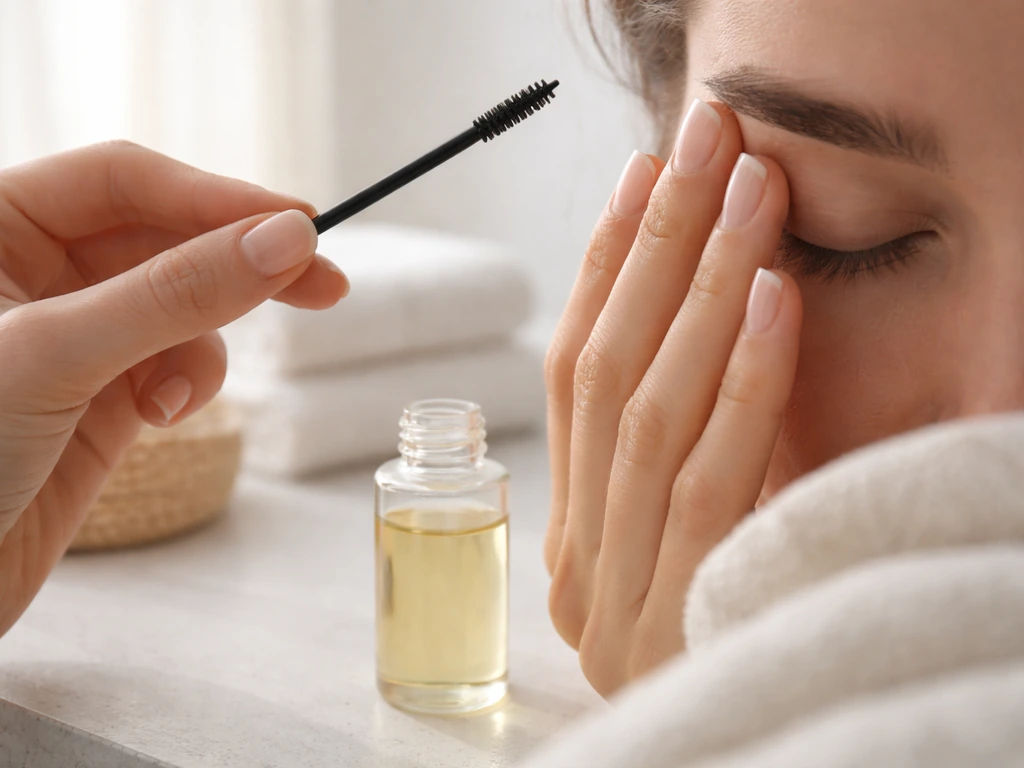
Before anything else: stop all aggressive grooming. No tweezing, threading, or waxing for at least 3 months. I know that's frustrating when your brows look uneven, but every time you remove a hair from a follicle that's already struggling, you're resetting its growth clock and potentially adding more stress to a follicle that needs to recover. Use a brow pencil to fill in gaps while you wait. That's not giving up, it's just being strategic. If you're aiming for how to grow fluffy brows, treat your brows like recovery time matters more than quick fixes.
Add a daily brow massage to your routine. Spend 30 to 60 seconds each morning using your ring fingers to gently massage the brow area in small circular motions. The goal is to increase blood circulation to the follicles, which delivers the oxygen and nutrients they need during anagen. This is low-risk, free, and genuinely useful when done consistently. Don't press hard, you're not trying to scrub the skin, just encourage circulation.
When you do eventually tidy stray hairs, stick to a light touch. Tweeze only the hairs that are genuinely outside your brow's natural shape, and use a sharp, clean tweezer to minimize trauma to the follicle. Never tweeze the hairs within the brow itself while you're trying to fill in sparse areas. And always groom in good lighting so you don't accidentally remove hairs that are part of the regrowth you're working toward.
Sun protection matters more than most people realize. The skin over the brow area is thin and frequently exposed. UV damage can inflame the follicle environment and contribute to thinning over time. A daily SPF on and around your brows (applied carefully to avoid the eyes) is a genuinely protective habit, not just a skincare cliché.
Natural ingredients worth trying (with honest expectations)
Castor oil is the ingredient most people reach for first, and I'll be straight with you: the scientific evidence for it actively accelerating hair growth is weak. A systematic review found no strong evidence supporting castor oil as a hair growth treatment. That said, castor oil is an excellent emollient. It coats and conditions existing brow hairs, making them appear thicker and more defined, and it keeps the follicle area moisturized, which is a decent environment for growth. So use it if you like it, just don't expect it to be the thing that transforms your brows. Apply a tiny amount with a clean spoolie or cotton swab each night, let it sit overnight, and rinse in the morning.
Rosemary oil has more interesting evidence behind it. A small but well-cited study found that rosemary oil performed comparably to 2% minoxidil for scalp hair regrowth after 6 months. Whether that translates directly to brows is uncertain, but the mechanism (improved circulation and possible DHT-inhibiting effects) is plausible for follicle stimulation. The critical thing here is dilution. Rosemary is an essential oil and must be diluted in a carrier oil (like jojoba or sweet almond oil) before applying to skin, typically at a 1 to 2% concentration, meaning 1 to 2 drops per teaspoon of carrier oil. Applying it undiluted risks contact dermatitis, which would actively make your situation worse. Always do a patch test on your inner arm first and wait 24 hours before applying it near your eyes.
Peptide-rich serums formulated specifically for brows are another option in this category. Look for ingredients like biotin, keratin-supporting peptides, and panthenol. These won't dramatically regrow brows from scratch, but they support the health of existing follicles and the structural integrity of the hair shaft. If you're comparing serum options, that's a whole topic in itself with products worth evaluating individually. If you're specifically shopping for the best serum to grow eyebrows, focus on formulas that support follicle health and pair them with a consistent growth routine brow serums.
| Ingredient | What the evidence says | How to use it | Realistic expectation |
|---|---|---|---|
| Castor oil | No strong evidence for growth; good for conditioning | Apply with spoolie nightly, rinse morning | Fuller-looking existing hairs; minimal regrowth effect |
| Rosemary oil (diluted) | Small studies suggest possible follicle stimulation | 1-2% dilution in carrier oil, nightly, after patch test | Possible modest regrowth after 3-6 months |
| Peptide brow serums | Supportive ingredient profiles; limited direct brow studies | Apply per product instructions, usually morning or night | Healthier, stronger existing hairs over time |
| Biotin (oral) | Deficiency link to hair loss; supplements only help if deficient | Only relevant if bloodwork shows deficiency | Minimal effect if you're not actually deficient |
When to consider minoxidil for your brows
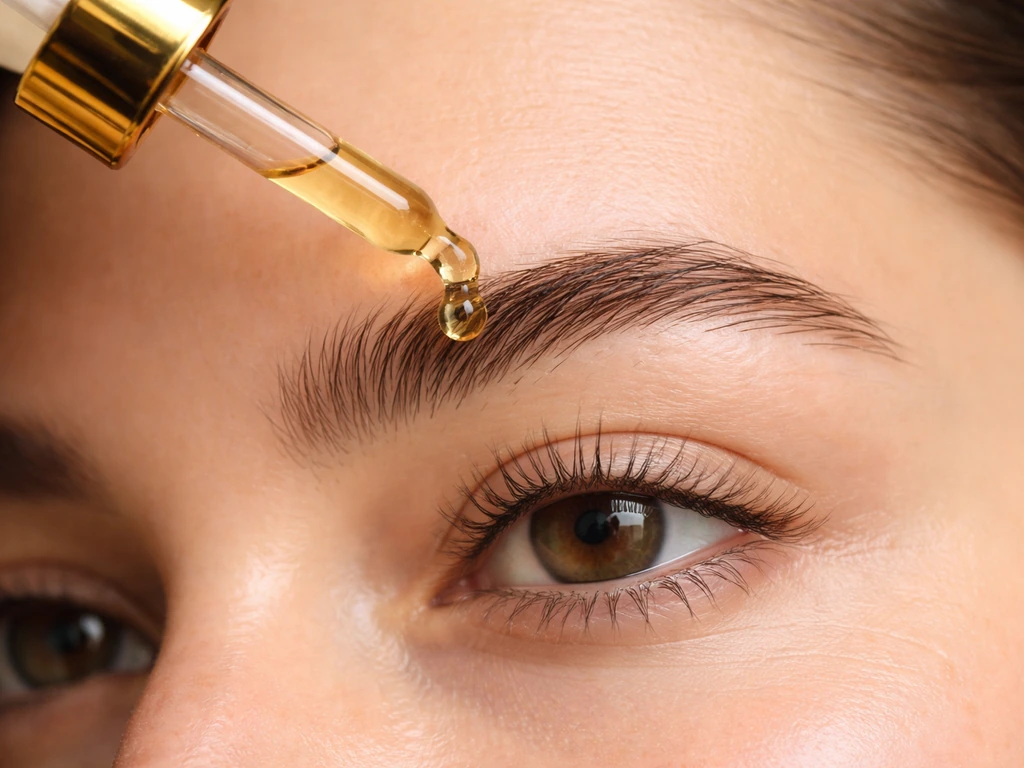
Minoxidil is the most evidence-backed topical option for stimulating hair regrowth, and it's used off-label for eyebrows. If you want the best product to grow brows, minoxidil is usually the most evidence-backed option for stimulating regrowth. It works by prolonging the anagen phase and improving blood supply to follicles. A study in JAMA Dermatology found a higher response rate with 5% topical minoxidil compared to 1% in alopecia areata patients, suggesting a dose-response relationship. For brow use, most off-label protocols use a small amount of 2% or 5% solution or foam applied once daily to the brow area.
Here's what you need to know before trying it. First, proximity to eyes is a real concern. Minoxidil can cause serious irritation if it gets into your eyes, and the brow area is close enough that careful application is essential. Use a cotton swab to apply a minimal amount precisely to the brow, let it dry completely before touching your face, and avoid applying it to broken or irritated skin. Second, the timeline is long: MedlinePlus states that at least 4 months of consistent use (and up to a year) are needed before seeing meaningful results. Third, if you stop using it, any new hair gained is likely to shed within a few months. This is a maintenance commitment, not a one-time fix.
Side effects to watch for include local irritation, itching, dryness, flaking, and burning at the application site. If the skin over your brows is sunburned or already inflamed, don't apply minoxidil there, compromised skin absorbs it more readily and the risk of side effects goes up. People with hypersensitivity to minoxidil or its components (including propylene glycol in some formulas, which is a common irritant) should avoid it. If you have cardiovascular concerns, speak to your doctor before starting, even with topical formulations.
Minoxidil is worth considering if natural methods haven't produced results after 3 to 4 months of consistent effort, if you have a diagnosed condition like alopecia areata where evidence specifically supports its use, or if you have significant sparse patches rather than just a few thin hairs. It's not a first-line choice for mildly thin brows, but it's a legitimate and reasonably well-studied option for people who need more.
Targeting specific sparse areas and patchy spots
The tail of the eyebrow (the outer third) is the most commonly sparse area, often the first place thinning shows up from over-grooming, hormonal changes, or aging. The arch and inner head of the brow are less frequently affected unless you're dealing with a systemic or autoimmune cause. Patchy spots (discrete areas with no hair) are more commonly associated with alopecia areata, trauma, or scarring.
For sparse areas within an otherwise present brow, the routine described above (massage, castor or rosemary oil, potentially minoxidil) can be focused specifically on those zones. Use a clean spoolie or fingertip to apply your chosen treatment directly to the sparse section rather than spreading it broadly. This concentrates the active ingredient and reduces unnecessary exposure near the eye.
For fully bald patches, you need to first determine whether the follicle is still alive. Press your finger gently on the patch and look closely in good light or with a magnifying mirror. If you can see small follicular openings (tiny dots or pores where hair would emerge), there's structural potential for regrowth. If the skin looks smooth, shiny, or tight with no visible follicle openings, that's a sign of possible scarring, and you should see a dermatologist before investing months in a regrowth routine that may not work. A dermatologist can use trichoscopy (a magnified scalp/skin scope) to assess follicular integrity properly.
Bald spots from alopecia areata are a specific case where minoxidil and corticosteroid treatments (prescribed by a doctor) have the most supporting evidence. If your patchy spots come and go or appeared suddenly, alopecia areata is worth investigating, and that's a conversation to have with a dermatologist rather than something to manage entirely on your own.
Realistic timelines and how to track your progress
Here's the honest version of the timeline. With a consistent natural routine (massage, grooming rest, topical oil or serum), expect to see faint new growth (baby hairs, often lighter and finer at first) within 6 to 10 weeks. If you're searching for rapid grow eyebrow serum reviews, focus on products that support regrowth timelines and avoid anything that irritates your skin topical oil or serum. Noticeable thickness improvement typically takes 3 to 4 months. Meaningful, full-looking regrowth takes 4 to 6 months minimum. With minoxidil, results typically appear after 4 months but can take up to a year. Mayo Clinic notes that if minoxidil leads to hair growth, it usually happens after several months of use and lasts only while treatment continues. None of these timelines are guarantees because individual variation based on your age, genetics, cause of thinning, and follicle health is significant.
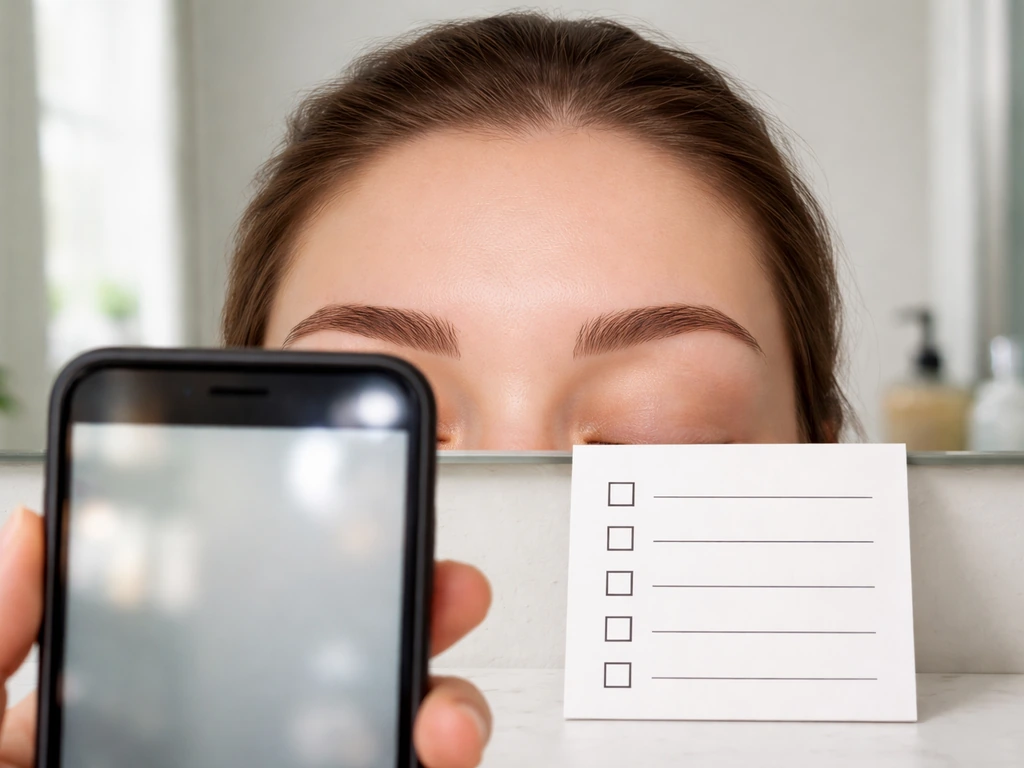
Track your progress by taking a close-up photo of your brows in the same lighting and position every 4 weeks. Day-to-day changes are too subtle to perceive, and without a baseline, it's easy to lose confidence in a routine that's actually working. When I did this myself, the 8-week and 12-week comparisons were the ones that showed clear progress. Looking in the mirror every day is a recipe for frustration.
When should you switch approaches or escalate? If you've been consistent with a natural routine for 3 months and see zero new growth, consider adding minoxidil or booking a dermatologist appointment. If you've been using minoxidil for 6 months without any visible change, a dermatology consult is the right next step to rule out scarring alopecia, a hormonal cause, or a condition like frontal fibrosing alopecia that requires different treatment entirely. Growing sparse eyebrows naturally is absolutely possible for many people, but it requires knowing when your situation calls for more than a home remedy. If you want a step-by-step plan for how to grow brows naturally, start by matching the routine to the cause of your thinning.
One final note on prevention: the most common reason people are back searching this topic a year later is because they resumed heavy grooming too soon. Once your brows recover, maintain a minimal-grooming approach. Keep the hairs you've worked to grow. Sparse brows are much easier to prevent than to fix after the fact.
FAQ
How long should I wait before I can tell if my brow growth routine is actually working?
Use a 4-week check-in with the same lighting and brow position, then decide at the 3-month mark. If you see zero baby hairs or no increased density by around 12 weeks, switch strategies (for example add minoxidil or get a dermatology evaluation), because waiting another few months can waste time if the follicles are damaged or the cause is medical.
Can I use rosemary oil or castor oil at the same time as minoxidil?
You generally can, but apply only one active at a time initially so you can identify irritation. If you tolerate both, keep application separate by timing (for example minoxidil in the morning, oil at night) and avoid stacking multiple products right next to the eye line to reduce the chance of contact dermatitis.
Is it safe to start minoxidil if my skin around the brows is flaky, irritated, or sunburned?
Avoid applying to compromised skin. If there is active redness, burning, eczema flare, or visible irritation, pause until the skin calms down, since damaged skin can absorb more minoxidil and increase the risk of stinging, flaking, and dermatitis.
What if my brows get worse after starting minoxidil, like more shedding?
A temporary increase in shedding can happen during the transition of growth cycles, but persistent worsening, severe itching, or swelling is a red flag. Stop and reassess if symptoms are intense or if you develop a rash, hives, or worsening irritation near the eye, and consider a clinician check.
How should I apply minoxidil to reduce the risk of it getting in my eyes?
Apply with a cotton swab using a minimal amount, keep the product strictly on the brow hairs and the immediate brow skin, and let it fully dry before touching your face. Also avoid applying right after cleansing when the skin is very damp, since spread is more likely.
What concentration of minoxidil is better for sparse brows, 2% or 5%?
Many off-label protocols start with 2% because it tends to be better tolerated, then move to 5% if you have minimal irritation and want a stronger attempt. If you are sensitive to propylene glycol or generally have reactive skin, 2% may be the safer first step.
Do I need to stop tweezing forever, or can I groom lightly while regrowing?
You do not have to never groom, but you should delay aggressive grooming and only tidy the perimeter later. Once regrowth starts, tweeze only obvious out-of-shape hairs outside the natural brow line, and avoid tweezing inside sparse zones, because each removed hair can reset local growth.
How can I tell if my sparse brows are more likely from alopecia areata versus over-tweezing or stress?
Alopecia areata often presents as distinct patchy areas that can appear suddenly and may come and go, sometimes with oval or circular bald patches. Over-tweezing and telogen effluvium typically cause more diffuse thinning or gradual reduction, especially along the tail, so the pattern over time matters.
Is eyebrow growth different in men vs women, or if I’m pregnant or trying to conceive?
The approach is similar for grooming and supportive routines, but minoxidil use deserves extra caution during pregnancy and while trying to conceive, because safety data for this use is limited. If this applies to you, discuss options with a clinician before starting any medication, even topical treatments.
What should I do if I develop irritation from a product like rosemary oil or minoxidil?
Stop the product, switch to gentle care (no actives) for a few days, and restart only if symptoms fully resolve. For essential oils, always dilute to the recommended low concentration and do a patch test away from the eyes first, since facial reactions can worsen quickly.
Are there any signs that mean I should see a dermatologist sooner rather than waiting for 6 months?
Yes. If you notice missing follicle openings with smooth, shiny skin, brow loss alongside scalp hairline recession, persistent redness or scaling at the brow margin, or sharply defined patches, get evaluated promptly. Early assessment matters because scarring alopecias and some autoimmune causes may not respond to home routines.
If I stop minoxidil after it works, will the new brow hair stay?
Usually no. The article notes that gained hair often sheds within a few months after stopping, so regrowth is more like maintenance than a one-time payoff. If you plan to discontinue, tapering can be discussed with a clinician, and be prepared for the possibility of partial loss.
Next Article
Best Product to Grow Brows Back: Serums, Oils, Minoxidil
Best products to regrow sparse eyebrows: serums, oils, and minoxidil options with safe use, timelines, and ingredients t