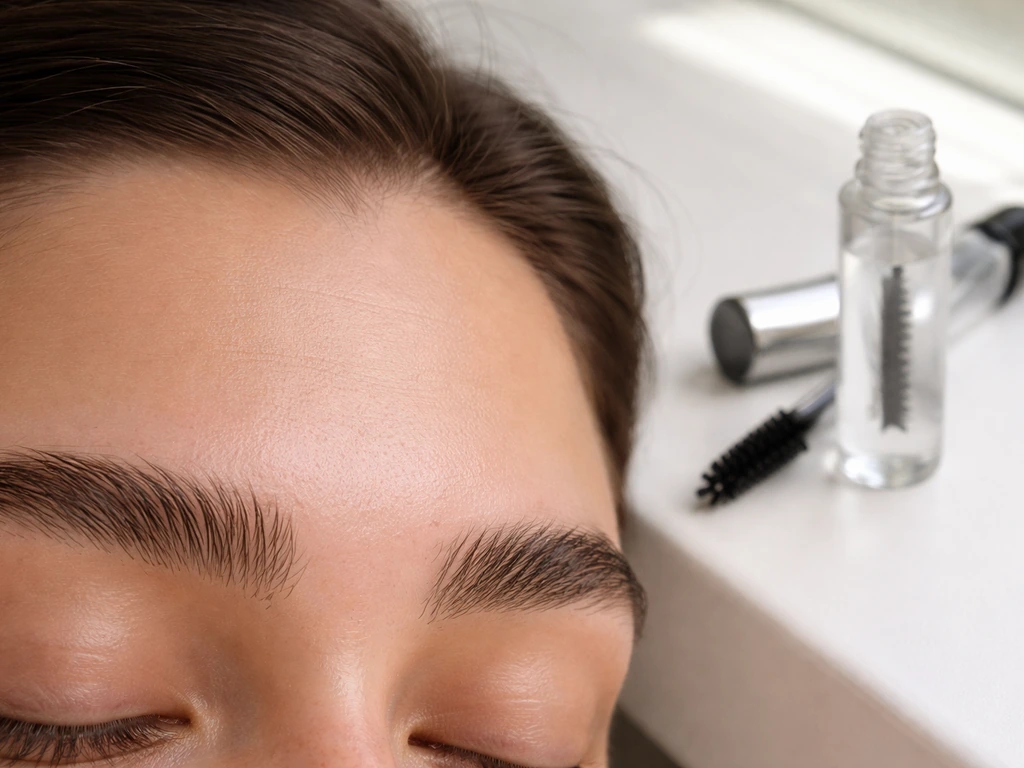
Growing out your eyebrows takes about 3 to 4 months to see real, noticeable improvement, and the awkward phase is real. If your eyebrows grow upwards, it can be related to how your hair is currently growing during the active phase, so the same timeline of eyebrow growth is a helpful comparison point why do my eyebrows grow upwards. But you don't have to look unkempt while you wait. The key is combining smart shaping and filling techniques to keep your brows looking intentional right now, while using a few evidence-backed growth boosters to make the most of every hair follicle you have.
How to Grow Out Eyebrows Without Looking Bad: A Plan

James Whitmore
19 Jun 2026
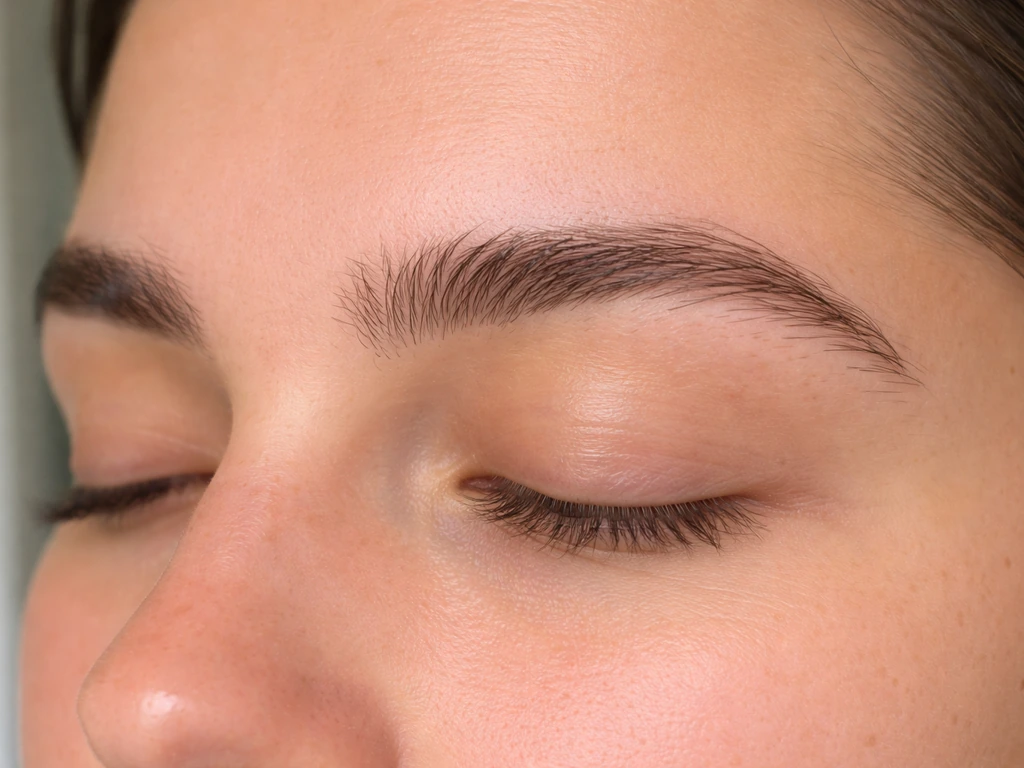
What to realistically expect and when
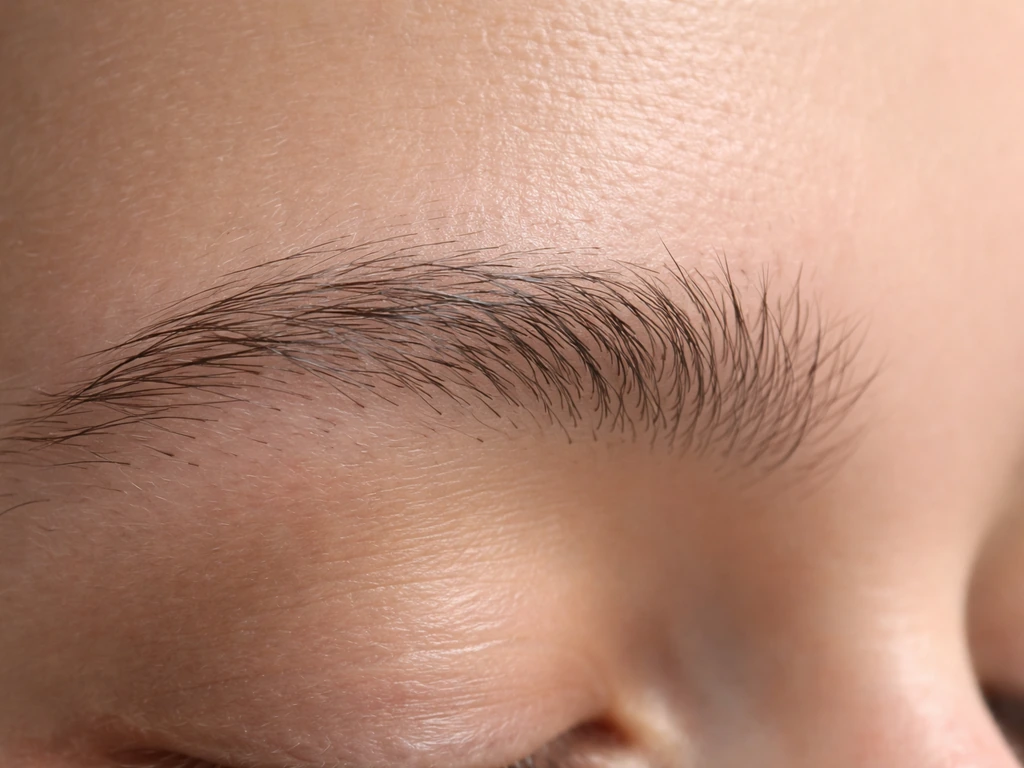
Eyebrow hair has a much shorter growth cycle than scalp hair. DermWiki also summarizes the standard hair growth-cycle phases of anagen, catagen, and telogen, and notes that eyebrow hair completes its cycle over a much shorter timeframe than scalp hair blank" rel="noopener noreferrer">Eyebrow hair has a much shorter growth cycle than scalp hair.. The active growing phase (anagen) lasts only about 2 to 3 months, followed by a brief transitional phase (catagen) of 2 to 3 weeks, and then a resting phase (telogen) of another 2 to 3 months. Compare that to scalp hair, where anagen can last several years. This is exactly why your brows don't grow past a certain length and why regrowth can feel frustratingly slow, especially if follicles were repeatedly stressed by waxing or overplucking.
In practical terms: you'll likely notice the first short, stubbly hairs filling sparse areas within 4 to 6 weeks. But they'll look uneven and patchy at that stage. Meaningful density and shape improvement usually shows up around the 3-month mark. A full grow-out, especially if follicles were damaged, can take 4 to 6 months. If you've been plucking the same spot for years, some follicles may produce finer, slower-growing hairs or may not return at all. Be honest with yourself about that possibility early, so you can plan around it rather than keep waiting indefinitely.
How to get through the awkward phase without looking patchy
The biggest mistake people make is either over-trimming in a panic or leaving brows completely untouched and ungroomed. Neither works. The goal during a grow-out is controlled, minimal grooming: you clean up only what's truly disruptive to the shape while keeping every hair that could eventually fill in a gap.
Trimming without making gaps worse
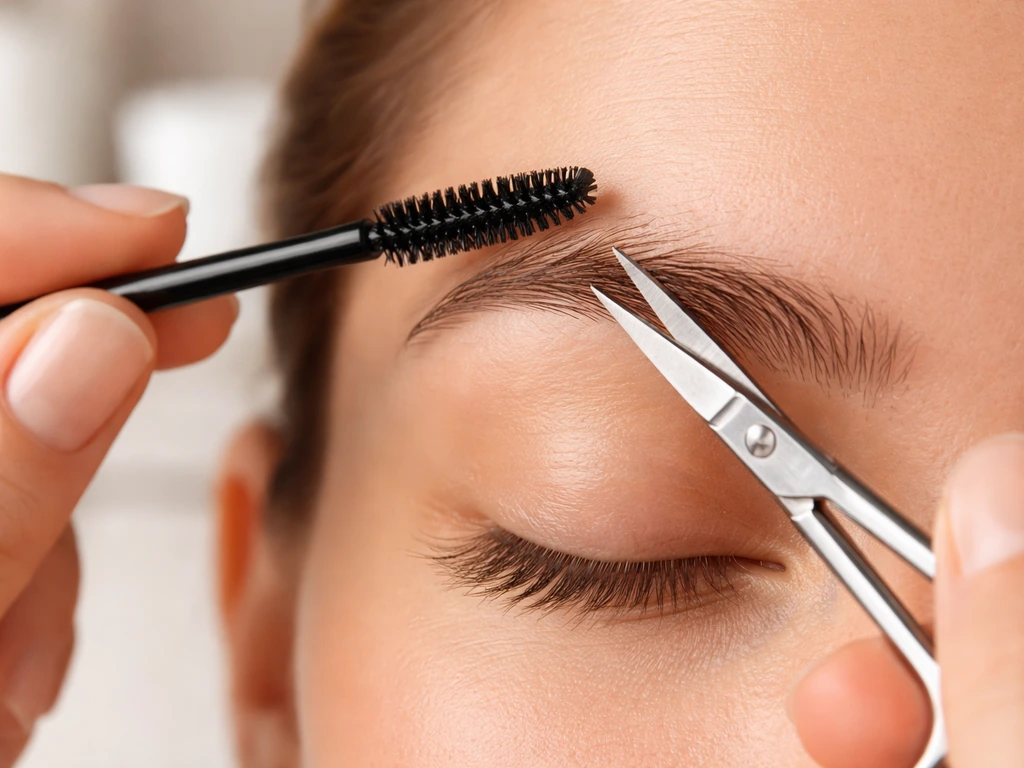
Use a small spoolie and tiny scissors. Brush hairs upward, and only trim hairs that extend significantly beyond your desired brow line. Don't touch the area below or above where you want fullness. To train your eyebrows to grow in the right direction, focus on gentle daily grooming that guides hairs without pulling out the newest growth. Leave any short, new hairs alone even if they seem out of place, because they're exactly what you're trying to cultivate. Tweezing individual stray hairs far below the brow arch is fine. Waxing or threading the whole brow is not, because it pulls out the newest, most fragile hairs.
Defining the brow while you wait
The single best product during a grow-out is a tinted brow gel or a micro-tip brow pencil in a shade that matches your natural hair. These let you draw in the illusion of density without covering your skin with heavy product that can clog follicles. Use short, hair-like strokes rather than filling in solid blocks of color. If you have gaps toward the tail of the brow (one of the most common problem spots), a fine angled brush with brow powder blended lightly gives a softer, more natural look than a pencil alone. Avoid waterproof formulas daily if possible, as the removers required are typically harsher than standard micellar water or oil-based cleansers.
A clear or tinted setting gel used every morning also trains hairs to lie flat and in the right direction, which makes sparse brows look more intentional and polished. If you're dealing with hairs that grow in opposing directions or swirl, which is actually very common, consistent brushing and gelling each day can start to redirect growth over weeks. There's more depth to why brows grow in different directions depending on your anatomy and genetics, which is worth understanding if unruly texture is part of your issue.
Growth boosters that actually have evidence behind them

Let's be direct: no topical product will make dormant or dead follicles regrow hair. But for follicles that are just sluggish or recovering, certain ingredients do have real support.
| Ingredient | Evidence Level | How to Use | Realistic Expectation |
|---|---|---|---|
| Castor oil | Low (anecdotal + some in-vitro data) | Apply a small amount with a clean spoolie nightly | May condition existing hairs and marginally support follicle environment; won't dramatically regrow lost brows |
| Rosemary oil (diluted) | Moderate (comparable to minoxidil 2% in one scalp study) | 2–3 drops in a carrier oil, apply nightly | Promising circulation booster; takes 3–6 months to assess results |
| Peptides (e.g., biotinoyl tripeptide-1) | Moderate (used in serum formulations with positive clinical trials) | Use a dedicated brow serum once or twice daily | Can improve density and thickness over 8–16 weeks |
| Biotin (oral) | Low for topical benefit; moderate only if you're actually deficient | Not generally needed unless bloodwork confirms deficiency | Won't help if your levels are already normal; popular but overhyped for most people |
Rosemary oil gets a lot of attention, and it's one I'd actually suggest trying. The evidence on scalp hair growth is real enough to make it worth a few months of consistent use, and the risk profile is very low when diluted properly (about 2 to 3 drops in a carrier like jojoba or almond oil). The main caveat is patience. You won't see anything useful in two weeks. Give it 10 to 12 weeks of nightly use before deciding it's not working.
Biotin supplements are widely marketed for hair growth, but unless you have a confirmed deficiency (which is actually uncommon), adding more biotin on top of normal levels doesn't do much. If you want to take a supplement, look for a general hair and nail formula with zinc, iron, and vitamin D, as deficiencies in these are far more common and far more likely to be impacting your regrowth.
Minoxidil for eyebrows: what you need to know
Minoxidil is the most evidence-backed topical option for eyebrow regrowth, and it's increasingly used off-label for this purpose by dermatologists. It works by extending the anagen (active growth) phase of hair follicles and increasing blood flow to the follicle. For eyebrows specifically, low-concentration formulas (typically 2% or 5% minoxidil solution or foam) are applied in tiny amounts once daily or every other day.
How to start safely
Start with 2% minoxidil solution. Use a cotton swab or your fingertip to apply a very small amount (literally a drop or two per brow) once daily. Avoid getting it into your eyes, and don't apply it to irritated or broken skin. Some people start with every-other-day application to assess tolerance before going daily. Results typically begin to appear around 8 to 16 weeks, with more significant density improvement by 4 to 6 months. Like any treatment, you need to keep using it to maintain results: stopping usually causes gradual reversion within a few months.
Expected results and the shedding phase
One thing that catches people off guard: minoxidil can trigger a temporary shedding phase early in treatment, usually in the first 2 to 6 weeks. This happens because it shifts follicles from telogen (resting) into anagen (active growth), and hairs in the resting phase shed before new ones come in. It looks worse before it gets better, and this is normal. Most people who push through this phase see genuine improvement on the other side. If shedding is severe or extends beyond 8 weeks, that's worth discussing with a dermatologist.
When to avoid minoxidil
- Pregnancy or breastfeeding (minoxidil is not safe)
- Known allergy to minoxidil or propylene glycol (common carrier in solutions)
- Active scalp or skin conditions like eczema or psoriasis in the brow area
- If you're on certain blood pressure medications, check with your doctor first even with topical use
- Children and adolescents (not approved for this age group)
The facial skin is thinner and more absorbent than the scalp, so systemic absorption from eyebrow application is a real (if minor) consideration. Stick to the smallest effective amount. If you notice headaches, dizziness, or rapid heartbeat after applying, stop and see a doctor.
Mistakes that make sparse brows worse
Some of the most common things people do while trying to grow out their brows actively work against them. These are worth addressing directly.
- Overplucking or waxing during the grow-out: every tweezing session removes hairs you need, and repeated trauma to the same follicle over years can permanently reduce regrowth capacity
- Harsh makeup removers: alcohol-based or strongly astringent removers used directly on the brow area can dry out and irritate follicles; use micellar water or a gentle oil-based cleanser instead
- Heavy daily makeup layered on the brows without thorough cleansing: product buildup can clog follicles and cause folliculitis (infected follicles), which slows growth and causes inflammation
- Aggressive exfoliation over the brow area: exfoliant scrubs or acids applied to brow skin can cause contact irritation that disrupts the follicle environment
- Ignoring contact dermatitis: if your brow area is persistently red, itchy, or flaky, that's likely contact dermatitis from a product you're using (brow tint, serum, or even certain oils), and continued use will make patchiness worse not better
- Expecting fast results and giving up too early: most people quit around week 4 to 6 when brows look their worst, which is exactly when you should keep going
When the problem isn't just cosmetic: time to see a dermatologist
Some eyebrow thinning and loss is driven by medical causes that no serum or growth treatment will fix on its own. If any of the following apply to you, see a doctor or dermatologist before spending months on topicals.
- Symmetrical thinning of the outer third of both brows (a classic sign of hypothyroidism)
- Patchy loss with redness, scaling, or itching in the brow area (could be seborrheic dermatitis, psoriasis, or contact dermatitis)
- Sudden, defined patches of hair loss (alopecia areata can affect brows just as it does the scalp)
- Loss following an infection, injury, or skin trauma that left visible scarring in the brow area (scarring alopecia won't respond to topicals)
- Hair loss that started or worsened after a new medication (beta blockers, retinoids, some antidepressants, and chemotherapy are common culprits)
- Brow thinning alongside hair loss elsewhere on the body or scalp
- Persistent folliculitis or skin infections in the brow area that aren't clearing with basic hygiene
A dermatologist can run bloodwork (thyroid panel, iron, ferritin, vitamin D, hormones) and examine the brow area under a dermatoscope to distinguish between cosmetic thinning and something that needs targeted treatment. Don't skip this step if your loss seems disproportionate to any plucking or waxing history.
Your 6-week grow-out plan, week by week
Here's a practical routine you can start today. It's designed to look as good as possible during the awkward phase while setting up your follicles for the best possible regrowth.
- Week 1: Stop all waxing, threading, and tinting. Put the tweezers down except for genuinely stray hairs that are far outside your intended brow shape. Start nightly rosemary oil or a peptide-based brow serum. Begin brushing brows with a spoolie every morning to train direction. Use a micro-tip brow pencil or tinted gel to fill in and define during the day.
- Week 2: Your brows may look a little messier now as short hairs emerge. This is normal. Resist the urge to clean them up beyond basic stray hairs. If you're starting minoxidil, begin with a small amount every other day and monitor for irritation or early shedding. Continue nightly serum. Keep using filling makeup daily.
- Week 3 to 4: The awkward phase peaks here. Short, uneven hairs are visible, and the shape may look inconsistent. Stay the course. Trim only hairs that extend well beyond your target shape using scissors (not tweezers). If using minoxidil, move to daily application if tolerated. Check for any redness or itching that might signal contact dermatitis.
- Week 5 to 6: New hairs are starting to grow in and fill gaps. You may notice improved density in areas that were sparse. Continue your nightly treatment. Begin gently assessing shape: which areas are filling in, which aren't. If there are persistent gaps with no new growth at all, this is a good time to consult a dermatologist about whether minoxidil or other treatments are appropriate.
- Week 7 to 8 and beyond: Shape is becoming clearer. Now is the time for very conservative grooming: tweeze only hairs that are clearly outside your desired final shape. Continue serums and oils. If using minoxidil, plan to reassess at month 4 to 6 for full results. Take photos at weeks 0, 4, and 8 to track progress objectively (it's easy to lose sight of how far you've come).
Your daily routine in brief
- Morning: Brush brows with a spoolie, apply tinted brow gel or define with pencil, set with clear gel if needed
- Evening: Remove makeup gently with micellar water or oil-based cleanser, pat dry, apply rosemary oil blend or peptide serum to brows
- Weekly: A quick check for irritation, folliculitis, or contact reaction; photo comparison every 4 weeks
- Ongoing: Avoid tweezers, wax, and harsh chemical removers directly on brows
Growing out your brows isn't a passive process. The people who get the best results are the ones who commit to the routine, resist the urge to tidy up too aggressively, and give treatments a real runway to work. Three to four months feels long when you're in week two, but it goes faster than you expect, and the difference between month one and month four can be genuinely significant if you do this right. For example, if you are wondering why Asian eyebrows grow downward, it can come down to natural brow anatomy and hair direction best results are the ones who commit to the routine, resist the urge to tidy up too aggressively.
FAQ
Can I still tweeze during a brow grow-out without ruining the timeline?
Yes, but only for hairs that clearly sit below the line you want, or ones that disrupt symmetry (for example a single outlier near the tail). Avoid tweezing short, new hairs near the arch and keep any over-plucked zone largely alone, because the goal is to protect the fragile, recently sprouted growth.
How do I know what to trim and what to leave alone?
Use a spoolie to lift hairs upward. Trim only the tips of hairs that extend well beyond your planned brow outline, using tiny scissors, then stop. A good rule is that if the hair is still within the width where you want density, leave it, even if it looks messy day to day.
What if my eyebrows are uneven, one side fills in faster, or one tail is almost gone?
Treat it like a staggered timeline. Keep both sides on the same grooming rule set, then use tint gel or powder to balance shape temporarily while the slower side catches up. If the missing area is only on one side and you had heavy irritation or repeated waxing there, consider minoxidil on the thinner side first (only if safe for you) rather than trying to over-manage with trimming.
Will tinted brow gel or pencil clog follicles or make regrowth worse?
It can if you apply heavily and don’t remove it well. Stick to light, hair-like strokes, and cleanse at night using gentle makeup removal. Avoid leaving thick layers on the skin overnight, especially if you get small breakouts or itching.
How long should I give rosemary oil or minoxidil before changing anything?
For rosemary oil, decide after 10 to 12 weeks of consistent nightly use. For minoxidil, expect early changes between 8 to 16 weeks, with better density around 4 to 6 months. If you’re not seeing any signs by the relevant window, adjust timing or concentration only after discussing with a dermatologist, particularly if you started due to thinning rather than just over-plucking.
What if I get irritation from minoxidil or my eyelids feel itchy?
Stop if you have burning, significant redness, or swelling, then switch to a lower-frequency schedule (for example every other day) once your skin settles. Make application precise, use the smallest amount, keep it away from the lash line, and do not apply on broken skin.
Is minoxidil safe to use if I wear contact lenses or have sensitive eyes?
Use extra caution because transfer to the eye can happen from rubbing or runoff. Apply with a cotton swab or fingertip using a tiny amount, let it fully dry, and avoid touching or rubbing. If you frequently react around your eyes, ask a dermatologist about alternatives and whether a different delivery method or lower concentration is better.
What should I do if shedding happens early and looks worse for more than two months?
Mild, temporary shedding can be normal early on. If shedding is severe, keeps worsening, or extends past about 8 weeks, reassess. It may indicate too much irritation, an incorrect area of application, or an underlying cause of hair loss that needs medical evaluation.
Can I use growth products while also dealing with hormonal or thyroid-related hair loss?
You can use cosmetic strategies while waiting for treatment, but topicals alone often won’t correct medically driven thinning. If you have symptoms like fatigue, irregular cycles, sudden diffuse hair changes, or patchy hair loss, prioritize getting bloodwork and a clinical exam instead of extending trial-and-error for months.
Will stopping minoxidil make my brows go back to the old shape?
Often, yes. Results generally persist only while you continue use, and stopping can lead to gradual reversion over a few months. If you want a long-term plan, discuss tapering or maintenance schedules with a dermatologist rather than quitting abruptly once you feel satisfied.
Is it okay to style brows with heat or strong gels during the grow-out?
Avoid high heat and aggressive styling. Stick to gentle setting gel used consistently, and avoid tools or techniques that pull or tug hairs repeatedly. If you use any brow tint or lift products, remove them thoroughly at night to reduce irritation on this sensitive facial skin.
Next Article
Why Do Asian Eyebrows Grow Downward? Fix and Regrow
Learn why Asian brows grow downward and follow a step-by-step plan to style, stop damage, and regrow safely.