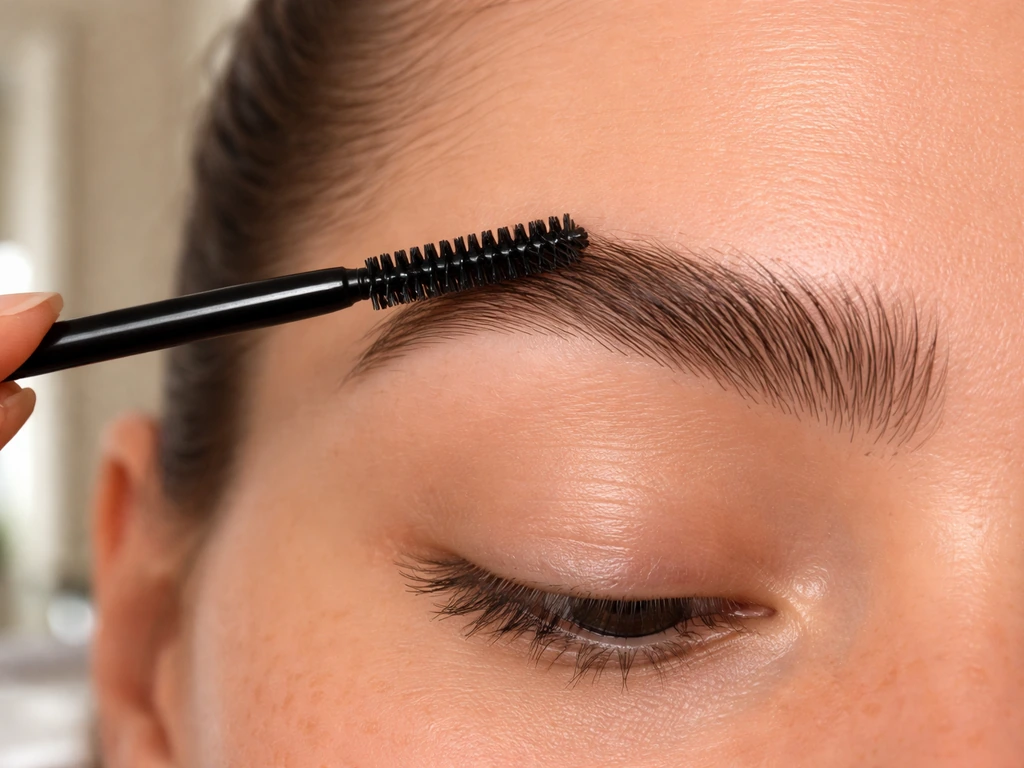
Eyebrow hairs grow upward (or in odd directions) because of the angle and orientation of the follicle beneath the skin. Near the nose end of your brows, follicles are naturally angled so hairs point upward. Toward the arch and tail, they flatten out. This is completely normal anatomy. But if hairs that used to lie flat are suddenly flipping up, pointing outward, or refusing to behave, grooming history, follicle damage, or regrowth after shaving or waxing are usually the real culprits. The good news: most cases are fixable with the right approach.
Why Do My Eyebrows Grow Upwards? Causes and Fixes

James Whitmore
31 May 2026
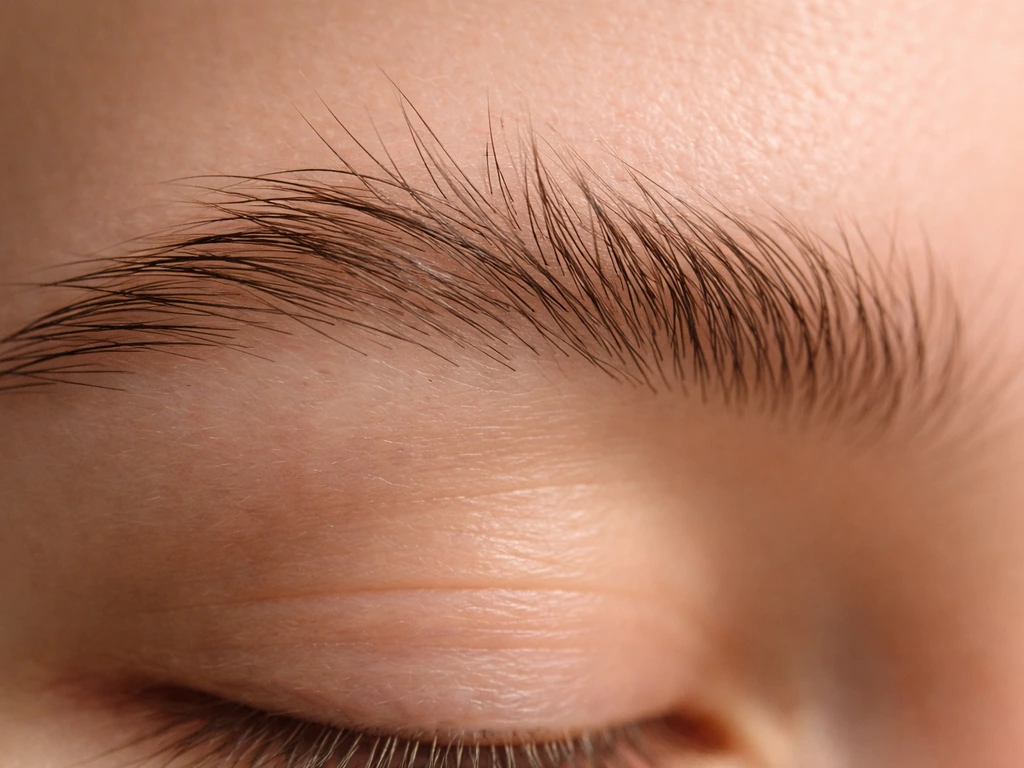
What's actually normal vs. what's not
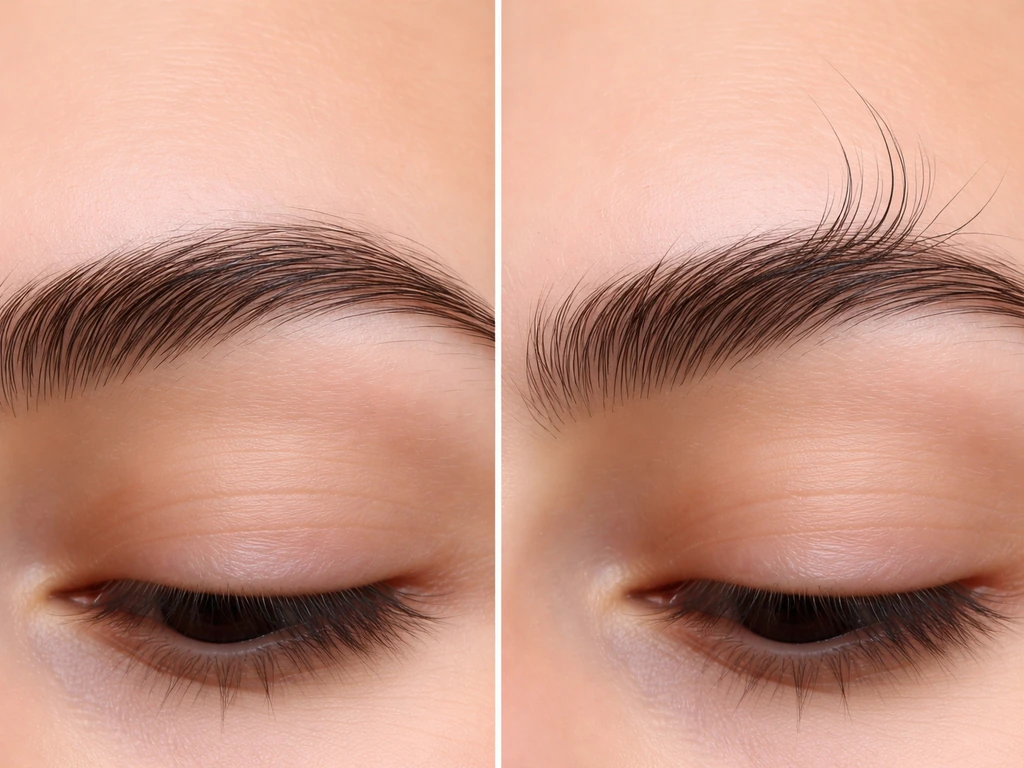
The eyebrow is not one uniform structure. Hair direction genuinely varies across its length by design. Near the inner corner (closest to your nose), follicles sit at a steep angle so hairs emerge pointing upward. As you move toward the arch and tail, follicles flatten out and hairs grow more horizontally. This is why eyebrow hair transplant surgeons obsess over follicle placement angle: even a few degrees off and the hair grows in the wrong direction permanently. So if your hairs at the inner brow naturally grow up, that's not a flaw. That's just how the follicle is built.
What counts as abnormal is when hairs that should be lying flat start springing upward or outward, when the overall growth pattern is suddenly chaotic after a period of consistent grooming, or when you notice uneven growth alongside patchy loss or skin irritation. In those cases, something has changed at the follicle level and it's worth figuring out why.
Common reasons eyebrows grow up, down, or outward
Follicle angle is the starting point, but several other factors can push hairs in unexpected directions.
- Genetics and hair texture: Coarser, curlier hair types are more likely to spring upward or outward because the hair shaft itself has a natural curl. Straight fine hair tends to lie flat more easily. This is inherited and you can't change it, only manage it.
- Follicle angle shift from grooming: Repeated tweezing, waxing, or threading over years can alter the follicle's position in the skin. Trauma to the follicle changes how the replacement hair grows in. Some people find that after years of heavy tweezing, regrown hairs grow in at a noticeably different angle than before.
- Regrowth after shaving or waxing: When hairs grow back after being cut or removed at the root, they often come in at an angle that feels different from mature hairs. Newly emerging hairs are shorter and stiffer, which makes them more likely to stand up rather than lie flat. This usually normalizes over a few weeks as the hair gets longer and heavier.
- Over-plucking and follicle trauma: Repeated forceful tweezing, especially on hairs too short to grasp cleanly, causes micro-trauma and inflammation around the follicle. This can permanently alter the follicle's angle or even scar it, which affects all future growth from that follicle.
- Inflammation and contact dermatitis: Products applied near the brows (foundations, primers, brow gels) can irritate the skin. Irritated or inflamed follicles can temporarily shift hair growth direction as the surrounding tissue swells and distorts follicle positioning.
- Aging: As skin loses collagen and becomes laxer with age, the physical structure supporting follicles changes slightly. Hairs can appear less organized or more unruly than they did earlier in life.
- Hormonal changes: Thyroid disorders and other hormonal shifts are known contributors to changes in brow hair growth, including patchy loss and altered texture. If direction changes coincide with other symptoms, this is worth exploring with a doctor.
How shaving, waxing, and tweezing affect regrowth direction
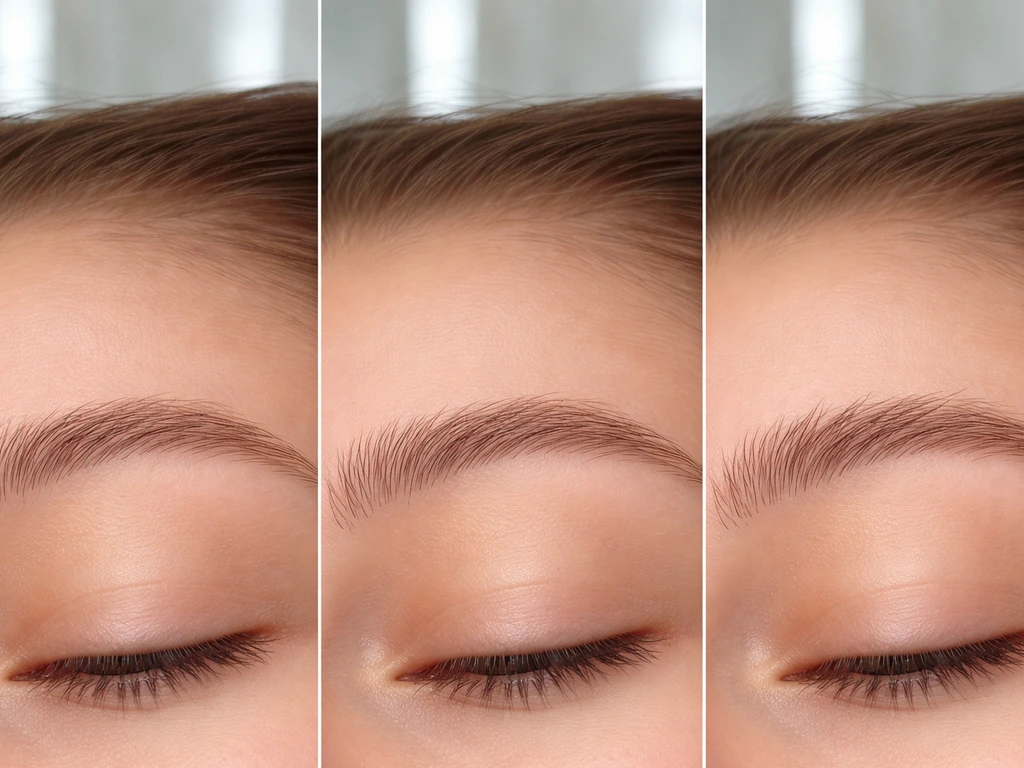
This is where a lot of confusion comes from. People shave or wax their brows, then panic when the regrowth looks wild and unruly. Here is what's actually happening.
Shaving cuts the hair at the surface without touching the follicle, so the regrowth direction should be the same as before. What changes is the blunt cut tip, which makes the hair feel coarser and appear to stick out more. As it grows longer and tapers naturally, it usually settles back down. Expect a few weeks of awkward regrowth before things normalize.
Waxing and threading remove the hair from the root. After the root is pulled, the follicle starts a new growth cycle from scratch. Early regrowth often appears at a slightly different angle than the mature hair that was removed, and because the new hair is short and stiff, it can look more upright or disorganized. Give it 6 to 8 weeks to lengthen and settle. The eyebrow growth cycle is shorter than scalp hair, so you will see changes on a faster timeline, but full normalization after repeated waxing usually takes 2 to 4 months.
Tweezing is the one to be most careful about. Pulling individual hairs repeatedly from the same spot causes the most cumulative follicle trauma. If you tweeze improperly (snapping at hairs too short to grab cleanly, pulling at a harsh angle), you risk folliculitis, ingrown hairs, and over time, permanent follicle scarring that can prevent future regrowth entirely. The direction of any hair that does regrow from a traumatized follicle may be unpredictable. If you have been heavily over-tweezing for years and some areas now have sparse or irregular growth, the follicle damage is likely real and some of it may be permanent.
Quick fixes you can do today
You do not have to wait months to improve how your brows look. These steps help immediately.
- Trim first. Long, unruly hairs that flip upward are often just too long to stay flat. Use small brow scissors and trim any hairs that extend obviously beyond the brow line or refuse to lie down. Even trimming 1 to 2 mm off the tip changes the weight distribution and how the hair behaves.
- Brush in the right direction. Use a spoolie brush (the disposable mascara wand style) to brush hairs into the direction you want them to grow. Brush up and slightly outward at the inner brow, and flatter toward the tail. Do this consistently, especially before bed.
- Apply a brow gel or setting product. Clear brow gels physically hold hairs in place throughout the day. Apply after brushing in the desired direction. Tinted brow gels add definition and hold simultaneously. For very unruly or upward-growing hairs, a firm-hold clear gel beats a light one every time.
- Use a damp spoolie. Running a slightly damp spoolie brush through your brows before styling helps hairs lie flatter before you apply gel. Simple but effective for stubborn upward-poking hairs.
- Consider brow soap. Brow soap (a clear shaping soap applied with a spoolie) has become a popular tool for taming very unruly brows, especially the feathery upward-pointing kind. It provides a stronger hold than most brow gels and is widely available at drugstores.
Home treatments to support healthier brow growth

If your goal is not just to tame existing hairs but to improve density, support regrowth after over-tweezing, or encourage healthier follicles, here is what actually has evidence behind it and what is mostly hype.
Castor oil and rosemary oil
Castor oil is the most popular brow growth remedy, and while it does condition the hair shaft and keep the skin around the follicle moisturized, there are no solid clinical studies proving it actually stimulates brow hair growth. It will not hurt you, and regular application can make existing hairs look thicker and healthier, but go in with realistic expectations. It is a conditioner more than a growth stimulator.
Rosemary oil gets more credit since a trial found it performed comparably to minoxidil 2% for scalp hair count at 3 months, but that research is for scalp alopecia, not eyebrows specifically. The results do not automatically transfer. Still, rosemary oil applied regularly to the brow area is low risk and possibly helpful for follicle circulation. If you try either, give it 3 to 4 months before judging results.
Minoxidil for eyebrow density
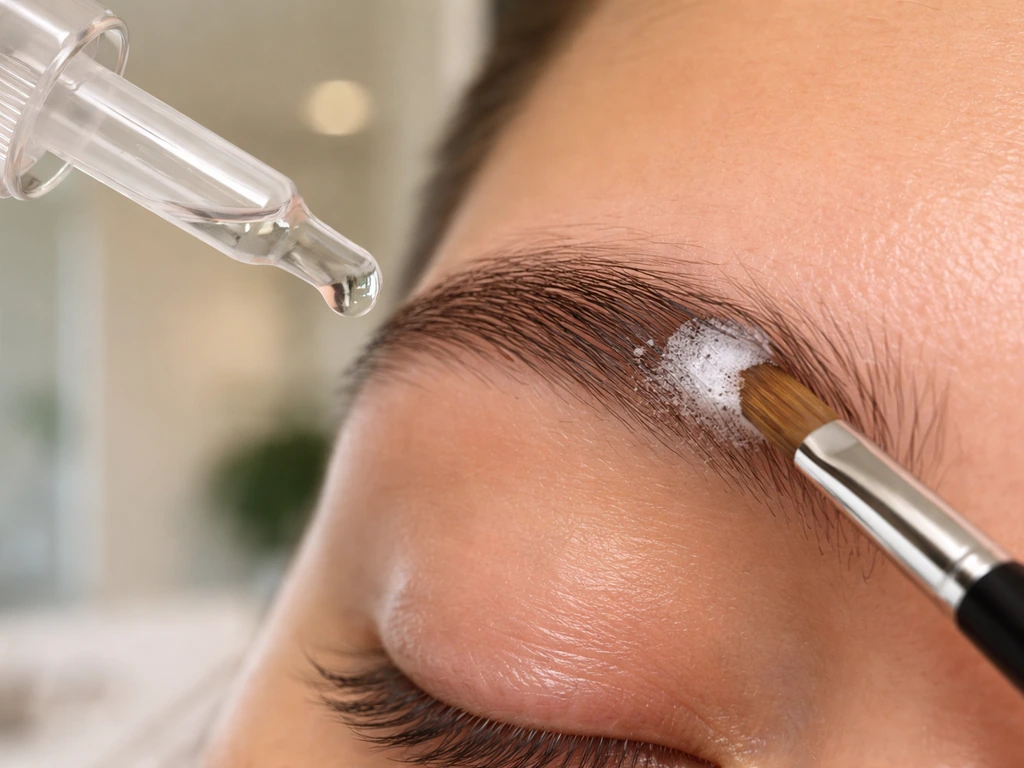
Minoxidil is a different conversation. It is not FDA-approved specifically for eyebrows, but there are actual randomized controlled trials studying its use for eyebrow hypotrichosis (sparse brows), including a 2014 split-face placebo-controlled RCT and a 2023 comparative study against bimatoprost formulations.
The results are genuinely promising for people with sparse brows, not just people managing direction issues. The typical concentration studied is minoxidil 2% applied once daily to the brow area. Important caveats: any growth you gain lasts only as long as you keep using it, initial shedding is possible, and there is a real risk of unwanted facial hair growth if the product spreads beyond the brow zone.
A 2024 review specifically discusses minoxidil as an off-label option for cosmetic facial hair enhancement, summarizing its rationale, utility, and likely side effects in that context [there is a real risk of unwanted facial hair growth if the product spreads beyond the brow zone. ](https://journals. sagepub. com/doi/10.
1177/2050313X241231490). Skin irritation is also more likely if your skin is already inflamed or broken. If you have tried conditioning approaches for several months without improvement and your sparse brows are genuinely bothering you, minoxidil is worth discussing with a dermatologist. Do not just grab a men's 5% scalp formula and go to town on your brows.
Grooming habits that protect follicles
Beyond topical treatments, the most important thing you can do for long-term brow health is stop over-tweezing. Give your brows a break from mechanical removal for at least 10 to 12 weeks if you have been plucking heavily. Keep the area moisturized (a gentle fragrance-free moisturizer works fine). Avoid harsh exfoliants or retinoids directly on the brow area, since these can increase skin sensitivity and follicle irritation. When you do tweeze, only remove hairs that are clearly outside your intended brow shape, always pull in the direction of hair growth, and wait until hairs are long enough to grip cleanly.
When to stop DIY and see a professional
Most upward-growing brow hairs are a grooming or anatomy issue, not a medical one. But there are signals that tell you it is time to get a professional involved rather than experiment at home.
- Patchy or sudden hair loss: If you are losing brows in defined patches or noticing rapid thinning that is not explained by recent waxing or over-tweezing, see a dermatologist. This can indicate alopecia areata, thyroid dysfunction, or other conditions that need diagnosis rather than castor oil.
- Persistent skin irritation or redness around the brow: If the skin is chronically red, flaky, or inflamed around your brows, something is triggering a reaction. This could be contact dermatitis from a product, seborrheic dermatitis, or eczema. All of these affect follicle health and cannot be managed by styling your brows differently.
- Signs of folliculitis after hair removal: Red, pus-filled bumps around the brow follicles after tweezing or waxing need proper treatment, not more squeezing. Infected follicles can scar, which permanently damages future regrowth.
- No regrowth after 4 to 6 months of rest: If you stopped tweezing, waxing, or shaving months ago and significant sections of brow simply have not grown back, a dermatologist can assess whether follicle damage is permanent and what options exist, including prescription treatments or cosmetic procedures.
- Suspected hormonal changes: If brow changes coincide with other symptoms like fatigue, hair thinning on the scalp, unexplained weight changes, or irregular cycles, a blood panel for thyroid and hormones is a sensible first step before trying any topical products.
For issues specifically about persistent downward or outward growth that does not respond to training and styling, an esthetician experienced with brow shaping can help assess whether the issue is structural (follicle angle) or manageable through targeted grooming and lamination techniques. If you are specifically noticing that pattern on Asian eyebrows, the cause is usually a mix of follicle angle, grooming history, and normal variation in hair direction why do Asian eyebrows grow downward. Brow lamination, for example, physically restructures the hair shaft direction and can be a practical option for people whose hairs consistently grow upward or outward despite consistent brushing and setting.
The bottom line: upward brow hair growth is usually either anatomy, texture, or a regrowth phase after grooming. You can manage it today with trimming, brushing, and a good hold gel. A key part of getting the right brow direction is learning how to train your hairs without traumatizing the follicles. For the longer game, consistent gentle care, realistic expectations with conditioning oils, and knowing when follicle damage or a health issue is involved will get you further than any single miracle product.
FAQ
How can I tell if upward eyebrow hairs are normal anatomy or a sign of follicle damage?
If the direction change started right after waxing or threading, it is often temporary regrowth angle mismatch (hair looks more upright while it is short and stiff). If it is been stable for months, or you see thinning, redness, scaling, or sudden patchiness, treat it as a follicle or skin issue rather than a styling problem and consider a dermatologist review.
Will waxing regrowth always grow upwards, and when should I expect it to settle?
In the first 6 to 8 weeks after waxing or threading, avoid expecting perfectly settled direction, because new hairs start a fresh cycle at a different angle. During that window, use a clear hold gel to control shape instead of repeatedly trimming or force-correcting the hair, which can worsen the look before it improves.
What is the safest way to manage upward-growing eyebrow hairs without making it worse?
Trimming is safer than pulling. Use small scissors and snip only the length of hairs that extend beyond your intended brow line, leave the inner brow density alone, and avoid cutting multiple hairs “too short,” since that can make them feel stiffer and stand up more.
Can I use minoxidil on my eyebrows, and what are the main safety cautions?
Do not use minoxidil if you are pregnant, trying to conceive, or breastfeeding, and avoid using it on broken or very irritated skin. Also, never jump straight to a higher-strength men’s scalp product, because it increases the odds of facial hair spreading beyond the brow area and irritation.
Does castor oil actually make eyebrows grow in the right direction or just look better?
Castor oil and similar conditioners mainly improve how existing hairs look (softness, sheen, reduced flyaways). If your problem is sparse growth or patchy density, oils alone are unlikely to reverse it, so you may need targeted medical options or a professional assessment rather than adding more oil.
Why do some of my brows keep getting worse after I tweeze them to fix the direction?
If you keep seeing new “rogue” hairs pointing up, the most common mistake is tweezing the same exact spot repeatedly. Take a break from plucking, only remove hairs clearly outside your brow outline, and pull gently in the direction of the hair, when hairs are long enough to grip cleanly.
What should I try if brushing and gel training never fixes the upward/outward direction?
If you have persistent upward or outward growth that will not stay trained, consider professional lamination or a brow specialist consultation. Lamination works by temporarily restructuring the hair shaft direction, and it can be especially helpful when your follicles naturally produce upward-pointing hairs near the inner brow.
How do skin products like retinoids or exfoliants affect eyebrow hair direction and regrowth?
Start with a fragrance-free moisturizer and be cautious with strong actives on the brow line. If you use retinoids, acids, or exfoliants, keep them off the brow skin, because irritated skin can make hairs look more inflamed and more likely to grow irregularly during regrowth phases.
Could shaving make my eyebrows look like they grow upward even if the follicles are normal?
Yes. When hair is cut bluntly, it can feel rough and look more upright for a couple of weeks as the tip grows out. For a cleaner result, trim instead of shaving when possible, and use a light hold gel while the new taper forms.
When is upward eyebrow growth a reason to see a dermatologist instead of trying home fixes?
Get professional help if you notice patchy loss, persistent scaling or itching, crusting, significant redness, or eyebrow changes that keep progressing despite consistent, gentle grooming. These can indicate dermatologic conditions that affect follicles, not just hair direction.
Next Article
How to Train Eyebrows to Grow in the Right Direction
Learn if eyebrow growth direction can be trained and get step-by-step tips to guide upward hairs using grooming and safe