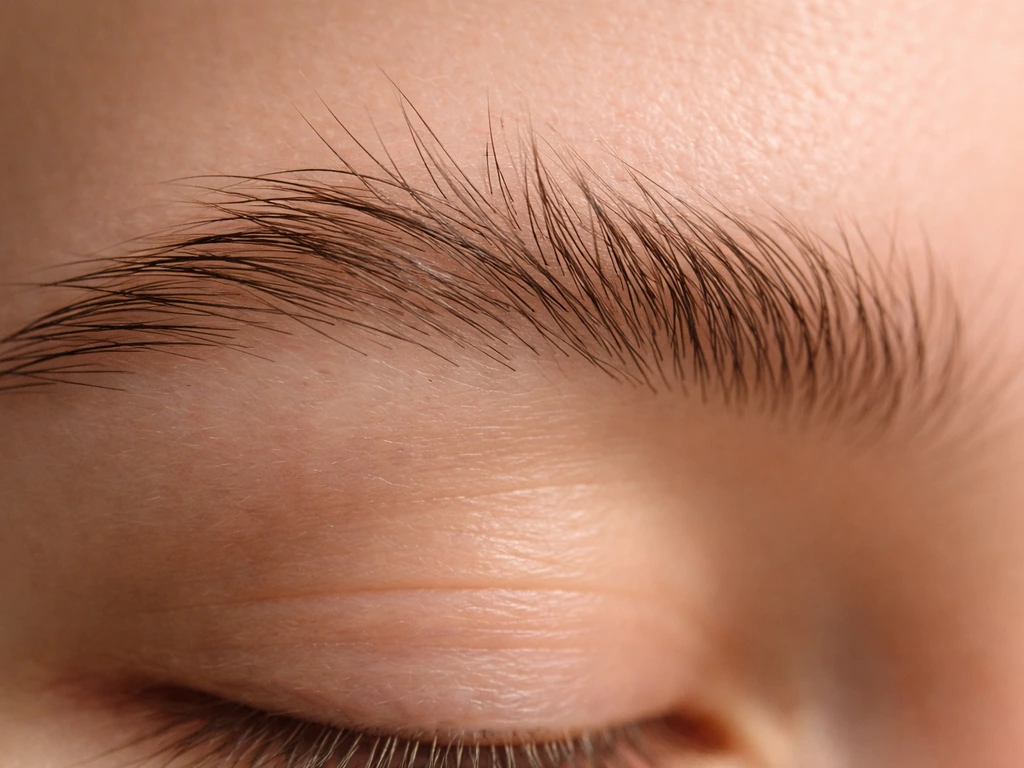
Asian eyebrows often grow downward because of follicle angle, not a problem. The hair follicles themselves are angled so the hair exits the skin pointing slightly downward and outward, which is completely normal anatomy. Combined with the way the brow area sits above the epicanthal fold and eyelid structure common in many East and Southeast Asian faces, the result is brow hairs that lie flat and trend downward rather than arching upward. Grooming history, aging, and skin changes can make it more pronounced, but in most cases you're looking at genetics, not damage.
Why Do Asian Eyebrows Grow Downward? Fix and Regrow
James Whitmore
18 Jun 2026
What "downward-growing" eyebrows actually mean
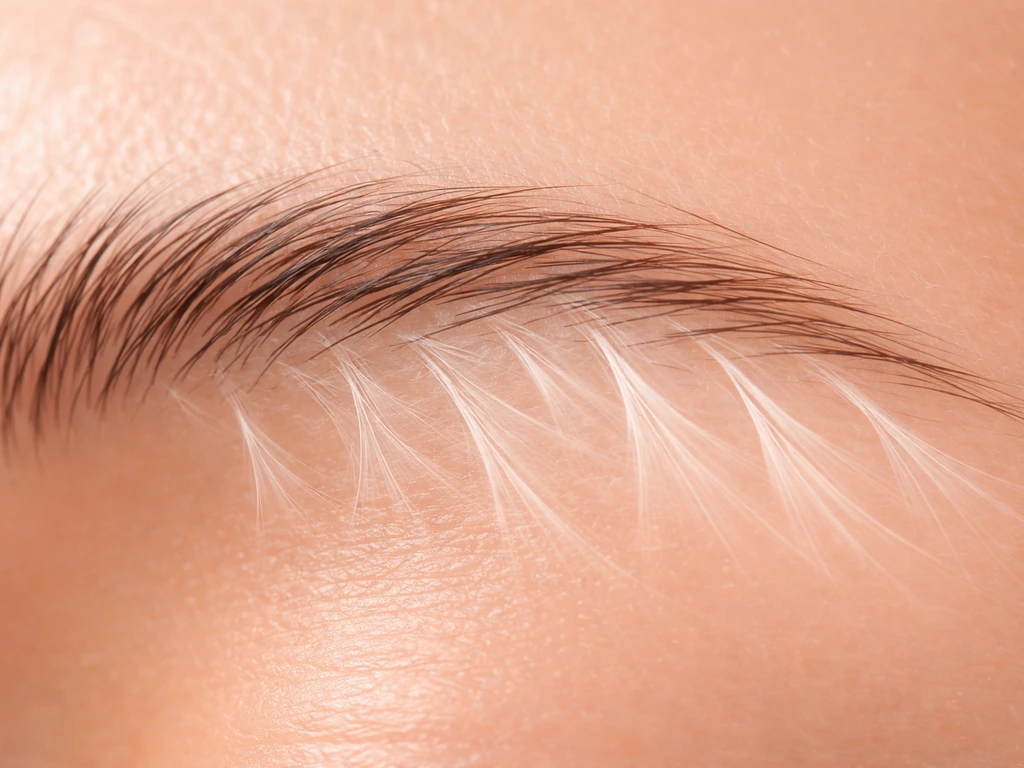
Every eyebrow hair grows in the direction its follicle points. Follicles don't all point the same way, and across a single brow there's usually a mix: hairs near the inner corner often point upward, hairs in the middle arch and flatten out, and hairs toward the tail tend to angle downward. That variation is normal. What people usually describe as "downward-growing" brows is when the overall pattern across the whole brow lies flat against the skin, resists brushing upward, and trends toward the eye rather than away from it. It's more of a growth pattern than a defect.
It's worth separating two things: the natural direction hairs grow out of the follicle, and the direction they settle after they've grown. If your brows are consistently growing downward and lying flat no matter what you try, the follicle angle is the likely explanation. If the direction seems to have changed recently, or if you're noticing patchiness or thinning alongside the change, something else may be going on.
Why Asian brows specifically tend to grow this way
There are a few anatomy factors that come together here. Many people of East Asian, Southeast Asian, and South Asian descent have a flatter brow bone and a more prominent epicanthal fold, which changes the angle at which the skin sits above the eye. The brow hairs emerge from skin that is slightly more horizontal relative to the eye than in other ethnicities, so even a follicle angled at a typical exit angle will produce a hair that looks like it's growing "down" rather than outward or upward.
Beyond the brow bone and eyelid structure, follicle orientation varies by region. In hair transplant contexts, surgeons specifically account for the fact that follicle orientation shifts from more downward (caudal) angles at the outer brow to upward (cranial) angles near the inner brow. That gradient exists in everyone, but the overall baseline angle tends to be flatter in people with Asian ancestry, so the downward-laying appearance is more noticeable. It's the same reason that transplanted brow hairs that aren't placed at exactly the right angle can curl outward from the skin instead of lying flat: native follicle direction is the dominant factor in how hair lies.
Hair texture also plays a role. Asian hair tends to be straighter and thicker in diameter than some other hair types, which means individual brow hairs have less natural lift or curl. A thicker, straighter hair is going to lie flat against the direction its follicle points, with very little tendency to wave or fluff up on its own.
How grooming can shift the direction over time
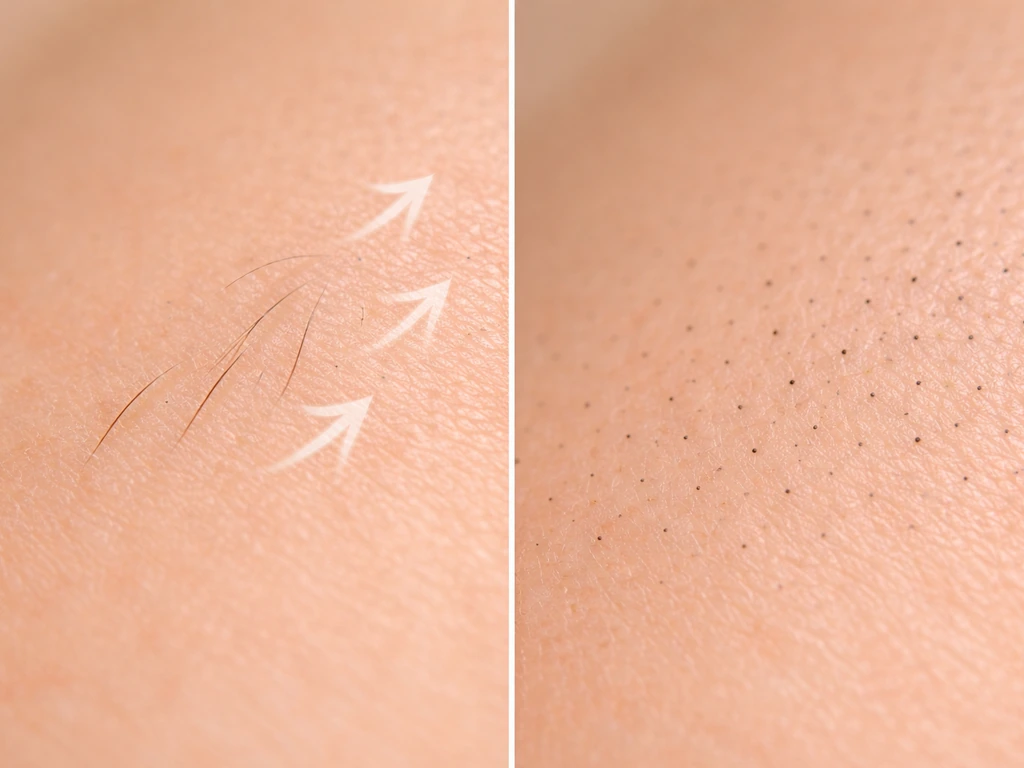
Plucking, threading, and waxing all remove hair from the follicle. When you do this repeatedly, the follicle can shift slightly in the direction of the pull, or the regrown hair can come in at a slightly different angle. This is most noticeable with years of consistent plucking in one direction. Threading is particularly precise, which is great for shaping, but the repeated motion of pulling hairs in a consistent direction can contribute to directional drift over many sessions. Cleveland Clinic research points out that daily or very frequent tweezing can even cause minor scarring that delays regrowth and potentially changes how hairs come back in.
Shaving is a different story. It cuts hair at the surface but doesn't touch the follicle at all, so it has essentially no effect on the direction new hair grows. The idea that shaving changes the angle or thickness of regrowth is a myth. Clinical studies have shown full eyebrow regrowth after complete shaving, with hair returning at its original angle. Where people get confused is that freshly shaved regrowth can look or feel different for a few weeks because the blunt tip is more noticeable than a tapered natural tip, not because the direction changed.
Waxing and threading do carry some irritation risk. Both can cause minor breakouts and inflammation around the follicle, and there's a small infection risk with threading because the thread contacts multiple points of skin. Repeated inflammation over years is one reason brow texture and direction can gradually change beyond just what genetics set up.
Other reasons brow direction can change
Aging causes gradual changes in skin laxity and follicle density. As skin loses elasticity, particularly in the brow and forehead area, hairs that once had slight lift can start to fall flatter. Follicle density decreases with age too, so brows naturally become sparser, which makes any downward-laying hairs more obvious because there are fewer adjacent hairs to fill in the shape.
Chronic inflammation or contact dermatitis around the brow area can also affect follicle health over time. If you regularly use skincare, makeup, or brow products that cause irritation, the low-grade inflammation can disrupt the hair growth cycle and change how hairs come back in. Eyelid and brow dermatitis can show up as itching, burning, or a persistent rash, and cosmetics are a common trigger. It's easy to overlook mild irritation as normal dryness, but repeated exposure to an allergen or irritant can quietly affect brow hair health over months.
Trauma and scarring are less common but worth knowing about. Scarring alopecias destroy follicles through inflammation and fibrosis, which means affected areas can't regenerate hair at all. An old injury, severe acne, or a procedure that left scar tissue in the brow area could change both the density and direction of regrowth in that spot. If you have a specific area of the brow where hair has always grown differently or more sparsely since a particular event, scarring is worth factoring in.
Over-tweezing deserves its own mention because it's so common. Repeatedly plucking from the same follicle can eventually prevent regrowth altogether, and even before that point it can cause hairs to come in finer, weaker, or at a slightly altered angle. If your brows are both sparser and more downward-laying than they used to be, a history of heavy plucking is often the explanation.
How to style and work with downward-growing brows today
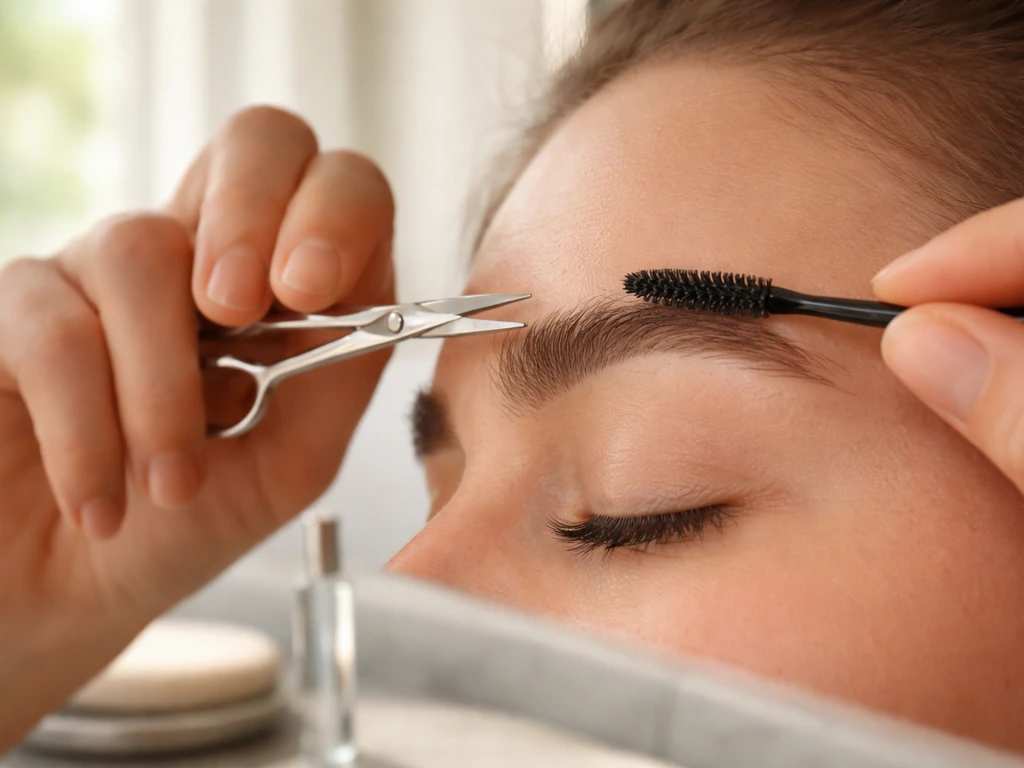
The fastest fix you can make today is trimming and brushing technique. If your brow hairs are long enough to lay flat and heavy, trimming them back makes them easier to redirect. Use small brow scissors, brush the hairs upward with a spoolie first, then trim just the tips that extend above your natural brow line. Don't trim with the hairs lying flat or you'll cut too short. Keeping hairs shorter (especially in the middle and tail of the brow) reduces the weight pulling them down. If you can keep hairs shorter and trained upward, you can grow them out without the scruffy, droopy look.
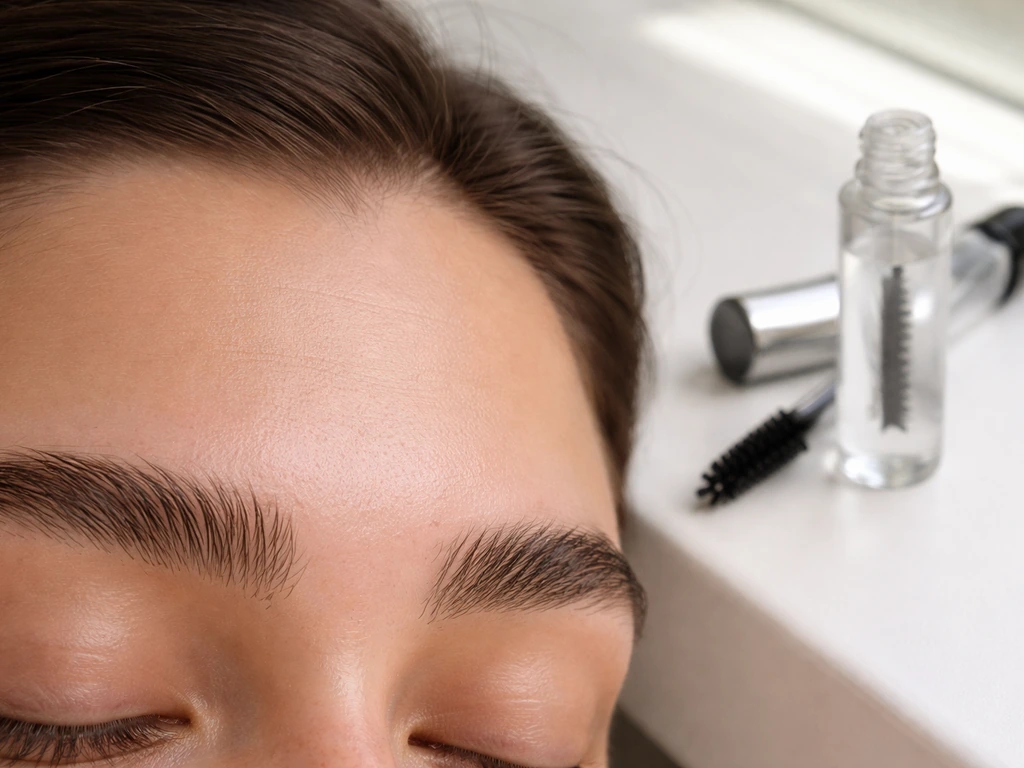
For daily styling, a brow gel is your best tool. Clear brow gels and tinted setting gels both work. Brush the gel upward and slightly outward, hold for a few seconds, and let it dry before touching the area. Stronger-hold gels can lift and lock downward hairs into a more upward position temporarily. Some people layer a thin swipe of clear gel first, set it, then go over again with a tinted gel for color and hold.
If you're trying to train the direction over weeks rather than just style for the day, consistency matters. Brushing upward every morning with a clean spoolie and setting with gel daily does gradually encourage hairs to lie in a new direction, though it takes weeks to months of repetition. Think of it like training hair to part differently: possible, but not fast. If you want to train eyebrows to grow in the right direction, repeat gentle brushing and avoid disruption so the new direction has time to stick training hair to part differently. This process is closely related to the broader topic of training brows to grow in a new direction, which follows similar principles of repeated mechanical redirection combined with minimal grooming disruption.
When shaping, avoid removing hairs from the top of the brow if your brows already trend downward. Removing hairs from the top line removes the upward anchor points and makes the downward direction more pronounced. Focus any grooming on the bottom edge and stray hairs below the brow, not the top line.
Building fuller brows: regrowth strategies that actually work
If grooming damage or sparse brows are part of the picture, the first step is simply stopping the damage. No topical treatment outpaces continued plucking or threading. Give the follicles a real break: at minimum 8 to 12 weeks without any plucking, ideally longer. Regrowth from a healthy follicle typically takes 3 to 4 months to complete a full cycle, so that's the realistic minimum timeline before you can evaluate what you've actually got to work with.
Castor oil
Castor oil is one of the most popular brow growth remedies and one of the most overhyped. The honest summary: there's no strong clinical evidence it promotes hair growth. A systematic review found weak evidence it may improve hair luster and quality in people with skin of color, but no solid support for using it as a growth treatment. That said, it's safe to use, inexpensive, and the act of massaging it into the brow area nightly probably doesn't hurt and may modestly support follicle circulation. I've used it myself as a conditioning step before bed, applying a small amount with a clean spoolie. Think of it as supportive maintenance, not a treatment.
Rosemary oil
Rosemary oil has better early evidence behind it, with some studies comparing it favorably to minoxidil for scalp hair, though the brow-specific evidence is limited. If you want to try it, dilute it properly: 2 to 3 drops in a carrier oil like jojoba or coconut before applying. Undiluted rosemary oil applied directly to sensitive brow skin regularly can cause irritation, which defeats the purpose. Apply at night, massage gently, and expect to wait at least 12 weeks before seeing meaningful results, if any.
Minoxidil
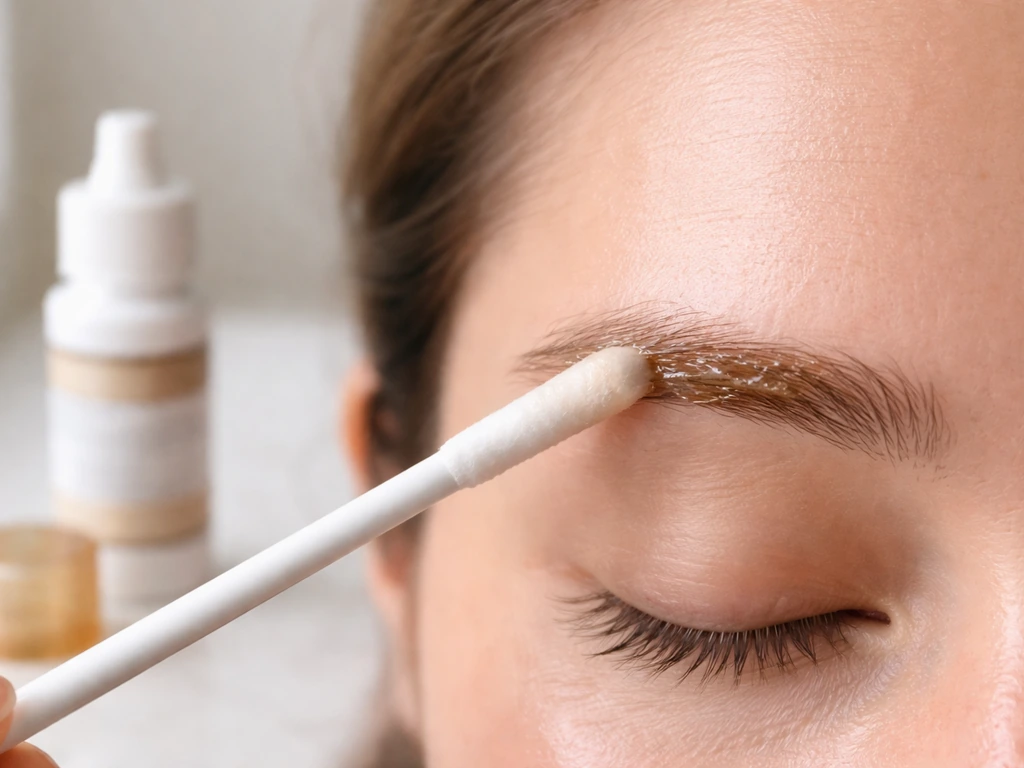
Minoxidil for eyebrows is off-label (it's approved for scalp use), but some dermatologists do recommend it for eyebrow hypotrichosis. There's limited but suggestive evidence of modest benefit for sparse brows. The cautions are real: the brow area is close to the eyes, and getting minoxidil into the eyes can cause irritation. If you're considering it, use a very small amount, apply carefully with a cotton swab rather than a dropper, and don't use it more than once daily. It's worth discussing with a dermatologist before starting, especially given the proximity to the eyes. I'd put minoxidil in the "considered when natural options haven't moved the needle after 3 to 4 months" category rather than a first step.
| Option | Evidence Level | Realistic Timeline | Key Caution |
|---|---|---|---|
| Castor oil | Low (conditioning only) | N/A for growth | Sets expectations; no proven growth effect |
| Rosemary oil (diluted) | Moderate (scalp studies) | 12+ weeks | Must dilute; irritation risk undiluted |
| Minoxidil (off-label) | Limited but positive | 16+ weeks | Off-label; keep away from eyes; consult derm first |
| Stopping grooming damage | High (most important) | 8 to 12 weeks minimum | Nothing works well if plucking continues |
When to stop DIY and see a dermatologist
Most downward-growing brows are just anatomy and don't need medical attention. DermNet NZ includes reference material on eyebrow and lash loss, called madarosis, which can help distinguish medical causes from changes due to grooming eyebrow or lash loss (madarosis). But there are signs that something else is going on and that home treatment isn't the right path.
- Patchy brow loss that appeared suddenly, especially symmetrical patches on both brows: this is a pattern consistent with alopecia areata, an autoimmune condition that a dermatologist can diagnose and treat
- Persistent redness, itching, scaling, or crusting in or around the brows: could be contact dermatitis, seborrheic dermatitis, or a fungal infection like tinea faciei, all of which need proper diagnosis rather than more brow oils
- Brow changes that followed a specific trauma, procedure, or injury with scarring: scarring alopecias destroy follicles permanently and require early intervention to slow progression
- Rapid or progressive thinning that isn't explained by a history of over-grooming: unexplained brow loss can occasionally reflect thyroid issues, nutritional deficiencies, or other systemic causes
- Any new growth that looks significantly misdirected or wiry compared to your previous brow texture, especially with skin changes in the area
A dermatologist can run a scalp or brow dermoscopy, take a scraping if a fungal infection is suspected, or refer you for blood work if a systemic cause seems likely. Alopecia areata in particular responds to treatment much better when it's caught early, so the timing of that referral matters. If in doubt, an appointment is faster than months of trying home remedies on something that needs clinical treatment.
For the vast majority of people reading this though: your brows grow downward because your follicles point that way, and that's completely normal. The fix is a good brow gel, smart trimming, patience with regrowth if you've been over-grooming, and realistic expectations that changes take months, not days.
FAQ
How can I tell if my brows are downward because of length versus follicle direction?
If the “downward” look is mainly due to hair length and weight, the quickest improvement is trimming only the tips (after brushing upward with a spoolie). If hairs still resist brushing upward even when they are short, it usually indicates true follicle direction, so you will need ongoing gel training rather than expecting one-time trimming to solve it.
Can brow gel permanently train downward-growing hairs to point up?
Yes, but it should be treated as a temporary styling outcome, not a permanent reset. Even with consistent brushing and gel, some hairs will keep their natural exit angle, so you may need to maintain with daily light brushing and gel, especially along the middle and tail.
My brows look different than they did last year, did the direction actually change?
If you recently switched from heavy plucking or threading to letting brows grow out, the “direction change” can happen because regrowth cycles and shed phases overlap, making the early regrowth pattern look different. Give it at least 3 to 4 months before judging whether direction truly changed.
Should I clean up the top edge when my brows grow downward?
Avoid removing hairs from the top line if your overall growth trends downward, because you may remove the hairs that provide the best upward anchor. A safer shaping strategy is to keep the top edge fuller and only clean up stray hairs below the brow line and along the sides.
Why do my downward brows seem worse after threading or waxing?
Threading and waxing can cause irritation, which can lead to temporary shedding or slower regrowth, making direction look worse. If you notice itching, bumps, or a persistent red patch, pause grooming and consider patch-testing any brow products you use, then see a dermatologist if it does not settle.
How do I know if over-tweezing is causing more than just thinner brows?
Over-tweezing does not just thin hair, it can reduce the density that normally helps brows hold their shape. Look for a pattern where the tail and middle are sparser over time, and where hairs feel finer than before, that combination strongly suggests grooming-related regrowth changes.
Will shaving fix the downward growth direction?
Full shaving typically does not alter regrowth direction because it does not affect the follicle. The short-term difference you may feel is mostly visual, the blunt freshly cut tip looks different for a few weeks, then it settles into the hair’s natural pattern.
When should I stop trying to train my brows and see a dermatologist?
If you have focal patches where hair does not regrow, new scalp or brow scaling, or rapid changes over weeks, that is a sign to get checked rather than continuing training and oils. Early evaluation matters for conditions like alopecia areata and for fungal or inflammatory causes.
Is castor oil worth trying, and how will I know if it is helping?
If you use castor oil, treat it as conditioning. For meaningful change in thickness or regrowth, you should still wait at least 12 weeks and stop if you get redness, itch, or swelling around the brows.
What are the biggest safety issues if I try minoxidil on my eyebrows?
Yes, but due to eye proximity, you should avoid applying near the lash line and use a precise applicator to minimize spread. If you get stinging, redness, or watering, stop immediately, and discuss options with a dermatologist before continuing.
Next Article
Why Do My Eyebrows Grow Upwards? Causes and Fixes
Find why brows grow upwards and how to fix odd direction with styling, gentle grooming, and treatment options.