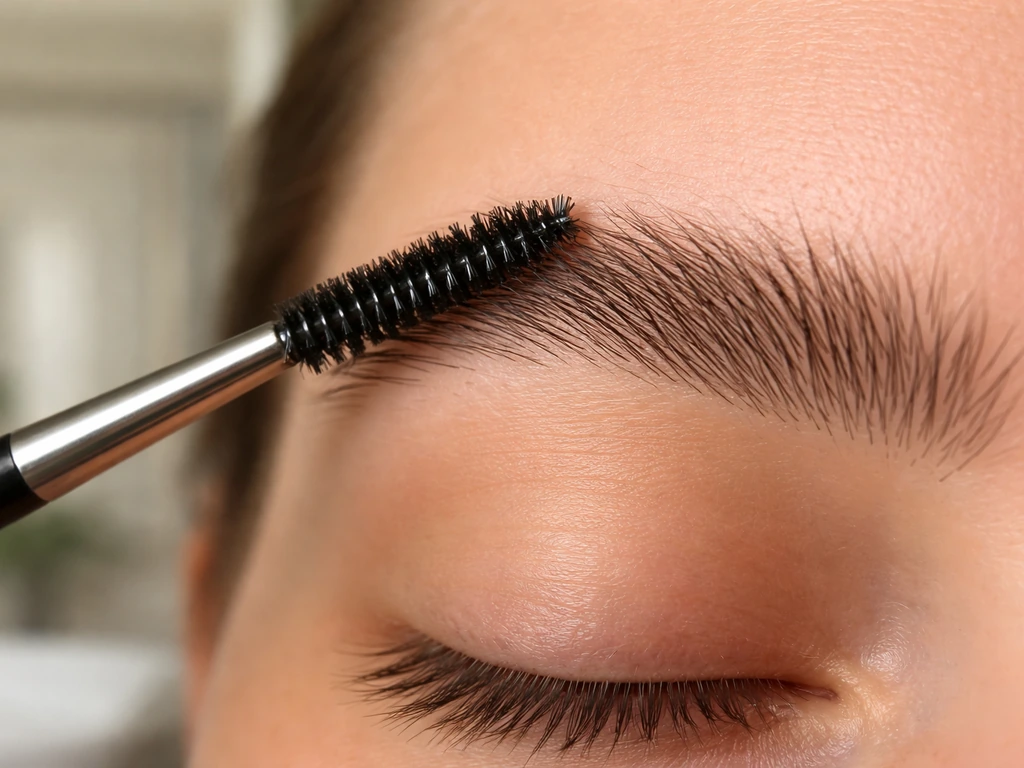
As you get older, certain eyebrow hairs extend noticeably past the rest, and the whole brow can start looking wilder or less uniform than it did in your twenties. The main reason is a shift in follicle behavior: aging disrupts the normal hair growth cycle, allowing individual hairs to stay in the active growth phase longer than they should. The result is a handful of rogue hairs that keep growing while others don't, creating that uneven, straggly look most people associate with getting older. It's real biology, and it's fixable once you understand what's actually happening.
Why Do Eyebrows Grow Longer With Age and What to Do
James Whitmore
9 Jun 2026
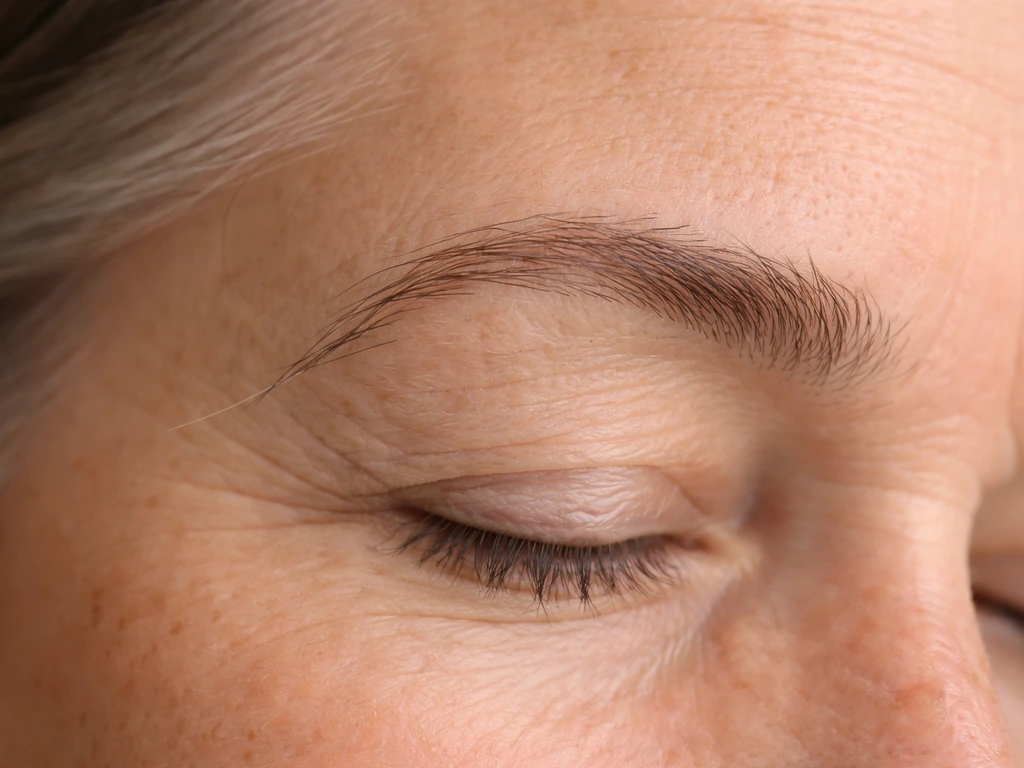
Why some eyebrow hairs grow longer than others
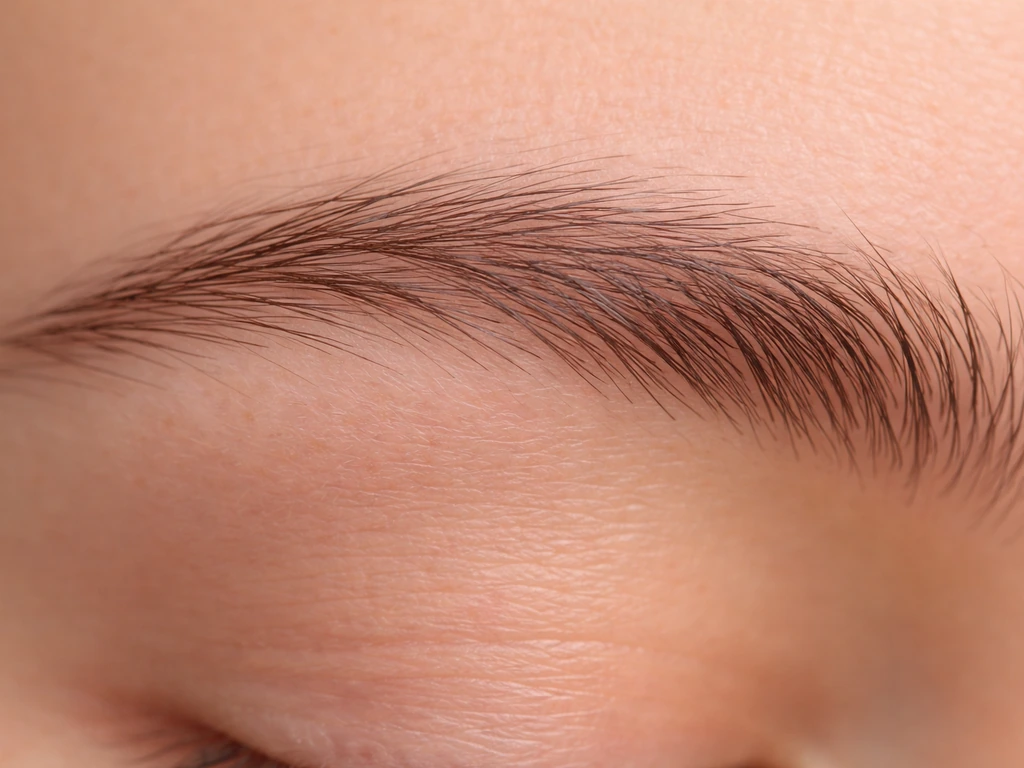
Not every follicle on your brow operates on the same schedule. Each one cycles through growth, transition, and rest phases independently, and the timing is largely controlled by genetics, hormones, and age-related changes in follicle sensitivity. When follicles become desynchronized, you end up with some hairs actively growing while neighboring ones are resting or shedding. That's why you might notice one specific hair that always seems to be three times longer than everything around it, while the rest of the brow stays relatively uniform.
Hormones play a big role here too. Androgens (testosterone-related hormones) have paradoxical effects depending on the follicle location: they miniaturize scalp follicles in androgenetic alopecia but can actually stimulate and prolong the growth phase in eyebrow and beard follicles. As hormone levels shift with age, some follicles respond by extending their active growth window, which translates directly into longer individual hairs. It's also worth noting that this unevenness often happens between sides, so one eyebrow can behave differently from the other entirely due to slight differences in follicle sensitivity or local circulation.
Does eyebrow length really increase with age?
Yes, it genuinely does happen, though not uniformly for everyone. The overall picture of aging brows is actually mixed: some people experience thinning and loss of pigment, while others notice outlier hairs growing increasingly long. These trends can happen at the same time in the same person, which is confusing but makes sense once you understand that aging doesn't affect every follicle the same way. Published morphometric studies do confirm measurable, age-dependent changes in eyebrow shape and appearance, and a systematic review found that some studies show increases in brow position with age while others show decreases, pointing to how variable the aging process really is around the brow area.
The perception of longer brows can also be partly positional. As skin loses elasticity and soft tissue shifts, the structural context around the brow changes, making hairs look positioned or sized differently even if the actual follicle behavior hasn't changed dramatically. But the longer individual hairs? Those are real. They're the result of specific follicles extending their growth phase, and they become more common as you get older.
The hair growth cycle, and why eyebrows are different from scalp hair
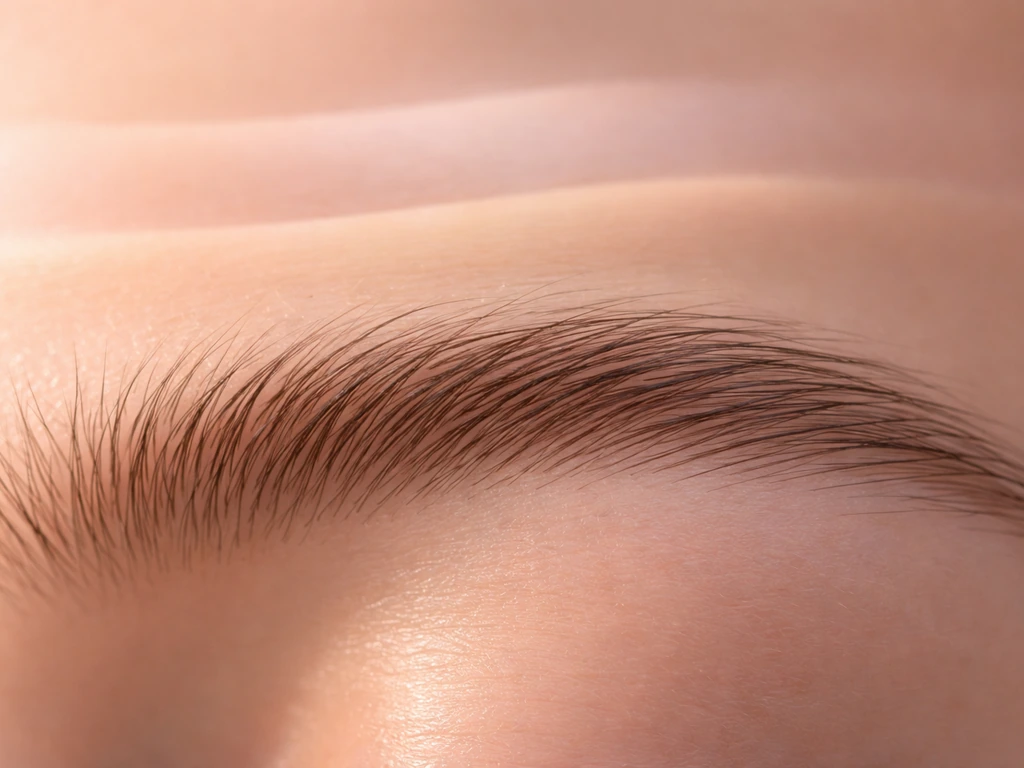
Every hair follicle cycles through three main phases: anagen (active growth), catagen (transition and regression), and telogen (resting and eventual shedding). The key difference between scalp hair and eyebrow hair is how long each phase lasts. Scalp hair spends the majority of its time in anagen, sometimes years, which is why scalp hair can grow very long. Eyebrow hair is almost the opposite: the anagen phase typically lasts only about 2 to 3 months, followed by a catagen phase of around 2 to 3 weeks, and then a telogen phase of roughly 2 to 3 months.
That short growth window is exactly why eyebrows naturally cap out at a certain length. If you are wondering why eyebrows do not always grow longer, the answer comes down to that limited growth window and how long each follicle stays in the active phase That short growth window is exactly why eyebrows naturally cap out at a certain length. .
If you want a practical answer to how fast do eyebrows grow, it helps to start with the anagen window and how long it stays active for your follicles. The follicle simply stops growing the hair before it gets very long. The anagen-to-telogen ratio for eyebrow hair is roughly 1:9, meaning that at any given moment, about 90% of your brow hairs are in the resting phase rather than actively growing.
Compare that to scalp hair, where the ratio is essentially reversed at 9:1. This is why eyebrow growth after shaving or waxing is so much slower and less predictable than scalp regrowth.
When aging interferes with this cycle, it does so unevenly. Some follicles have their anagen phase extended significantly, letting those particular hairs grow far past the normal length cap. If you are wondering why do my eyebrows grow so fast, it usually comes down to specific follicles staying in their active growth phase longer than others longer individual hairs. Others may shorten their anagen phase further, leading to sparse patches. Both things can happen on the same brow at the same time, which is the frustrating reality of how aging interacts with follicle biology.
What actually changes in your follicles as you age
Several things happen at the follicle level with chronological aging. First, the regulation of the hair cycle becomes less precise. The molecular signals that tell a follicle to stop growing and enter catagen can become dysregulated, particularly as androgen receptor sensitivity and circulating hormone levels change over time. For some eyebrow follicles, this means a prolonged anagen phase, which produces those noticeably longer hairs.
Sebaceous gland activity also changes with age. The sebaceous glands around each follicle produce less sebum as you get older, which affects the skin's lubrication and the follicular microenvironment. Aging is associated with reduced sebum secretion from sebaceous glands, which contributes to an aging-skin phenotype that tends to be drier with xerosis and pruritus [sebaceous glands around each follicle produce less sebum as you get older](https://pmc. ncbi.
nlm. nih. gov/articles/PMC9428133/). Reduced sebum output changes the local conditions around the follicle, and while this is more closely associated with dry skin and potential hair thinning, it's part of the overall aging picture.
Additionally, sebaceous hyperplasia, where sebaceous glands enlarge with age, is associated with decreased circulating androgen levels and slower sebocyte turnover, adding another layer of follicle disruption.
There's also heterogeneity in follicle response. Two follicles sitting millimeters apart can have completely different sensitivities to aging signals, hormone levels, and environmental stressors. This is why a long stray hair tends to appear in the same spot repeatedly, and why the uneven brow pattern is consistent for a given person rather than random. Your brow hair follicles essentially age at their own individual rates.
How to manage long eyebrow hairs right now
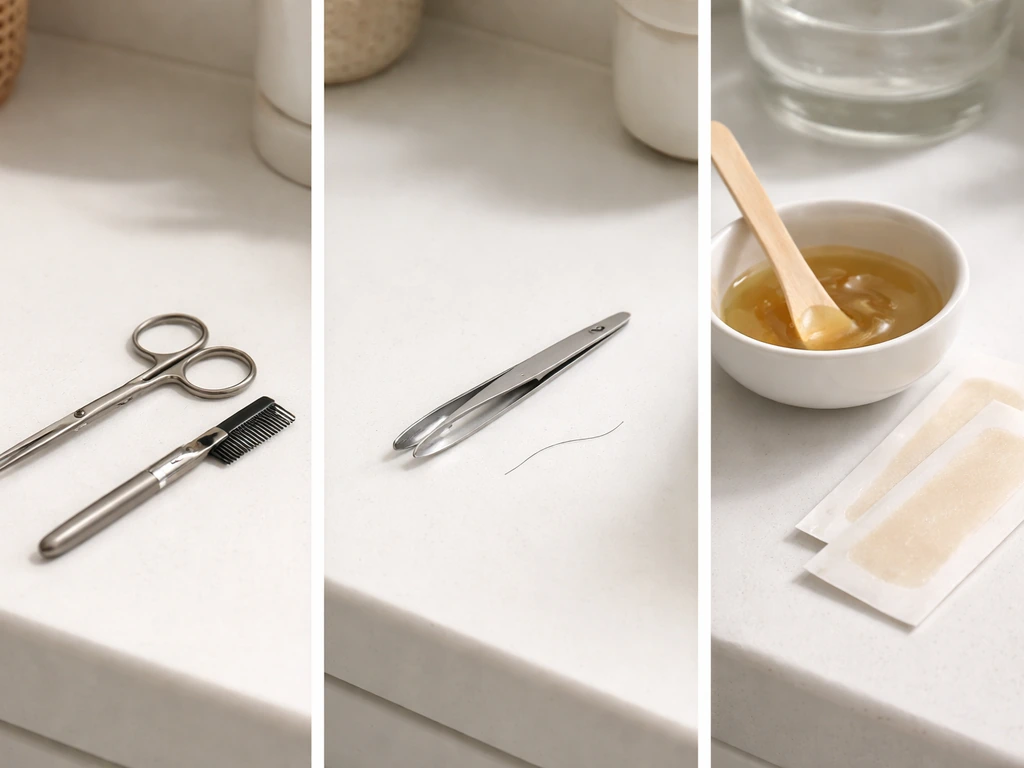
If you have visibly long hairs sticking out beyond the brow line today, you have three main options: trimming, plucking, or waxing. They're not equivalent, and which one you choose matters depending on your skin type, how many hairs you're dealing with, and what you want your brows to look like going forward.
Trimming: the safest starting point
Trimming with small brow scissors or a trimmer is the lowest-risk approach. It doesn't disturb the follicle at all, there's no inflammation, no risk of ingrown hairs, and no change to future regrowth. For managing long individual hairs, especially the outliers that extend well past the brow shape, a quick trim is genuinely the best move. Use a spoolie to brush hairs upward, then snip anything that extends clearly past the natural brow shape. Go slowly: you can always cut more, but you can't put it back.
Plucking: precise but not risk-free
Plucking (tweezing) removes the hair at the root and delays regrowth for several weeks. It's useful for stray hairs outside the main brow shape and for maintaining a defined edge. The downside is that repeated plucking over years can cause follicle damage, leading to permanent patchy brows, and the inflammation caused by plucking can occasionally leave post-inflammatory hyperpigmentation, particularly in deeper skin tones. If you're dealing with just a few long outlier hairs, plucking them is reasonable. But if you're trying to thin your whole brow, avoid going overboard with tweezing.
Waxing: efficient but watch for side effects
Waxing removes multiple hairs at once and is efficient for shaping. However, it carries real risks: post-waxing folliculitis (inflamed hair follicles), skin irritation, and facial hyperpigmentation are documented complications from cosmetic waxing procedures. If your skin runs sensitive or you're on retinoids or exfoliating acids, waxing is especially risky. If you do wax, get it done professionally rather than with a home kit, and be honest with your aesthetician about any medications or skin conditions.
| Method | Removes follicle? | Risk level | Regrowth timing | Best for |
|---|---|---|---|---|
| Trimming | No | Very low | Starts immediately | Long outlier hairs, ongoing maintenance |
| Plucking | Yes (temporarily) | Low to moderate | Several weeks | Precise stray hairs, brow shaping |
| Waxing | Yes (temporarily) | Moderate | Several weeks | Full brow shaping, multiple hairs at once |
Thickening and evening out: what actually works
If the longer hairs are a nuisance but you're also dealing with patches or thinning elsewhere in the brow (which is common as these aging changes happen alongside each other), you may want to both tame the long hairs and encourage fuller growth in sparse areas. Here's where the evidence-based options come in.
Castor oil
Castor oil is probably the most popular at-home brow remedy, and while robust clinical trials specifically on eyebrows are limited, it has a long track record of anecdotal success and a plausible mechanism: the ricinoleic acid in castor oil may support the follicle environment and improve local circulation. It's not going to dramatically regrow brows that were lost years ago, but for keeping existing follicles healthy and supporting minor thickness improvements, it's worth trying. Apply a small amount to a spoolie or your fingertip and work it through the brows at night. Give it at least 8 to 12 weeks before judging results.
Rosemary oil
Rosemary oil has stronger research support than castor oil, with randomized controlled trials (on scalp hair) showing it can be effective for hair regrowth over about 90 days. A study evaluating rosemary-lavender oil and rosemary-castor oil combinations against placebo found measurable improvement in hair density. The mechanism is thought to involve improved microcirculation and anti-inflammatory effects at the follicle level.
Eyebrow-specific data is still sparse, but the follicle biology is similar enough that rosemary oil is a reasonable addition to your routine. Dilute it in a carrier oil (castor or jojoba work well), aim for a concentration of about 1 to 2 drops of rosemary oil per teaspoon of carrier, and apply nightly. Expect to wait 3 to 4 months for visible change.
Minoxidil
Minoxidil is the most evidence-backed option for sparse brows. A randomized, double-blind, split-face study found that topical minoxidil 2% lotion was safe and effective for eyebrow hypotrichosis compared with placebo, and it has also been studied against topical bimatoprost formulations in direct comparison trials. It works by prolonging the anagen phase of existing follicles and may reactivate some dormant ones.
Use the 2% liquid formulation (not the 5% foam, which is more than needed for eyebrow area) applied in a very small amount, just one or two drops per brow, once daily. Keep it away from the eyelids and eyes. Minoxidil is off-label for eyebrows, so it's worth having a conversation with a dermatologist before starting, especially if you're pregnant, breastfeeding, or have heart or blood pressure conditions.
Realistic timeline: noticeable improvement typically takes 3 to 6 months of consistent use.
One important note: minoxidil does cause hypertrichosis (unwanted hair growth) when it contacts skin you didn't intend to treat. Be precise with application and wash your hands immediately after. This is a well-documented effect, not a minor footnote.
When to get it checked by a professional
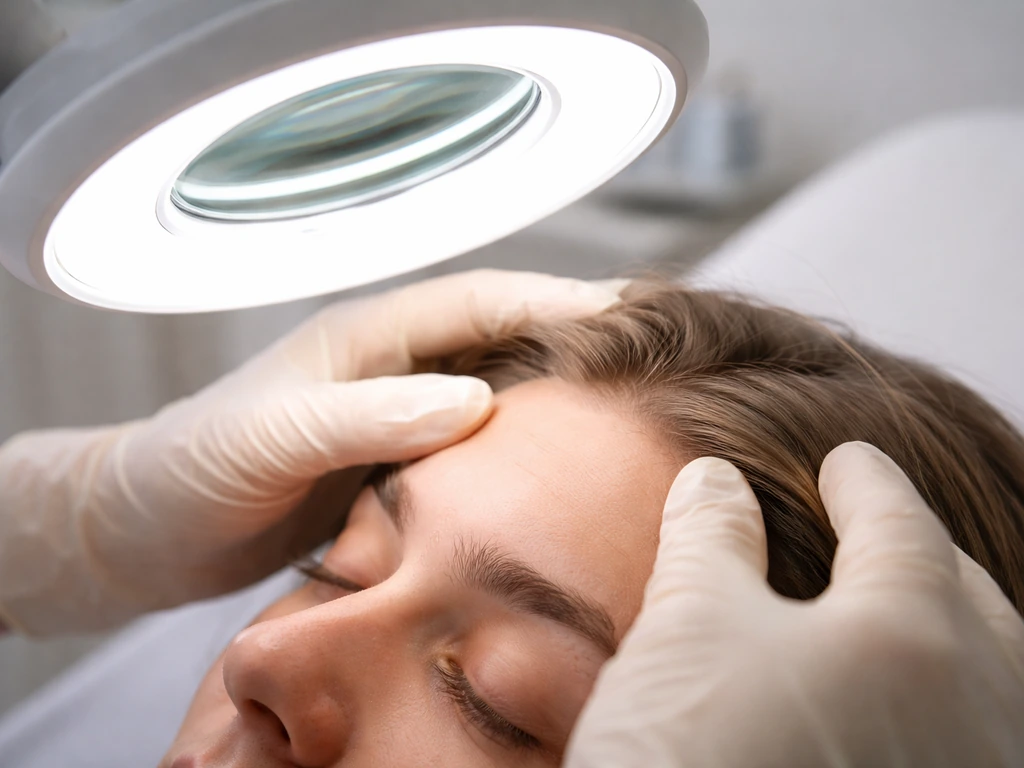
Most of the time, longer or uneven brow hairs are just a normal part of aging and not a red flag. Many people ask why don't my eyebrows grow, especially when they notice long outlier hairs alongside areas that seem thinner. But there are situations where a dermatologist visit is genuinely the right next step, and it's worth knowing what to watch for.
- Sudden, noticeable thinning or patchy loss in the brows, especially if it developed over weeks rather than years: this warrants investigation for conditions like alopecia areata, which causes non-scarring loss that is often reversible with treatment.
- Loss specifically of the outer one-third of both eyebrows: this is a classic presentation of hypothyroidism, and a simple blood test can rule it out.
- Persistent itching, burning, or tenderness around the brow hairline: these are potential signs of frontal fibrosing alopecia or lichen planopilaris, both of which are scarring alopecias that require prompt diagnosis and treatment before permanent follicle damage occurs.
- Significant asymmetry that appeared suddenly rather than gradually: asymmetric brow hair loss or unusual growth on one side can be a sign of a localized inflammatory or dermatological process.
- Skin changes alongside the hair changes: redness, scaling, or thickening of the skin around the follicles alongside abnormal regrowth patterns warrants a dermatology evaluation, not just a grooming adjustment.
If the changes are gradual, symmetric, and arrived alongside other signs of normal aging, you're almost certainly dealing with standard age-related follicle changes rather than something that needs medical attention. But if anything feels sudden, asymmetric, or is accompanied by skin symptoms, don't just manage it with a spoolie. Get it looked at. Scarring alopecias, in particular, are conditions where early intervention makes a real difference to long-term outcomes.
The bottom line: longer eyebrow hairs with age are a real, biology-driven phenomenon tied to follicle cycle changes, hormone shifts, and the uneven way individual follicles respond to getting older. Trimming is the safest short-term fix, plucking works for precision, and if thinning is also part of your picture, rosemary oil and minoxidil 2% are your most evidence-supported options. Give any treatment at least three months before reassessing, and keep an eye out for the red flags above that suggest something more than routine aging is going on.
FAQ
Why do I keep getting one eyebrow hair that always grows longer than the rest, even though the pattern is aging-related?
That usually comes from follicle-level “desynchronization,” where one or a few follicles keep cycling with a longer active (anagen) window than neighboring follicles. It can be consistent in the same spot because those follicles have stable local sensitivity differences, so the outlier hair effectively repeats. If it’s the only problem, trimming is the lowest-risk way to manage it, and repeated tweezing of the same follicle can increase irritation over time.
Will shaving or waxing make my eyebrows grow longer faster?
Shaving and most forms of trimming do not change the follicle cycle, they only remove hair that is already present. Waxing and plucking remove hair at the root and can delay regrowth for weeks, but the “long” look in aging is driven by prolonged anagen in specific follicles, not by what you removed last time. If your goal is to reduce the straggly look, trimming between regrowth cycles is usually more predictable than waxing.
How often should I trim long eyebrow hairs so I do not end up with patchy-looking brows?
Trim only the hairs that clearly extend beyond your natural brow line, and recheck every 1 to 2 weeks, since eyebrow hairs can vary in growth and direction. Use a spoolie to guide hairs upward and outward as they sit naturally. Avoid repeatedly cutting the same short length too aggressively, because over-trimming can make the brow edge look uneven even if the follicles are fine.
Is tweezing safe if I’m only removing a few long outlier hairs?
For occasional, targeted tweezing it can be reasonable, especially if you stop once the edge looks even. The risk rises when tweezing becomes frequent or extended over years, because chronic inflammation and follicle trauma can contribute to sparse regrowth or color changes. If you notice the same spot becoming thinner over months, switch to trimming or consider a medical evaluation if thinning accelerates.
What signs suggest my longer eyebrows are not just normal aging?
Consider a dermatologist if the change is sudden, rapidly progressing, markedly asymmetric, or accompanied by symptoms like redness, scaling, itching, pain, or patchy loss that looks like more than “one stray hair.” Also seek evaluation if you see smooth, shiny patches, eyebrow recession with scalp hair loss, or any hint of scarring on the skin. Early treatment matters most for scarring alopecias.
Can minoxidil accidentally make the hair on the sides of my face grow more?
Yes. Minoxidil can cause unwanted hair growth if it spreads to skin you did not intend to treat, especially near the eyelids and upper cheeks. Apply a tiny amount carefully to the brow area, use a clean applicator, and wash your hands right after. If you get any unexpected new hair growth, stop and talk with a dermatologist about adjusting technique or alternatives.
How long should I wait before judging castor oil or rosemary oil results for longer or fuller brows?
Plan on at least 8 to 12 weeks for castor oil to see any change, and about 3 to 4 months for rosemary oil, since eyebrow follicles still require time to move through growth cycles. If you are only trimming the outliers, you may not “see” oil results because trimming instantly changes appearance. For best assessment, keep your grooming consistent while you evaluate.
If my eyebrows look longer but also thinner, what approach usually makes the biggest difference?
In mixed cases, manage the appearance short-term by trimming the outlier hairs, then address thinning with evidence-based options if appropriate. Many people use minoxidil 2% for hypotrichosis-type thinning while adding an oil routine as supportive care, but the key is consistent use for 3 to 6 months before expecting measurable improvement. If thinning is patchy or scaly, get checked first rather than self-treating for months.
Why does one eyebrow seem longer than the other, even if I age the same way overall?
Local differences matter. Tiny variations in follicle sensitivity, hormone responsiveness, and microcirculation between left and right brow areas can create asymmetry, so one side can develop prolonged anagen outliers while the other stays more uniform. Also, product contact patterns, sleep habits, and grooming differences can make one side look longer even when follicle behavior is similar.
Does retinoid use, exfoliating acids, or sensitive skin change which option is safest for long hairs?
Yes. These can increase irritation risk, and waxing is especially problematic when skin barrier function is already stressed. Trimming is typically the safest baseline method. If you’re considering minoxidil or any topical oil, patch-test first and avoid applying near the eyelids, then stop if you develop persistent burning, swelling, or a rash.
Next Article
Why Don’t Eyebrows Grow Longer? Causes and What Helps
Why brows stop growing: growth-cycle limits, regrowth after tweezing, and step-by-step options to help safely.