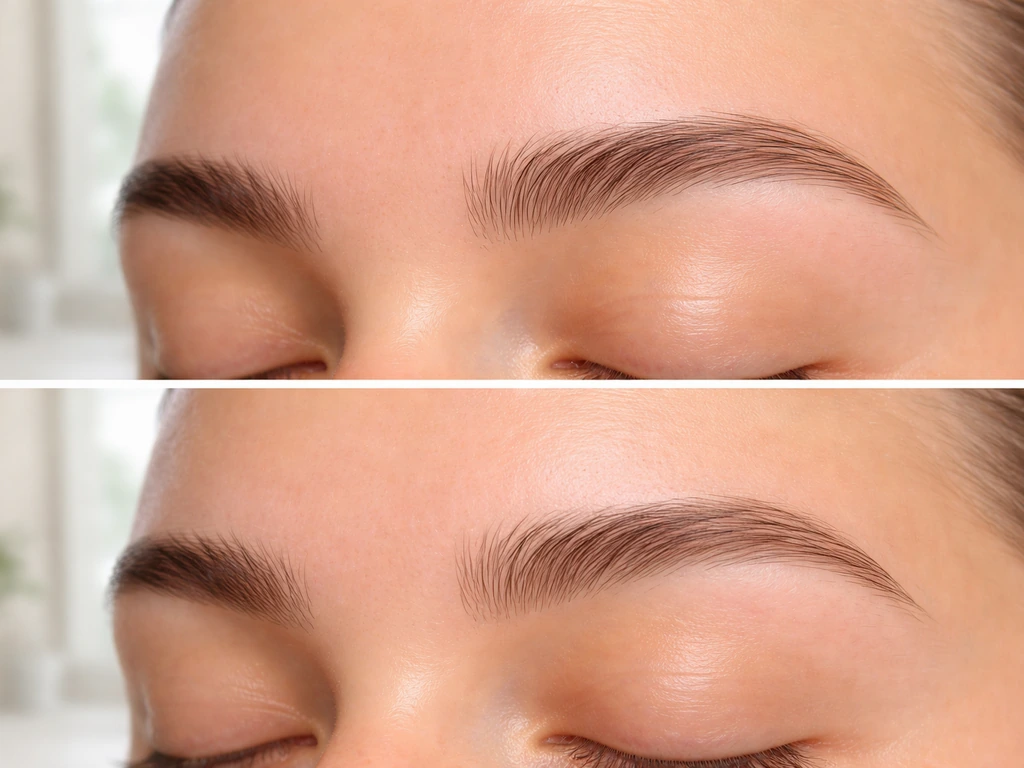
Eyebrows don't grow longer because their hair follicles are programmed to stop growing after just 2 to 3 months, then rest for another 2 to 3 months before cycling again. If your eyebrows seem to grow so fast, it usually comes down to the amount of time your brow follicles spend in the active growth phase (anagen), plus individual variation in that cycle why do my eyebrows grow so fast.
Why Don’t Eyebrows Grow Longer? Causes and What Helps
James Whitmore
28 May 2026
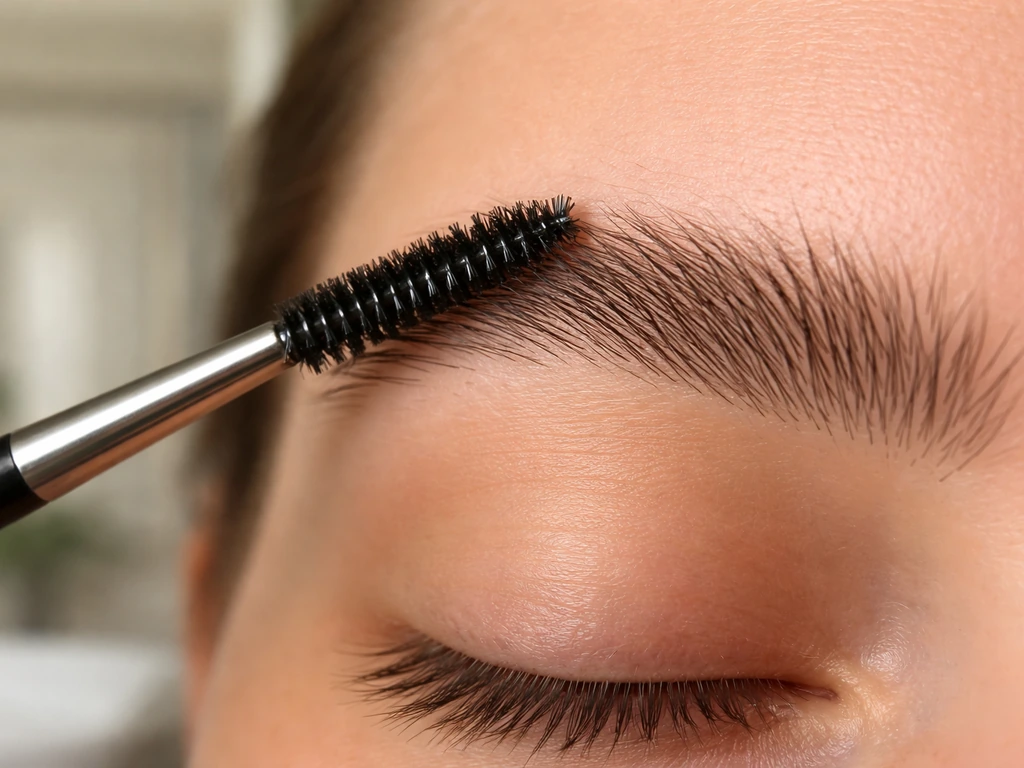
That short active growth window is the whole story. Scalp hair can stay in its growing phase for 2 to 6 years, which is why it can reach your waist. Brow hair gets a fraction of that time, so it reaches a fixed length and falls out before it ever gets long enough to droop into your eyes. This isn't a deficiency or damage, it's how brow follicles are built.
How eyebrow hair growth actually works
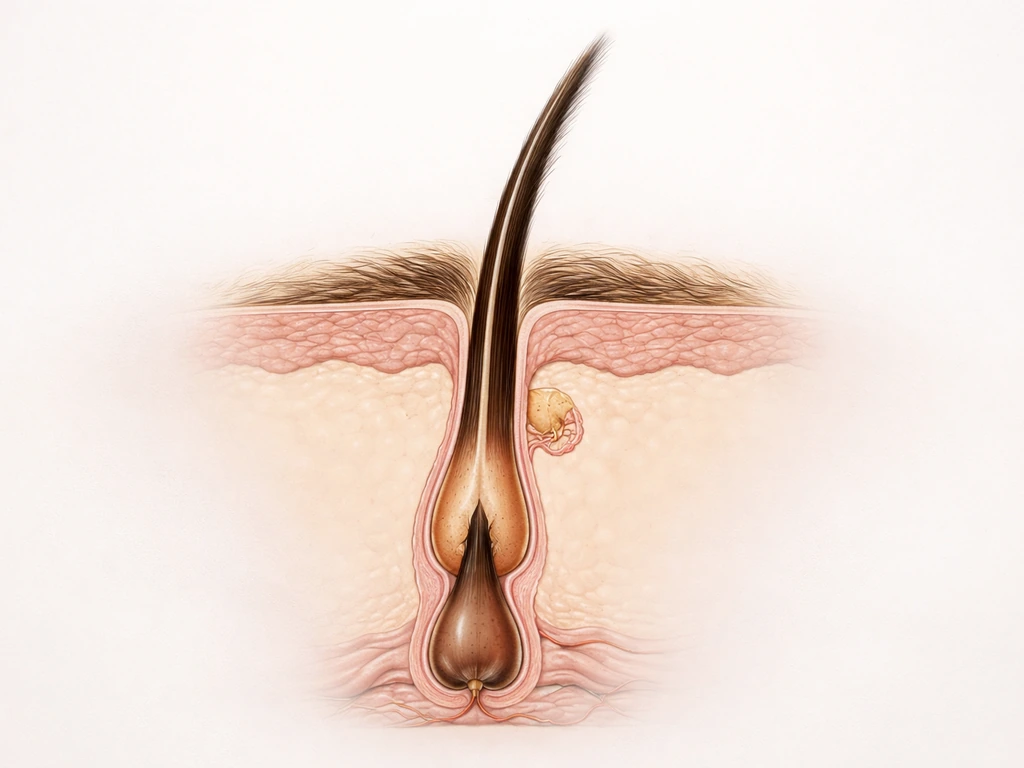
Every hair on your body follows the same basic three-stage cycle: anagen (active growth), catagen (transition), and telogen (rest and shedding). The follicle structure is essentially the same whether it's on your scalp, your leg, or your brow. What differs dramatically is the timing of each phase at each site.
Scalp follicles spend roughly 90% of their time in anagen, growing about half an inch per month for years at a stretch. Eyebrow follicles flip that ratio almost completely, they spend roughly 90% of their time in telogen (the resting phase) and only about 10% in active growth. That's not an estimate; blank" rel="noopener noreferrer">dermatology literature puts the anagen-to-telogen ratio at approximately 1:9 for brow hair versus 9:1 for scalp hair.
Healthline similarly reports that eyebrow (and pubic) hair have a much shorter anagen phase than scalp hair the anagen-to-telogen ratio at approximately 1:9 for brow hair versus 9:1 for scalp hair. Telogen for brow hair typically lasts around 100 days.
During that resting window, the old hair sits in the follicle or falls out, and no new growth is visible yet.
The catagen phase, the brief transition between growing and resting, lasts roughly 2 to 3 weeks for brow hair, similar in proportion to other body sites. The whole cycle from new growth to shedding takes somewhere in the range of 4 to 6 months for most people, though genetics push that window in either direction.
Why brows stop at a certain length
The length of any hair is basically a multiplication problem: growth rate multiplied by time in anagen. Brow hair grows at a similar rate per day to scalp hair (roughly 0.14 to 0.16 mm per day), but since anagen only lasts 2 to 3 months, the maximum length a brow hair can reach before it sheds is roughly 10 to 15 mm, about half an inch to just over half an inch. That's why your brows naturally stay short and tidy without ever needing a trim the way your scalp hair does.
Once a brow hair exits anagen, growth stops completely. The follicle isn't broken, it's just resting. No serum, oil, or supplement changes this ceiling in a dramatic way. What growth-supporting ingredients can do is help follicles stay in anagen a little longer, reduce premature shedding, and make sure follicles that are supposed to be active actually are.
Why some brow hairs grow longer than others
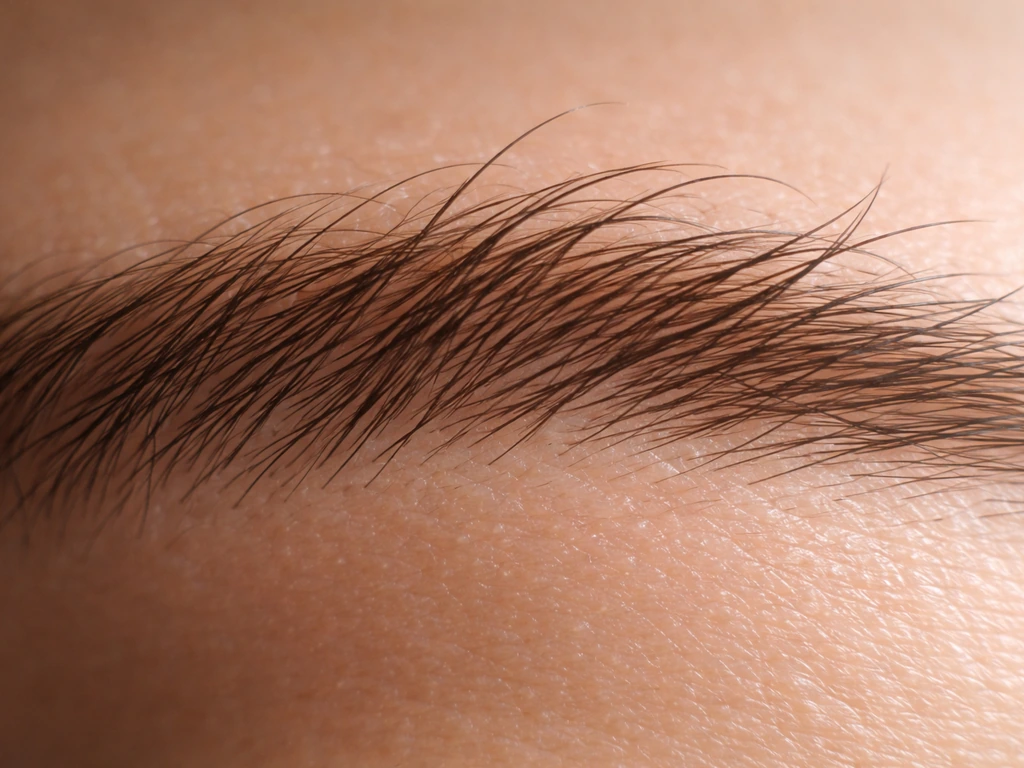
You've probably noticed a few rogue hairs that seem to grow much longer than the rest, sometimes curling upward or sticking out past the natural brow edge. This happens because individual follicles have slightly different anagen durations, and a small number of brow follicles happen to have a longer active phase than average. It's the same reason some people naturally have longer brow hairs than others. Age plays into this too: as testosterone and other androgens shift over the decades, some brow follicles (particularly in men) extend their anagen phase, producing those famously long, wiry hairs. If you've ever wondered why eyebrows seem to grow longer with age in older men, that hormonal shift is the main driver.
Follicle-to-follicle variation is also why growth serums or nutritional changes tend to show uneven early results, some follicles respond faster depending on where they are in their individual cycle when you start treatment.
Why brows can be slow to return after grooming
Shaving, waxing, threading, and tweezing all remove the visible hair but affect the follicle differently, and understanding the difference matters for setting realistic expectations.
Shaving cuts the hair at the surface and leaves the follicle completely intact. Regrowth starts immediately and you'll see stubble within days. The hair may look thicker or darker as it grows back because the blunt tip catches more light, but the follicle itself is unaffected.
Tweezing, threading, and waxing pull the hair from the root. If the follicle was in anagen (actively growing), removing the root sends it into catagen and then telogen early. The follicle then has to complete that resting phase before starting a new growth cycle, which can take 2 to 3 months or longer before you see visible regrowth. This is why over-tweezed brows can look sparse for months after you stop grooming them.
Repeated pulling from the same follicle over many years can cause what's called traction-related follicle damage or even follicle miniaturization, where the hair that eventually grows back is finer and shorter. This is not reversible with serums alone in severe cases. If you've been aggressively tweezing the same area for a decade or more and see very little regrowth after 4 to 6 months of leaving it alone, that's worth discussing with a dermatologist.
What causes sparse or slow-growing brows
Sparse brows and slow regrowth have several different root causes, and the right fix depends on which one (or combination) applies to you.
Genetics
Some people simply have fewer active brow follicles, shorter individual anagen phases, or finer hair texture due to genetics. If your parents have sparse brows, there's a reasonable chance you will too. Genetics set the baseline, you can optimize around it, but you won't override it completely.
Hormonal changes
Thyroid dysfunction (both hypothyroidism and hyperthyroidism) is one of the most common medical causes of eyebrow thinning, particularly at the outer third of the brow. Low thyroid hormone slows the entire hair cycle. Menopause-related estrogen decline, polycystic ovary syndrome (PCOS), and other hormonal shifts can also reduce brow density. If brow thinning came on gradually alongside other symptoms like fatigue, weight changes, or dry skin, thyroid testing is a sensible first step with your doctor.
Nutrition gaps
Iron deficiency, low ferritin, biotin deficiency, and low protein intake are all associated with hair shedding and slower regrowth across the body. Biotin gets the most marketing attention, but it's worth noting that biotin deficiency is genuinely rare unless you have a specific medical condition or eat a diet very heavy in raw egg whites (which block biotin absorption). That said, iron and protein deficiencies are quite common, especially in people who menstruate heavily or follow low-calorie diets. A basic blood panel can tell you whether nutrition is actually a factor for you.
Stress
Significant physical or emotional stress can push hair follicles across the body into telogen prematurely, a condition called telogen effluvium. You typically notice the shedding 2 to 3 months after the stressful event, not during it. The good news is that telogen effluvium-related brow thinning usually reverses once the stressor resolves, though it can take several more months to see meaningful regrowth.
Medications
Several medications list hair loss as a side effect, including retinoids (like isotretinoin), beta-blockers, anticoagulants, certain antidepressants, and chemotherapy agents. If your brow thinning started around the same time as a new medication, mention it to your prescribing doctor. Don't stop medication without guidance, but do have the conversation.
Skin conditions at the brow site
Seborrheic dermatitis, eczema, psoriasis, and alopecia areata can all affect brow follicles directly. Seborrheic dermatitis in particular is common along the brow area and can cause scaliness, itching, and inflammation that disrupts follicle function. Unlike scalp seborrheic dermatitis, it's often overlooked on the brows. Alopecia areata can show up as distinct patchy loss rather than diffuse thinning and tends to come on relatively quickly.
Practical ways to get longer, fuller brows
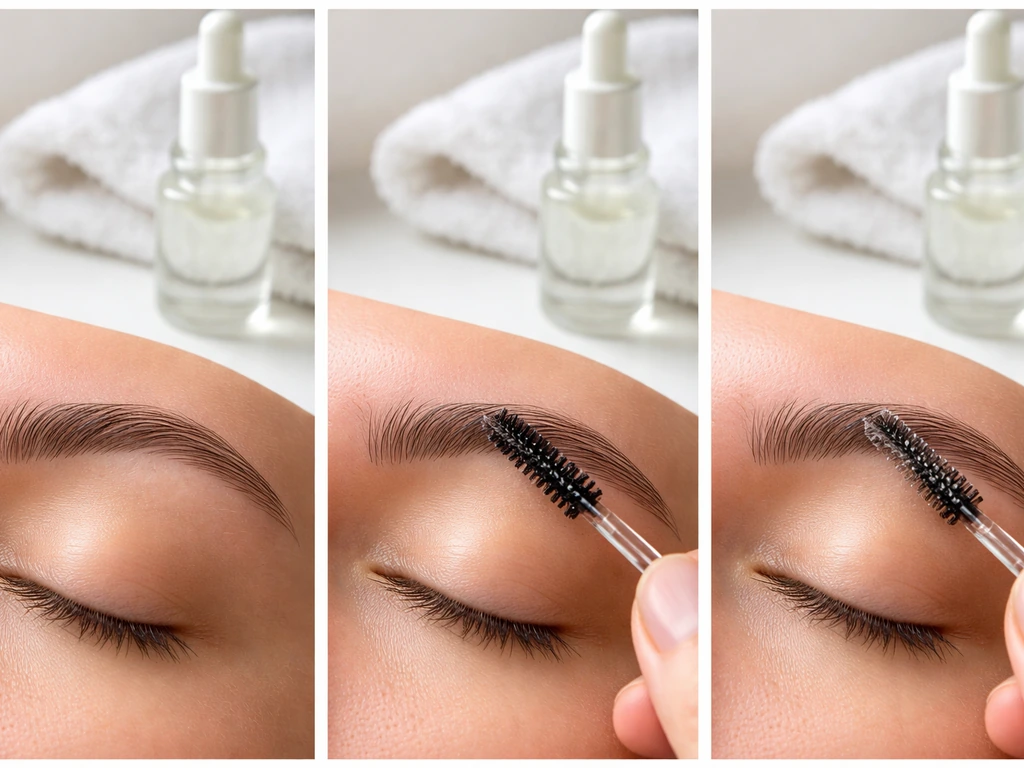
There is no overnight fix here. A single brow hair cycle takes 4 to 6 months, so you need to commit to at least that long before judging whether an approach is working. Here's what the evidence actually supports, and how to put it together into a realistic routine.
Stop over-grooming immediately
If you're still tweezing, threading, or waxing aggressively, that's the first thing to address. Every time you pull a hair that's in anagen, you reset that follicle's clock back to zero. Give your brows at least 4 months of complete rest from root-removal grooming and only trim (with small scissors) any hairs that have genuinely grown past where you want them.
Castor oil
Castor oil is the most popular brow growth remedy, and while it doesn't have large clinical trials behind it, it's also essentially risk-free. Ricinoleic acid, its main component, has shown anti-inflammatory properties in small studies, and inflammation around the follicle can impair growth. Apply a small amount to clean brows with a spoolie or cotton swab each night. Don't expect dramatic length changes, but many people find it keeps existing hairs conditioned and reduces breakage, which does help brows look fuller. Give it 2 to 3 months of consistent nightly use before deciding whether it's doing anything for you.
Rosemary oil
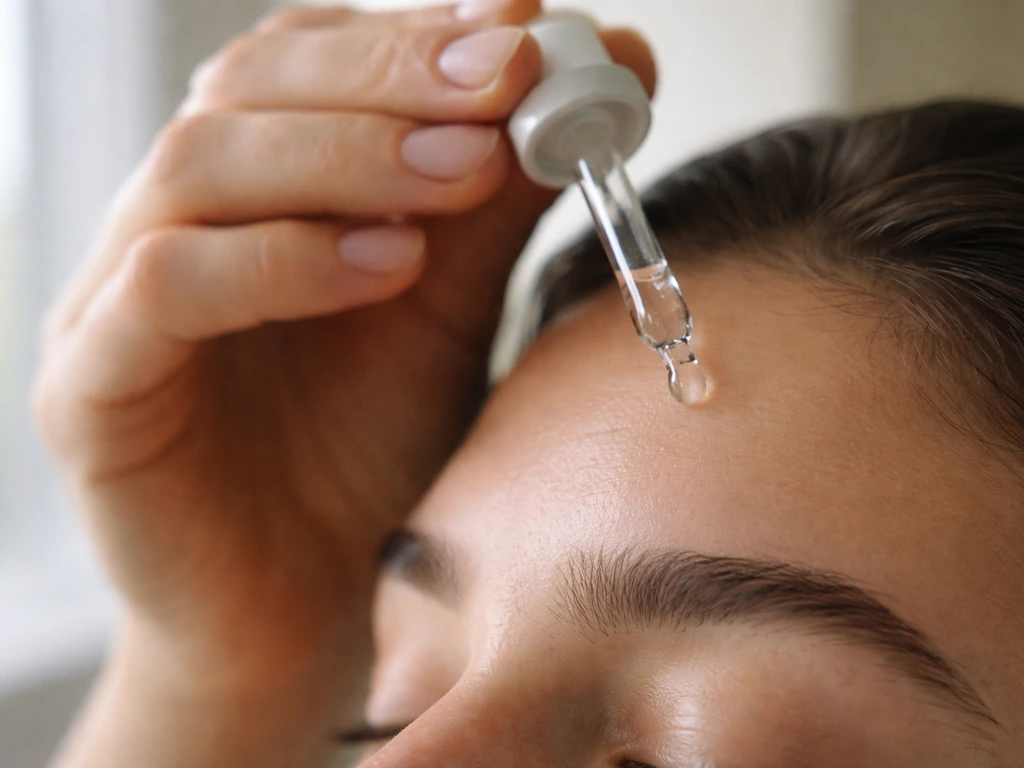
Rosemary oil has more clinical backing than castor oil for hair growth specifically. A 2015 study comparing rosemary oil to 2% minoxidil for scalp hair found comparable results at 6 months. It's not a brow-specific study, but the mechanism (improved scalp/skin circulation and follicle stimulation via rosmarinic acid) is plausible for brows too. Dilute it to around 2% in a carrier oil like jojoba (roughly 12 drops of rosemary essential oil per tablespoon of carrier), apply nightly, and massage gently for a minute or two. Patch test first, some people react to rosemary oil on sensitive skin.
Minoxidil (with clear caveats)
Topical minoxidil is the most evidence-backed option for stimulating hair regrowth and is widely used off-label for brows. It works by extending the anagen phase and increasing follicle size. A 2% solution applied once daily to the brow area is the typical starting point for off-label brow use. Important safety notes: minoxidil is not recommended during pregnancy or breastfeeding, and it requires ongoing use, stopping it typically causes the regrowth to shed within a few months.
[The FDA-referenced assessment timeline for scalp hair is about 4 months](https://www. accessdata. fda. gov/drugsatfda_docs/label/2015/019501Orig1s029lbl.
pdf), and brow results may take similarly long. You should not apply it near the eyes, as it can cause irritation or unintended hair growth in adjacent areas. Use a cotton swab for precise application. Talk to a doctor or dermatologist before starting, especially if you have cardiovascular concerns, as minoxidil was originally a blood pressure medication.
Nutrition and supplements
If you haven't had bloodwork done recently, get your ferritin, iron, vitamin D, and thyroid levels checked before spending money on supplements. Correcting an actual deficiency (ferritin under 30 ng/mL is often considered low for hair growth) can make a real difference. If bloodwork is normal, a biotin supplement is low-risk but probably unnecessary. Focus instead on getting enough protein (hair is made of keratin, which is protein), at least 0.7 to 1 gram per pound of body weight daily is a reasonable target for hair support.
A simple daily brow routine
- Cleanse the brow area gently each evening to remove makeup, sunscreen, and debris that can clog follicles.
- Apply your chosen oil (castor, rosemary blend, or both) with a clean spoolie or cotton swab, focusing on sparse areas.
- Massage gently for 1 to 2 minutes to encourage circulation.
- If using minoxidil, apply it after the oil has absorbed or as a separate step, with precise placement using a cotton swab.
- In the morning, brush brows with a clean spoolie and apply a light brow serum if desired — look for peptides (like biotinoyl tripeptide-1) as the active ingredient.
- Avoid picking, pulling, or rubbing the brow area throughout the day.
- Reassess at 12 weeks, then again at 6 months. Take photos in the same lighting to track progress.
How these options compare
| Option | Evidence level | Time to see results | Main risk/limitation | Best for |
|---|---|---|---|---|
| Castor oil | Anecdotal/low | 2–3 months | Minimal; possible breakouts | General conditioning, early-stage thinning |
| Rosemary oil (diluted) | Moderate (scalp studies) | 3–6 months | Skin irritation if undiluted | Natural approach with stronger biological rationale |
| Peptide serums | Moderate | 3–4 months | Cost; variable formulas | People wanting a clean, cosmetic-aisle option |
| Minoxidil 2% topical | Strong (off-label for brows) | 3–5 months | Ongoing use required; not for pregnancy | Significant thinning, slow regrowth after grooming |
| Nutrition correction | Strong (if deficient) | 3–6 months | Requires bloodwork to identify need | Anyone who hasn't checked their levels yet |
If you're starting from scratch and want the safest, lowest-commitment approach, try rosemary oil or castor oil for 3 months while addressing any nutrition gaps. If you're dealing with significant thinning and want the most evidence-backed option, talk to a dermatologist about topical minoxidil. The two approaches aren't mutually exclusive.
When to see a dermatologist
Most slow-growing or sparse brows are just genetics and grooming history, and a consistent at-home routine will move things in the right direction. But there are some signs that warrant a professional evaluation sooner rather than later.
- Distinct bald patches in the brow rather than diffuse thinning — this pattern is more consistent with alopecia areata, which has specific treatments
- Itching, flaking, or redness along the brow ridge that doesn't clear up with a gentle over-the-counter antifungal or hydrocortisone — could indicate seborrheic dermatitis or psoriasis requiring prescription treatment
- Rapid or abrupt brow thinning that came on over weeks rather than months, especially if accompanied by other symptoms like fatigue, hair loss elsewhere, or changes in weight or temperature sensitivity
- Complete non-regrowth after 6 months of leaving brows completely alone after grooming — particularly in areas you've tweezed heavily for years
- Brow hair that breaks rather than falls out cleanly, or feels unusually dry and brittle, which can signal a nutritional issue or thyroid dysfunction
- Any skin lesion, growth, or unusual texture change in the brow area that wasn't there before
A dermatologist can do a dermoscopy of the brow follicles, order relevant bloodwork, and determine whether you're dealing with follicle damage, a skin condition, a systemic issue, or just slow genetics. Getting a clear diagnosis saves months of trying the wrong approach.
Realistic expectations going forward
The biology here is worth keeping front of mind: brow follicles are not like scalp follicles, and no product changes that fundamental reality. What you can do is support the follicles you have, keep them healthy, avoid grooming damage, and address any underlying causes of slowdown. If you're coming from over-tweezed brows, expect 4 to 6 months before you see real density return, and up to a full year if the follicles were stressed for a long time.
If you're dealing with a medical cause like thyroid dysfunction and you treat it, regrowth typically follows in the months after your levels normalize. Progress is slow and often uneven early on, which is why the photo-tracking approach is genuinely useful, it's hard to notice small changes week to week without a baseline comparison.
If you've noticed your brow growth rate seems unusually fast compared to most people, or you're curious about how individual growth speed varies, those questions about the pace of brow cycling are worth exploring separately, as they involve a different set of factors than length limits.
FAQ
If eyebrows only grow for 2 to 3 months, is there any way to “reset” them so they grow longer on their own?
You can’t reprogram the follicle’s built-in cycle length, but you can help it run without being forced into early shedding. The most practical “reset” is stopping root-removal grooming (tweezer, threading, waxing) and giving the area a full 4 to 6 months before judging results, since visible change still depends on when follicles re-enter active growth.
Why do some people’s eyebrow hairs get longer than others, even if everyone has the same biology?
Even with the same general timing, follicle-to-follicle differences mean a small subset of brows may have longer active phases, so those individual hairs can extend farther before shedding. That’s why “one or two long wiry hairs” is usually normal variation, not a sign something is seriously wrong.
Does trimming my eyebrows make them grow longer or just change the shape?
Trimming only changes what you see, it doesn’t affect follicle growth rate or the anagen window. To avoid giving the wrong impression, trim only hairs that have clearly grown past your target line, and otherwise wait, because the true regrowth timeline still runs on a 4 to 6 month cycle.
How long should I wait after stopping over-tweezing before my brows look normal again?
Visible density and regrowth often lag, not improve right away. A reasonable expectation is 4 to 6 months to start seeing meaningful return, and up to a year if the same follicles were repeatedly pulled for years, especially in the outer third of the brow.
Why do my eyebrows seem to grow in patches instead of getting uniformly longer?
Patchy regrowth commonly reflects where follicles were in their individual cycle when you started (or when you stopped trauma), and whether a skin condition is disrupting certain areas. It can also be seen with conditions like alopecia areata, so rapid, distinct patch loss deserves a clinician check sooner rather than later.
Can eyebrow growth serums make eyebrows grow longer without extending the anagen phase?
Many products improve appearance by reducing breakage, conditioning hair shaft, and temporarily thickening the look, even if true length is capped by cycle timing. If you’re not seeing change after about 4 months of consistent use, it usually means you’re hitting the normal length ceiling or a driving cause like thyroid issues, dermatitis, or grooming trauma.
Do I need bloodwork if my brows are thinning, or can I just start a supplement?
Bloodwork is most useful when thinning is gradual or comes with other symptoms (fatigue, weight changes, dry skin) or heavy menstrual bleeding. In that situation, checking ferritin/iron, vitamin D, and thyroid levels helps prevent “trial and error,” because correcting an actual deficiency can change shedding and regrowth more than generic supplements.
Is rosemary oil or castor oil likely to make my eyebrow hairs significantly longer?
They may help with conditioning and perceived fullness, and they can reduce breakage, but dramatic length changes are not guaranteed because the follicle cycle still limits maximum length. Give either option a consistent 2 to 3 months before deciding it’s not helping, and remember uneven results are common.
If I use minoxidil for eyebrows, what’s the most common mistake that ruins results?
Using it inconsistently or stopping after a short trial. Minoxidil’s regrowth depends on continued use, and stopping typically leads to shedding within a few months, so set expectations for at least 4 months of consistent application and plan for ongoing commitment if you get benefits.
Where should I apply minoxidil to avoid irritation or unwanted hair growth near my eyes?
Use precise, low-mess application (often with a cotton swab) directly along the brow area only. Avoid the lash line and the skin right next to the eye, and discontinue or seek advice if you get redness, burning, or spread to nearby unintended areas.
Why do my brows shed more 2 to 3 months after stress, illness, or a diet change?
Stress and systemic events can push follicles toward the resting phase, telogen effluvium. The delay is a key clue, shedding tends to show up after the triggering event by about 2 to 3 months, and regrowth usually follows once the trigger resolves, but still takes multiple cycles.
Can medications cause eyebrow thinning, and how do I figure out if that’s what’s happening?
Yes, some prescriptions can list hair loss as a side effect, and the timing matters. If thinning started within weeks to a few months of beginning a new medication, bring it up with the prescriber before making any changes, since stopping or switching may not be appropriate without medical guidance.
What signs mean I should see a dermatologist instead of trying home treatments first?
See a clinician sooner if you have rapid patchy loss, significant scaling and itching that suggests dermatitis, eyebrow loss mainly in the outer third with other systemic symptoms, or very slow regrowth after 4 to 6 months of avoiding trauma. Dermoscopy and targeted bloodwork can prevent months of using the wrong approach.
Next Article
Why Don’t My Eyebrows Grow Back? Causes and Fixes
Find eyebrow growth cycle causes and fixes for stalled or lost brows, with timelines and a step-by-step plan.