
Yes, transplanted eyebrow hair genuinely does grow long. That's actually one of the most important things to understand before going into this procedure. Because the follicles come from your scalp, they keep their original programming, which means they can grow far beyond the length of a natural eyebrow hair. In practice, most people end up trimming their transplanted brows regularly, sometimes every one to two weeks, to keep them looking like actual eyebrows and not like a patch of scalp hair migrated onto your face. Whether that maintenance is worth it depends entirely on where you're starting from, so let's break down exactly what's happening biologically and what to realistically expect.
Does Eyebrow Transplant Hair Grow Long? Timeline and Results
James Whitmore
24 Mar 2026
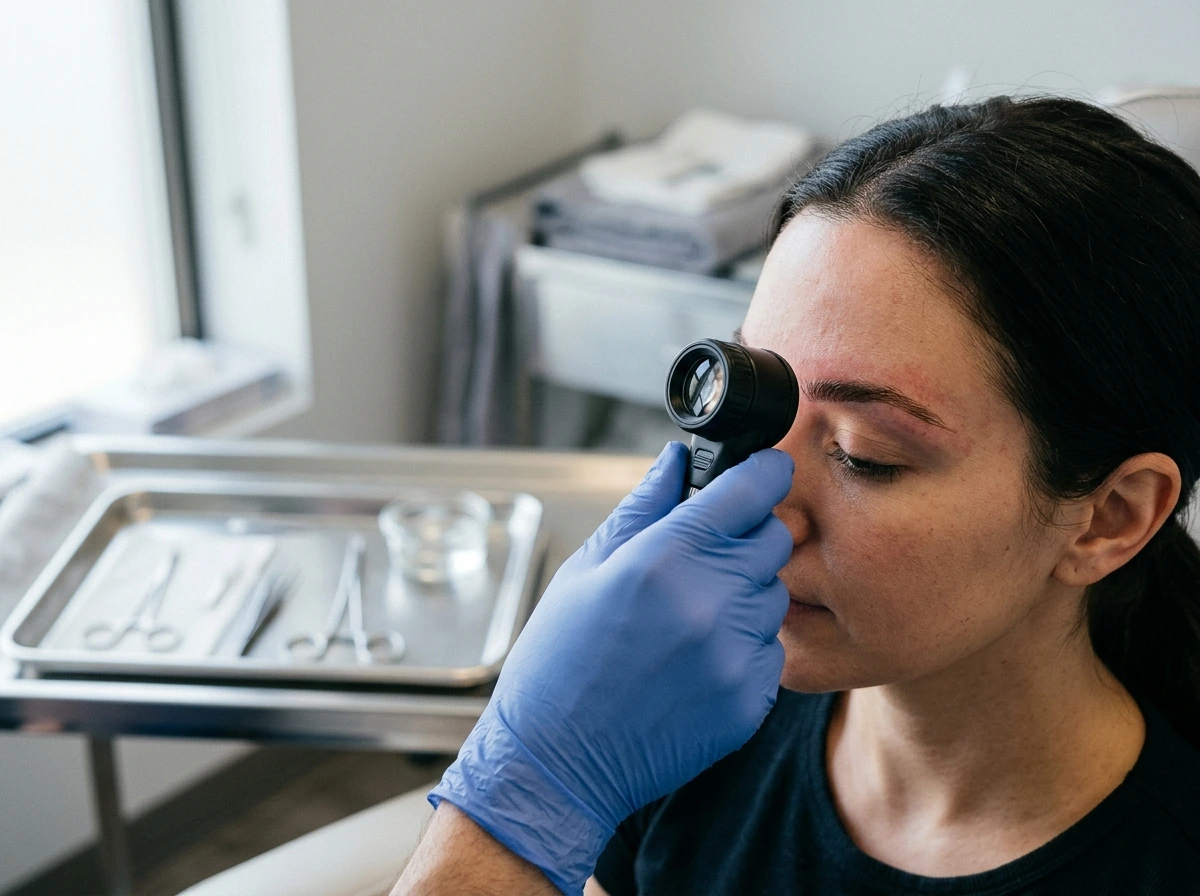
What eyebrow transplants are actually doing
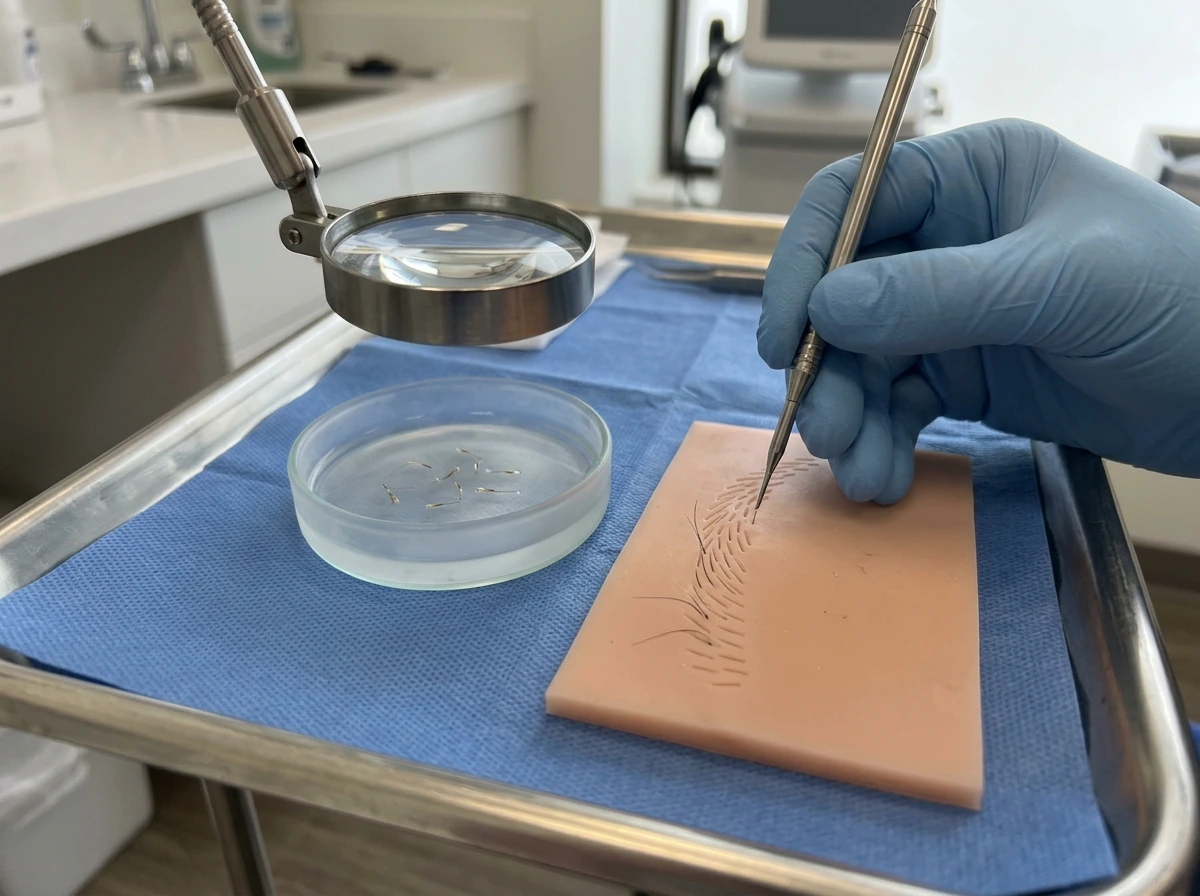
An eyebrow transplant moves living hair follicles from a donor area, almost always the scalp, and implants them into the brow region. The most common technique today is follicular unit extraction, or FUE, where a surgeon removes individual hair grafts one by one rather than cutting a strip. Each graft is a single follicular unit, typically containing one to two hairs. The scalp at the back of the head is the most popular donor site because the hair there tends to be fine enough to approximate eyebrow hair texture, though it's still notably different from your natural brow hairs.
Once harvested, those follicles are implanted into tiny slits made in the brow area. This part of the surgery is genuinely artful: the slits have to be created at a very acute angle, almost flush with the skin surface, so the transplanted hairs lie flat against the skin the way natural brow hairs do. Natural eyebrow hairs don't stand up; they grow nearly parallel to the skin. Getting that angle wrong means hairs that stick out at odd angles and look obviously unnatural. A skilled surgeon also pays close attention to the direction each hair needs to grow, since eyebrow anatomy involves different growth directions across the head, arch, and tail sections. Some clinics even use a long-hair FUE approach, leaving extra length on the harvested grafts specifically so the surgeon can assess hair direction before implanting each one.
Does transplanted eyebrow hair grow long? What length to actually expect
Here's the core answer: yes, transplanted eyebrow hair will grow long if you let it, but your natural eyebrow hairs would never do that on their own. The reason comes down to hair cycle length. Natural eyebrow hairs have a growth cycle of roughly four months, which is why they stay short. The anagen (active growth) phase is just short, so the hair falls out before it gets long. Scalp hair, by contrast, stays in active growth for three to four years, which is how it can reach your shoulders or beyond.
When you transplant a scalp follicle into your brow, it keeps its scalp programming. It doesn't suddenly adopt a four-month cycle because it's in a new location. That follicle will continue growing on its longer scalp schedule, which means without trimming, you'd have hairs growing centimeters long over your brow. This is not a minor inconvenience. It's a routine part of owning transplanted brows. Most people trim every one to two weeks, similar to trimming a beard or shaping any body hair. A few surgeons try to select donor hair that naturally tends toward finer, slower growth, but there's no way to fully override the follicle's built-in cycle.
In practical terms, the usable length at any given time is whatever you trim to, typically two to five millimeters for most brow styles. You have more styling control than you'd ever get with natural brow hairs, but you also have more upkeep. Think of it as trading one problem (thin or absent brows) for a different kind of management (regular grooming).
The growth timeline: shedding, regrowth, and when results actually look full
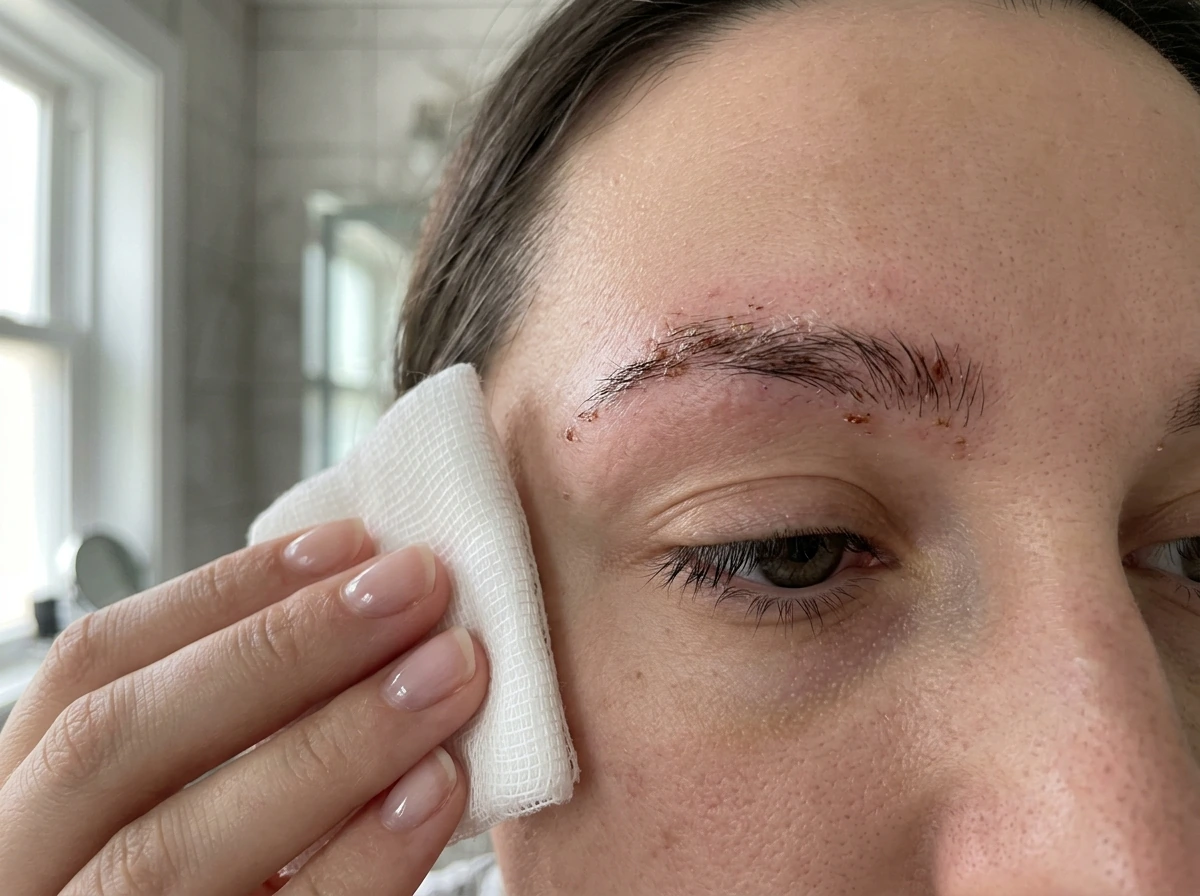
The timeline after an eyebrow transplant is one of the most misunderstood parts of the whole process, and it catches a lot of people off guard. Here's what actually happens, phase by phase. how long does it take for eyebrow transplant to grow
- Days 1 to 14: The implanted hairs are in place but the follicles are healing and establishing blood supply. Scabbing around each graft is normal. You'll be told not to rub, scratch, or wet the area aggressively during this window.
- Weeks 2 to 4: Most transplanted hairs shed. This is called shock loss, and it is completely normal. The hair shaft falls out but the follicle stays in the skin. Many people panic here thinking the procedure failed. It hasn't.
- Months 1 to 3: The area looks sparse or even worse than before surgery. The follicles are in a resting phase. Patience is genuinely required at this stage.
- Months 3 to 4: New hair shafts begin emerging from the implanted follicles. Growth starts slowly and the hairs may look a bit wispy or uneven at first.
- Months 6 to 9: Density visibly improves. Most people start to see results that look like actual eyebrows during this window.
- Months 9 to 12: This is when most surgeons consider the result 'full.' Some sources put complete stabilization closer to ten to twelve months. Maximum density can continue improving right up to the one-year mark.
If you're familiar with how long it takes eyebrows to grow back after shaving or waxing, you'll know that even natural brow regrowth takes months. Transplant regrowth operates on a similar general timeframe but with the added variable of follicle shock and re-establishment. The difference is that once those follicles take hold, the results are meant to be permanent in a way that natural regrowth from a damaged follicle isn't. how long do eyebrows take to grow back after threading
How long the results last and whether they change over time
For most healthy patients with no underlying scalp conditions, transplanted eyebrow follicles are considered permanent. The follicles retain their inherent biological characteristics and continue growing for the rest of your life, which is why long-term grooming is part of the deal. You're not getting temporary results that fade after a few years like a tattoo or microblading.
That said, there are situations where longevity is genuinely uncertain. If your eyebrow loss is caused by an active autoimmune or scarring condition, like frontal fibrosing alopecia (FFA), the same process that destroyed your original follicles can attack the transplanted ones. Published research on eyebrow transplants in FFA patients specifically warns about the high possibility of graft loss over time and notes that long-term follow-up data are limited. For cicatricial (scarring) alopecia more broadly, a systematic review found that graft survival peaks around one year and can diminish after that. A Systematic Review of Follicular Unit Graft Survival Rates After Hair Transplantation in Primary Cicatricial Alopecia reports that follicular unit graft survival peaks at around one year and diminishes over time graft survival peaks around one year and can diminish after that. This doesn't mean transplants are off the table if you have one of these conditions, but it does mean you need a frank conversation with your surgeon and potentially a dermatologist managing the underlying condition before proceeding.
For the average person getting a transplant after over-plucking, trauma, or age-related thinning, the transplanted hairs should genuinely be there for life. You may notice some natural aging changes in hair texture or color over the decades, just as you'd see on your scalp, but the follicles themselves should remain active.
What actually affects your outcome
A lot of people focus entirely on the procedure itself and overlook the variables that determine whether results are good, great, or disappointing. These are the factors that genuinely matter.
Donor hair characteristics
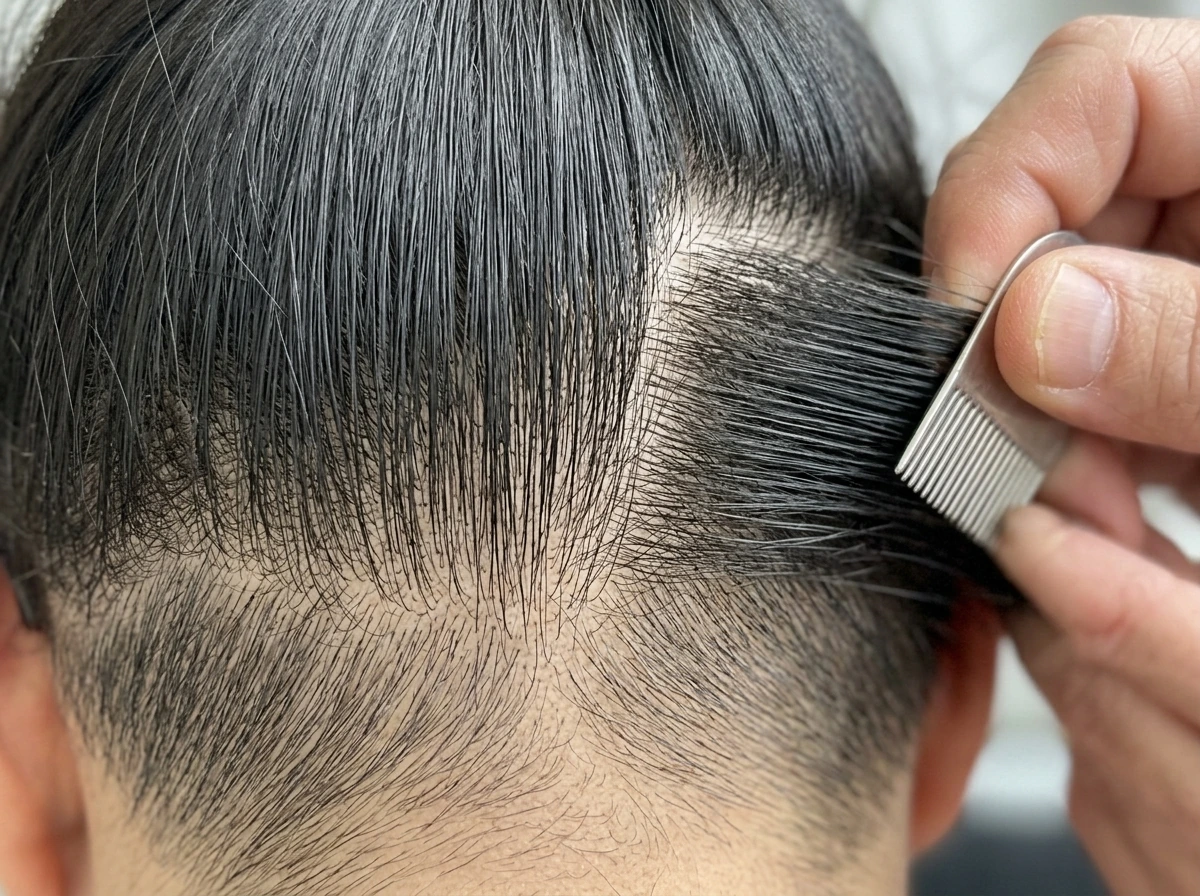
The hair you're transplanting from is a major determinant of how natural the result looks. Fine, straight hair from the back of the scalp tends to work best. Coarse, curly, or very thick hair is harder to make look like an eyebrow hair, even with perfect surgical technique. If your scalp hair is naturally quite different from what you'd want in a brow, discuss this with your surgeon before booking.
Surgeon skill and technique
The acute angle placement I mentioned earlier is technically demanding. Getting each slit at the right angle and direction, consistently, across dozens or hundreds of grafts, separates an experienced eyebrow transplant specialist from someone who primarily does scalp work. Trauma to the follicle root during harvest or implantation reduces survival rates. An average graft survival rate of around 85% is reported in published datasets, but this varies significantly by technique and practitioner.
Graft count and density
More grafts placed in the right positions generally means better density, but there's a ceiling to how many can be safely implanted without compromising blood supply to existing grafts. Typical eyebrow transplants involve anywhere from 50 to 350 grafts per brow depending on how much restoration is needed.
Skin health and scarring at the recipient site
Scarred skin is harder to work with. If your brow loss is from burns, surgery, or scarring alopecia, graft survival rates are generally lower because the blood supply in scar tissue is less robust. This doesn't make transplantation impossible, but it does make realistic expectations even more important.
Aftercare
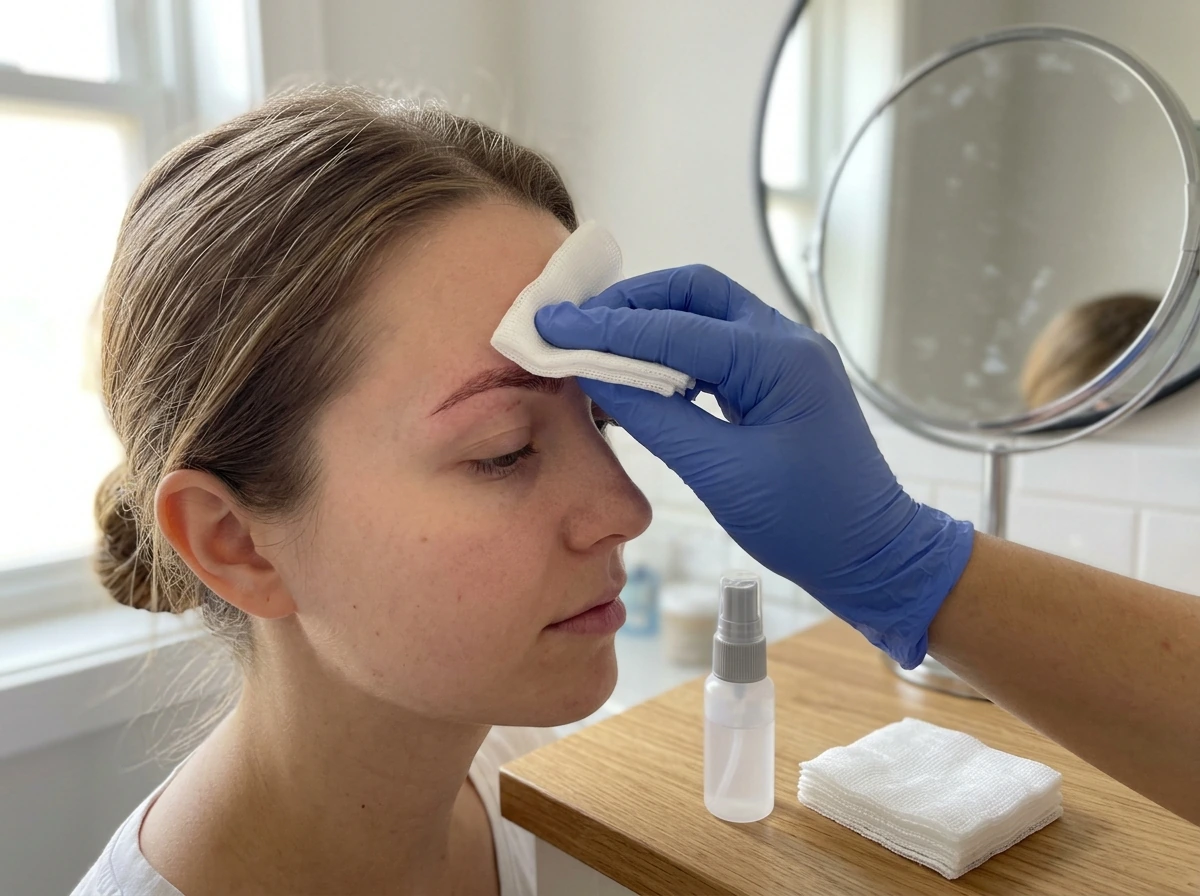
The first two weeks are critical. Avoiding trauma to the grafts, sleeping in the recommended position, keeping the area clean without over-wetting it, and following your surgeon's specific instructions all affect how many grafts survive. This is one variable entirely in your control, and it matters.
Hair texture, color matching, shaping limits, and the reality of ongoing maintenance
No matter how skilled your surgeon is, transplanted scalp hair is not identical to eyebrow hair. The texture is usually similar enough to look natural, especially when groomed and styled, but there can be differences in growth rate, shaft diameter, and how the hair responds to humidity or sweat. Color matching is generally not an issue if you're using your own scalp hair, but slight differences in pigment are possible, particularly at the tips of longer hairs.
Shaping has real limits, so if you're trying to figure out how long to grow out eyebrows to reshape, remember that the transplanted hairs are implanted with a specific direction baked in. You can work with that direction through grooming, but you can't dramatically redirect how hairs grow after the fact. This is why the angle and placement decisions made during surgery are so consequential and why going back to change the shape later is much harder than getting it right the first time. Ask your surgeon specifically how they plan the direction mapping for your brow anatomy before surgery.
On maintenance: trimming is not optional, it's ongoing. Most people find a rhythm of trimming every one to two weeks using small curved scissors or brow trimmers. You should not shave transplanted brow hairs with a razor, because shaving cuts the hair bluntly at the surface and creates a stubble effect that looks very different from the tapered natural tip of a hair. Scissor trimming preserves the natural tip and looks much more realistic. Some people also use a brow gel or wax to train the hairs to lie flat and stay in place, which is genuinely helpful given that scalp-origin hairs may have slightly more movement than your original brow hairs did.
What to consider alongside or instead of a transplant
A transplant is a surgical procedure with real cost (typically $3,000 to $8,000 depending on the clinic and extent of restoration), downtime, and variable outcomes. If your brow loss is mild to moderate, or if you're not ready for surgery, there are evidence-supported non-surgical options worth knowing about.
| Option | How it works | Evidence level | Best for | Key limitation |
|---|---|---|---|---|
| FUE eyebrow transplant | Scalp follicles implanted into brow area | Strong (established surgical procedure) | Significant or permanent brow loss | Cost, surgery, long recovery to full results, ongoing trimming |
| Minoxidil 2% topical | Extends anagen phase, stimulates growth | Good (randomized controlled trial for brow hypotrichosis) | Mild to moderate thinning, non-scarring causes | Must be used continuously; stops working if discontinued |
| Bimatoprost / prostaglandin analogs | Stimulates follicle cycling, increases pigmentation | Moderate (mainly studied for lashes; some brow evidence) | Sparse brows with active follicles present | Possible skin pigmentation changes; prescription required |
| Microblading / brow tattoo | Semi-permanent pigment deposited in skin | Cosmetic only, no follicle stimulation | People wanting immediate visual improvement | Fades over 1 to 3 years, no actual hair growth |
| Castor oil / topical serums | Occlusive; some ingredients may support scalp environment | Anecdotal; not clinically proven for eyebrows | Mild thinning, supportive role alongside other treatments | Modest results at best; no follicle regeneration |
If you have functioning follicles but thin brows, starting with minoxidil 2% is a reasonable first step. A published randomized double-blind split-face trial found it safe and effective for eyebrow hypotrichosis. Results take three to four months to become visible, which is similar to how long eyebrows take to grow back after shaving or waxing anyway. If topical treatments plateau and you're still unhappy with density, that's when a surgical consultation makes more sense.
If your brow loss is from scarring, an autoimmune condition, or a cause where follicles are genuinely gone and not just dormant, topicals will not help and a transplant evaluation is the more logical path. Just make sure any underlying condition is stable or controlled before surgery, because implanting into active inflammatory territory puts your grafts at risk.
What to ask your surgeon and how to monitor progress
If you're heading into a surgical consultation, these are the specific questions worth asking rather than relying on generic answers from a clinic's website.
- How many eyebrow transplants do you perform per year, and can I see before-and-after photos specifically from your cases (not stock images)?
- What donor area will you use, and how will you assess whether my hair texture and caliber are a good match for brow restoration?
- How do you map the angle and direction of each recipient slit, and what technique do you use to ensure hairs lie flat?
- What is your typical graft survival rate for eyebrow cases, and how do you define a successful outcome?
- Do I have any underlying conditions (autoimmune, scarring, hormonal) that could affect long-term graft survival?
- What does aftercare look like in the first two weeks, and what activities or products do I need to avoid?
- When should I expect to start trimming, and what grooming method do you recommend for transplanted brow hairs?
Once you're post-procedure, track your progress by taking consistent photos every four weeks under the same lighting. The shedding phase around weeks two to four looks alarming but is expected. Resist the urge to judge results before the six-month mark. Most people don't see what their transplant is truly capable of until nine to twelve months post-surgery. If you're not seeing any new growth by month four, that's the right time to contact your surgeon rather than waiting it out alone.
The bottom line here is straightforward: transplanted eyebrow hair will grow long because scalp follicles keep their original growth cycle, but the real-world result is brows you trim and style regularly, not brows that grow out of control. The American Academy of Dermatology states that hair transplants can give permanent, natural-looking results. Done well, by an experienced surgeon, with realistic expectations going in, an eyebrow transplant gives you permanent density and shape that no topical or cosmetic workaround can match. The key is understanding what you're committing to, including the maintenance, the timeline, and the variables that affect your specific outcome, before you sign anything.
FAQ
If transplanted eyebrow hair grows long, can I just leave it and not trim?
If you do nothing, the transplanted hairs can keep lengthening to a scalp-like size, which is why most people need regular trimming. A practical rule is to plan for maintenance every one to two weeks and expect to keep the effective “brow length” in a low millimeter range (often around 2 to 5 mm) to maintain a natural eyebrow look.
Will I be able to change the direction the transplanted hairs grow after the transplant?
Not usually. The implant direction and placement are planned during surgery, and while grooming can persuade hairs to lie flatter, it cannot fully reverse their growth direction. If you decide you dislike the hair direction later, “fixing it” typically requires additional work or a redo plan, so it is better to confirm direction mapping before you book.
Does the fact that transplanted hairs can shed mean they will not grow long?
Yes, and it is normal. Around weeks two to four, the grafted hairs can shed due to the shock and re-establishment process, then regrowth follows later. Do not judge final length or density in the early weeks, because premature conclusions are one of the most common mistakes.
When is it safe to start trimming transplanted eyebrows?
You should not trim aggressively early on. Wait for your surgeon’s guidance based on your healing stage, but in general early trimming can irritate grafts or disrupt healing. Once your surgeon confirms it is safe, use small curved scissors or brow trimmers to maintain shape without leaving a blunt stubble look.
Can I shave transplanted eyebrow hair to keep it short?
Using a razor can create blunt-cut ends that look like stubble rather than tapered natural eyebrow tips. Scissor trimming (or a dedicated brow trimmer) preserves a more tapered end and is usually the more realistic option for a natural appearance.
Why do some people’s transplanted brows look like scalp hair even after trimming?
Technique and angle make a big difference in how “long” looks on your face. If grafts are placed too steeply or at the wrong angle, hairs may stick out and appear unnatural even at short lengths, which is why many clinics emphasize acute, skin-parallel placement for a proper brow look.
Will I need the same trimming schedule forever, or does it change over time?
Expect maintenance changes over time. Early on, you may need more frequent trimming as hairs come in and vary in length, later you often find a stable rhythm. Also consider that texture and color can shift subtly as you age, so your grooming plan may need periodic adjustment.
Does the donor hair type affect how long the transplanted eyebrow hairs will look?
This matters more than people expect, because not all donor hair behaves like classic eyebrow hair. Fine, relatively straight scalp hair tends to blend best, while coarse, curly, or very thick hair may be harder to mimic as eyebrow hairs, potentially affecting how “long” it appears and how easy it is to style.
If I have an autoimmune or scarring hair-loss condition, will the transplanted hair still grow long?
It can happen if the underlying cause is ongoing. In conditions that actively target follicles, such as frontal fibrosing alopecia or other scarring alopecias, graft survival may decline over time, meaning you could lose density and then need reassessment rather than assuming the transplanted hairs will reliably keep their full lifespan.
What should I do if my transplanted brows do not start growing by a few months?
Not always. If regrowth is delayed or patchy, it can be due to graft survival issues, placement problems, or healing complications. If you are not seeing meaningful new growth by around month four, contacting your surgeon is the right next step, rather than waiting indefinitely.
Next Article
Does Vitamin E Oil Help Eyebrows Grow? Safe Routine & Timeline
Find out if vitamin E oil helps eyebrow growth, plus a safe routine, timelines, and what works better.