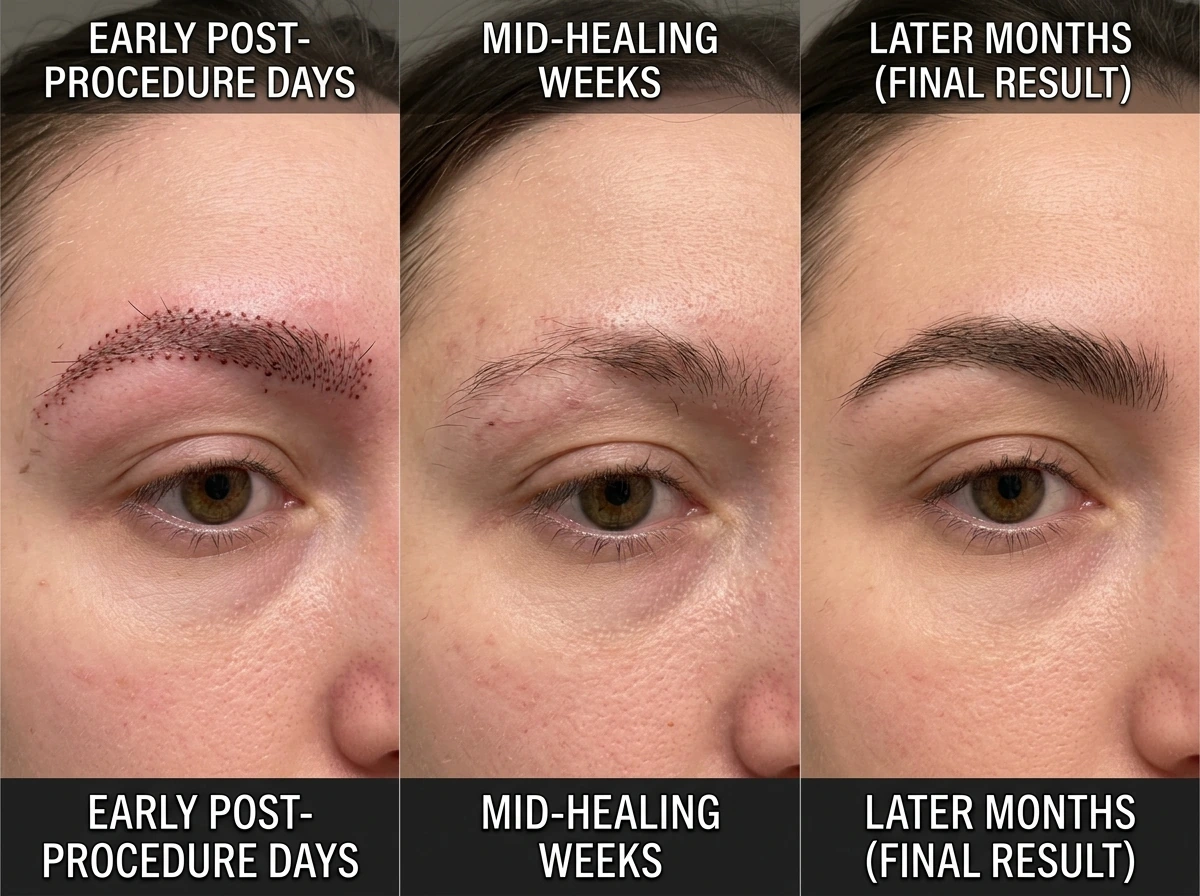
The honest answer: plan on growing your eyebrows out for at least 4 to 6 weeks before you reshape them, and closer to 3 to 4 months if you're recovering from years of heavy tweezing, shaving, or waxing. That range isn't vague, it maps directly to how the eyebrow hair cycle actually works. Eyebrow hairs have an active growth phase (anagen) of only about 2 to 3 months, and they grow slowly, roughly 0.12 to 0.15 mm per day. So if you want enough real length and density to give a brow stylist something useful to work with, you need to be patient in a specific, deliberate way.
How Long to Grow Out Eyebrows to Reshape: Timeline
James Whitmore
24 Mar 2026
How long you actually need to wait before reshaping
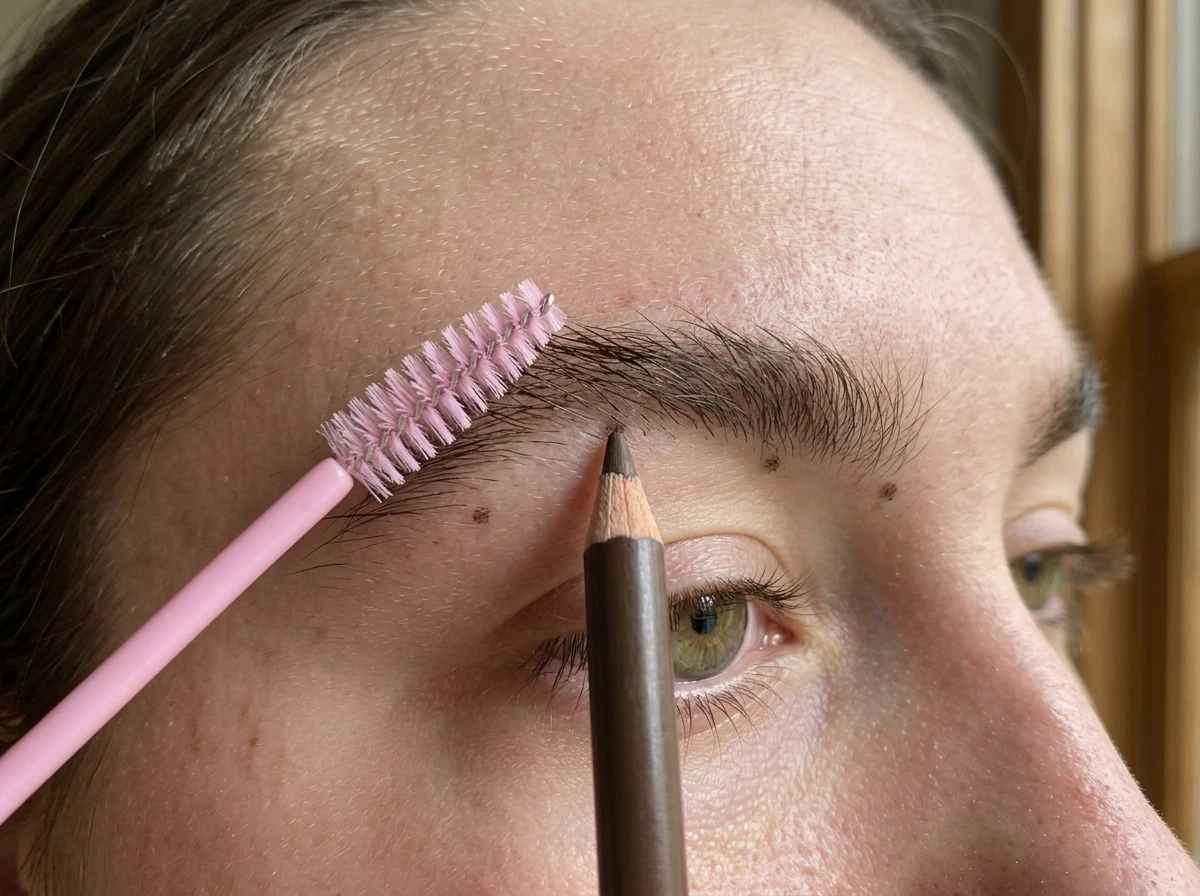
Four to six weeks is the minimum that brow professionals generally recommend before a brow-mapping appointment. That window gives new hairs enough time to surface and show you the real shape you're working with. But the right timeline for you depends on your starting point.
| Your starting point | Minimum grow-out time | What to expect |
|---|---|---|
| Light maintenance tweezing (removing a few strays) | 2–4 weeks | Most hairs return quickly; shape reference is clear |
| Regular waxing or threading every 4–6 weeks | 4–6 weeks | Enough regrowth to map the natural arch and tail |
| Heavy over-tweezing for months or years | 3–4 months | Damaged follicles may be slow; density may still be uneven |
| Full shave or very sparse/thinned brows | 3–6 months | Full cycle needed; some hairs may not return at all |
| Brow gap or patch (scarring, alopecia, or hormonal loss) | 3–6+ months (with treatment) | May need professional help if follicles are damaged |
The reason the timeline stretches to several months for heavier cases is that eyebrow follicles cycle independently of each other. At any given moment, some hairs are in anagen (growing), some are in catagen (transitioning), and some are in telogen (resting). You can't rush them all into the same phase at once. The full eyebrow hair cycle completes in roughly 4 months, which is why that mark is often the realistic reset point for people starting from significant hair loss or damage.
What makes your brows grow faster or slower
This is where individual variation really matters, and being honest about it saves a lot of frustration. Your regrowth timeline is not the same as someone else's, even under identical conditions.
Age
Hair follicle activity slows with age. Younger skin generally cycles through anagen faster and produces denser, more pigmented hairs. After your mid-30s and especially past menopause or andropause, eyebrow hairs tend to thin naturally and regrow more slowly after removal. If you're over 40 and recovering from over-tweezing, expect to be on the longer end of any timeline.
Genetics
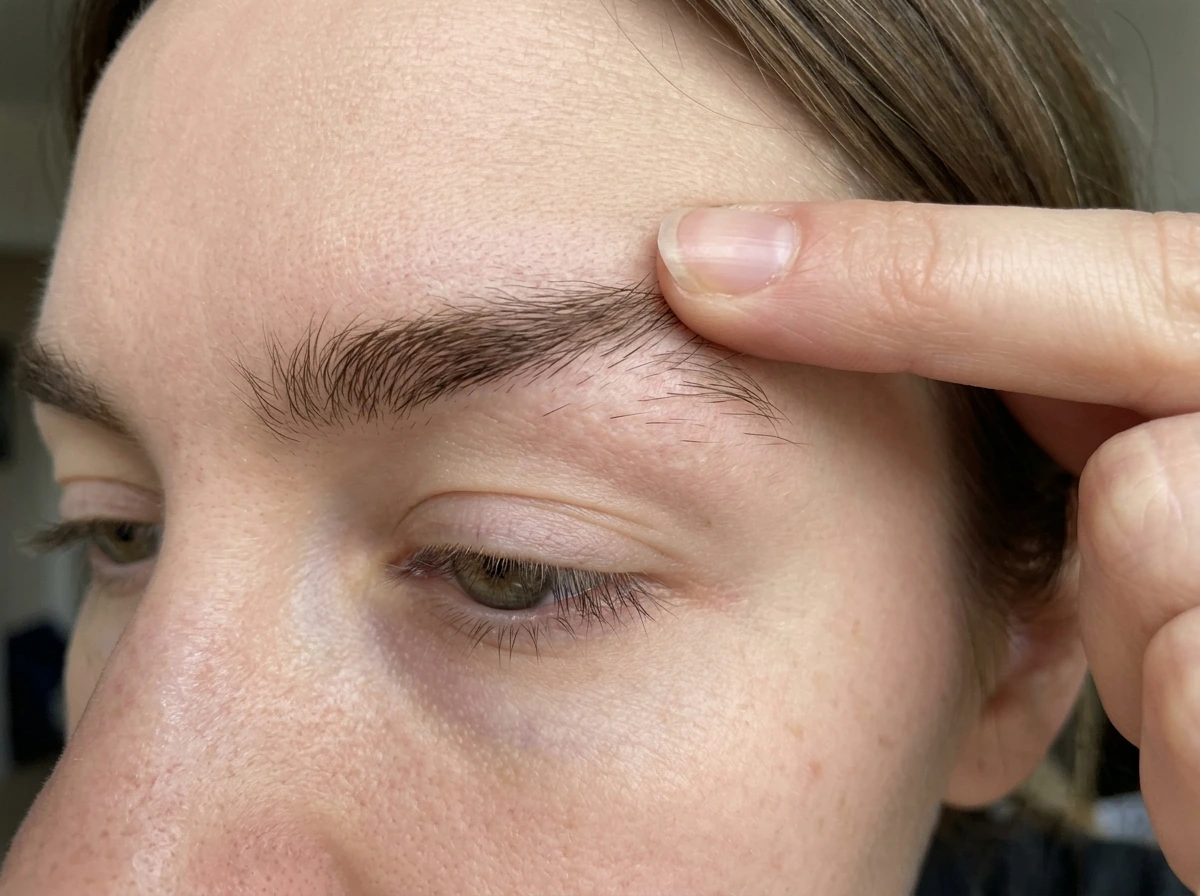
Your genetic blueprint sets the ceiling for how dense, long, and fast-growing your eyebrows can be. If everyone in your family has thin or sparse brows, you're working within a narrower natural range. No serum or oil can override your genetic baseline, though some can help you get closer to your personal maximum.
Hormones
Thyroid imbalances (both hypo- and hyperthyroidism) are a well-documented cause of eyebrow thinning, particularly at the outer third of the brow. Pregnancy, postpartum hormonal shifts, and conditions like polycystic ovary syndrome can also disrupt the hair cycle and slow regrowth. If your brows are thinning without an obvious cosmetic cause, getting thyroid and hormone levels checked is worth doing before spending months on topical treatments.
Prior follicle damage
Repeated tweezing from the same spot over years can cause follicle trauma that permanently reduces regrowth in that area. This is why some people who overtweezed in the 90s still have thin outer brows decades later. The damage isn't always permanent, but it can turn a 6-week grow-out into a 4-month one, and in some cases the hairs just don't come back fully. Waxing and threading carry similar risks if done aggressively and repeatedly in the same zones.
Skin conditions and inflammation
Conditions like eczema, seborrheic dermatitis, or psoriasis on the brow area can disrupt follicle function and slow growth. Chronic inflammation around follicles is not a growth-friendly environment. If you have flaking, redness, or persistent irritation in your brow area, treating that first will do more for your regrowth than any oil or serum.
What to do while you're waiting (and what not to do)
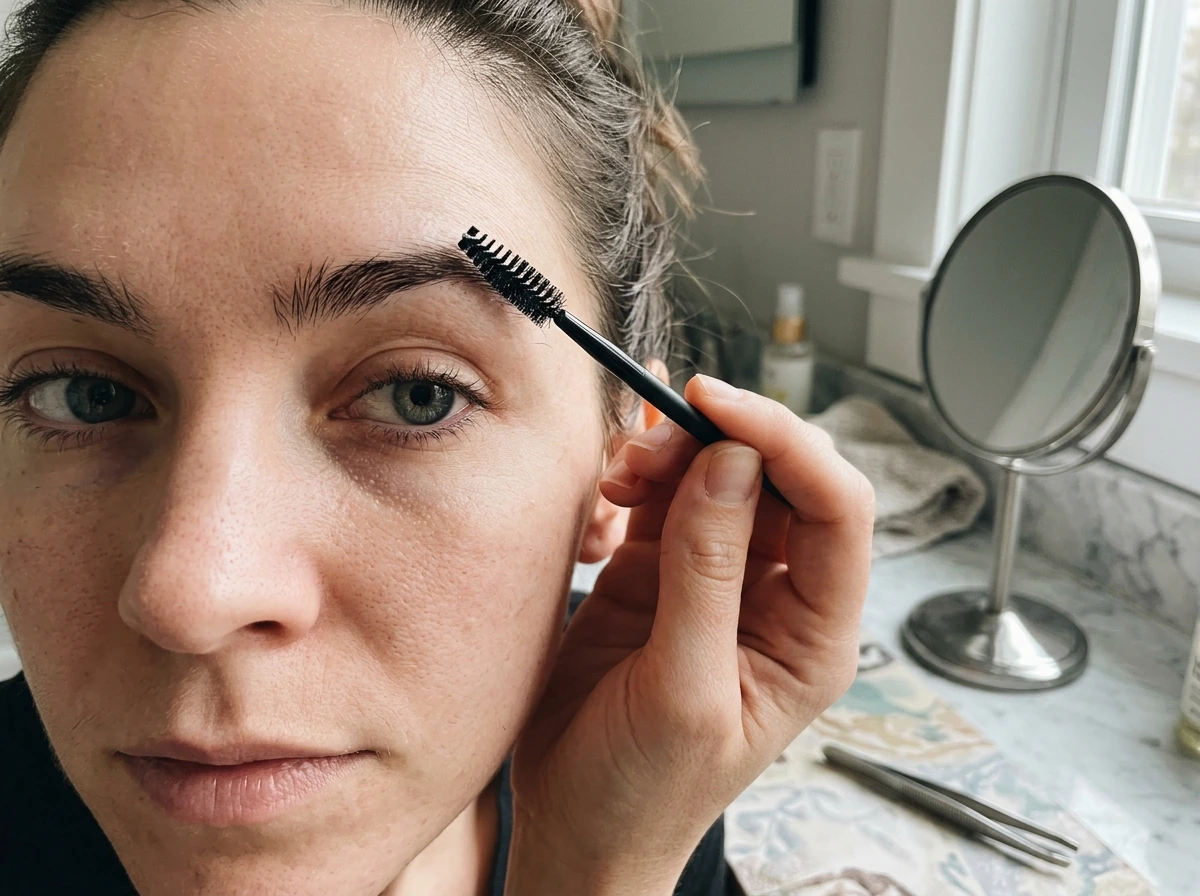
The grow-out phase is where most people accidentally slow themselves down. The temptation to clean up stragglers is real, but picking up the tweezers too early costs you reference hairs that tell the stylist where your natural shape actually lives.
Resist the urge to tweeze
Put the tweezers away entirely for the first 4 to 6 weeks, ideally longer if you're doing a full reset. I know that feels extreme, especially if you have stragglers near the bridge or beneath the arch. But those hairs matter. A brow professional uses your natural growth pattern as the map, and if you've been editing it continuously, they're working blind. The only exception: a single clearly ingrown hair that's causing irritation.
Trimming is different from tweezing
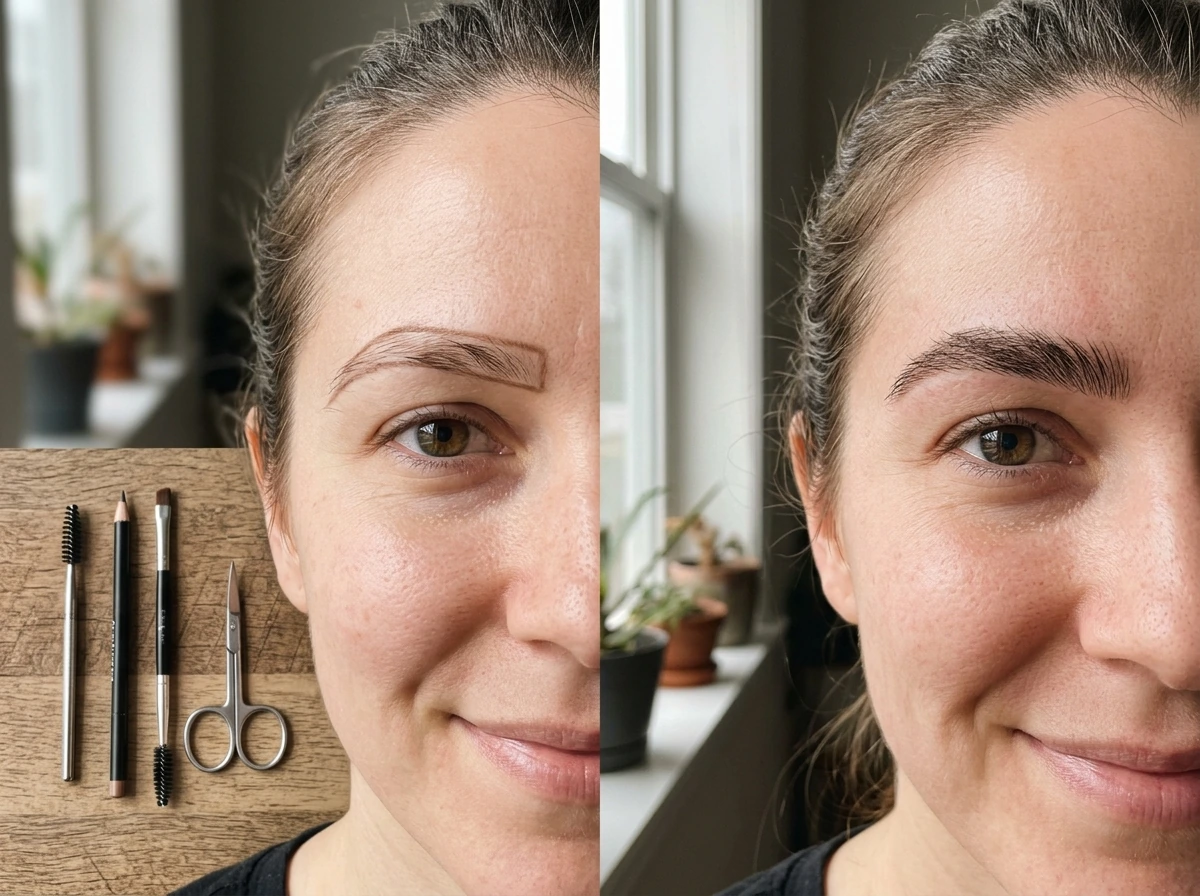
Long hairs that curl or stick out awkwardly can be lightly trimmed with small brow scissors, brush the hairs upward with a spoolie, then snip only the tips that extend past the natural brow line. Trimming does not affect the follicle or regrowth, so it won't set you back. It just keeps things looking presentable while you wait.
Dealing with uneven growth
Uneven growth during the grow-out phase is completely normal and it doesn't mean something is wrong. Because follicles cycle independently, one side or one zone of the brow will often come in before the other. Fill gaps with a brow pencil or powder to keep things looking intentional while you wait, but don't let the unevenness push you into tweezing prematurely. Give the slower side time to catch up.
Keep the skin healthy
Moisturized, calm skin is a better environment for follicle function than dry or inflamed skin. Use a gentle, fragrance-free moisturizer on the brow area and avoid harsh exfoliants directly on the brows during the grow-out phase. If you use retinoids on your face, be cautious about applying them directly on the brow zone, retinoids can sometimes cause localized hair shedding with prolonged use.
How to shape your brows once you have enough growth
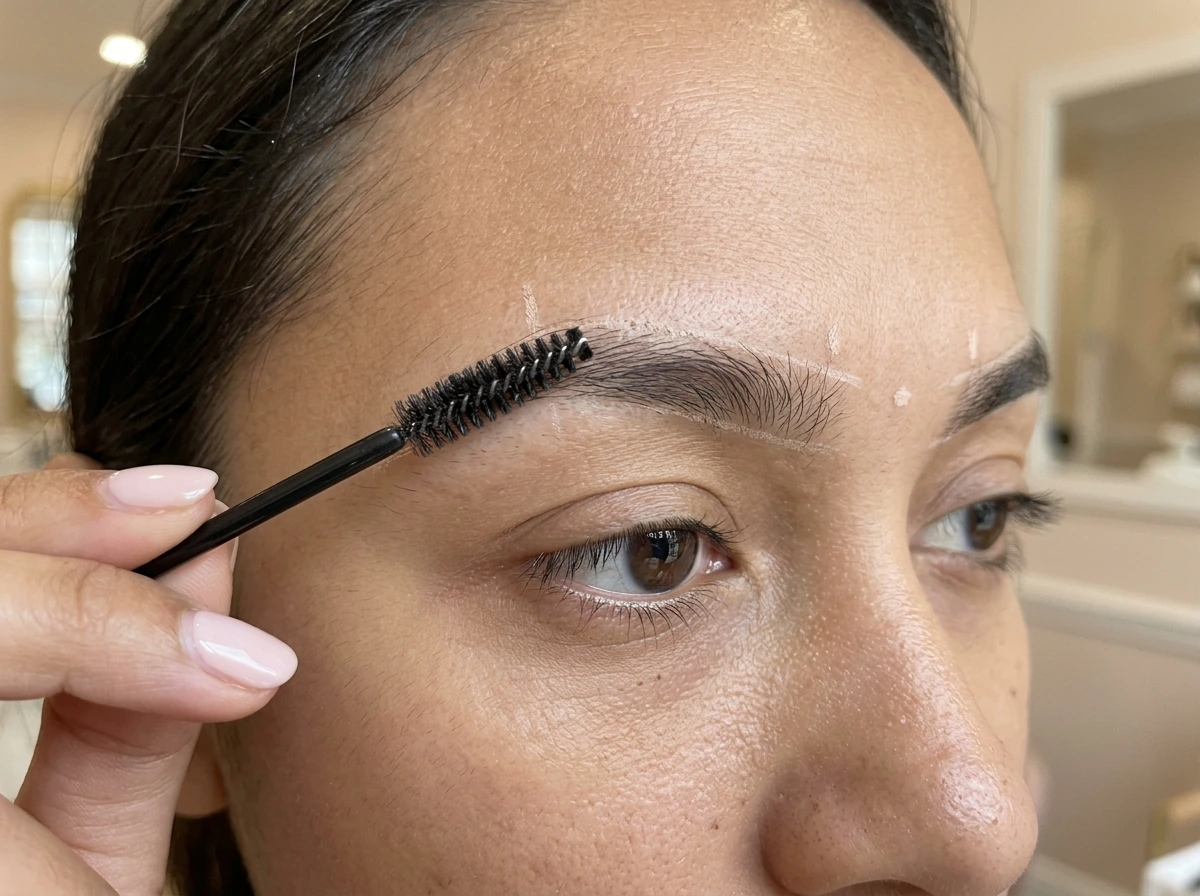
Once you've hit your target grow-out period (minimum 4 to 6 weeks, or longer if you've done a full reset), here's how to approach the actual reshaping in a way that gets the result you want and doesn't undo your work.
- Map your brow shape before removing anything. Use the three-point landmark method: the inner edge of your brow should align vertically with the inner corner of your eye (inner canthus); your arch should sit roughly above the outer edge of your iris (lateral limbus); and your tail should extend to a line drawn from the corner of your nose through the outer corner of your eye. Mark these three points lightly with a white pencil or concealer before tweezing or waxing anything.
- Identify what to keep, not just what to remove. It's easy to focus on what looks messy, but the goal is to preserve what defines your shape. Look at your mapping points and protect the hairs inside that framework before deciding what's truly outside it.
- Choose your removal method based on your skin type. Threading is precise and works on all skin types, including sensitive skin — it doesn't involve chemicals or heat. Waxing is faster for larger areas but can thin the skin over time with repeated use and is not ideal for anyone using retinoids or strong exfoliants. Tweezing is the safest option for precise cleanup at home but the easiest to overdo.
- Go conservative on the first shape. After a long grow-out, less is more. Ask your professional to take off only what's clearly outside your mapped shape. You can always refine in a follow-up appointment in 4 to 6 weeks; you can't put hair back.
- Aftercare immediately after shaping: apply a cold compress to reduce redness, use aloe vera gel or a gentle soothing serum on the area, and avoid heavy makeup on freshly waxed or threaded skin for at least a few hours. Don't apply retinoids or acids for 24 to 48 hours post-service.
- Book your maintenance appointment 4 to 6 weeks out. Brow professionals generally recommend this interval as it aligns with the growth cycle and prevents the over-removal that happens when people wait too long and then feel like they need to take off a lot.
Realistic expectations: gaps, slow spots, and when to ask for help
Not everyone gets a full, even brow back after growing out. That's a hard truth, but it's an important one. If you shaved or waxed regularly and the follicles are intact, you should see full regrowth within one full hair cycle (around 4 months). If you've tweezed the same spots repeatedly for years, some of those follicles may be permanently or partially damaged, and the density you remember may not come back on its own.
After waxing or threading, regrowth typically follows the same 4 to 6 week window for most people. After shaving, regrowth often appears within 2 to 4 weeks because shaving doesn't affect the follicle at all, it just cuts the hair at skin level. The hairs that look darker or coarser after shaving are an optical illusion caused by the blunt cut tip; the follicle itself is unchanged.
Persistent gaps or patches after 4 to 6 months of growing out, especially if they weren't caused by tweezing in that exact spot, warrant a conversation with a dermatologist. Conditions like alopecia areata can affect eyebrows and eyelashes and often go undiagnosed when people assume slow regrowth is just cosmetic damage. A 2022 clinical review reports that eyelashes can grow about 0.12, 0.14 mm per day during the anagen stage, which lasts about 4, 10 weeks blank" rel="noopener noreferrer">eyelashes can grow about 0.12–0.14 mm per day during the anagen stage. Non-scarring hair loss conditions are often treatable once identified, and the Cleveland Clinic notes that eyebrow hair can regrow once the underlying cause is addressed. Cleveland Clinic notes that blank" rel="noopener noreferrer">non-scarring madarosis, or eyebrow and eyelash hair loss, is usually temporary and eyebrow hair can regrow once the underlying cause is treated. Scarring hair loss, where the follicle is permanently destroyed, is a different situation and typically requires a specialist evaluation. In those cases, In those cases, options like eyebrow transplants (which are a separate topic worth exploring in depth) may be the only path to restoring density. How long it takes for eyebrow transplant results to grow depends on the grafts settling in and the normal hair growth cycle eyebrow transplants.
Ways to speed things up (what's actually worth trying)
You can't hack the hair cycle, but you can create better conditions for it and, in some cases, use clinically studied tools to support growth. Here's an honest breakdown of what works, what might work, and what you should be cautious about.
Minoxidil (the most studied option, with caveats)
Topical minoxidil has been studied for eyebrow hypotrichosis and shows real potential for increasing hair density and diameter in that area. It works by prolonging the anagen phase and stimulating follicles. That said, this is an off-label use, and the risks on facial skin are meaningful. Studies document that 5% minoxidil solution carries the highest frequency of unwanted hair growth (hypertrichosis) in surrounding areas, including the face. There are documented cases of significant facial and ear hypertrichosis from topical minoxidil use in women, with gradual resolution only after discontinuing the product. The skin around your eyebrows and eyes is also sensitive, and contact dermatitis is a real risk. If you're considering minoxidil for brows, use the lowest effective concentration (2%), apply it only with a precision applicator or cotton swab, and do it under the guidance of a dermatologist rather than DIY-ing it from a scalp formula.
Castor oil (popular, but evidence is thin)
Castor oil is the most commonly recommended home remedy for eyebrow growth, and it's not harmful to try. But there are currently no published clinical studies specifically confirming that castor oil stimulates eyebrow hair growth. The ricinoleic acid in castor oil may support scalp hair health through anti-inflammatory effects, and it's a good emollient that can reduce breakage and keep existing hairs conditioned. So it might help your brows look fuller and healthier even if it's not definitively growing new ones. Apply a small amount with a clean spoolie or fingertip at night, wipe off in the morning, and give it 8 to 12 weeks before judging results.
Rosemary oil (more promising than castor, still early)
Rosemary oil has stronger evidence behind it for scalp hair growth, with at least one study showing it performed comparably to 2% minoxidil for scalp androgenetic alopecia. Direct eyebrow studies are lacking, but its mechanism (improved circulation and anti-DHT activity at the follicle) is plausible for brow regrowth. Dilute rosemary essential oil in a carrier oil (about 2 to 3 drops per teaspoon of carrier) before applying to the brow area. Undiluted essential oils can irritate or even damage the skin around the eyes.
Nutrition and habits
Hair growth requires adequate protein, iron, biotin, zinc, and vitamins D and B12. Deficiencies in any of these can slow the hair cycle visibly. If your diet is consistently low in protein or you've had recent blood work showing nutritional deficiencies, addressing those gaps will do more for your brow growth than any topical product. Beyond nutrition, chronic stress elevates cortisol, which can push hair follicles into telogen prematurely. Sleep, stress management, and overall health are unglamorous but genuinely relevant to how fast your brows recover.
| Option | Evidence level | Realistic benefit | Key risk or limitation |
|---|---|---|---|
| Minoxidil (2% topical) | Moderate (studied for brow hypotrichosis) | Can increase density and diameter in sparse brows | Hypertrichosis in surrounding areas; contact dermatitis; must be used carefully |
| Castor oil | Weak (no eyebrow-specific studies) | May condition existing hairs; improves appearance | No confirmed regrowth effect; messy to apply |
| Rosemary oil (diluted) | Moderate for scalp; limited for brows | Plausible follicle support; low risk if diluted | Must be diluted; can irritate eyes if applied carelessly |
| Nutrition optimization | Strong (deficiency-driven hair loss is well documented) | Addresses root cause if dietary gaps exist | Takes months; blood work needed to confirm deficiency |
| Bimatoprost (prescription) | Moderate (studied for lash and brow hypotrichosis) | Proven effect on lash density; some brow evidence | Prescription only; potential pigmentation changes; eye irritation risk |
The most effective approach for most people is combining a proper grow-out period (no tweezing, no waxing) with consistent topical support (castor or rosemary oil nightly) and addressing any nutritional gaps. If you're not seeing meaningful improvement after 4 to 6 months of that approach, it's time to bring in a dermatologist to rule out medical causes and discuss whether minoxidil or a prescription option makes sense for your situation. The biology of eyebrow growth gives you a real window to work with, the key is giving it the time it actually needs and not undoing your progress with impatience.
FAQ
Can I shape my eyebrows at all during the grow-out period (like after a week or two)?
Yes, but limit it to non-removal grooming. Use a spoolie to brush upward or outward, trim only the very tips that clearly extend past your natural hair line, and avoid plucking or waxing during the first 4 to 6 weeks. If you remove hairs early, you lose the reference hairs your stylist needs to map your true baseline.
What if my brows look patchy after I stop tweezing, will they ever fill in fully?
Often they will, because some follicles enter growth later. Still, if you have visible gaps persisting beyond about 4 to 6 months, especially in areas not previously over-tweezed, it can signal an underlying issue rather than normal uneven cycling. In that case, ask a clinician about causes like alopecia areata or other non-scarring hair loss.
How do I know whether I should grow out for 6 weeks or closer to 3 to 4 months?
A good rule is to base it on the depth of prior hair removal. If you recently tweezed a few times or shaved, 4 to 6 weeks is commonly enough to get usable reference hairs. If you removed the same zones repeatedly for years, plan closer to 3 to 4 months to cover a full eyebrow hair cycle and give slower zones time to catch up.
Does trimming regrowth set me back or slow hair growth?
Light trimming does not change the follicle, so it should not meaningfully delay regrowth. Focus on trimming only the ends of hairs that are clearly longer than your natural brow line, and avoid cutting into the shorter hairs that are currently using your natural shape as they regrow.
If I used shaving instead of tweezing, do I still need the longer timeline?
Usually no. Shaving cuts at skin level and does not damage the follicle, so you typically see regrowth within about 2 to 4 weeks. For reshaping, many people can still wait closer to 4 to 6 weeks to build better density for clean mapping, but the longer 3 to 4 month reset is less commonly needed.
Can I use a brow serum while growing out, or will it interfere with results?
If you choose to use one, treat it as optional and expect modest effects. Because the key variable is stopping removal and letting the cycle run, serums should not replace that. Also, any product that irritates the brow area can slow progress, so stop if you notice redness, burning, or increased flaking.
Is minoxidil safe to try on eyebrows if I am careful?
It can be risky even when used carefully because the skin around the eyes is sensitive and unwanted facial hair growth is a known side effect. If you consider it, do so under dermatology guidance, use the lowest effective dose, and avoid scalp formulations that have stronger concentrations or irritating vehicles. If you get itching, swelling, or new irritation, discontinue and get medical advice.
How long should I wait before judging castor oil or rosemary oil results?
Give it at least 8 to 12 weeks before judging, because eyebrow hair changes are not immediate. Also, treat oils primarily as conditioning support that may improve appearance and reduce breakage. If your brows do not show any meaningful improvement by 4 to 6 months with good grow-out habits, consider a medical evaluation.
What if my eyebrow hair grows in different directions during the reset?
That is normal, and it is part of how independent follicles catch up at different times. Use a spoolie to direct hairs daily for grooming, fill sparse areas with pencil or powder (not plucking), and let the slower side catch up before you decide the final shape.
When should I stop experimenting and see a dermatologist?
If you have persistent thinning or patches after roughly 4 to 6 months of consistent grow-out, or if regrowth is dramatically asymmetric and not tied to past tweezing, get checked. Conditions like alopecia areata can be treatable, and ruling out scarring hair loss is important because treatment paths differ.
Are there any grooming mistakes that commonly ruin the timeline?
The biggest mistake is continuing tweezing or waxing in “small” areas that you think are harmless, because those removals erase the reference hairs your stylist needs. Another common issue is applying harsh exfoliants or irritant actives directly on the brow zone, which can trigger inflammation and slow follicles.
What should I do right before the reshaping appointment after the grow-out period?
Arrive with brows brushed up and slightly groomed, not aggressively cleaned up. Avoid tweezing right before the appointment, and only do minimal trimming if tips clearly exceed your natural brow line. If you use makeup to fill gaps, keep it consistent so your stylist can see the true regrowth baseline beneath cosmetics.
Next Article
How Long Does Eyebrow Transplant Take to Grow? Timeline
Eyebrow transplant growth timeline week by week, what is normal, red flags, and tips to optimize results.