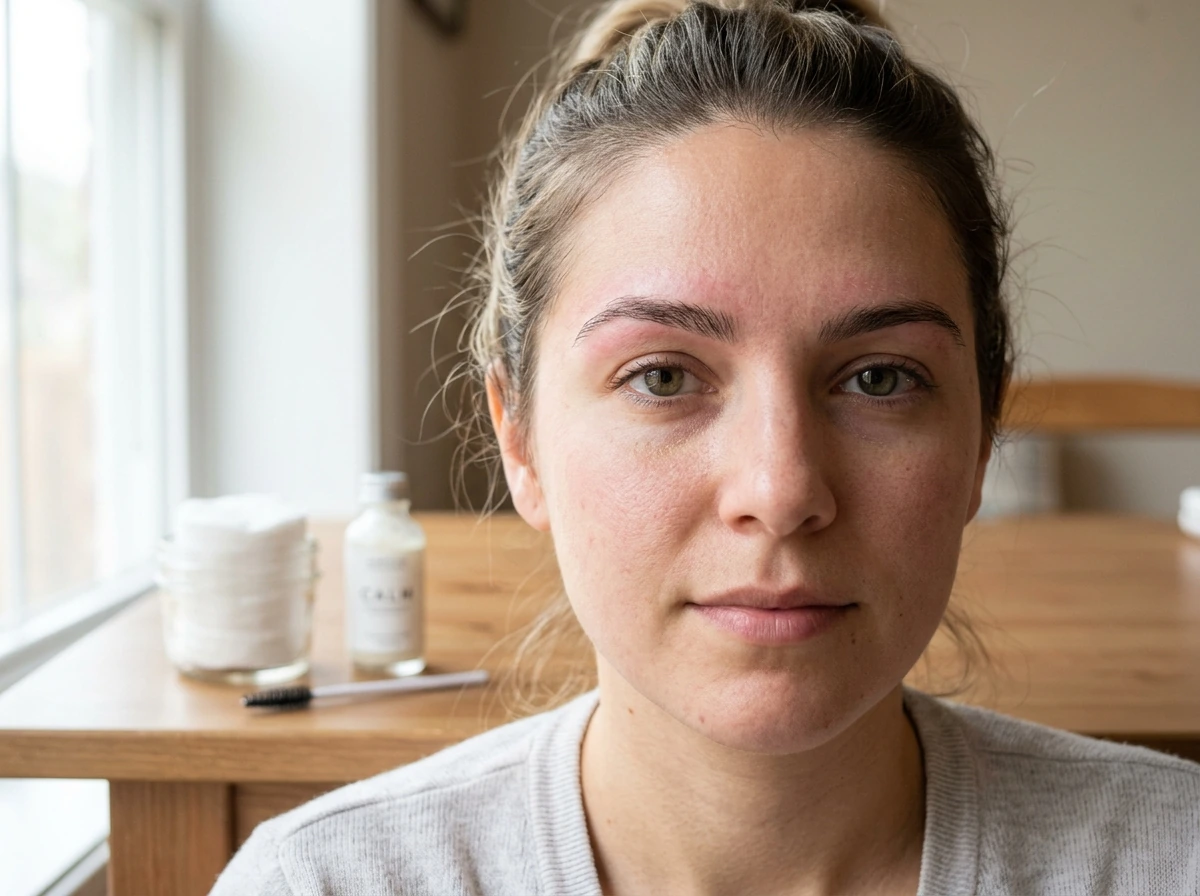
Most eyebrows take somewhere between 4 and 6 months to fully grow back, though that number depends a lot on what happened to them in the first place. If you shaved or trimmed them, you're looking at the shorter end. If you've been plucking aggressively for years, it could take closer to 6 months or longer, and in some cases where follicles are damaged, full regrowth may never happen. The frustrating truth is that eyebrow hair grows slowly, and the biology behind it explains why.
How Long Does It Take Eyebrows to Grow Back? Timelines
James Whitmore
24 Mar 2026
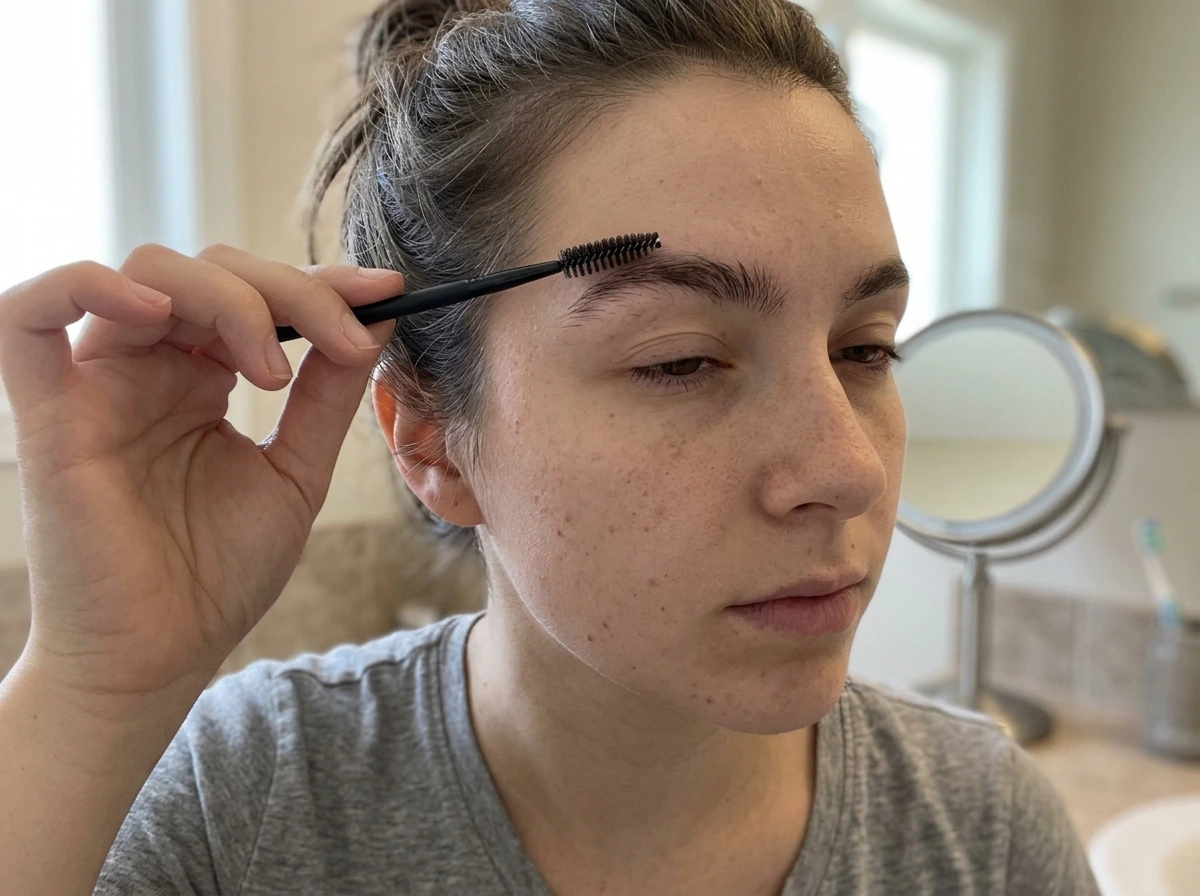
The Eyebrow Growth Timeline (and What 'Grow Back' Really Means)
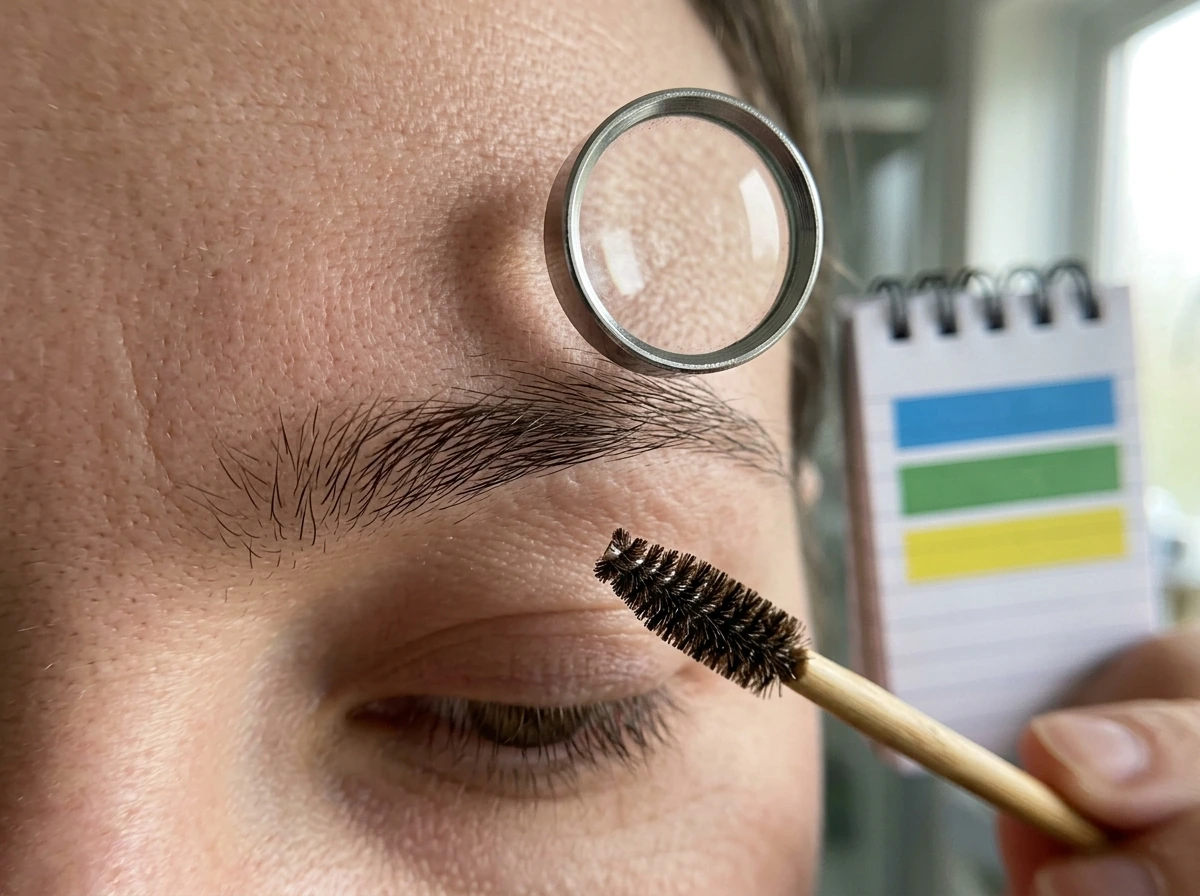
Eyebrow hair follows the same basic growth cycle as all body hair: anagen (active growth), catagen (regression), and telogen (resting and shedding). The big difference between your brows and your scalp is how long each phase lasts. Scalp hair spends the vast majority of its time in anagen, growing actively for years, which is why scalp hair gets so long. Eyebrow follicles are almost the opposite.
One hair-growth reference puts the anagen-to-telogen ratio at roughly 1:9 for eyebrow hair versus 9:1 for scalp hair. What that means practically is that at any given moment, most of your eyebrow hairs are resting rather than actively growing, which is exactly why brows don't grow down to your chin and exactly why regrowth feels maddeningly slow.
Eyebrow hair grows at about 0.14 mm per day, or roughly 4 mm per month. That's slower than scalp hair. A full eyebrow hair from base to tip is typically 5 to 7 mm long, but 'fully grown back' means more than just length. It means enough density across the whole brow, with hairs at different stages of the cycle all filling in together. That process takes time regardless of what you do to speed it along.
How Long It Takes Depending on What You Did
The method matters a lot here. Different ways of losing brow hair affect the follicle differently, and that changes how fast you'll see results.
Shaving
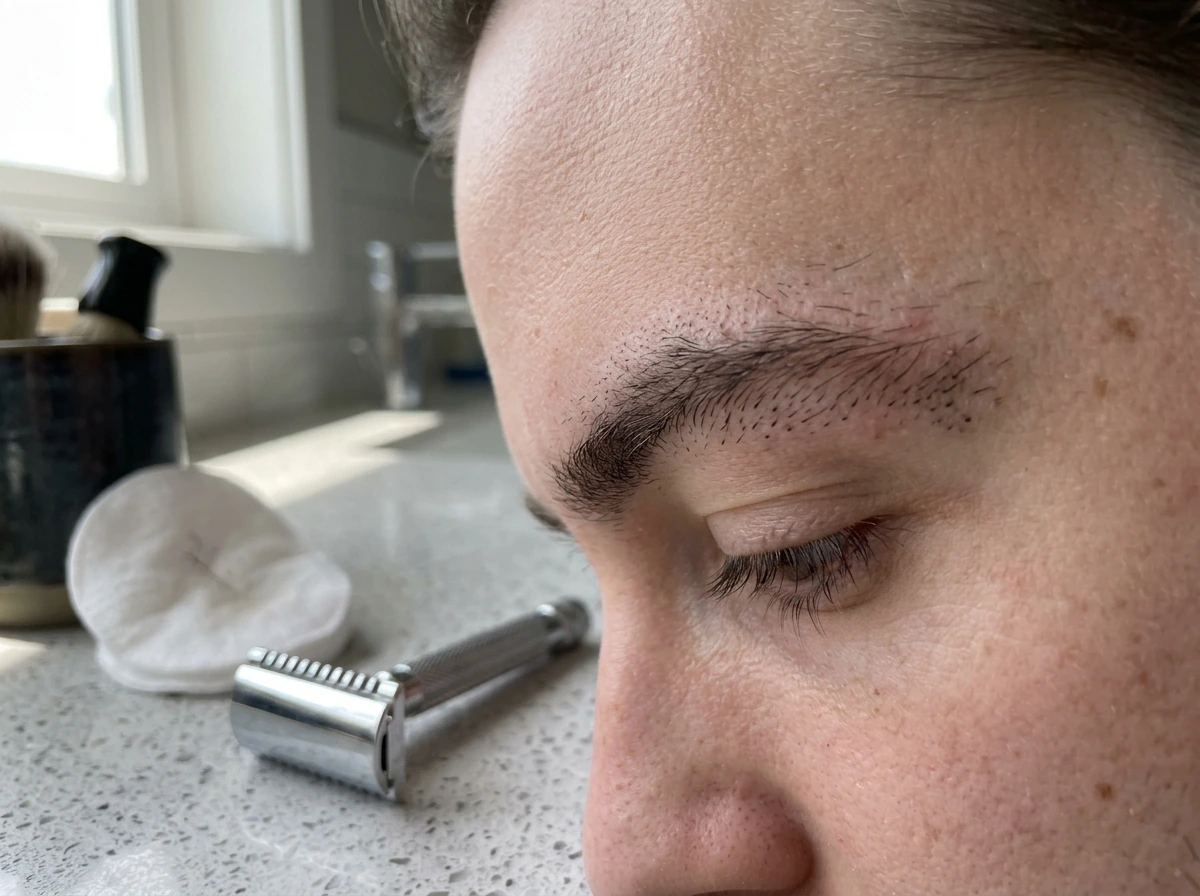
Shaving only cuts the hair at the surface. The follicle is completely intact, so regrowth starts almost immediately. Most people notice stubble within a few days, and brows look visibly present again within 2 to 3 weeks. Full length and density typically returns within 6 to 8 weeks. Shaving is the easiest scenario for regrowth because nothing below the skin was disturbed.
Trimming or Cutting
Same story as shaving. If you trimmed too short or accidentally cut into your brow shape, the follicle is untouched. You're just waiting for the hair shaft to grow back out, which happens at that 4 mm per month rate. Expect 4 to 6 weeks to get back to a normal appearance, maybe slightly longer if you took off a significant amount.
Waxing
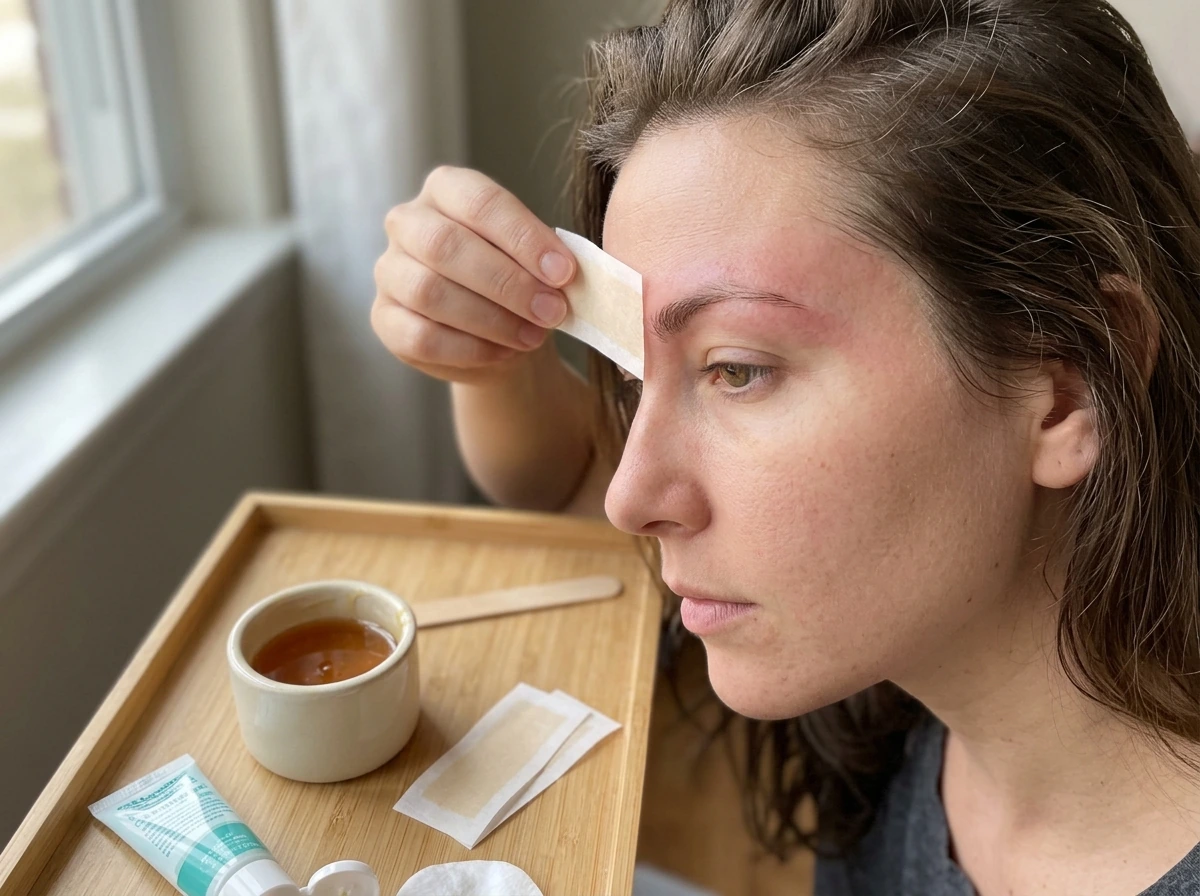
Waxing removes the hair from the root, so the follicle needs to restart its cycle. Initial regrowth usually appears between 2 and 6 weeks, and you can expect visible, filled-in brows again around the 3 to 4 month mark. If you've been waxing regularly for years, repeated trauma to the follicle can slow things down a bit and you might notice patchiness in areas that have been repeatedly waxed. If you're growing out eyebrows to reshape them after years of waxing, that process typically takes 4 to 6 months to get enough growth to work with.
Plucking or Tweezing
Plucking is the most common culprit for slow or incomplete regrowth, especially for people who've been doing it for years. Like waxing, plucking removes hair from the root. A single plucked hair usually starts regrowing within 2 to 3 months. But if you've been over-plucking the same area repeatedly, you can eventually damage the follicle to the point where it stops producing hair.
This is why people who heavily over-plucked their brows in the 90s or early 2000s sometimes find that certain areas never fully came back. If you're wondering how long eyebrows take to grow back after threading, the timeline is similar to plucking since threading also removes hair at the root. how long do eyebrows take to grow back after threading
| Method | Follicle Affected? | First Regrowth Visible | Fully Grown Back |
|---|---|---|---|
| Shaving | No | 2–5 days | 6–8 weeks |
| Trimming/Cutting | No | 2–5 days | 4–6 weeks |
| Waxing | Yes (root removed) | 2–6 weeks | 3–4 months |
| Plucking/Tweezing | Yes (root removed) | 2–3 weeks | 3–6 months |
| Threading | Yes (root removed) | 2–4 weeks | 3–4 months |
| Repeated over-plucking (years) | Possible damage | Variable or none | 4–6+ months, may be partial |
What to Expect Week by Week (and Month by Month)
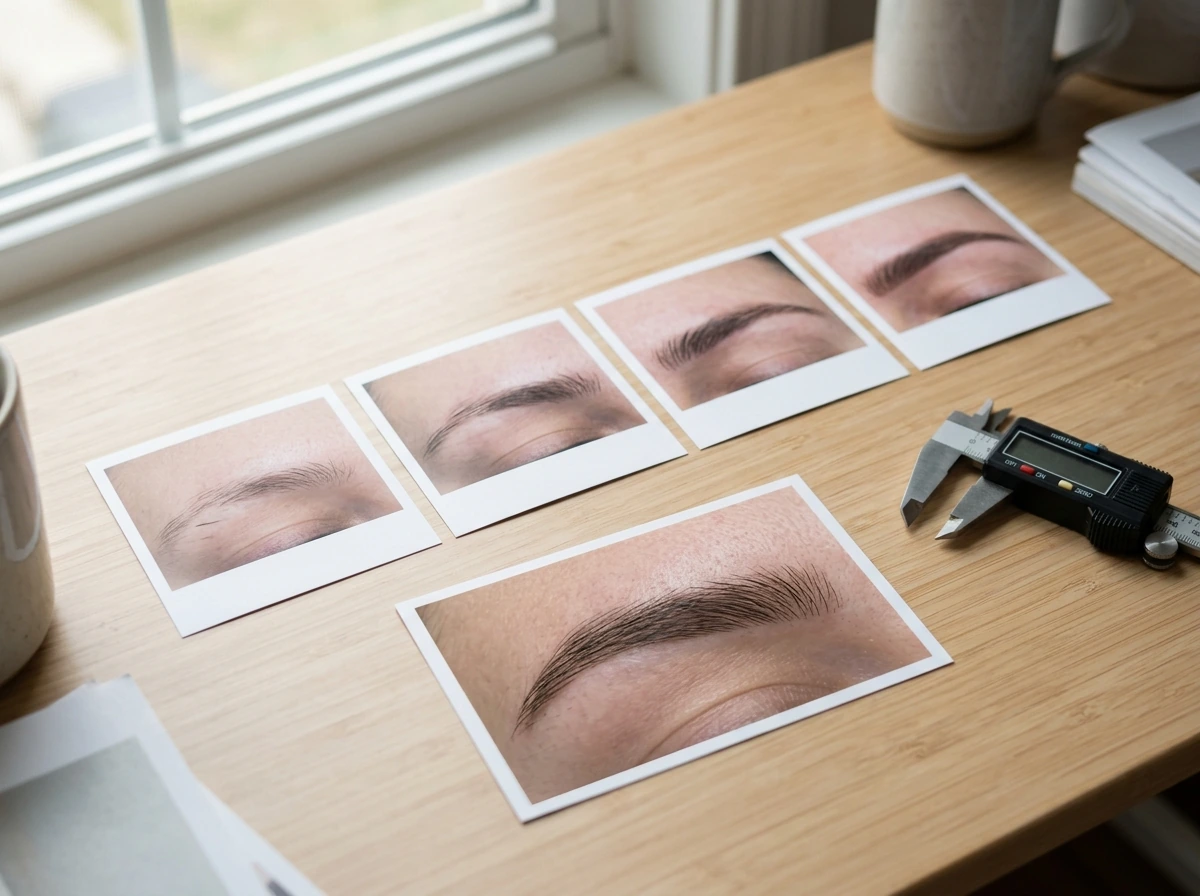
If you're starting from scratch after shaving or trimming, here's a realistic picture. For those regrowing after plucking or waxing, the first few weeks will look much the same, just starting a bit later.
- Week 1–2: Little to nothing visible after waxing or plucking. After shaving or trimming, you'll see short stubble or fine hairs by the end of week 1.
- Week 3–4: After waxing or plucking, some fine hairs start to emerge. They'll be light and sparse. After shaving, the brows are mostly back but may look uneven in texture.
- Week 5–8: After shaving or trimming, brows are close to normal. After waxing or plucking, you have visible coverage but significant patchiness remains.
- Month 2–3: The most noticeable improvement for post-plucking or post-waxing regrowth. Hairs are coming in across more of the brow, though density is still lower than normal.
- Month 4–5: Most people see close to full coverage at this point. Gaps are filling in, and the shape becomes workable again.
- Month 6: For most people, this is where brows look fully regrown. Some with older follicle damage may see continued slow improvement past this point.
If you're trying to grow out your brows to reshape them, expect to need at least 4 to 6 months of hands-off growth before you have enough material for a professional to work with properly. That process deserves its own patience level, but 4 months is the realistic minimum for a meaningful shape change.
Why Your Eyebrows Might Be Growing Back Slowly (or Not at All)
Not everyone's brows bounce back on the same schedule. Several factors genuinely slow things down or prevent full regrowth.
Age
Hair follicle activity declines with age. This affects eyebrows just as it affects scalp hair. If you're in your 40s or older and struggling to regrow brows that you could grow easily in your 20s, that's a real and normal part of aging. It doesn't mean regrowth is impossible, but it does mean it can be slower and the final density may be lower.
Genetics
Some people just have naturally thinner, slower-growing brows. If your brows were never very dense to begin with, regrowth after loss will reflect that baseline, not some idealized thick-brow version of yourself. Genetics also influences where on your brow hair grows most readily, which is why the tail end of the brow is often the last to fill back in.
Follicle Damage from Repeated Hair Removal
Repeatedly plucking, waxing, or threading the same follicle over many years can cause enough repeated trauma that the follicle becomes scarred or dormant. This is the most common reason someone says 'my eyebrows just won't grow back.' If you heavily over-plucked for a decade or more, some of those follicles may be permanently or partially inactive. There's no topical treatment that can fully reverse follicle scarring, though some interventions (discussed below) can help coax sluggish follicles.
Skin Conditions
Conditions like seborrheic dermatitis, psoriasis, eczema, and contact dermatitis can all affect the skin around the brow and disrupt follicle function. If you notice flaking, redness, or irritation in the brow area alongside slow regrowth, a skin condition could be part of the picture.
Nutrition and Health
Hair growth across the entire body is sensitive to nutritional deficiencies. Low iron, low ferritin, vitamin D deficiency, and inadequate protein intake are among the most common nutritional contributors to slow or diffuse hair loss. If your brows are thinning alongside your scalp hair, diet and labs are worth looking at. Thyroid dysfunction, particularly hypothyroidism, is also a well-known cause of eyebrow thinning, especially at the outer third of the brow.
How to Help Your Eyebrows Grow Back Faster
Let's be real: nothing dramatically shortens the biological timeline. But there are legitimate steps that create the best possible conditions for regrowth and can make a noticeable difference in density over those 4 to 6 months.
Stop All Hair Removal in the Growth Zone
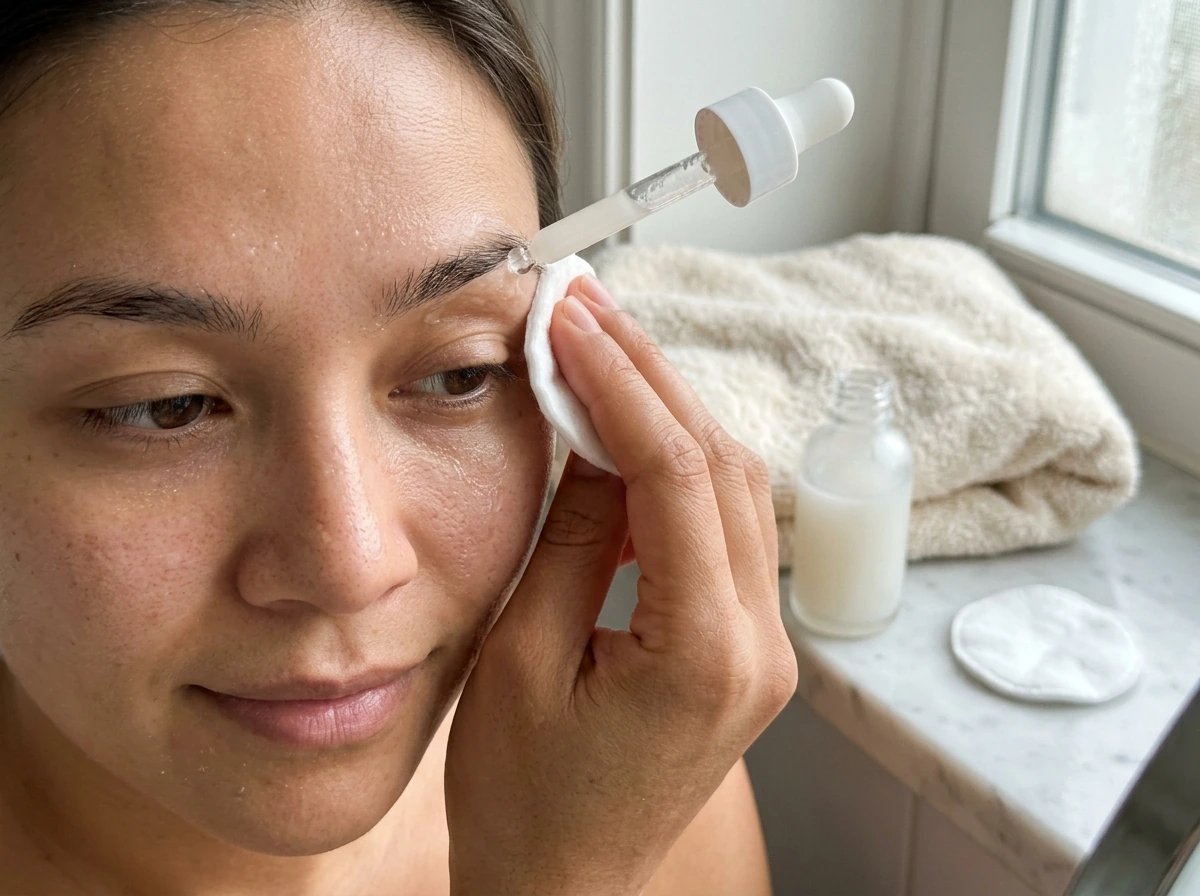
This sounds obvious but it's the most important step. Every time you pluck a stray hair that's growing in an unwanted spot, you reset that follicle's cycle. While you're regrowing, only clean up hairs that are clearly outside your target shape, and leave everything else alone. The temptation to tidy is real, but every pluck you skip is a follicle that gets to stay in anagen longer.
Gentle Cleansing and Moisturizing
A healthy skin environment supports healthy follicle function. Keep the brow area clean, avoid harsh rubbing when removing eye makeup, and consider applying a light moisturizer to the area. Dry, irritated skin around the brow can subtly stress follicles.
Nutrition Support
If you suspect nutritional gaps, get basic labs done (ferritin, vitamin D, thyroid) and eat adequate protein. There's no magic hair growth supplement, but fixing a deficiency absolutely can improve growth. Biotin is often marketed for hair growth, but unless you're actually deficient (which is rare), it's unlikely to do much beyond what a balanced diet already provides.
Home Remedies and Products Worth Considering
Castor Oil
Castor oil is the most popular home remedy for eyebrow growth, and it's been used long enough that a lot of people swear by it. The science is thin but not absent. Castor oil contains ricinoleic acid, which has some evidence for anti-inflammatory and possibly prostaglandin-related effects that may support hair retention. It won't regrow hair from dead follicles, but applied nightly with a clean spoolie to the brow area, it's safe, inexpensive, and may help with the appearance of existing hairs. Give it at least 8 to 12 weeks before judging whether it's working.
Rosemary Oil
Rosemary oil has the most compelling evidence of the commonly recommended natural options. A clinical study compared rosemary oil to 2% minoxidil for scalp hair and found comparable results at 6 months, with less scalp itching. It hasn't been studied as specifically for eyebrows, but the mechanism (increased scalp circulation and possible DHT-related effects) could translate. Dilute it in a carrier oil (1 to 2 drops of rosemary oil per teaspoon of jojoba or castor oil) and apply to brows nightly. It's worth trying, but keep expectations realistic.
Minoxidil
Minoxidil is the most clinically proven option for promoting hair growth. It's FDA-approved for scalp use, and while it hasn't been specifically approved for eyebrows, dermatologists do use it off-label for brow regrowth. Healthline notes that minoxidil is being studied for eyebrow hypotrichosis, but the evidence is limited and not the same as FDA labeling [off-label for brow regrowth](https://www. healthline.
com/health/rogaine-for-eyebrows). A 2% or 5% solution or foam applied lightly to the brow area can stimulate the anagen phase in resting follicles. It works best for follicles that are dormant but intact, not for follicles that have been truly destroyed. The catch: you have to keep using it, because stopping often means losing the extra growth it stimulated.
If you're considering minoxidil for eyebrows, talk to a dermatologist first, as applying it near the eyes requires some care.
Bimatoprost (Latisse)
Bimatoprost is a prescription prostaglandin analog originally used for glaucoma that was noticed to grow eyelashes as a side effect. It's FDA-approved under the name Latisse for eyelash growth and is used off-label by some dermatologists for eyebrow regrowth, particularly in cases of significant hair loss. It's more expensive and requires a prescription, but it has real clinical evidence behind it.
Eyebrow Serums
There are dozens of over-the-counter eyebrow growth serums on the market. The ones worth looking at contain peptides (like biotin-peptide complexes), panthenol, and sometimes prostaglandin analogs. Read ingredients carefully. Many are conditioning serums that make existing hair look better without genuinely stimulating growth, which isn't useless, but it's not the same thing. A serum with peptides and a prostaglandin analog is meaningfully different from one that's essentially a fancy conditioning oil.
When to See a Doctor
Most of the time, eyebrow regrowth is just a waiting game. But there are situations where ...slow or absent regrowth signals something worth getting checked.
- No visible regrowth after 3 to 4 months when you haven't been removing hair, and there's no history of severe follicle damage.
- Thinning of the outer third of the brow, especially if it's happening on its own without any hair removal history, this is a classic sign of hypothyroidism.
- Patchy loss that doesn't match the pattern of your hair removal history, which can indicate alopecia areata or another autoimmune condition.
- Skin changes in the brow area: redness, flaking, scaling, or itching alongside brow thinning, pointing to a skin condition that needs treatment.
- Brow loss after starting a new medication, several drugs including retinoids, blood thinners, and some antidepressants can cause hair loss.
- Significant overall thinning of hair including brows, lashes, and scalp simultaneously, which warrants bloodwork to check thyroid, iron, and other markers.
A dermatologist is the right first stop for most of these situations. They can examine the follicles directly (sometimes with dermoscopy), run relevant labs, and discuss options ranging from topical treatments to, in severe cases, eyebrow transplantation. If you're curious about eyebrow transplants as a longer-term solution, there are important things to know about how transplanted hair behaves differently from native brow hair, and the timeline for those results is quite different from natural regrowth.
The honest bottom line: if your brows are growing back, they're going to take 4 to 6 months and that's normal. Use that time well. Stop removing hair, support the process with a topical like castor or rosemary oil, stay consistent, and reassess at month 3 and month 6. If things aren't moving by then, that's when you push for a clinical answer rather than more patience.
FAQ
How long does it take eyebrows to grow back if I stopped plucking or waxing today?
Usually you will only see early fuzz in about 2 to 6 weeks, with more obvious, filled-in coverage closer to the 3 to 4 month range. True full-density regrowth is typically still in the 4 to 6 month window, so judging progress after only a few weeks often leads to frustration.
Why are my eyebrow tails taking longer to grow back than the rest?
The outer third often lags because the follicles there are less consistently active and are more commonly over-managed (shaving, tweezing the “tail,” frequent shaping). If the tail is patchy after 3 to 4 months, consider that it may reflect baseline genetics or repeated trauma rather than a temporary delay.
Is it normal if my brows look uneven during regrowth?
Yes. Different hairs cycle at different times, so one patch may look fuller weeks before another. If the asymmetry is still improving by around month 3 but not fully dense by month 6, that pattern is usually consistent with normal cycling rather than complete follicle failure.
At what point should I stop waiting and see a dermatologist?
If you have minimal change by month 3, no meaningful density improvement by month 6, or you have redness, scaling, itch, or burning in the brow area, that is a good time to get evaluated. Dermatologists can check for follicle damage, skin conditions, and whether medications like minoxidil are appropriate.
Can I speed up eyebrow growth by using multiple oils or serums at once?
Usually not. Layering several products increases irritation risk near the eyes without guaranteeing faster follicle cycling. Pick one approach (for example castor or diluted rosemary) and apply consistently, then reassess after 8 to 12 weeks before adding more.
Will minoxidil work if my brows were over-plucked for years?
It can help if follicles are dormant but still intact, but it is less likely to restore hair if follicles are scarred or permanently inactive. If you try minoxidil, give it enough time to see changes (often around 3 to 6 months) and discuss with a dermatologist, especially to avoid getting it too close to the lash line.
What is the fastest “make them look better” option while waiting for regrowth?
Use cosmetic strategies rather than continued hair removal, like a brow pencil, tinted brow gel, or micro-blading only after the regrowth phase is stable. Avoid frequent tweezing to “fix” gaps, because each removal can restart a follicle’s cycle and set you back by weeks.
Does shaving my eyebrows affect regrowth differently than trimming?
Yes. Trimming usually removes less hair than shaving, but both only cut at the surface, so follicle function is typically preserved. If you shave much shorter than your normal shape, you may notice longer for the brow to look evenly full again, even though the biology is the same.
Can threading make regrowth take longer than shaving?
Often, yes. Threading removes hair from the root, which means regrowth depends on follicles restarting their cycle, so you commonly see changes starting around weeks 2 to 6 and fuller density around months 3 to 4. The timeline tends to be closer to plucking than to shaving.
If my brows still do not grow back, is eyebrow transplantation the only solution?
Not necessarily. Options can include treating underlying skin disease, correcting nutrient deficiencies, and using off-label topical stimulants when follicles are still viable. Transplantation is usually considered when there is significant permanent loss and when you want a longer-term cosmetic result with a different timeline than natural regrowth.
Next Article
How Long Do Eyebrows Take to Grow Back After Threading?
Realistic eyebrow regrowth timeline after threading, what affects speed, aftercare tips, and when to worry.