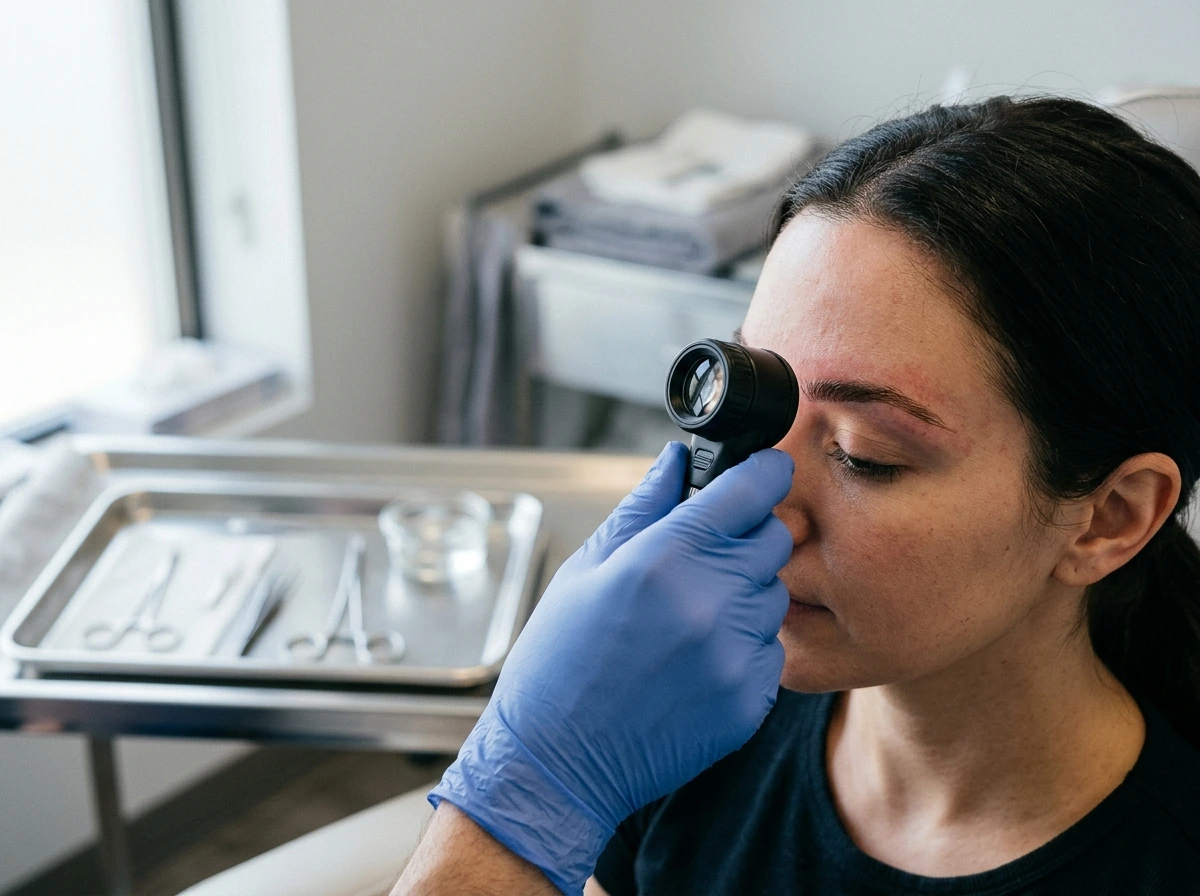
After threading, most people see noticeable regrowth within 2 to 4 weeks, with full recovery of the removed hairs taking anywhere from 6 to 8 weeks for shorter, finer hairs and up to 3 to 4 months for a genuinely full, shaped brow to come back. That wide range exists because eyebrow hair growth is genuinely individual, and a few real biological factors determine where you land on that timeline. Here is what to expect, what you can do right now, and when something is actually worth worrying about.
How Long Do Eyebrows Take to Grow Back After Threading?
James Whitmore
24 Mar 2026
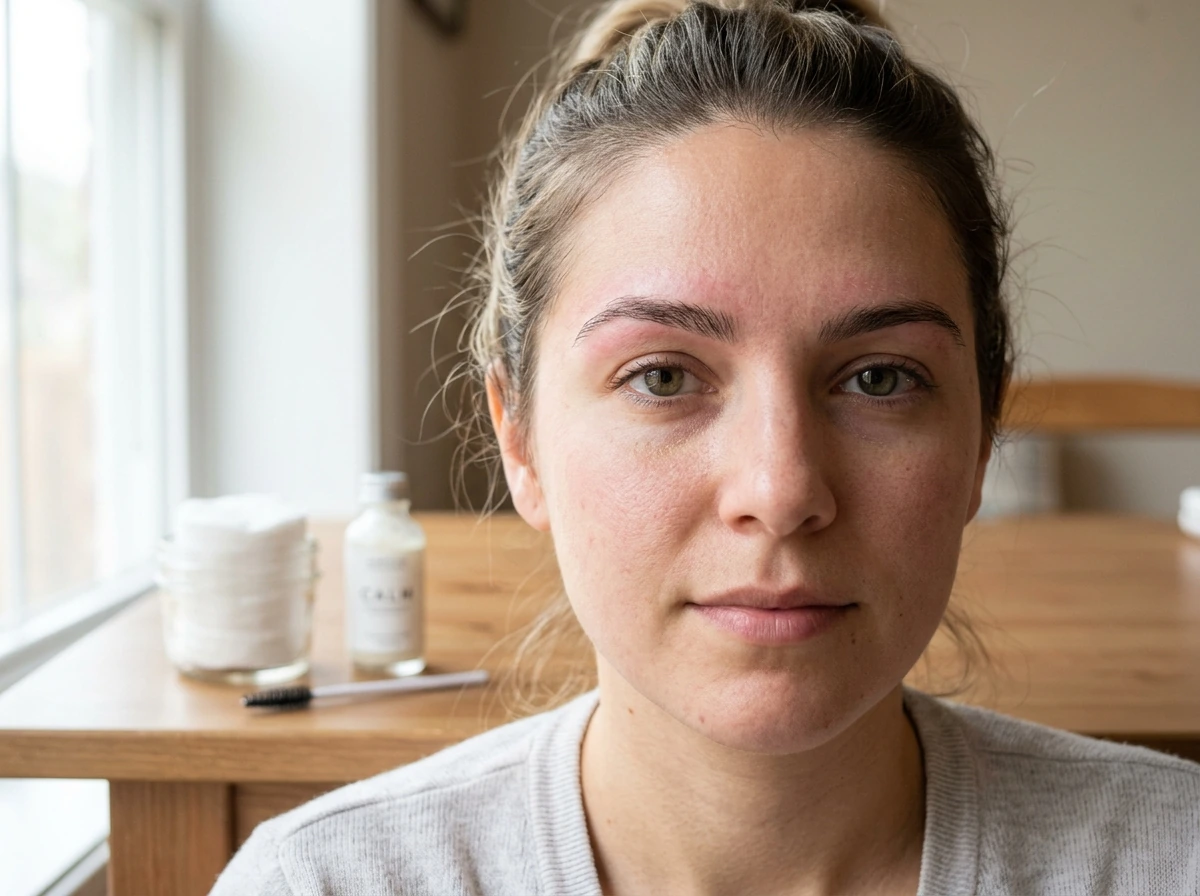
What happens to your brows in the first few days after threading
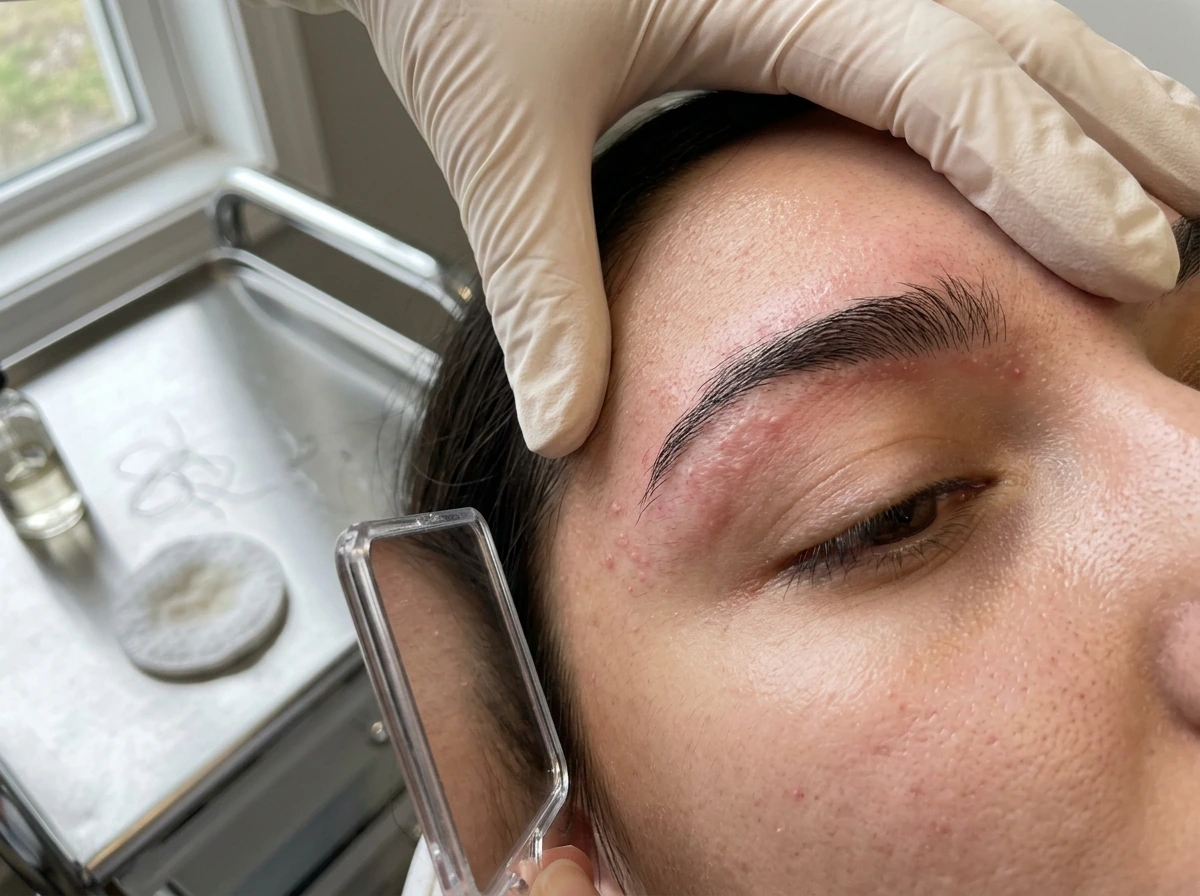
Right after threading, your skin is going to look a little angry. Redness (erythema) is normal and usually fades within a few hours. A PubMed-indexed dermatology review on eyebrow threading describes erythema and other skin complications such as folliculitis and pseudofolliculitis, supporting why bumps and inflammation can occur after threading Redness (erythema) is normal and usually fades within a few hours.. Threading pulls hair directly from the follicle, which creates a small wound at each extraction point. You might also notice tiny red bumps around the brow area, which can be folliculitis or pseudofolliculitis, essentially minor inflammation or irritation of the follicle opening. This is documented in dermatology literature as a known complication of threading, and for most people it resolves within 24 to 48 hours without any intervention.
What you will not see in the first few days is any new hair. That is not a sign something is wrong. The follicle needs time to cycle back into its growth phase (anagen) before a new hair shaft starts pushing through. Days 1 through 5 are essentially a waiting room.
The actual timeline: days, weeks, and months
Eyebrow hair has a much shorter active growth phase than scalp hair. Scalp hair spends roughly 90% of its time in anagen (actively growing), but eyebrow hair flips that ratio, spending more time in the resting telogen phase than in active growth. That biology is why eyebrow regrowth feels slower than you might expect.
| Timeframe | What to expect |
|---|---|
| Days 1–5 | Redness and minor bumps settle. No visible regrowth yet. |
| Week 1–2 | Fine, short hairs begin breaking through the skin surface. Very subtle. |
| Week 2–4 | Visible stubble and short hairs. Shape looks softer and less defined. |
| Week 4–6 | Most of the threaded hairs have some regrowth visible. Still patchy. |
| Week 6–8 | Hairs are reaching a length closer to pre-threading density for many people. |
| 3–4 months | Full regrowth and return to a shaped, filled-in brow for most people. |
Keep in mind that threading removes hairs at different points in their individual growth cycles. Some of the pulled hairs were already near the end of their cycle and will regrow quickly because the follicle was primed to re-enter anagen. Others were yanked out mid-growth and will take longer to restart. This is the main reason regrowth looks uneven at first.
Do eyebrows always grow back after threading?
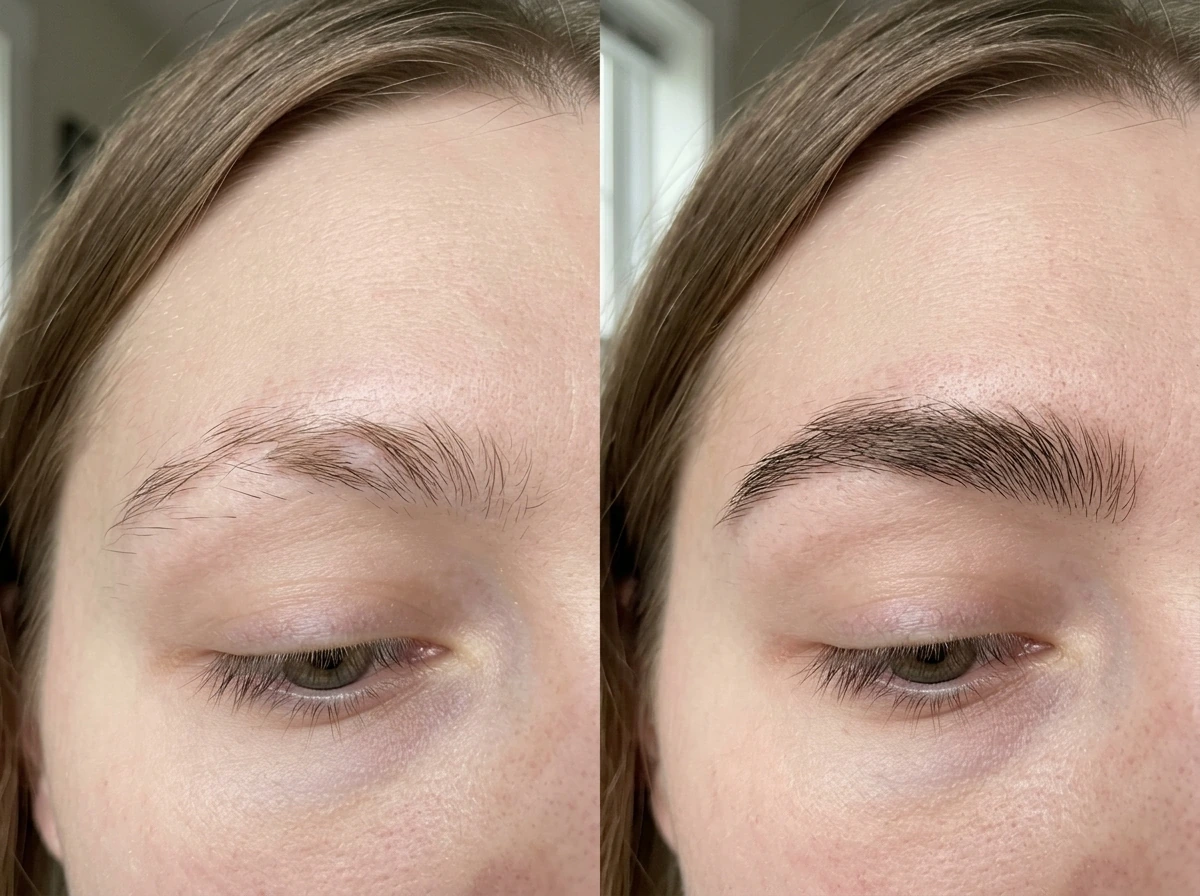
For the vast majority of people, yes. Threading removes the hair shaft but leaves the follicle intact, so regrowth is expected. That said, regrowth is not guaranteed for everyone, and a few factors genuinely affect your outcome.
Things that affect how well and how fast your brows come back
- Age: Hair follicle activity naturally slows with age, and older skin regenerates more slowly. Regrowth that took 6 weeks at 25 might take 10 to 12 weeks at 50.
- Genetics: Some people simply have more active follicles and denser brow hair. If your brows have always been sparse, they will grow back to that baseline, not to something thicker.
- How much was removed and how aggressively: Over-threaded brows, especially repeated aggressive sessions over years, can cause cumulative follicle stress.
- Skin condition at the time: Inflamed or sensitized skin can slow follicle recovery. If you have active skin conditions around the brow area, healing takes longer.
- Underlying hair loss: Conditions like alopecia areata, thyroid dysfunction, or nutritional deficiencies can impair regrowth regardless of the threading itself.
- Threading technique and pressure: A skilled threader causes less follicle trauma than an inexperienced one. Repeated incorrect technique increases the risk of follicle damage over time.
It is worth noting that eyebrow and eyelash alopecia research suggests permanent hair loss affects roughly 5% of cases where follicle damage is involved, though that figure is for eyebrow alopecia generally, not specifically from threading on otherwise healthy follicles. For a one-time threading session on healthy brows, permanent loss is very unlikely. The risk goes up with chronic repeated over-threading over many years.
Why do some people feel their brows grow back so fast?
If you have ever had your brows threaded and felt like the hairs were back within a week or two, there are a few explanations. First, threading removes hair from the root, but hairs that were already deep in their anagen phase can re-emerge relatively quickly because the follicle was actively producing. Second, and more commonly, some of what you see as "fast regrowth" is actually the shorter hairs that threading did not fully remove coming back to surface visibility as the surrounding skin calms down and the tiny stubs extend.
Individual differences in hair cycle timing also play a role. People with naturally faster anagen cycling see new growth appear sooner. Younger people with higher cellular turnover rates tend to notice faster visible regrowth. This is not an exception to the biology, it is just the faster end of the normal range.
What to do right now while you wait
The first 48 to 72 hours are when you need to be the most careful. The follicle openings are temporarily vulnerable, which means you want to keep the area clean and avoid anything that could cause irritation or infection.
- Avoid touching the brow area unnecessarily for the first day. Your fingers carry bacteria, and freshly threaded skin is more susceptible to folliculitis.
- Skip heavy makeup, foundation, or brow products directly on the threaded area for at least 24 hours. Fragrances and preservatives in cosmetics can trigger irritant or allergic contact dermatitis on skin that is already compromised.
- Do not apply retinols, acids, or exfoliants near the brow area for several days post-threading. These will inflame already-sensitive follicles.
- Use a gentle, fragrance-free moisturizer if the skin feels tight or dry. Keeping the skin barrier intact supports faster follicle recovery.
- Avoid saunas, intense sweating, or swimming in chlorinated water for 24 to 48 hours. Heat and chemicals can extend redness and irritation.
- If you develop persistent bumps or itching beyond 48 hours, a thin layer of 1% hydrocortisone cream can help reduce inflammation, but do not use it routinely long-term near the eye area without medical guidance.
One thing worth remembering: the skin around the eyes and brows is among the thinnest on your face and is particularly reactive to topical products. If you notice a rash or itching that develops or spreads beyond the threading area, that points toward a contact dermatitis reaction to a product rather than a normal threading response. CDC notes that molluscum contagiosum is caused by a poxvirus and can spread through touch and scratching, with hair removal procedures sometimes contributing to lesion spread or impact in affected areas. Contact dermatitis rashes typically clear on their own within two to six weeks once the offending product is removed, but identifying and stopping the trigger is the key step.
How to actually support thicker, healthier regrowth
Once the initial redness and sensitivity have settled, usually after the first few days, you can start actively supporting the regrowth process. Here is what the evidence and experience say about the main options.
Castor oil
Castor oil is probably the most widely recommended brow growth remedy, and it is worth being honest: the science is limited. There are no large clinical trials specifically on castor oil for eyebrow regrowth. What it does offer is ricinoleic acid, which has anti-inflammatory properties, and a thick emollient base that conditions existing hairs and keeps the skin around the follicle moisturized. That is not nothing. I have used it consistently for 8 to 12 weeks and seen modest improvement in brow density, but the expectation should be conditioning and minor support, not dramatic regrowth. Apply a small amount with a clean spoolie to brow hairs at night, leave it on, and wash off in the morning. Be careful not to get it in your eyes.
Rosemary oil
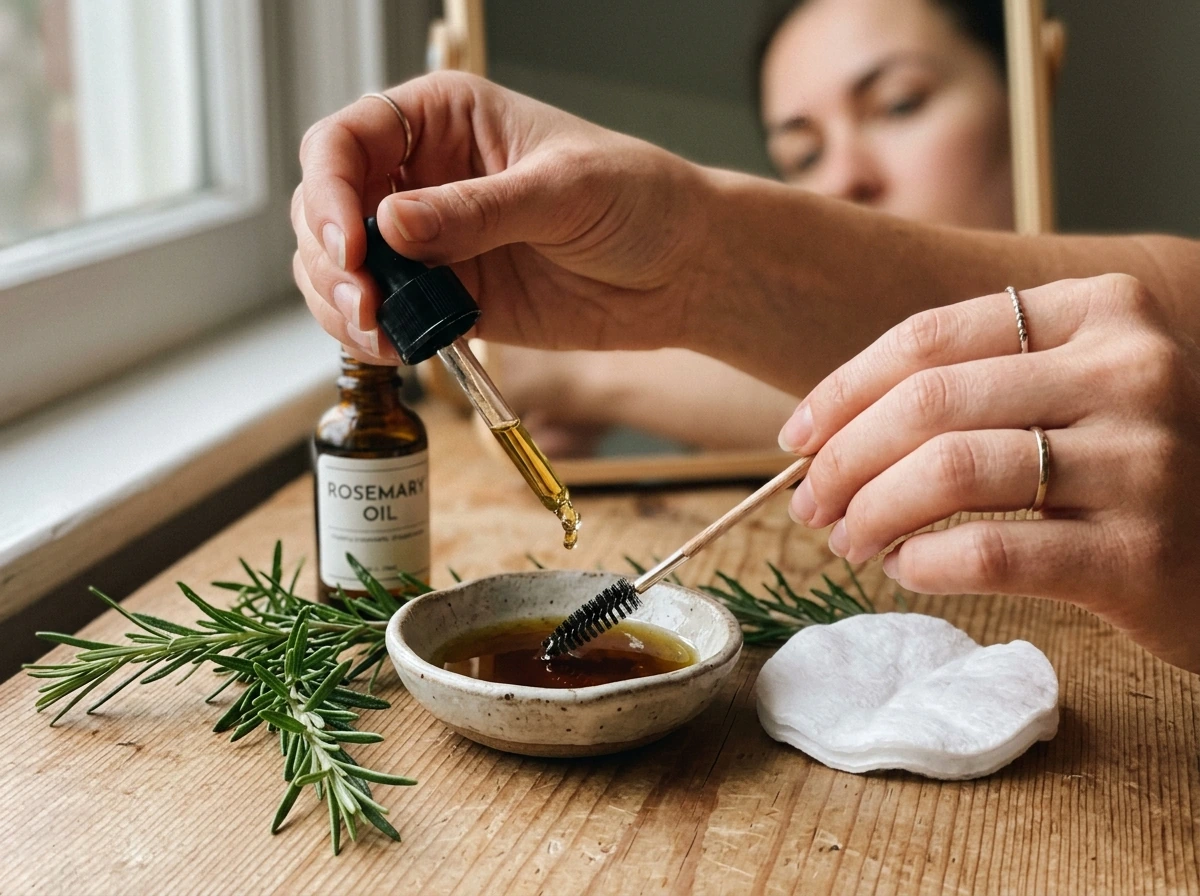
Rosemary oil has better clinical backing than castor oil for hair growth, primarily from scalp hair research showing it comparable to minoxidil 2% in one study. Its active compounds, particularly rosmarinic acid and carnosic acid, are thought to improve scalp circulation and support follicle activity. There is less direct research on brows specifically, but given the shared follicle biology, it is a reasonable option. Dilute it to about 2 to 3 drops in a carrier oil (jojoba or almond work well) before applying to the brow area. Daily application for at least 8 to 12 weeks is needed to assess results.
Minoxidil
Minoxidil is the most evidence-supported topical option for eyebrow regrowth. Multiple randomized controlled trials have specifically studied minoxidil 2% lotion for eyebrow hypotrichosis (sparse brows), and the results show meaningful improvement in hair density and thickness over 16 weeks. This is not an over-the-counter brow serum making vague claims; this is actual clinical trial data. A 2% formulation applied once or twice daily to brow hairs is what has been studied. The catch: you need to use it consistently and accept that results build slowly over months. If you stop using it, brows can revert toward baseline over time. It also needs careful application to avoid getting it near the eye itself. If you are considering minoxidil for brow regrowth, it is worth a conversation with a dermatologist first, especially if you have any skin sensitivities.
Nutrition and general health

Deficiencies in iron, biotin, zinc, and vitamins D and B12 are associated with hair loss. If your regrowth seems slower than expected across the board (not just after threading but in general), getting basic bloodwork done is a smarter first step than buying supplements blindly. Supplementing nutrients you are not deficient in does not accelerate hair growth.
When slow regrowth is a sign of something more
Most threading-related regrowth delay resolves on its own. But some patterns are worth paying attention to.
- No visible regrowth at all after 6 to 8 weeks: If there is genuinely no new hair appearing anywhere in the threaded area after nearly two months, that is worth discussing with a dermatologist. It could indicate follicle damage, an underlying condition like alopecia areata, or a nutrient deficiency.
- Patchy regrowth that looks different from your baseline: If regrowth is coming in unevenly in a way that does not reflect your normal brow pattern, consider whether an underlying hair loss condition could be present.
- Persistent redness, itching, or bumps beyond a week: Prolonged folliculitis or a reaction that does not settle may need topical antibiotic or antifungal treatment. Do not ignore it hoping it will go away on its own after a week-plus.
- Scarring or skin changes around the brow area: Scar tissue can impair follicle function and reduce regrowth potential. Scarring alopecia in the brow area is rare but real, and it sometimes requires specialist treatment including hair transplant approaches, though scar tissue makes graft uptake harder.
- Any unusual skin growths or lesions after threading: In rare cases, threading has been associated with viral complications like molluscum contagiosum or flat warts (verruca plana), where the procedure creates a small entry point for infection. If you notice unexplained bumps or lesions in the brow area weeks after threading, see a dermatologist rather than assuming they are normal.
The "when to see a pro" threshold is basically this: if anything has not normalized within 2 to 4 weeks post-threading, or if regrowth is absent after 8 weeks, do not just keep waiting. A dermatologist can rule out contact dermatitis, follicle infections, alopecia areata, or thyroid involvement quickly, and getting the right answer early saves a lot of time compared to trying every home remedy while the real issue goes unaddressed.
The short version if you just want the bottom line
Eyebrows typically start showing visible regrowth within 1 to 2 weeks after threading, reach reasonable density by 6 to 8 weeks, and return to full pre-threading coverage within 3 to 4 months. does eyebrow transplant hair grow long Factors like age, genetics, threading technique, and underlying health affect where you land in that range. does eyebrow transplant hair grow long Keep the area clean and product-free for the first 48 hours, then consider a consistent nightly routine with rosemary or castor oil while you wait. If you want the strongest evidence-backed support for regrowth, minoxidil 2% has the clinical data behind it. And if nothing is growing back after 8 weeks, skip the serums and see a dermatologist. For a broader look at the full eyebrow regrowth timeline across different causes, the general guide on how long it takes eyebrows to grow back covers the complete picture, and if you are thinking about reshaping from scratch, the piece on how long to grow out eyebrows to reshape walks through that process specifically. If you want the complete eyebrow regrowth timeline, see our guide on how long does it take eyebrows to grow back how long does it takes eyebrows to grow back.
FAQ
Why do my brows look patchy after threading, even if hair is regrowing?
Threading removes hairs at different points in their growth cycle, so some follicles restart quickly while others take longer. Also, you may see “shadow regrowth” first, where shorter or finer hairs become visible as the surface stubble lengthens and the skin calms down, making density look uneven.
How can I tell normal delayed regrowth from something like alopecia or an infection?
Normal irritation usually improves within 1 to 2 days, with redness and tiny bumps settling by 24 to 48 hours. If you get worsening pain, increasing pus-like bumps, spreading redness, significant itching, or no visible change by 8 weeks, that pattern is not typical and is worth checking with a dermatologist.
Is it safe to use makeup, sunscreen, or brow products while my brows are growing back?
For the first 48 hours, keep the area clean and avoid irritating products. After that, choose gentle, non-stinging formulas and apply lightly. If any product triggers burning, itching, or a rash, stop it and consider contact dermatitis rather than normal post-threading irritation.
Can I pluck or tweeze stray hairs while waiting for regrowth?
It is better to avoid tweezing between sessions because you can remove hairs again after the follicle has started to re-enter growth. If you must tidy, do it sparingly and only for obvious hairs outside your intended shape, but otherwise let the patchy cycle fill in naturally.
Does eyebrow regrowth take longer if my threading session removed more hair than usual?
Yes. If threading created a more aggressive shape or removed hairs repeatedly from the same follicles, regrowth can look slower because more follicles need to cycle back into anagen. Chronic over-threading over years increases the chance of persistent thinning.
Why did my brows seem to come back in a week or two after threading?
Common reasons include hairs that were already deep in active growth and re-emerged quickly, plus the return of shorter hairs that were previously not fully visible. Another factor is swelling and irritation settling, which can make the brow area look denser even before “true” long regrowth occurs.
How long should I give minoxidil, castor oil, or rosemary oil before judging results?
For consistency, give any regimen at least 8 to 12 weeks before deciding it is not helping. Minoxidil 2% studied for eyebrow hypotrichosis typically shows improvement over about 16 weeks, and stopping can lead to loss of gains over time.
Can eyebrow growth be affected by diet or supplements if I am not deficient?
Supplements only help if you are low in something linked to hair loss, such as iron, zinc, vitamin D, or B12. If you are not deficient, taking extra usually does not speed regrowth, so it is more effective to consider bloodwork when regrowth feels slow across the board.
What should I do if I have recurring bumps after threading?
Recurring inflamed bumps can point to follicle irritation or an individual sensitivity. Focus on gentle cleansing during the first 48 hours, avoid heavy occlusive products near the brow during the vulnerable period, and consider switching to a different hair removal approach. If it keeps happening or worsens, a dermatologist can evaluate folliculitis or pseudofolliculitis.
If nothing is growing back, what is the fastest next step?
If there is no meaningful regrowth after 8 weeks, do not keep waiting or rotating topical products. Schedule a dermatology visit so they can rule out contact dermatitis, follicle infections, alopecia areata, or thyroid-related issues and guide the right treatment sooner.
Next Article
Does Eyebrow Transplant Hair Grow Long? Timeline and Results
Learn if eyebrow transplant hair grows long, with timelines, shedding, regrowth, durability, and factors that affect len