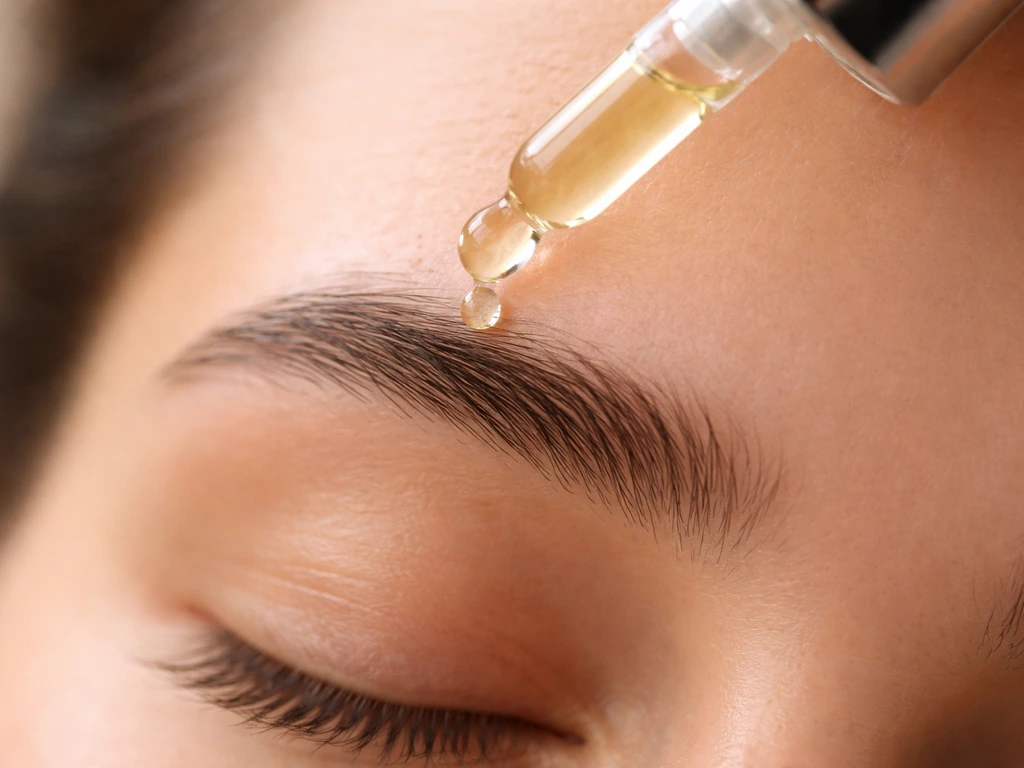
Yes, you can grow thicker eyebrows, but how much thicker depends heavily on your starting point and what's been holding your brows back. , but how much thicker depends heavily on your starting point and what's been holding your brows back. If your brows are naturally sparse due to genetics, you can improve density and appearance, but you're working within limits your follicles set.
How Can I Grow Thicker Eyebrows Faster and Naturally

James Whitmore
24 Mar 2026
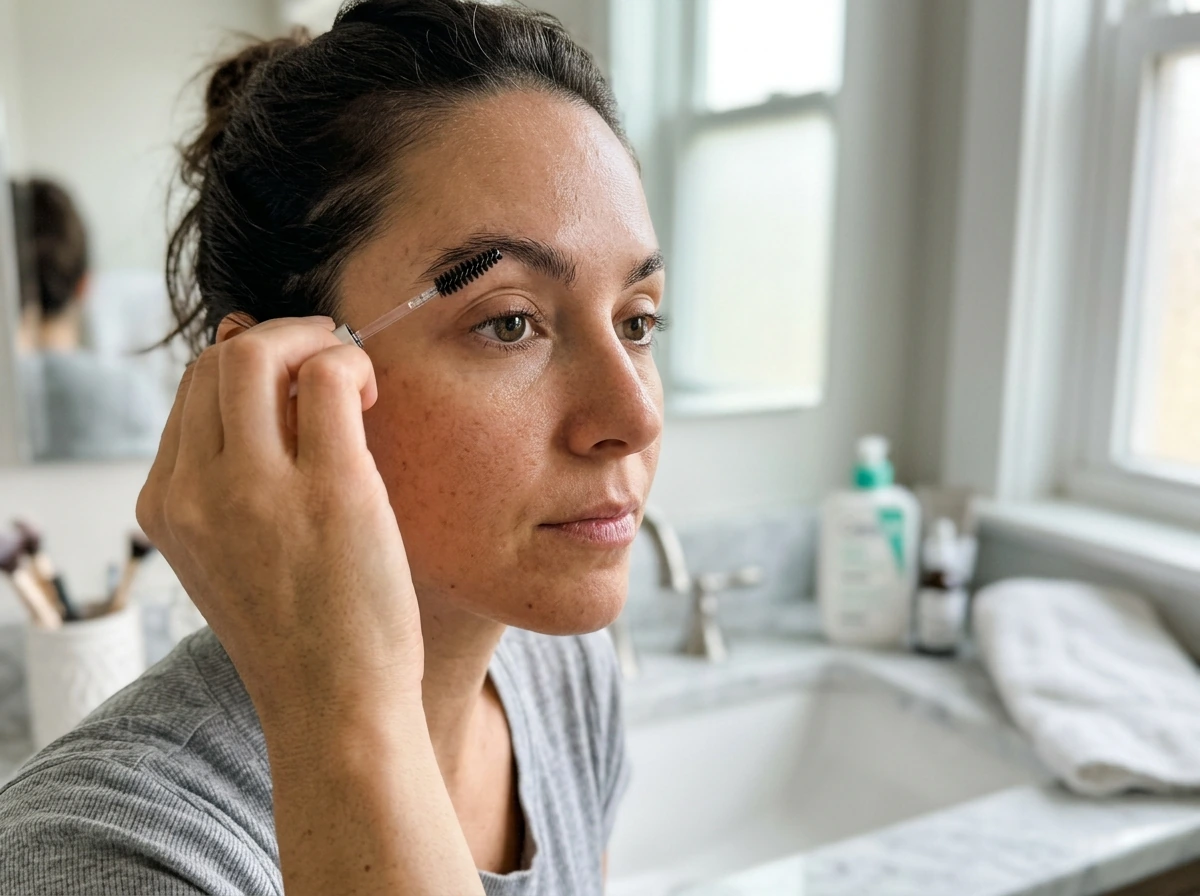
If your thinning is from over-plucking, stress, nutritional gaps, or a skin condition, there's much more room to recover. The honest answer is: most people will see meaningful improvement with the right approach, but it takes months, not days, and requires understanding what's actually going on with your brows first.
The honest answer is: most people will see meaningful improvement with the right approach, but it takes months, not days, and requires understanding what's actually going on with your brows first. how to make eyebrow grow
Can you really grow thicker eyebrows (and how fast)?
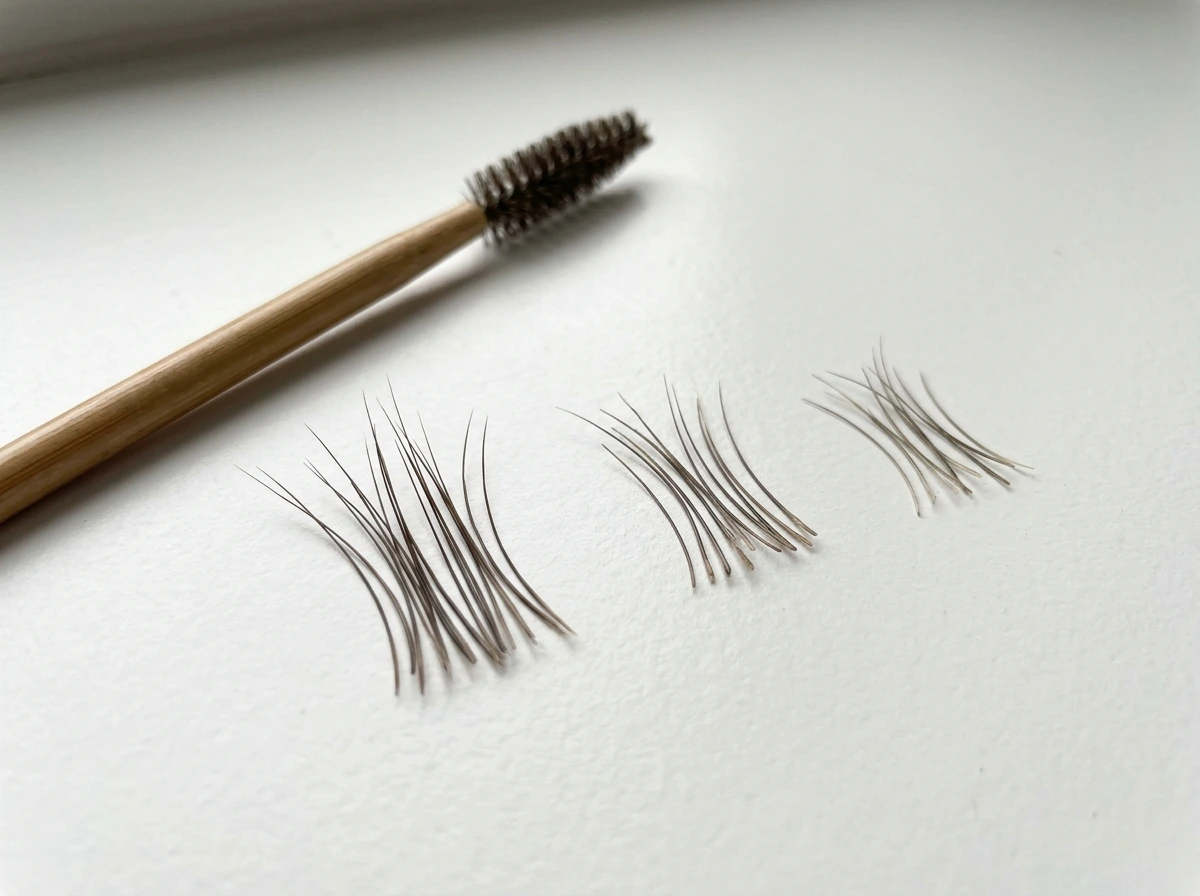
Eyebrow hair grows in cycles, just like scalp hair, but the timing is very different. Each hair goes through three phases: anagen (active growth), catagen (transition), and telogen (resting/shedding). For eyebrows, the anagen phase lasts roughly 2 to 3 months, catagen lasts about 3 to 4 weeks, and telogen stretches around 3 months. That adds up to a complete cycle of roughly 6 to 8 months per hair, compared to years for scalp hair. The growth rate itself is slow, around 0.12 to 0.15 mm per day, which is why patience is genuinely non-negotiable here.
What this cycle means practically: if you've damaged your brows through over-plucking or they're thinning for another reason, you won't see full results in a few weeks. A realistic window for noticeable change is 3 to 4 months minimum, with full recovery from significant damage taking 6 months to a year. The anagen-to-telogen ratio for eyebrow hair is also shorter than scalp hair (roughly 1:9 versus scalp's closer ratio), which is why eyebrow hairs have a natural length limit and don't just keep growing the way head hair does.
As for darkness and thickness appearing together: they're partly genetic. Coarser, denser hairs tend to look darker. When you improve density by getting more hairs into the anagen phase and keeping them there, the overall appearance of both thickness and darkness improves. But if you're naturally blonde or have fine brow hairs, no topical treatment will permanently change your pigment, and that's worth knowing upfront.
Why your eyebrows won't grow thicker (common causes)
Before throwing oils and serums at the problem, it helps to understand what's actually blocking your brows. The cause matters a lot because some issues respond well to at-home care, while others need a dermatologist. Seborrheic dermatitis affecting the beard or eyebrow areas is treated similarly to scalp seborrheic dermatitis (Merck Manual: https://www.merckmanuals.com/professional/dermatologic-disorders/dermatitis/seborrheic-dermatitis?qt=Skin) Seborrheic dermatitis in beard and eyebrow areas is treated similarly to seborrheic dermatitis of the scalp - Merck Manual Professional Edition.
- Over-plucking or waxing: Repeated trauma to the follicle over years can damage the root and, in some cases, cause permanent reduction in regrowth. The earlier you stop, the better your recovery odds.
- Friction and rubbing: Constantly rubbing your eyes, pressing tight glasses frames against your brow bone, or rough makeup removal can physically disrupt hair growth in those areas.
- Nutritional deficiencies: Low iron, biotin, zinc, or protein intake can push more hairs into the telogen (resting) phase. This shows up as shedding or thinning across the board, not just brows.
- Thyroid dysfunction: Both hypothyroidism and hyperthyroidism are well-known culprits for eyebrow thinning, particularly in the outer third. If your brows are thinning and you're also tired, cold, or gaining or losing weight unexpectedly, get your thyroid checked.
- Stress: Significant physical or emotional stress can trigger telogen effluvium, pushing hairs into the resting phase prematurely. Brow thinning from stress usually appears 2 to 3 months after the stressful event.
- Alopecia areata: This autoimmune condition causes patchy hair loss and can affect eyebrows and eyelashes directly. It often presents as well-defined bald patches rather than general thinning.
- Frontal fibrosing alopecia: A scarring alopecia that frequently involves eyebrow loss. Because it causes scarring at the follicle level, regrowth in affected areas may not be possible once it progresses, making early diagnosis critical.
- Skin conditions: Eczema, seborrheic dermatitis, or psoriasis on the brow area can disrupt the skin environment that follicles need to function normally.
- Age: Natural thinning of eyebrows happens with age, particularly in women after menopause, due to hormonal changes affecting hair follicle cycling.
If your thinning is recent, diffuse, or progressing fast, please don't just try home remedies and wait six months. A dermatologist can rule out conditions like frontal fibrosing alopecia or alopecia areata that need early treatment to preserve what you have. DermNet NZ notes that eyebrow thinning or loss (madarosis) often precedes scalp changes in frontal fibrosing alopecia.
Natural ways to grow denser, thicker eyebrows at home
These methods aren't magic, and none of them produce results overnight. But used consistently over 3 to 6 months, the right combination genuinely moves the needle for most people dealing with over-plucked or mildly sparse brows.
Castor oil
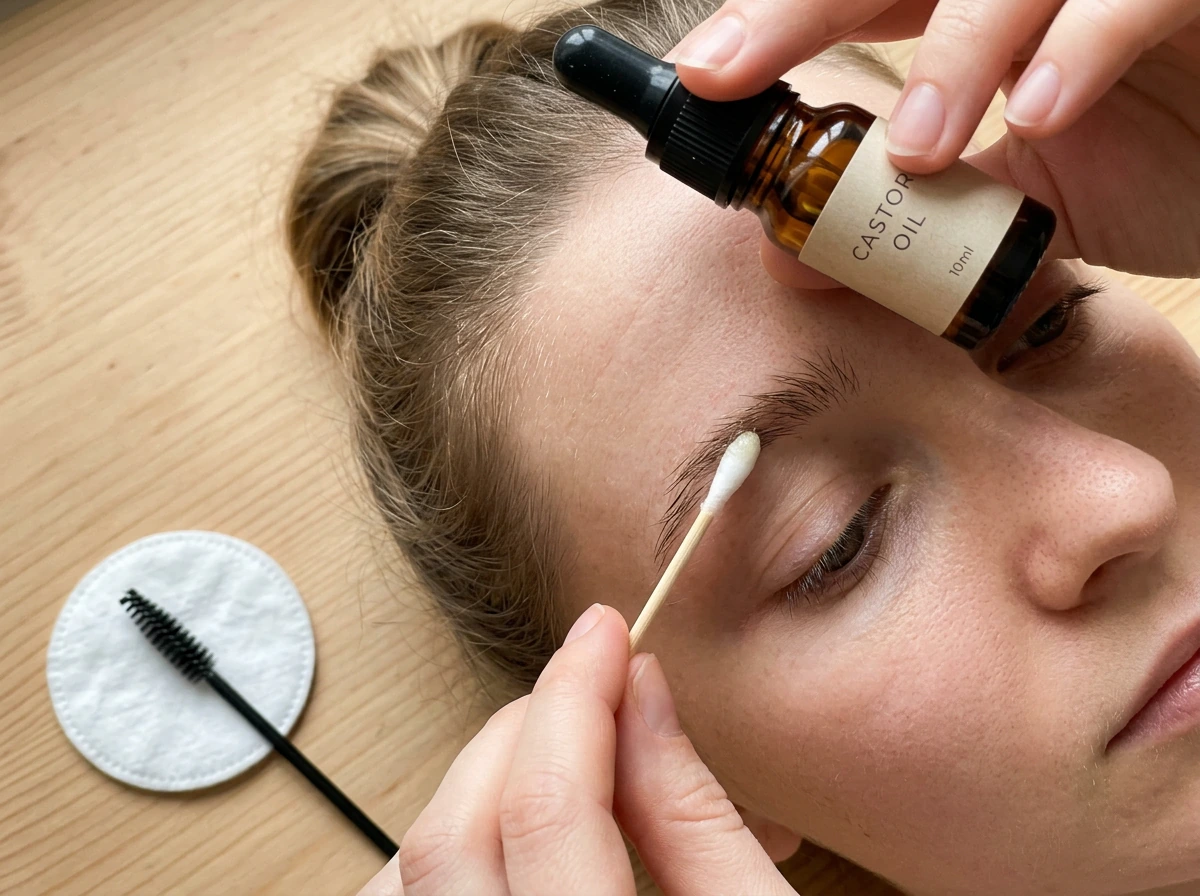
Castor oil is probably the most popular brow growth remedy, and it does have a reasonable rationale. It's rich in ricinoleic acid, which has anti-inflammatory properties and may support a healthier follicle environment. A clinical trial testing castor oil near the eyes for blepharitis found it well-tolerated with periocular use over a 4-week period, which at least tells you it's not wildly unsafe around the eye area when used carefully.
That said, castor oil has not been proven in a rigorous clinical trial to directly stimulate eyebrow growth. What it does reliably is condition the existing hairs, reduce breakage, and keep the skin around the brow hydrated. Apply a small amount with a clean spoolie or cotton swab to dry brows at night. Less is more; this stuff is thick, and getting it in your eyes is unpleasant.
Expect to use it for at least 8 to 12 weeks before judging results.
Rosemary oil
Rosemary oil has more clinical backing than castor oil for hair growth. A randomized trial comparing rosemary oil to 2% minoxidil for scalp androgenetic alopecia found no significant difference in hair count outcomes at 3 and 6 months. That's scalp hair, not brow hair specifically, but it's encouraging evidence that rosemary oil isn't just a wellness trend. It's thought to work by improving circulation to the follicle. Dilute it before applying: a few drops in a carrier oil like jojoba or argan oil, then apply with a spoolie to the brow area 4 to 5 nights per week. Pure rosemary essential oil applied undiluted to skin can cause irritation, so always dilute.
Gentle brow massage
Scalp massage research has shown that standardized massage can increase hair thickness and growth rate over time, likely by improving blood flow and mechanical stimulation to the follicle. The same logic applies to eyebrows. Use clean fingertips to very gently massage the brow area in small circular motions for 1 to 2 minutes daily, ideally when applying your oil. Don't press hard; the skin here is thin and the follicles are close to the surface.
Gentle exfoliation
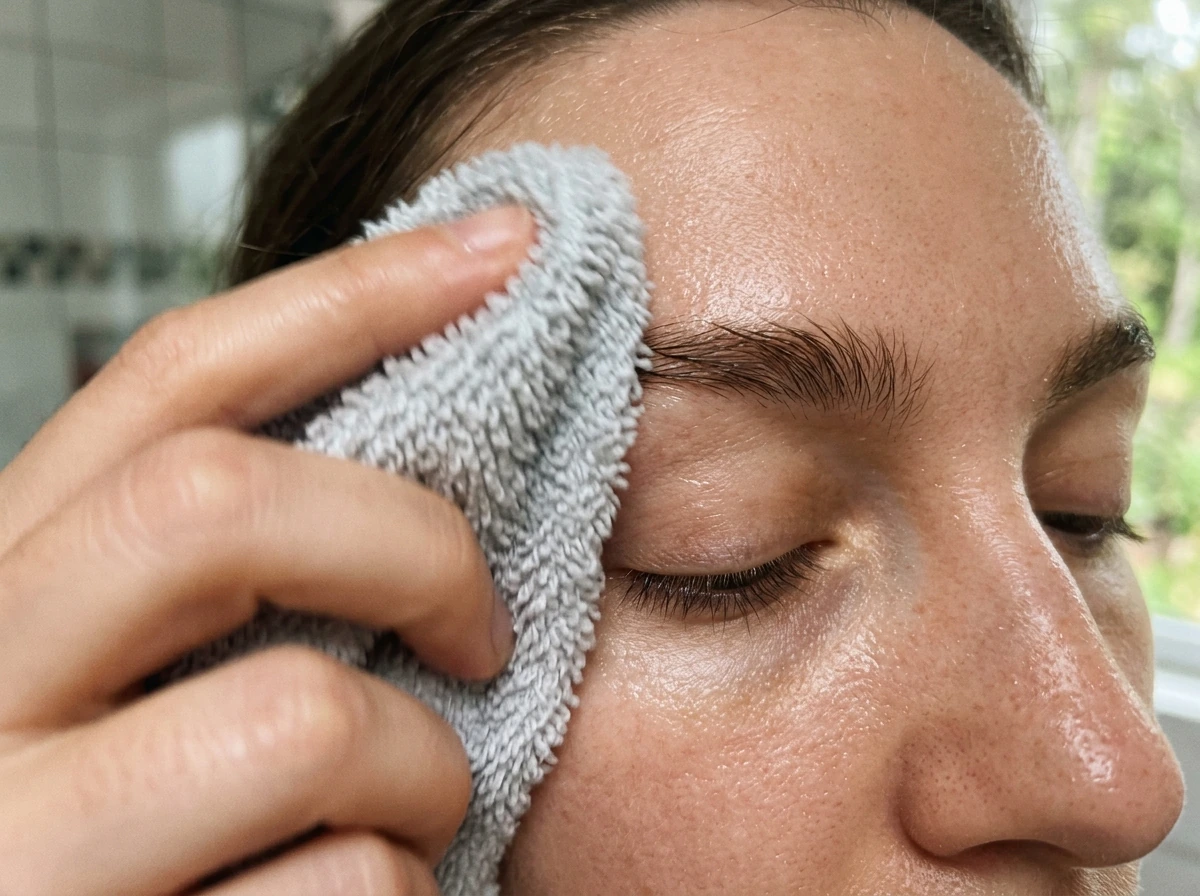
Dead skin and product buildup can clog follicles and create a poor environment for growth. A very gentle exfoliation of the brow area once or twice a week, using a soft washcloth or a mild chemical exfoliant, helps keep follicles clear. Don't scrub. This is one step people skip but it actually matters for overall skin-barrier health in the brow zone.
Nutrition: what to eat for better brow growth
You can't out-oil a nutritional deficiency. If your diet is low in protein, iron, zinc, or biotin, your hair growth across the body, including brows, will suffer. Focus on getting adequate protein (brows are made of keratin, which requires amino acids), iron-rich foods especially if you menstruate, and zinc from sources like pumpkin seeds, legumes, and meat. Biotin supplements are frequently marketed for hair growth, but deficiency is actually rare in people eating a varied diet. If you're not deficient, extra biotin won't produce dramatic results, though it's generally safe to try. A blood panel from your doctor can tell you where you actually stand.
Stop the habits that are slowing you down
- Stop plucking, waxing, or threading entirely until you've given your brows at least 3 to 4 months of uninterrupted growth.
- Switch to gentler makeup removal; dragging at the brow area nightly adds up.
- Avoid rubbing your eyes and brow area throughout the day.
- If glasses are leaving marks on your brow bone, check your fit, as this friction matters more than people realize.
How to grow eyebrows faster and thicker: evidence-based options
If you want faster or more significant results than natural methods alone can offer, there are two main evidence-backed options worth knowing about: topical minoxidil and bimatoprost (a prostaglandin analog). These are not over-the-counter brow serums with marketing claims; they're actual pharmacological agents with published clinical trial data.
Topical minoxidil for eyebrows
A randomized controlled trial evaluated topical 2% minoxidil for eyebrow hypotrichosis (sparse brows) versus a placebo and versus bimatoprost formulations. The minoxidil group showed measurable improvement in eyebrow density on both photographic and global scoring assessments. This is real clinical evidence, not anecdote. Minoxidil is thought to extend the anagen phase of hair growth and may also cause follicle enlargement, meaning hairs come in thicker. The 2% concentration is generally considered more appropriate for the delicate brow area than the 5% scalp formula.
That said, minoxidil comes with real considerations. It's labeled for scalp use and using it on the brow area is off-label. The Mayo Clinic notes that topical minoxidil can be absorbed systemically and advises following medical guidance. Common side effects include skin irritation, redness, dryness, and in some cases allergic or irritant contact dermatitis with itching. These reactions may be more likely with the propylene glycol formulation than the foam version. If you're considering minoxidil for your brows, the safest path is to discuss it with a dermatologist first, who can advise on concentration, frequency, and what to watch for near the eye area.
Bimatoprost and prostaglandin analogs
Bimatoprost is a prostaglandin analog originally developed for glaucoma that was found to stimulate eyelash growth (sold as Latisse for lashes). The same randomized trial comparing it to minoxidil for eyebrow hypotrichosis found it effective as well. Like minoxidil, this requires a prescription and medical guidance for use near the eyes. It's not something to self-prescribe from an online pharmacy without a conversation with a dermatologist or ophthalmologist.
Over-the-counter brow growth serums
The market is flooded with brow serums claiming to stimulate growth. Most rely on peptides, biotin, and plant extracts. Some contain prostaglandin analogs in concentrations that don't require a prescription. The evidence for most of these ingredients in brow-specific growth is weak to nonexistent. They're generally safe, and some do a good job conditioning brows and reducing breakage, which can improve the appearance of thickness, but manage your expectations. If a serum isn't giving results after 3 to 4 months, it probably isn't going to.
| Option | Evidence Level | Typical Timeline | Key Consideration |
|---|---|---|---|
| Castor oil | Limited (no RCT for brows) | 8–12 weeks for appearance improvement | Safe, conditions hair, minimal growth stimulation evidence |
| Rosemary oil | Moderate (RCT on scalp) | 3–6 months | Dilute before use; promising but not brow-specific data |
| OTC brow serums | Weak to moderate (varies) | 2–4 months | Quality varies widely; check ingredient list |
| Topical minoxidil 2% | Strong (brow-specific RCT) | 3–6 months | Off-label use; discuss with dermatologist first |
| Bimatoprost (Rx) | Strong (brow-specific RCT) | 3–4 months | Prescription only; requires medical supervision |
Growing back thin or over-plucked eyebrows: what to expect and when
If your blank" rel="noopener noreferrer">sparse brows are from years of over-plucking or waxing, the recovery picture is more nuanced than 'just stop and they'll grow back. If you want step-by-step help tailored to your situation, check out our guide on how to grow back eyebrow. ' Repeated trauma to the follicle can reduce its ability to produce hair, particularly if you've been plucking aggressively for 10 or 20 years. That said, many people do see meaningful regrowth once they commit to leaving their brows alone and supporting the follicle environment. The key research point here: Healthline and the Cleveland Clinic both emphasize that stopping all hair removal is the single most important first step, and that patience over months is non-negotiable.
If you've recently shaved your brows or had them waxed too thin, the timeline is generally more forgiving. Shaving doesn't damage the follicle at all, so regrowth is expected on its normal growth cycle. You'll typically see stubble within 1 to 2 weeks and meaningful fill-in within 6 to 8 weeks, though full density matching your natural baseline can take 3 to 4 months. Waxing and threading sit in between, since they remove the hair from the root but don't scar the follicle unless done repeatedly over many years. For more detail on specific regrowth scenarios, articles on how to grow back eyebrows after different removal methods can help you set a more precise timeline.
- Weeks 1 to 4: Initial regrowth of telogen hairs that were ready to cycle; may look patchy and uneven.
- Weeks 4 to 8: More hairs entering anagen; visible fuzz and early fill-in in sparse areas.
- Months 2 to 4: The most visible improvement phase for most people; hairs gaining length and coverage.
- Months 4 to 12: Full assessment of what's regrown; any remaining persistent gaps at this point may reflect follicle damage and warrant a dermatology consult.
For men pursuing thicker brows, the biology is the same, but testosterone levels do support slightly coarser and often denser facial hair overall. If you're a man with naturally thick brow hairs but sparse coverage, minoxidil has the strongest evidence base for follicle stimulation. If your brows are naturally fine-haired and sparse, the natural methods above are the right starting point, with realistic expectations that genetics play a significant role.
Make them look thicker and darker: shaping, grooming, and realistic expectations
While your regrowth is progressing, you're not stuck with bare patches and a waiting game. Strategic grooming and makeup can make a significant difference in the interim, and some techniques actually support long-term brow health rather than working against it.
Shape and brush first
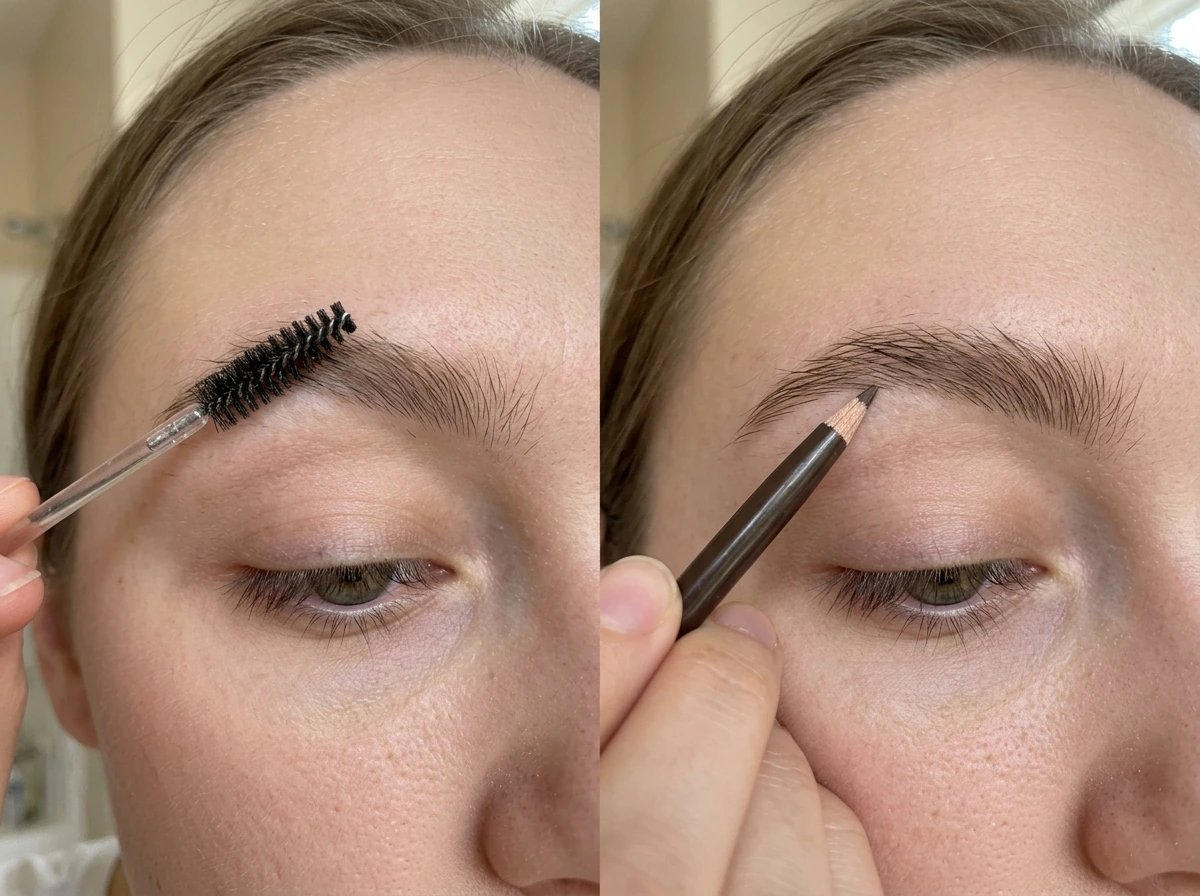
Daily brushing with a clean spoolie trains hairs to lie in the same direction and makes sparse brows look considerably fuller. Brush upward and slightly outward. This alone can visually thicken your brows by 30 to 40 percent without any product. If you're using a brow gel, a clear tinted gel brushed upward adds texture and hold that mimics fuller brows.
Fill strategically, not heavily
Brow pencils, powders, and pomades can fill in gaps while regrowth happens. The key is using hair-like strokes rather than filling in the whole brow as a block. A micro-blading pencil or fine-tip brow pen gives the most natural result. Match your natural hair color or go one shade lighter; going darker than your actual hair color typically makes sparse brows look drawn on rather than real.
On eyebrow tinting: proceed carefully
If you want your natural brow hairs to look darker, professional tinting is an option many people consider. Here's the reality: the FDA has concerns about eyebrow and eyelash dyes, noting that certain permanent dyes and tints are not approved for use near the eyes and have been associated with eye injuries. Allure notes that eyelash and eyebrow tinting is not FDA-approved. If you want to try tinting, use a professional esthetician experienced with eye-area work and never attempt DIY permanent dye near your eyes. Henna-based brow tints carry lower risk than chemical dyes and are widely used, but patch testing is still essential.
Setting realistic expectations about darkness
Thickness and darkness are related but not the same. As brow density improves, the overall shadow and depth of your brows will naturally look darker because there's more pigmented hair per square centimeter. But the actual color of each individual hair is genetically determined. No topical treatment changes hair pigment. If you have naturally dark brows that have thinned, regrowth will restore the dark appearance. If you have naturally light brows, thickening them will make them look fuller but not dramatically darker without makeup or tinting.
Safety, patch testing, and when to see a dermatologist
The brow area is close to your eyes, and that proximity matters when you're applying oils, serums, or any active ingredient. The skin here is thinner than most facial zones, absorption is higher, and anything that migrates into the eye can cause real irritation or injury. Take the safety side of this seriously.
Patch testing every product
Before applying any new oil, serum, or treatment to your brows, patch test on the inner forearm for 24 to 48 hours. If there's no redness, itching, or swelling, proceed with caution on a small brow section before full application. This applies to castor oil, rosemary oil, OTC serums, and especially anything containing a prostaglandin analog or minoxidil. Allergic contact dermatitis and irritant reactions around the eye area are both possible and unpleasant, and minoxidil in particular has documented rates of contact dermatitis.
Safe application habits
- Apply brow treatments at night, not morning, to reduce the chance of products migrating into eyes during the day.
- Use a spoolie, cotton swab, or precision applicator rather than fingers to keep product on the brow and off surrounding skin.
- Use the minimum effective amount; more product does not mean faster results, and excess is more likely to run into your eyes.
- Avoid applying any treatment to broken, irritated, or inflamed skin.
- If you experience persistent redness, swelling, itching, or eye irritation, stop immediately and consult a doctor.
When to stop DIY and see a dermatologist
Some situations genuinely need professional evaluation rather than more home experimentation.
See a dermatologist if your brows are thinning progressively and you haven't changed any habits, if you're losing outer-third brow hair (a common thyroid sign), if you have bald patches that appeared suddenly (possible alopecia areata), if you notice scarring or skin changes at the brow line (could indicate frontal fibrosing alopecia, which causes irreversible follicle damage if not caught early), or if you've been doing everything right for 4 to 6 months and seen no change.
NIAMS (NIH) notes that alopecia areata can affect eyebrows and eyelashes, and that patchy alopecia areata can occur on body areas including eyebrows.
A dermatologist can run bloodwork, do a scalp and brow exam, and offer prescription options like topical minoxidil under proper guidance or refer you for treatment of an underlying condition.
Your simple starting routine
Here's what I'd suggest if you're starting today with no existing brow-growth routine. First, stop all hair removal from the brow area entirely for at least 12 weeks. Second, every night after cleansing, apply a small amount of diluted rosemary oil (or castor oil if you prefer) to each brow with a clean spoolie, followed by 60 seconds of gentle massage.
Third, review your diet and consider a blood panel for iron, ferritin, zinc, and thyroid function if you haven't recently. Fourth, take a well-lit photo of your brows today and again every 4 weeks so you can actually track change rather than relying on daily mirror checks (which are notoriously unreliable for slow progress). Fifth, at the 3-month mark, assess: if you've seen meaningful fill-in, stay the course with natural methods.
If there's been little to no change, that's your signal to consult a dermatologist and discuss whether minoxidil or another prescription approach makes sense for your situation.
Growing thicker eyebrows is genuinely possible for most people, and the biology supports it. If you want a step-by-step plan on how to grow eyebrow hair, follow the guidance in the natural methods and routine sections next thicker eyebrows. The main things standing between sparse brows and fuller ones are usually time, consistency, and identifying the actual underlying cause. Start simple, track your progress, and escalate to professional options when the evidence warrants it how to grow the eyebrows. Start simple, track your progress, and escalate to professional options when the evidence warrants it.
FAQ
How long should it take before I notice thicker eyebrows from oils or massage?
With eyebrow hair cycling, plan for at least 3 to 4 months for visible improvement, and up to 6 to 12 months if you have long-term damage from over-plucking or waxing. If you are not seeing any change by around 4 to 6 months, switch from “keep waiting” to “evaluate the cause,” ideally with a dermatologist.
Can I use rosemary oil or castor oil if I have sensitive skin or eczema?
You can try, but start with extra caution. Dilute rosemary oil more than usual, use it less frequently (for example, 2 to 3 nights per week), and do a longer patch test (48 hours minimum) before applying near the brow. If you get persistent redness, itching, or flaking, stop and do not “push through.”
What’s the safest way to apply treatments near my eyes?
Use the smallest amount possible, apply to dry brow skin rather than the eyelid, and avoid the lash line. Consider using a cotton swab or a clean spoolie with very little product to prevent migration. If you wear contacts, take them out before applying and wait until the area feels fully settled before reinserting.
Does shaving or trimming my eyebrows make them grow thicker?
Shaving and trimming do not change the follicle or make hairs regenerate thicker, because the hair shaft you see is already formed. The benefit of shaving is mainly cosmetic, it can make regrowth appear more even sooner, but thickness still follows your normal eyebrow growth cycle.
How can I tell if my sparse brows are from over-plucking versus a medical condition?
Over-plucking usually causes a gradual, patterned thinning that improves once you stop removing hair. Sudden bald patches, loss of the outer third, rapid progression, scaling, or eyebrow skin changes suggest an underlying condition and should be checked rather than treated only with oils.
Is minoxidil safe for eyebrows, and what should I watch for?
It can work, but it is off-label for the brow area and may cause irritation, redness, dryness, or contact dermatitis, especially with formulations that contain propylene glycol. Watch for itching, burning, or worsening redness within days, and stop if that happens. Discuss a plan with a dermatologist, especially if you have any eye-area sensitivity.
How do I know whether bimatoprost is appropriate for me?
Bimatoprost can be effective, but it requires prescription-level guidance because it is meant for use near the eye area and can have side effects. If you want a precise decision aid, ask your clinician whether your sparse brows look like hypotrichosis versus scarring or inflammatory loss, since scarring conditions need different management.
Will brow tinting or henna permanently darken my existing eyebrow hairs?
Tinting can change the appearance of color, but it does not alter the underlying pigment of each hair permanently. Henna-based options may carry lower risk than chemical dyes, but you still need patch testing, and professional application is safer than DIY products close to the eye.
Do I have to exfoliate my brows to grow them thicker?
Exfoliation can help remove buildup, but it should be gentle. Once or twice per week is plenty, do not scrub, and stop exfoliating if you notice irritation, because damaged skin can worsen inflammation around the follicles.
If my brows are blonde or fine-haired, can I ever make them look truly thicker without makeup?
You may be able to increase apparent thickness through improved density, but pigment limits are real. Fine or naturally light hairs can look fuller as they grow back, but they typically will not become much darker without tinting or makeup, since topical treatments generally do not change hair color permanently.
What diet changes matter most for eyebrow growth?
Aim for consistent protein intake (keratin requires amino acids) and make sure you are not low in iron and zinc, especially if you menstruate. Instead of automatically starting supplements, consider labs for ferritin, iron status, zinc, and thyroid function, because unnecessary supplements rarely help if you are not deficient.
What’s the best way to track progress so I don’t misjudge results?
Use standardized photos: same lighting, same distance, same brow position, and take them every 4 weeks. Daily mirror checks can mislead because eyebrow hairs shed and regrow on a slower cycle, and lighting changes can make density look different even when nothing is changing.
Next Article
Does Vitamin E Oil Help Eyebrows Grow? Safe Routine & Timeline
Find out if vitamin E oil helps eyebrow growth, plus a safe routine, timelines, and what works better.