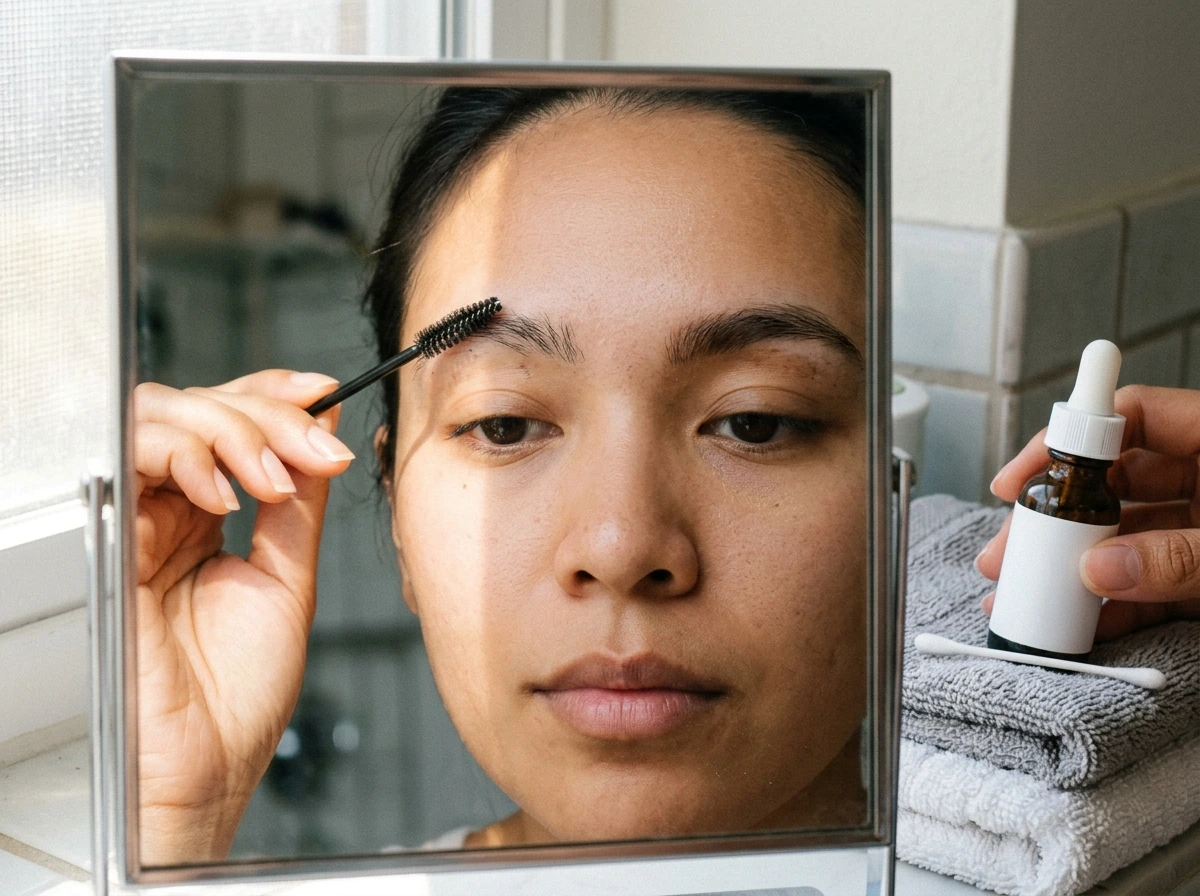
To grow eyebrows thicker at home, your best plan is a combination of leaving them alone (no more plucking or waxing for at least 3–4 months), applying a growth-supporting oil like rosemary or castor oil nightly, keeping the skin underneath clean and healthy, and doing a brief scalp-style massage over the brow area a few times a week.
How to Grow Eyebrows Thicker at Home: Routine and Timeline

James Whitmore
7 May 2026
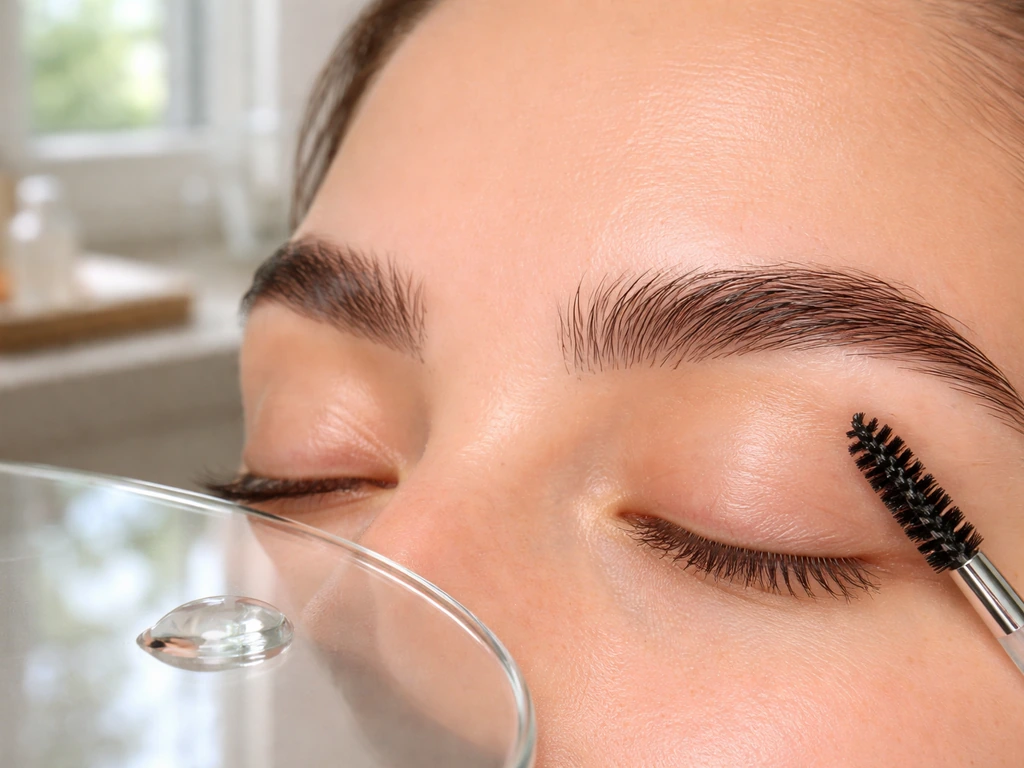
If you want the full, step-by-step plan for how to grow the eyebrows, focus on consistent aftercare like avoiding plucking and using a nightly growth-supporting routine. That's the core routine. If you are wondering how can i grow thicker eyebrows, start by avoiding plucking and waxing, then add a gentle nightly oil and regular brow-area massage.
Everything else, including OTC options like minoxidil 2%, is layered on top if basic methods aren't delivering results after a couple of months.
Why your brows look thin in the first place
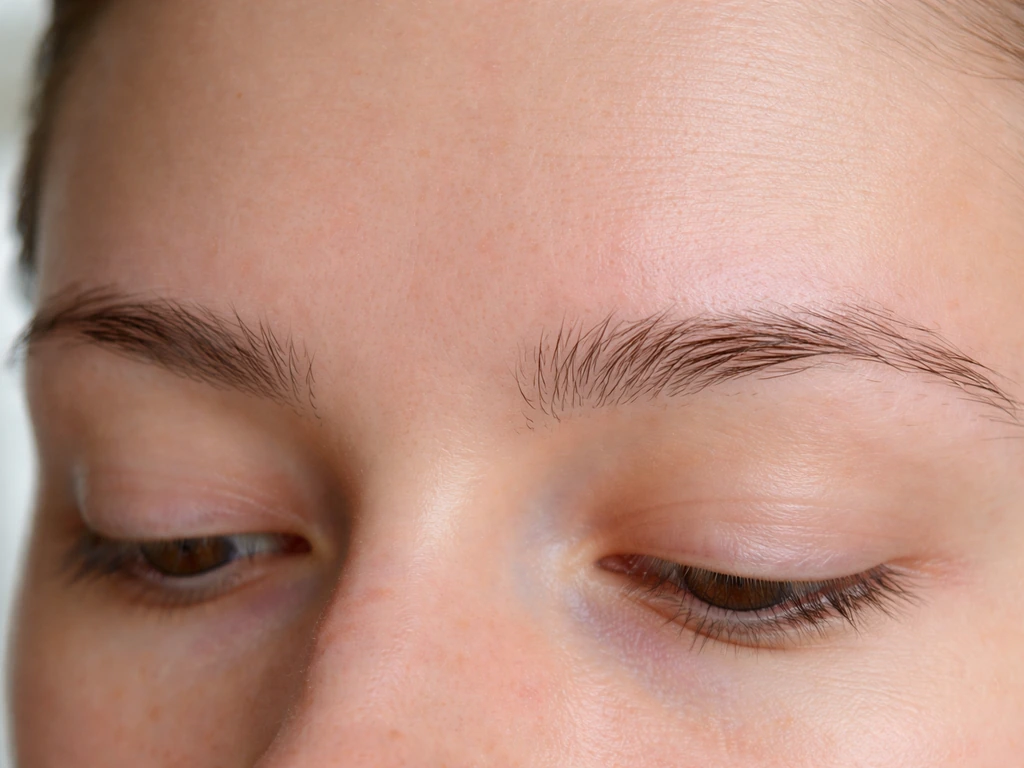
Before you can fix a problem, it helps to know what caused it. Thin brows usually come from one of a handful of sources, and the cause matters because it changes what actually works.
- Overplucking or waxing: This is the most common culprit. Repeatedly removing hair from the same follicle creates minor trauma each time. Over years, that trauma can permanently reduce growth in specific spots, which is why some people find their brows never fully bounce back after a decade of aggressive shaping.
- The hair growth cycle: Eyebrow follicles spend far more time resting than growing. The anagen (active growth) phase for eyebrow hair lasts only about 2–3 months, while the telogen (resting) phase also runs about 2–3 months. That means at any given moment, a large proportion of your brow follicles are simply sitting dormant and not producing visible hair. Scalp follicles grow actively for years; brow follicles grow actively for weeks to months. That's why brow hair stays short and why regrowth feels maddeningly slow.
- Hair breakage: Rubbing your eyes, harsh makeup removal, and even some cleansers can break brow hairs at the shaft rather than at the follicle. The hair is still growing, but it keeps snapping before you notice a length difference.
- Genetics: Some people are just born with naturally sparse brows. The density, thickness, and color of follicles you have are largely set by genetics, and no home remedy is going to create new follicles where none exist.
- Skin conditions and health issues: Seborrheic dermatitis, eczema, and blepharitis can inflame the skin around the brows and disrupt follicle function. Thyroid disease and autoimmune conditions like alopecia areata can also cause noticeable brow thinning, particularly if you notice patchy loss rather than overall thinning.
If your thinning looks patchy, came on suddenly, or is accompanied by skin changes like redness, flaking, or itching in the brow area, that's a sign the cause might be medical rather than cosmetic. Merck Manual describes alopecia areata as typically sudden, patchy, nonscarring hair loss and notes it can affect hair-bearing areas including the eyebrows. More on that at the end of this guide.
How long it actually takes: realistic timelines
The honest answer is 3 to 4 months before you see meaningful regrowth, and that assumes you stop interfering with your brows right now. The Cleveland Clinic ties expectations directly to the eyebrow growth cycle, and one published study that tracked brow regrowth after complete shaving found subjects needed a full 6 months of follow-up to assess complete regrowth. This is frustrating to hear, but it's the reality of how brow follicles work.
Here's why the wait is unavoidable: when you pluck a hair, the follicle doesn't immediately restart its growing phase. It may sit in telogen (rest) for another 2–3 months before the anagen phase kicks in and a new hair starts climbing toward the surface. Once growing, that hair adds roughly 0.14 mm per day, which is close to scalp hair rate but only for those 2–3 months of active growth. So the window for visible progress is short, and the clock doesn't start the moment you put the tweezers down.
Set your first progress check at 6–8 weeks. You should start seeing fine, new hairs in previously bare patches. Set your real evaluation point at 3–4 months. If you're not seeing meaningful density improvement by then with consistent effort, that's when it makes sense to reassess or consider a more targeted approach.
Your at-home routine for thicker brows
Think of this as a three-part daily and weekly habit, not a single product fix. Consistency is what moves the needle here.
Step 1: Clean the skin properly
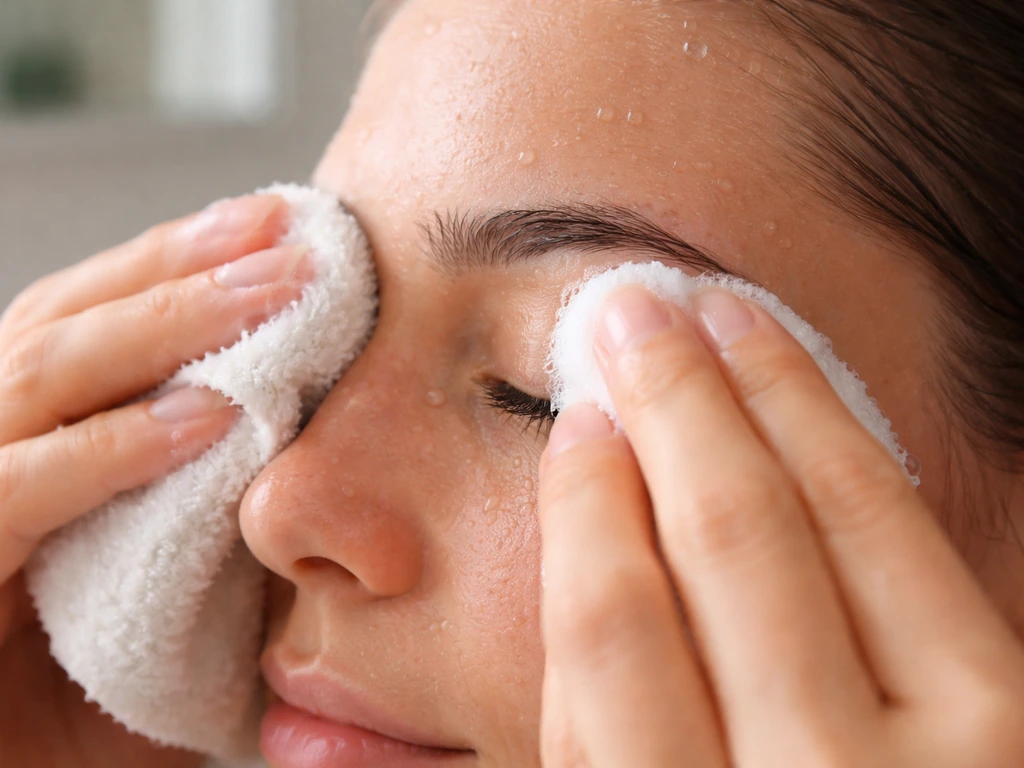
The skin under your brows needs to be clean and free of buildup for follicles to function well. At night, use a gentle, fragrance-free cleanser to remove makeup, sunscreen, and any oils you applied the night before. If you use a micellar water or cleansing balm, follow it with a water-based rinse so there's no residue sitting on the follicle openings. Seborrheic dermatitis, which causes flaking and redness in the brow area, is surprisingly common and can impair growth if left untreated. If you notice yellow or white flakes in your brow hairs, treating that condition is step zero before anything else.
Step 2: Apply a nourishing oil or serum
After cleansing each night, apply your chosen oil or growth serum to clean, dry brows. Use a clean spoolie, a cotton swab, or a clean fingertip to apply a small amount along the brow line, working from the inner corner to the tail. You don't need a lot, just enough to lightly coat the hairs and the skin beneath. Let it absorb and don't rub your eyes afterward.
Step 3: Massage the brow area
Two to three times a week, spend about 30–60 seconds using your fingertips to gently massage the brow area in small circular motions. This increases local circulation, which brings more nutrients and oxygen to the follicles. It's the same principle behind scalp massage for hair growth, and while eyebrow-specific clinical data is limited, the mechanism is sound and the risk is zero. Do this during your oil application step to keep the habit simple.
The grooming rule: stop over-grooming
This one is non-negotiable. Put the tweezers away for at least 12 weeks. If you need to manage stray hairs for appearance reasons, use small scissors to trim, never pull. Every pluck during the regrowth phase restarts the telogen clock on that follicle.
Home remedies that may help (and how to use them)

Here's where I want to be honest with you: most home remedies have limited clinical evidence specifically for eyebrow growth. That doesn't mean they're useless. It means you should go in with calibrated expectations. These are the options with the most credible supporting rationale.
Rosemary oil
Rosemary oil is the most evidence-adjacent of the natural options. It has been studied for scalp hair growth with some promising results, and the mechanism, improving circulation and potentially influencing hair follicle activity, is plausible for brows too. That said, the evidence is mixed and mostly scalp-focused, not eyebrow-specific. Still, it's one of the better-reasoned DIY choices. Dilute it before use: 2–3 drops of rosemary essential oil in about a teaspoon of a carrier oil like jojoba or coconut oil. The Cleveland Clinic specifically recommends diluting rosemary oil to reduce skin irritation. Apply nightly with a clean spoolie and leave it on overnight.
Castor oil
Castor oil is probably the most popular brow remedy, and it has decent credentials as a conditioning agent that can reduce hair breakage and keep existing hairs healthy. However, the evidence for it actually stimulating new follicle growth is weak. Think of it more as a protective coating than a growth stimulator. The more important thing to know: keep it away from your eyes. UCI Health and the Cleveland Clinic both flag that castor oil in the eye can cause irritation, reduced tear quality, blurred vision, and in serious cases, chemical irritation. Apply it only to the brow bone skin and hair, not the eyelid margin, using a clean cotton swab. Patch test first if you have sensitive skin.
Jojoba and argan oil
These are primarily conditioning carriers rather than growth stimulators. They're excellent for preventing breakage, keeping brow hairs supple, and acting as a base for essential oils like rosemary. If your brows look thin partly because hairs are breaking rather than not growing, adding a conditioning oil nightly will make a visible difference within a few weeks.
A quick comparison
| Remedy | Best for | Evidence level | Eye-area safety note |
|---|---|---|---|
| Rosemary oil (diluted) | Circulation support, growth stimulation | Moderate (scalp data, limited brow data) | Keep off eyelids; dilute always |
| Castor oil | Conditioning, reducing breakage | Low for growth; decent for conditioning | Do not get in eyes; apply to brow only |
| Jojoba oil | Carrier, conditioning, breakage prevention | Low for growth; good conditioning rationale | Generally well tolerated |
| Argan oil | Conditioning, softening hairs | Low for growth | Generally well tolerated |
How to grow eyebrows faster: evidence-based options
If you want to accelerate growth beyond what oils and routine can offer, there are OTC options with actual clinical data behind them. These are not quick fixes and they come with important caveats, but for people who have tried the natural approach for 3+ months without progress, they're worth knowing about.
Minoxidil 2%
Minoxidil is best known as a scalp hair loss treatment, but it has been studied specifically for eyebrow hypotrichosis. If you're wondering how to grow back eyebrow fullness, this is one reason minoxidil is often discussed for eyebrow hypotrichosis. A published randomized controlled trial used once-daily topical minoxidil 2% gel applied directly to the eyebrows and found measurable improvement compared to baseline. This is real, peer-reviewed data for brows, not just scalp extrapolation.
The catch is that minoxidil is used off-label for eyebrows, meaning it's not an FDA-approved brow treatment. You need to be careful with application: the Mayo Clinic specifically instructs users to keep minoxidil away from the eyes, nose, and mouth, and to wash hands immediately after applying. Use a cotton swab for targeted application, apply a thin layer once daily, and avoid touching the eyelid. If you notice irritation, scaling, or redness, stop use and let the skin recover.
Bimatoprost (prescription)
Bimatoprost is a prostaglandin analogue that has been studied in Phase 3 clinical trials for eyebrow hypotrichosis with demonstrated efficacy and safety. It requires a prescription and is typically prescribed by a dermatologist. This is not an at-home remedy you can grab off a shelf, but it's worth knowing it exists if OTC options don't deliver results. Mention it to your dermatologist by name if you're seeking a medical approach.
Nutrition and overall health
Hair growth is metabolically demanding. Deficiencies in biotin, iron, zinc, and protein can all slow regrowth. If your diet has been restricted or you suspect a deficiency, a basic blood panel from your doctor can identify gaps. Don't over-supplement without knowing your baseline, high-dose biotin in particular can interfere with some lab tests. Eating enough protein and getting adequate iron are the two most impactful dietary factors for hair growth, including brows.
What to avoid and how to prevent patchy regrowth
Some of the most damaging things for brow regrowth are habits people don't realize are problems. Here's what to actively eliminate from your routine:
- Plucking or waxing during regrowth: Every pluck sets back the follicle. Even removing one hair you're impatient about can mean another 2–3 months of waiting for that spot. This is the hardest rule to follow and the most important one.
- Rubbing your eyes and brows: Friction breaks hairs and can cause mild traction stress on follicles over time. Be especially gentle when removing eye makeup.
- Harsh or stripping cleansers: Alcohol-based products, strong acne washes, and heavily fragranced cleansers can irritate the brow-area skin and disrupt the follicle environment.
- Overloading oils: More product does not mean faster growth. Applying thick layers of castor oil nightly can clog pores and cause folliculitis (small inflamed bumps) in the brow area. A thin, even coat is all you need.
- Skipping a patch test: Both castor oil and rosemary oil can cause allergic contact dermatitis in some people. Always test on a small area of your inner wrist 24 hours before applying to your face.
- Ignoring skin conditions: Flaking, itching, or redness in the brow area is a signal that something inflammatory is happening under the surface. Applying oils on top of an unmanaged skin condition like seborrheic dermatitis can make it worse. Address the skin health first.
- Inconsistent application: One week on, two weeks off doesn't give you data or results. Commit to a consistent daily routine for at least 8–12 weeks before evaluating whether something is working.
Tracking your progress and knowing when to see a dermatologist
How to track progress at home
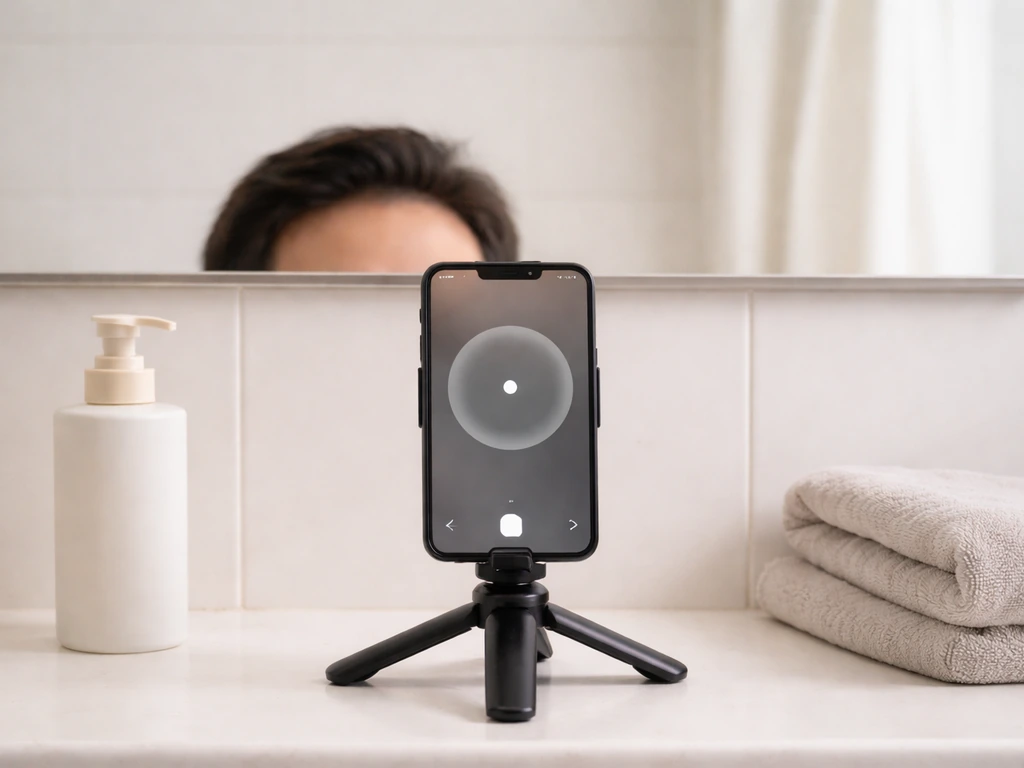
The best way to track brow regrowth is with photos taken in consistent lighting, at the same angle, on a regular schedule. Take a baseline photo on day one, then photograph every two weeks. Progress is easy to miss when you're looking in the mirror daily, but surprisingly obvious when you compare week 2 to week 10 side by side. Look for fine, lighter hairs appearing in sparse areas, that's new anagen growth, and it's a good sign. Also track whether existing hairs seem longer and less prone to breakage, which suggests your conditioning routine is working.
Keep a simple log of what you're using and when. This helps you identify what's actually helping versus what you can cut from the routine, and it's useful information for a dermatologist if you end up going that route.
When to stop DIY and see a professional
Most people who stopped over-plucking and added a consistent home routine will see meaningful improvement within 3–4 months. If you want a more direct plan for how to grow eyebrow hair, start by focusing on regrowth timelines, then build an at-home routine around gentle cleansing, consistent conditioning, and reduced over-grooming. But there are situations where you should skip ahead to professional evaluation rather than waiting it out at home:
- Your brow thinning is patchy rather than overall sparse, especially if patches appeared suddenly. Patchy eyebrow loss is a common presentation of alopecia areata, an autoimmune condition. Intralesional steroid injections, one of the most effective treatments for this, are something only a dermatologist can administer. According to the AAD, more than 80% of patients treated with intralesional steroids saw at least 50% regrowth within 12 weeks.
- You have redness, flaking, or itching in the brow area that won't resolve. This may be seborrheic dermatitis, eczema, or blepharitis, all of which require specific treatment to restore follicle health.
- You've consistently followed a home routine for 4+ months and seen no improvement whatsoever. This could suggest a hormonal issue, a nutritional deficiency, or a structural follicle problem that needs professional diagnosis.
- You suspect thyroid issues. Thyroid disease is a well-established cause of eyebrow hair loss, and it won't respond to any topical remedy until the underlying thyroid condition is managed.
- You're considering prescription treatments like bimatoprost. A dermatologist can assess whether you're a good candidate, monitor for side effects, and give you access to options that genuinely require clinical oversight.
The home approach works well for the most common cause of thin brows, which is a history of over-grooming combined with a hair cycle that simply hasn't caught up yet. For that scenario, patience plus a consistent oil and massage routine will get most people where they want to be. If that's not you, getting a professional opinion is not giving up. It's just the smarter next step.
FAQ
What should I do if my brow area gets irritated from oils or serums while trying to grow eyebrows thicker at home?
If the brows feel itchy, look red, or the skin flakes persist beyond a couple of weeks, stop growth products temporarily and treat the underlying irritation first. The article notes seborrheic dermatitis can impair regrowth, and that treating flaking is step zero, so consider using only gentle, fragrance-free cleansing and a bland barrier moisturizer until the skin calms, then restart your oil routine.
How do I patch test rosemary or castor oil safely before applying it to my brows?
Do a patch test on a small area of skin near the brow (not on the eyelid line). Wait 24 to 48 hours, then restart with half the amount you planned, once nightly. If there is swelling, burning, or persistent redness, switch to a conditioning carrier only (like jojoba or a diluted rosemary carrier blend) or stop and talk with a dermatologist.
Can I trim my eyebrows while they regrow, or will cutting them slow the process?
Yes, but make it deliberate. Trim with small scissors when hairs are noticeably longer or out of place, and avoid plucking, waxing, threading, or pulling. Trimming does not restart follicles the way tweezing can, so it lets you manage appearance while the regrowth cycle runs.
How do I know whether thinning is normal regrowth delay versus something that needs medical evaluation?
If you have true gaps or a sudden patch that appeared over weeks, don’t assume it is just delayed regrowth from past over-plucking. The article flags patchy, sudden loss with redness or flaking as a possible medical issue, so it is usually worth seeing a clinician sooner to rule out causes like alopecia areata or chronic skin conditions.
How long should I stick with a particular oil or routine before changing it?
Don’t switch products every week. Give each change at least 6 to 8 weeks, because early new hairs are easiest to see by that check-in point. A simple approach is to keep cleansing, massage frequency, and application method constant, then adjust only one variable at a time.
What are the biggest application mistakes to avoid if I try OTC minoxidil for eyebrows at home?
Minoxidil and prostaglandin-like prescriptions can cause unwanted effects, especially if they migrate. The article emphasizes keeping product away from eyes, nose, and mouth, and washing hands. Practical rule: apply with a cotton swab only to the brow hairline skin, use a thin layer, and avoid contact with the eyelid margin.
If I get results, will my eyebrows stay thicker after I stop using the routine or minoxidil?
If you stop treatments, regrowth maintenance is not guaranteed. With any growth-stimulating approach, eyebrows can revert toward baseline over time once the trigger stops, because the hair cycle continues. If you are aiming for long-term thickness, plan on ongoing gentle maintenance (cleansing, conditioning, and reduced grooming) even if you stop an active product later.
How can I tell whether my brows are thinning from breakage versus not enough new growth?
Yes. If thinning is partly due to breakage, you may see improvement in appearance sooner than true new hair growth. Look for fewer flyaways and less shedding of existing hairs as a “conditioning win,” then reassess density at the 3 to 4 month evaluation point.
What photo method actually helps me track eyebrow regrowth beyond just looking in the mirror?
Take photos under the same lighting setup and distance every time, but also include one “progress clue” that is not just visual density. Track whether you are seeing fine lighter hairs in sparse patches and whether existing hairs look longer and less prone to breakage, because the article calls out these as useful signals in addition to overall thickness.
Should I take supplements like biotin or iron to thicken eyebrows, and what’s the safest way to do it?
If you suspect a nutrient issue, don’t start high-dose supplements, especially biotin, before labs. The article notes high-dose biotin can interfere with some tests, so it is smarter to request a basic blood panel first, then supplement based on results rather than guessing.
Next Article
How to Grow Eyebrow Hair: Step-by-Step Regrowth Guide
Step-by-step guide to regrow fuller eyebrows: growth cycle, timelines, safe grooming, treatments like minoxidil, and hom