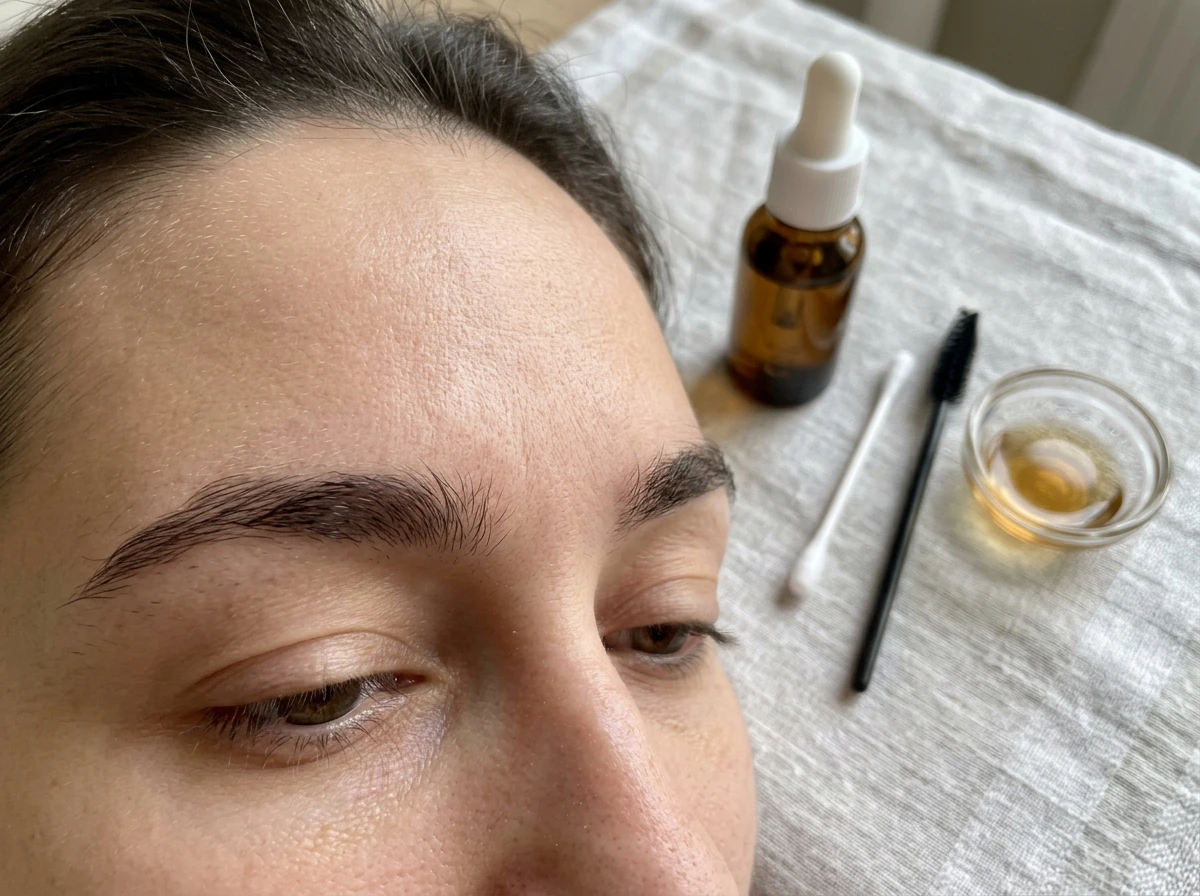
You can absolutely help your eyebrows grow, but the honest answer is: it takes longer than most people expect, the approach depends on why they're sparse in the first place, and not every product that gets hyped actually works. If you want a practical plan, start with stopping the causes of shedding, then use a proven option like minoxidil or peptide serum consistently for months.
How to Make Eyebrow Hair Grow Back Faster Naturally
James Whitmore
24 Mar 2026
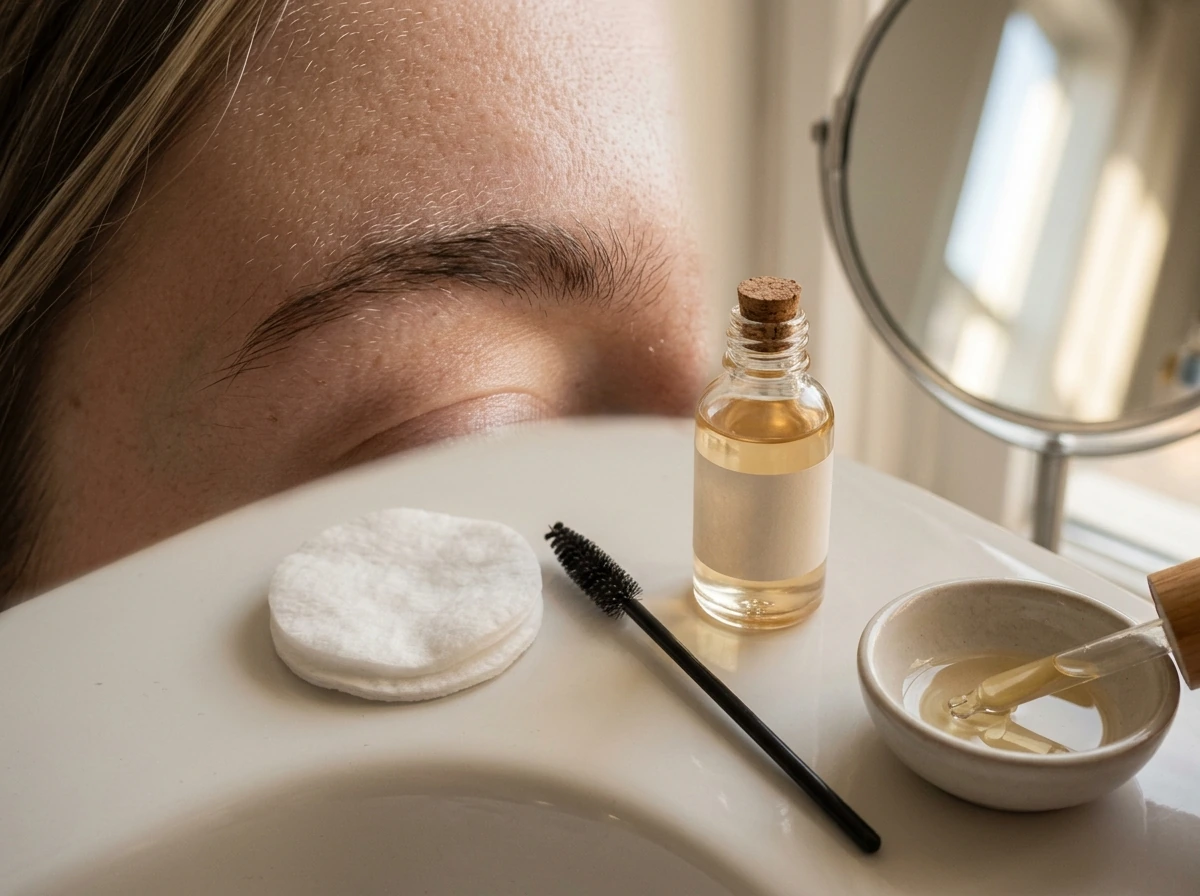
If you're wondering how to grow the eyebrows, this guide’s basics on why regrowth is slow will help you set the right expectations before you start. If you're dealing with over-plucked brows, post-waxing patchiness, or just naturally thin arches, here's a straightforward breakdown of what to do, what to use, and what to realistically expect. If you want a more step-by-step look at the exact routine, see the full guide on how to grow eyebrow hair for targeted tips.
Why eyebrows don't grow the way scalp hair does
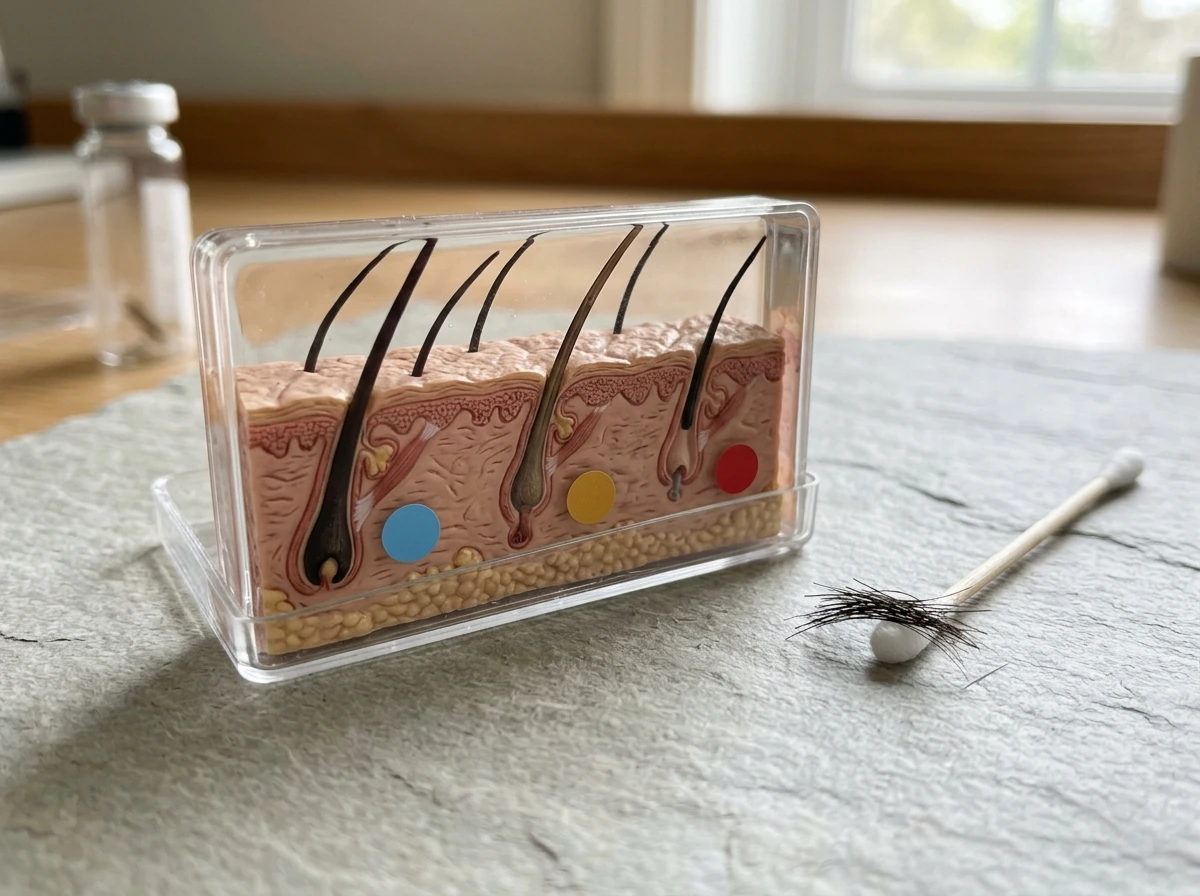
Eyebrow hair follows the same three-phase cycle as all body hair: anagen (active growth), catagen (transition), and telogen (rest and shedding). The key difference is timing. Scalp hair stays in the anagen phase for roughly 3 to 4 years, which is why it can grow very long. Eyebrow hair has an anagen phase of only about 2 to 3 months, and the entire cycle wraps up in around 4 months. That short active phase is why your brows have a natural length limit and why regrowth feels so painfully slow after damage.
When brows look sparse, the cause usually falls into one of a few categories. Over-plucking or repeated waxing is the most common one. Aggressive or frequent hair removal over years can damage follicles enough that some stop producing hair reliably. Beyond mechanical damage, hormonal changes (especially thyroid dysfunction), nutritional deficiencies, stress, skin conditions like alopecia areata, and just plain genetics all play a role. Hypothyroidism in particular is associated with thinning of the outer third of the brow, a pattern sometimes called the Queen Anne sign. If your brow loss is patchy, sudden, or concentrated in that outer zone, it's worth flagging to a doctor before assuming it's purely cosmetic.
Growing brows back vs. growing them in: trauma vs. genetics
These are genuinely different situations, and they need different expectations. If your brows were once fuller and thinned due to over-plucking, waxing, shaving, or a period of illness or stress, you're in regrowth territory. The follicles are likely still intact, they may just be in a prolonged resting phase or recovering from repeated trauma. In most cases, stopping the damage and giving the follicles proper conditions to recover will get you somewhere.
After waxing or shaving, basic regrowth can start appearing in as little as 2 to 6 weeks, though getting back to your original fullness takes much longer. If you want a detailed breakdown of what to expect while you rebuild them, see how to grow back eyebrow for more on regrowth timelines and routines.
If you've never had full brows and want to grow thicker or longer brows than you naturally have, that's a different challenge. You're working with the genetic ceiling your follicles were built with. Treatments like minoxidil can push follicles to grow more actively, but they can't create follicles that don't exist, and results vary considerably by person. Genetics, age, and whether your follicles have been damaged matter a lot here. You can improve on what you have, but temper the expectation that you'll end up with completely different brows.
A daily at-home routine that actually supports growth
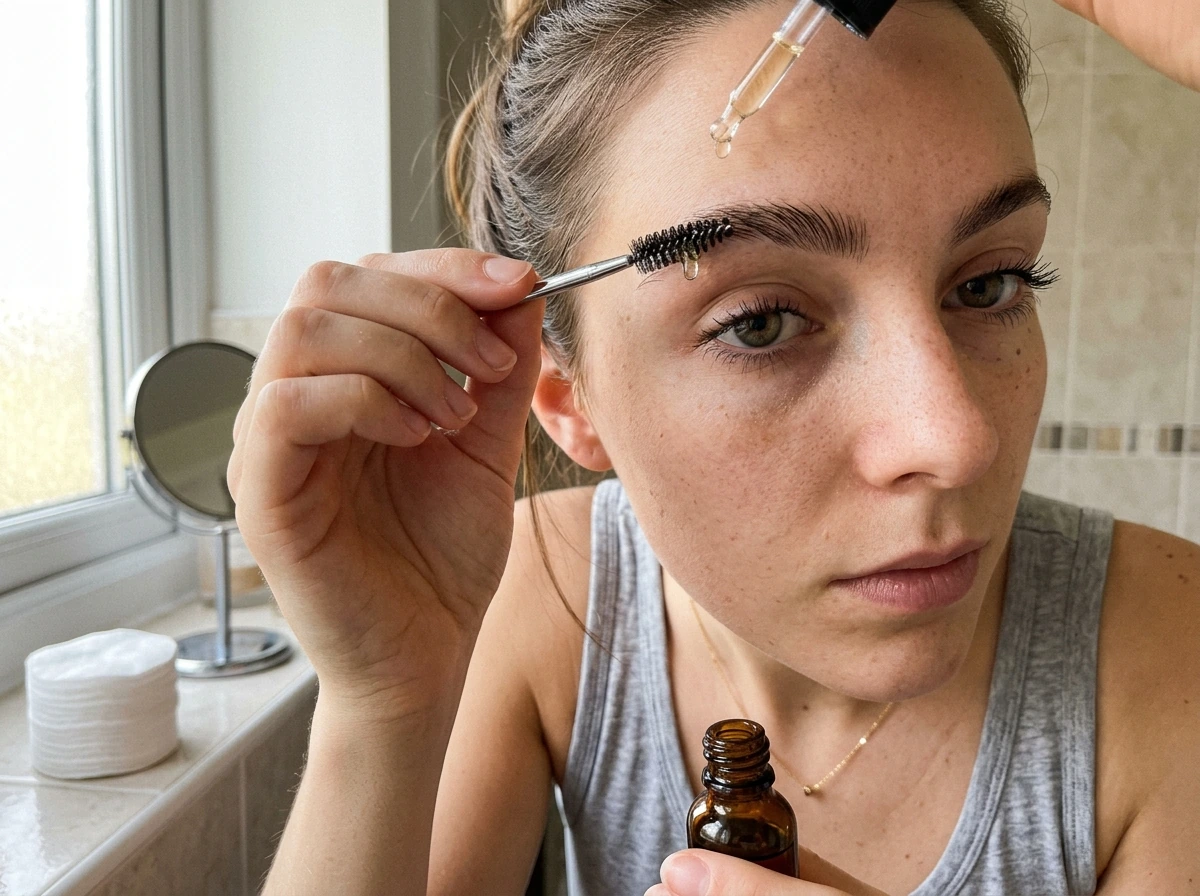
The most important first step is stopping the behaviors that are working against you. If you've been plucking stray hairs every few days, trimming heavily, or wearing heavy brow products that cause skin irritation, stop all of it for at least 12 weeks. Your follicles need an uninterrupted growth phase to make progress, and repeated trauma keeps resetting the clock.
After that, a simple daily routine makes a real difference, After that, a simple daily routine makes a real difference, part of how to grow back eyebrow without extra hype. If you want thicker brows, you can also follow the steps in this guide on how to grow back eyebrow, adjusting based on whether your thinning is from over-plucking, genetics, or something else.
Gently cleanse the brow area every evening to remove product buildup, sunscreen, and oil that can clog follicles. Apply a thin layer of your chosen growth serum or oil (more on those below). Then spend 1 to 2 minutes doing a light circular massage over the brow area with your fingertips. Massage increases local blood circulation, which supports nutrient delivery to the follicle.
It's a small habit, but it costs nothing and compounds over weeks. In the morning, keep brow grooming minimal: a clear brow gel to shape without pulling, and no heavy wax or fiber-based products that require aggressive removal.
- Stop plucking, threading, and waxing entirely for at least 12 weeks
- Cleanse the brow area gently each evening to remove product and buildup
- Apply your serum or oil of choice using a clean spoolie or fingertip
- Massage the brow area in small circles for 1 to 2 minutes after applying
- In the morning, use only a clear brow gel if you need to shape
- Avoid aggressive brow makeup removal at night (use a gentle, oil-based remover)
The best ingredients to actually use
This is where I'll be honest with you: the evidence behind popular brow growth ingredients varies a lot, and some of the most marketed options have the weakest science. Here's a breakdown of what you're actually working with.
Minoxidil
This is the strongest option available without a prescription for most people. Originally developed for blood pressure, topical minoxidil is well-studied for hair regrowth and is approved for scalp use. It's increasingly used off-label for brows, and many dermatologists recommend it in that context. It works by extending the anagen phase, pushing follicles to stay in active growth longer.
Results typically take several months to appear, and the effects diminish once you stop using it, so it's a long-term commitment if you want to maintain results. Some people experience initial shedding in the first few weeks (called telogen effluvium), which can look alarming but usually means the follicles are cycling and new growth is on the way. The 2% formula tends to cause less irritation than 5% for the brow area.
Safety is important here: always wash hands immediately and thoroughly after applying, [keep it away from your eyes entirely, and if it does get in your eyes, rinse with large amounts of cool water. ](https://www. accessdata. fda.
gov/drugsatfda_docs/label/2006/021812s000LBL. pdf) People with cardiovascular concerns should check with a doctor before using it.
Rosemary oil
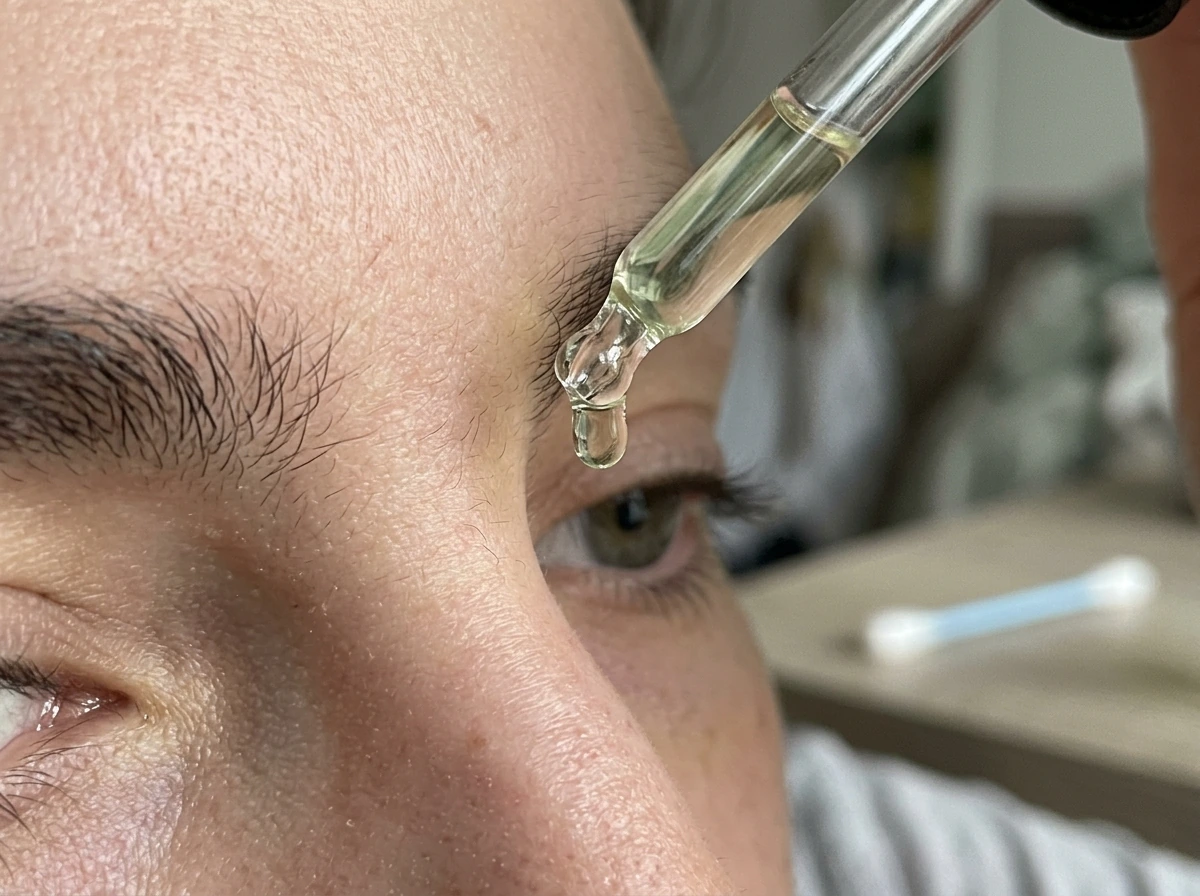
Rosemary oil has more actual research behind it than most natural options. A randomized comparative trial found that rosemary oil performed comparably to minoxidil 2% for androgenetic alopecia in a scalp study, with no significant difference in hair count between the two groups at the 3-month mark. It's not as well-studied specifically for brow hair, but it's a reasonable option to try, especially if you prefer to avoid pharmaceutical treatments.
Dilute it in a carrier oil (jojoba or almond oil work well) to about 2 to 3% concentration, apply with a clean spoolie, and patch test first. Essential oils including rosemary can cause contact dermatitis in some people, so testing on your inner wrist for 24 hours before applying near the face is genuinely important, not just cautionary throat-clearing.
Castor oil
Castor oil is probably the most recommended brow growth remedy you'll find online, and I want to be straight with you: the clinical evidence is weak. Systematic reviews find little strong scientific support for castor oil as a hair growth treatment, and most dermatologists note the support is largely anecdotal.
It may help condition the brow hairs you have and improve their appearance (they may look shinier and more defined), but expecting it to significantly accelerate regrowth beyond your natural rate is probably setting yourself up for disappointment. It's also thick and can irritate the eye area for some people. If you want to try it, apply a small amount with a spoolie before bed, but don't count on it as your primary growth strategy.
Peptide-based brow serums
Over-the-counter brow serums containing peptides (like bimatoprost analogues or growth factor peptides) occupy a middle ground between oils and prescription treatments. Some have modest clinical backing, and many people see real improvement in brow density after consistent use for 8 to 12 weeks. They tend to be gentler than minoxidil and more targeted than DIY oils. If you want a step up from natural remedies without jumping to minoxidil, a quality peptide serum is worth trying.
| Ingredient | Evidence level | Best for | Key caution |
|---|---|---|---|
| Minoxidil 2% topical | Strongest (well-studied) | Significant regrowth, genetic thinning, off-label brow use | Keep away from eyes; wash hands; long-term commitment needed |
| Rosemary oil (diluted) | Moderate (comparable to minoxidil 2% in one trial) | Natural alternative; mild thinning; early regrowth support | Patch test first; dilute to 2–3%; can cause contact allergy |
| Peptide brow serums | Moderate (varies by formula) | Gradual density improvement; gentle option | Results vary widely by brand and concentration |
| Castor oil | Weak (mostly anecdotal) | Conditioning and appearance; low-risk addition | Can irritate near eyes; don't rely on it alone for regrowth |
How long this actually takes, and when to reassess
Because the eyebrow hair cycle completes in roughly 4 months, that's your minimum realistic window for seeing meaningful change from any treatment you start today. Here's a rough timeline to set expectations:
- Weeks 1 to 4: No visible change is completely normal. You may see slight fuzz if you recently removed hair, but this isn't the same as true follicle recovery.
- Weeks 4 to 8: Fine new growth often starts appearing in areas that were thinning, especially if you've stopped plucking. Don't pull these hairs even if they're short and patchy.
- Weeks 8 to 12: More noticeable filling begins, though brows will still look uneven at this stage. Resist shaping them into an arch yet.
- Months 3 to 6: This is where real progress shows. With minoxidil or consistent serum use, many people see significant density improvement by this point.
- 6 months and beyond: If you've been consistent for 6 months with no improvement, it's time to see a dermatologist. There may be an underlying cause (thyroid, nutritional deficiency, alopecia areata) that needs to be addressed.
One thing worth knowing: with minoxidil specifically, you may see a brief shedding phase in the first 2 to 4 weeks. This is counterintuitive but it means the treatment is working. Don't stop using it just because you see a little more loss early on. If shedding is dramatic or prolonged, that's worth discussing with a doctor.
Mistakes that slow down your progress
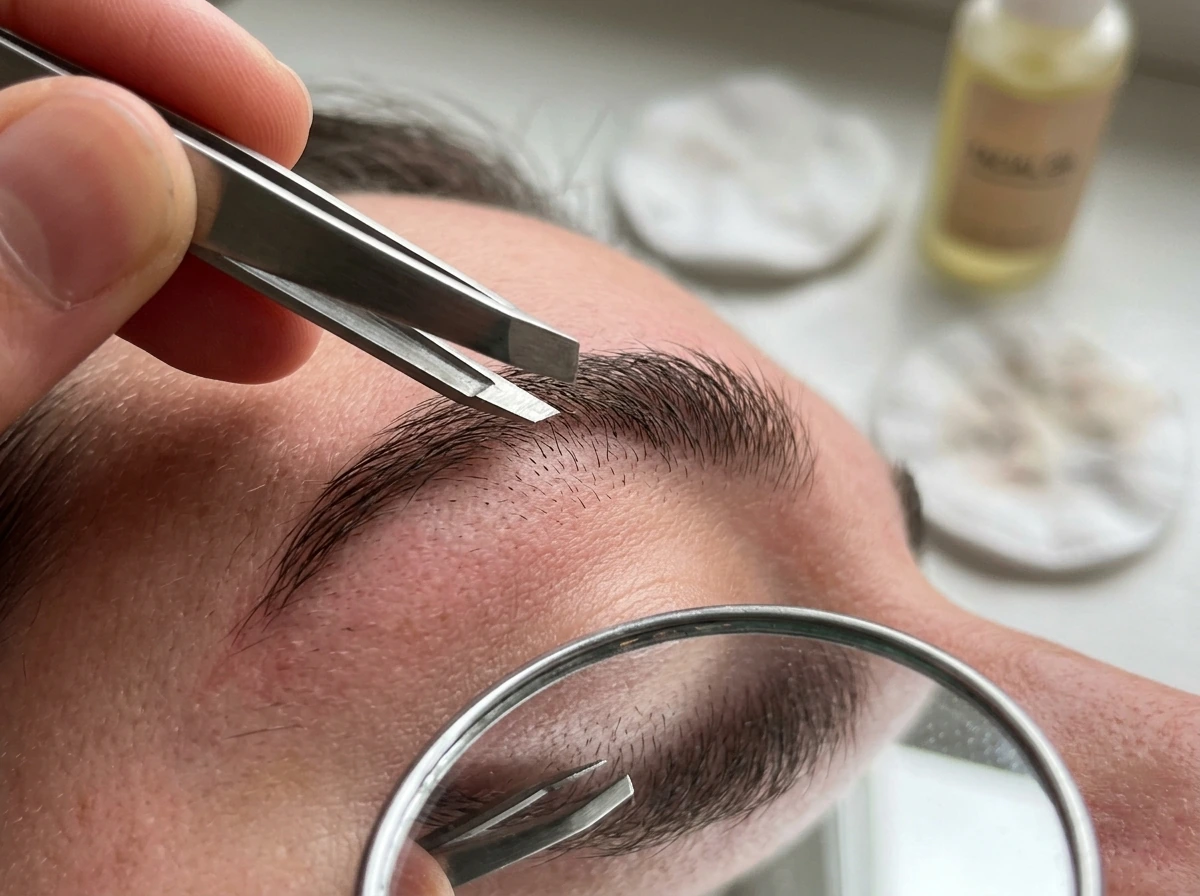
The single biggest mistake people make is plucking stray hairs while they're waiting for regrowth. It feels instinctive to tidy up, but every time you remove a hair that's in its anagen phase, you're interrupting the growth cycle. Commit to leaving all brow hairs alone for a minimum of 12 weeks.
The second biggest mistake is using too many products at once without patch testing any of them. Applying castor oil, a rosemary oil blend, and a peptide serum simultaneously in the brow area, especially close to the eyes, is a recipe for skin irritation or allergic contact dermatitis. The brow area is close to mucous membranes and sensitive skin, so reactions can be more intense than on other parts of the body. Introduce one product at a time, patch test each on your inner wrist for 24 hours first, and wait a few days before layering anything else.
Other habits worth stopping: sleeping with heavy brow makeup that you remove with rough scrubbing, using eyebrow products with strong alcohol formulas that dry out the skin, and over-exfoliating the brow area. Irritated skin does not support healthy follicle function. Keep the area clean, moisturized, and left alone as much as possible.
- Don't pluck any brow hairs for at least 12 weeks, including "strays"
- Never apply undiluted essential oils (including rosemary) directly to the skin
- Don't stack multiple new products at once; patch test each one separately
- Avoid getting minoxidil anywhere near your eyes; wash hands after every application
- Don't expect results in days or even the first few weeks; patience is essential
- Stop if you notice persistent redness, itching, or swelling and see a dermatologist
If your goal is actually to slow or stop growth
Not everyone searching this topic wants more growth. Some people land here because they're dealing with brow hairs that grow too fast, too thick, or in directions they don't want, and they'd rather slow regrowth than encourage it. That's worth addressing so you don't accidentally use treatments that work against you.
For slowing regrowth temporarily, regular waxing or threading remains the most practical option. Repeated waxing over time can gradually reduce hair density in the treated area, because of the cumulative minor trauma to the follicle. This is the same mechanism that causes problems for people trying to regrow over-plucked brows, so if that's your goal, you're using it intentionally. Results aren't permanent, but hair often grows back finer and slower with consistent waxing over months or years.
If you want a more permanent reduction, laser hair removal is the most established option. However, the brow area carries specific risks because of its proximity to the eyes. Periocular laser treatment has been associated with ocular injury in published case reports, which is why reputable clinics use metal corneal shields during any laser treatment near the brow and eye area. If you pursue laser for brow shaping, work only with a licensed, experienced provider who takes proper precautions. Electrolysis is another permanent option and can be more precise for small areas. Both methods require multiple sessions and a proper consultation.
Whatever your reason for landing here, the key is knowing which direction you want to go before you start any treatment. Accidentally applying a growth serum when your goal was to reduce brow density (or vice versa) wastes your time and money. Get clear on your goal first, then pick the right approach.
Tailoring your plan to your situation
If your brows thinned after over-plucking or waxing: stop all hair removal for 12 weeks, start a simple conditioning routine with rosemary oil or a peptide serum, and reassess at the 3-month mark. Most people see real improvement in this scenario without needing minoxidil.
If your brows were never very full and you want genuinely thicker brows than you naturally have: this is where minoxidil is the most realistic tool. Use the 2% formula once daily, keep it away from your eyes, and give it a full 4 to 6 months before judging results. Expect to continue use to maintain any gains.
If your brow loss is patchy, sudden, or concentrated in the outer third: see a doctor before starting any growth treatment. Patchy brow loss can indicate alopecia areata, and outer-third loss can point to thyroid issues. Treating the root cause will get you further than any topical product.
If you prefer a fully natural approach: rosemary oil diluted in a carrier oil is your best-evidenced option. Apply nightly with a clean spoolie, massage gently, and be consistent for at least 3 months. Pair it with the grooming habits above and realistic expectations. Natural approaches take longer and produce subtler results than minoxidil, but they're genuinely worth trying if you're committed to them.
FAQ
How long does it take to see real eyebrow regrowth after I stop plucking or waxing?
Plan on at least 4 months for noticeable change (eyebrow hair cycles are short). If you recently stopped shaving or waxing, you may spot tiny improvements earlier (around 2 to 6 weeks), but “full” recovery usually takes longer, often 3 to 6 months depending on how long the damage went on.
Can I speed up eyebrow growth by using multiple serums or oils at the same time?
Usually no. Layering several products increases the chance of irritation and contact dermatitis, which can slow progress. Introduce one product at a time, patch test for 24 hours, and only add the next after your skin stays calm for a few days.
What’s the safest way to apply minoxidil to eyebrows so it doesn’t get in my eyes?
Use a very small amount and apply with a clean applicator or spoolie so it stays on the brow hair line and skin. Wash hands immediately after. Avoid the inner eye corner and lower lash line. If it accidentally gets into your eyes, rinse with cool water right away and seek medical advice if burning or redness persists.
Is shedding in the first few weeks normal when starting minoxidil for brows?
Mild early shedding can happen as follicles shift into a new cycle. Don’t quit immediately. However, if shedding is dramatic, keeps worsening beyond about a month, or you get significant redness, swelling, or burning, it’s better to stop and talk to a clinician.
Should I trim my eyebrows while trying to regrow them?
Avoid heavy trimming during the regrowth window. Trimming small, uneven ends can be fine if it’s truly minimal, but removing hairs altogether or repeatedly “tidying” can restart the interruption you are trying to prevent.
Does rosemary oil need to be diluted, and what concentration is reasonable for the face?
Yes, essential oils should be diluted in a carrier oil. A practical target is about 2 to 3% rosemary oil in jojoba or almond oil. Patch test on the inner wrist for 24 hours before using near the eyes, since brow skin and surrounding areas are more reactive.
How do I patch test growth products properly for the eyebrow area?
Apply the product to a small amount on the inner wrist or behind the ear, then wait 24 hours. If you see itching, raised bumps, or persistent redness, don’t apply it to your brows. If you do tolerate it, still start with a light application and watch for irritation over the first few days.
Can eyebrow growth products cause darkening or skin changes?
They can, especially if you irritate the skin or use products too frequently. Minoxidil and some serums may trigger localized redness or dryness, which can leave temporary discoloration. The fix is reducing exposure, stopping the trigger product, and focusing on gentle cleansing and moisturization.
What if my eyebrow hair loss is patchy or mainly in the outer third, should I still try serums first?
If it’s sudden, patchy, or concentrated in the outer third, it’s smarter to get evaluated before relying on topicals. Those patterns can be linked to conditions like alopecia areata or thyroid-related thinning, and treating the cause often does more than any brow serum.
What’s a good schedule for results tracking so I don’t overreact to daily changes?
Take consistent photos in the same lighting once every 2 to 4 weeks. Don’t judge based on a few hairs on day-to-day basis, especially if you start minoxidil, since early shedding can be misleading. Use your photos to decide at the 3-month and 4-month marks.
Can I use sunscreen and still support eyebrow regrowth?
Yes, but make sure you cleanse it off gently at night. Brow makeup, sunscreen, and oil residue can build up and irritate follicles. Use a mild cleanser, then apply your chosen product thinly, not thickly.
How do I slow regrowth if I’m trying to avoid thicker brows?
If your goal is less density, the most established approach is intentional repeated waxing or threading, but it’s cumulative, not instant. For a more permanent reduction, only pursue laser with a highly experienced, licensed provider who uses eye protection appropriate for the periocular area.
Is castor oil worth using, and what should I realistically expect?
Castor oil may improve sheen and make existing brow hairs look thicker, but strong regrowth acceleration is unlikely. If you try it, use it as a conditioning support, not your primary strategy, and watch for irritation since the eye area can be sensitive.
Next Article
How to Grow Back Eyebrows: Fast Steps, Products, Timelines
Step-by-step eyebrow regrowth plan with fast timelines, best products like minoxidil and oils, and troubleshooting if th