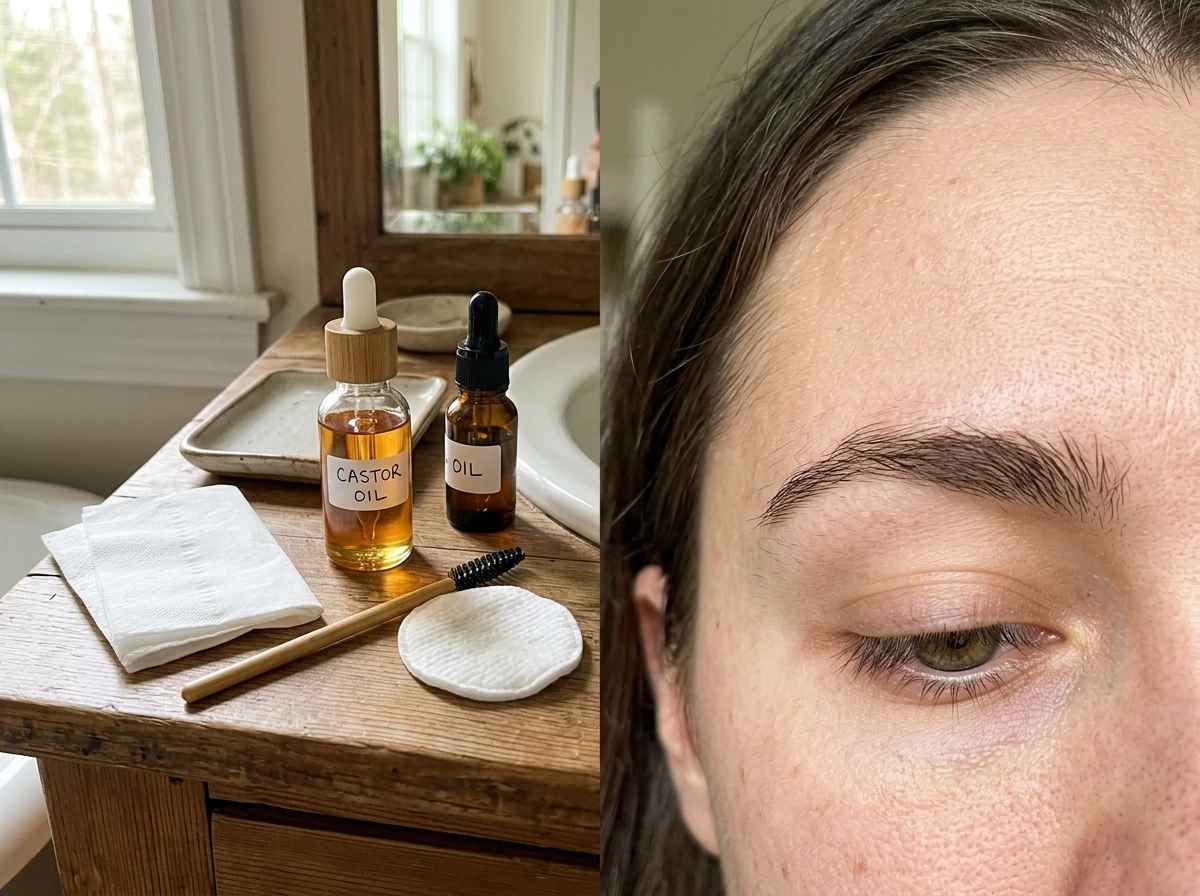
Yes, eyebrows can grow back in most cases. Whether you over-plucked, shaved them, got too aggressive with waxing or threading, or your brows have just always been sparse, there are real steps you can take starting today to encourage regrowth. The honest answer is that it takes time (think months, not weeks), but with the right routine, the right ingredients, and a hands-off approach to grooming, most people see meaningful improvement. Here is exactly what to do.
How to Grow Back Eyebrows: Fast Steps, Products, Timelines
James Whitmore
24 Mar 2026
Why eyebrows stop growing (and what 'won't grow back' usually means)
Eyebrow hair follows the same three-phase growth cycle as other body hair: anagen (active growth), catagen (transition, lasting about 2–3 weeks), and telogen (resting, before the hair sheds). The key difference from scalp hair is that the anagen phase for eyebrows is much shorter, which is why your brows stop growing at a certain length and why regrowth after removal feels slower than you'd expect. You can't force hairs that are in telogen to grow overnight. They need to complete their cycle first.
When people say their eyebrows 'won't grow back,' there are usually a few things actually going on. The most common is repeated over-plucking over many years. Frequent trauma to the follicle can eventually damage it, causing hair to grow back patchy or stop entirely in certain spots. This is not the same as permanent loss in every case, but it does mean recovery takes longer and some hairs may not return at full density. Other reasons brows stall include skin conditions like seborrheic dermatitis or psoriasis (which create local inflammation around follicles), hypothyroidism (which classically thins the outer third of the brow), low iron levels, stress-related telogen effluvium, or conditions like alopecia areata. Scarring from skin damage is one of the few situations where regrowth may genuinely be limited.
The takeaway: 'won't grow back' is often 'hasn't grown back yet' or 'has an underlying reason holding it back.' Identifying which one applies to you is the first practical step.
How fast eyebrows can realistically grow back
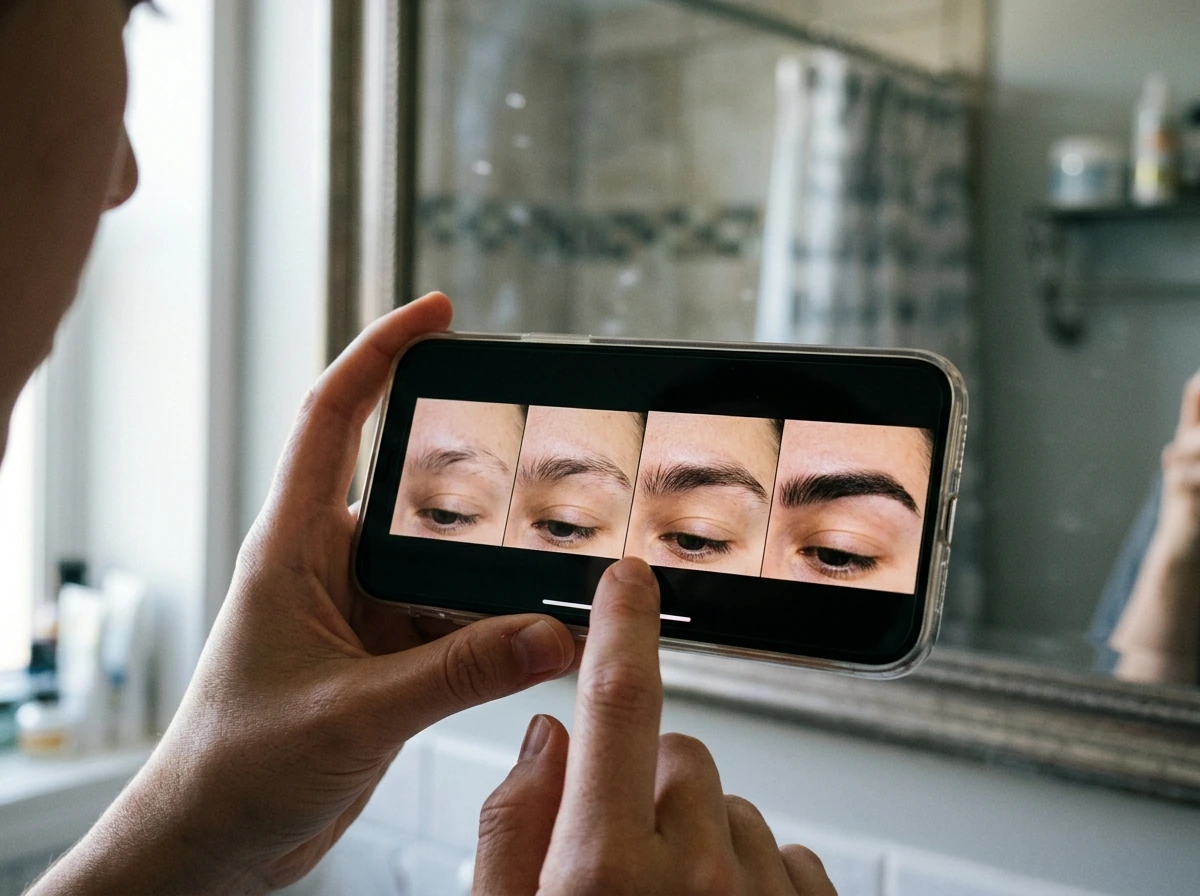
If you shaved or waxed your brows and the follicles are completely intact, you can expect to see visible regrowth starting around 6–8 weeks, with fuller coverage closer to 3–4 months. After over-plucking, the timeline is similar for individual hairs, but achieving actual density across the whole brow often takes 4–6 months because not all follicles restart at the same time. Every hair is at a different point in its cycle when you remove it.
Here is a rough week-by-week picture of what normal progress looks like so you know whether things are on track:
| Timeframe | What to Expect |
|---|---|
| Weeks 1–3 | Little to no visible change. Follicles are in or completing the resting phase. This is normal. |
| Weeks 4–6 | Sparse, fine hairs starting to appear. May look patchy or stubbly. |
| Weeks 7–12 | Noticeable new growth filling in. Hairs gaining length and some pigment. |
| Months 3–4 | Significantly more coverage. Shape starting to emerge. |
| Months 4–6 | Close to full regrowth for most people with intact follicles. Density and texture continue to improve. |
| 6+ months | If brows were damaged by years of over-plucking, this is when you assess remaining gaps and consider other options. |
Age, genetics, and overall health all affect where you land on that timeline. Younger people with healthy follicles tend to recover faster. If you are in your 40s or 50s and have been plucking heavily for decades, be realistic: full restoration may not be possible, but improvement almost always is.
A simple daily routine to regrow brows
The foundation of any brow regrowth routine is really two things: stop removing hair and support the skin and follicles you already have. This sounds basic, but most people underestimate how much ongoing grooming (even 'just maintaining the shape') is slowing things down. The non-negotiable first step is putting down the tweezers entirely for at least 10–12 weeks. That includes threading and waxing.
Beyond that, here is a practical daily routine:
- Morning: Gently cleanse the brow area with a mild, fragrance-free cleanser. Avoid scrubbing or using anything harsh that could irritate the follicle zone.
- Morning: Apply a lightweight, non-comedogenic moisturizer over the brow area. Dry, flaky skin around follicles creates an environment that slows growth.
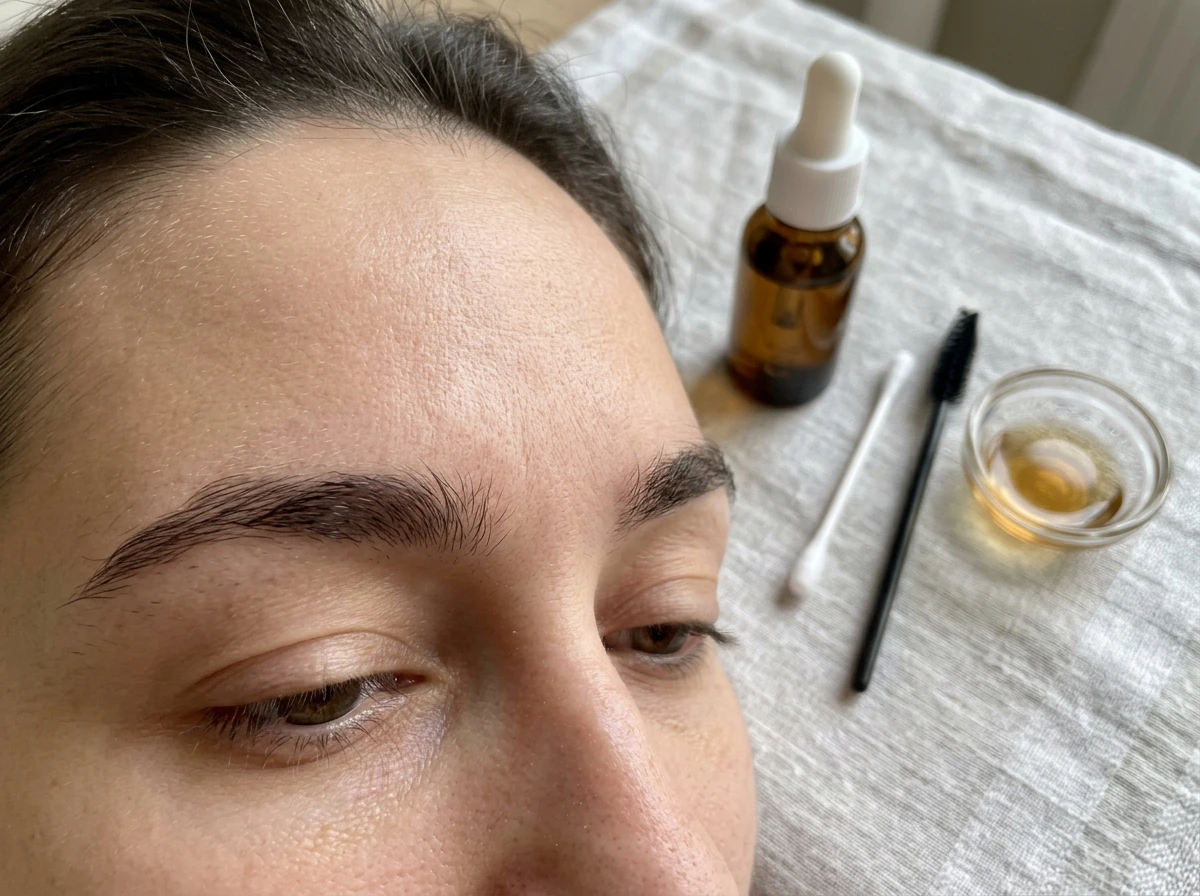
- Evening: Apply your growth-stimulating treatment of choice (oil, serum, or minoxidil — more on these below) using a clean spoolie or fingertip. Use a very small amount and work it gently into the skin, not just the hairs.
- Evening: Let the treatment absorb for at least 10–15 minutes before bed. Avoid heavy occlusive products on top that could clog follicles.
- Ongoing: Brush brows gently with a clean spoolie each morning to stimulate circulation and keep hairs oriented in the right direction.
Consistency matters more than intensity here. Doing this every night for 12 weeks beats doing it aggressively for two weeks and then stopping.
What to use to stimulate growth
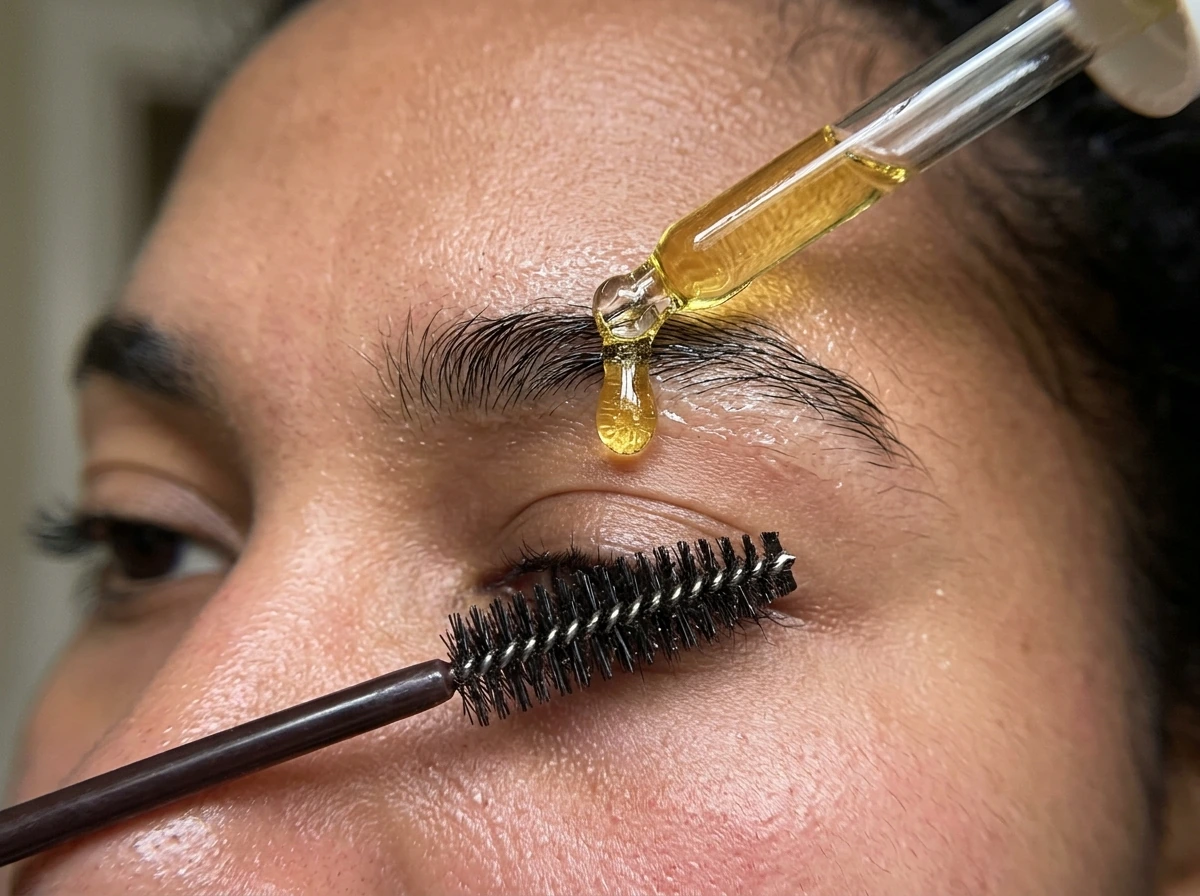
There are a handful of options worth considering, and they are not all equal. Here is an honest breakdown of what the evidence actually says and how to use each one.
Castor oil
Castor oil is the most talked-about brow remedy, and it is worth being straight with you: there are currently no published studies specifically confirming it regrows eyebrow hair. What it does do is coat and condition existing hairs, reducing breakage, and it keeps the skin around follicles moisturized. That is genuinely useful, especially if your brow area is dry or flaky. Use a clean spoolie to apply a tiny amount to brow hairs and skin each evening. It is thick, so less is more. Do not expect it to restore lost follicles, but it is a safe, low-cost addition to your routine.
Rosemary oil
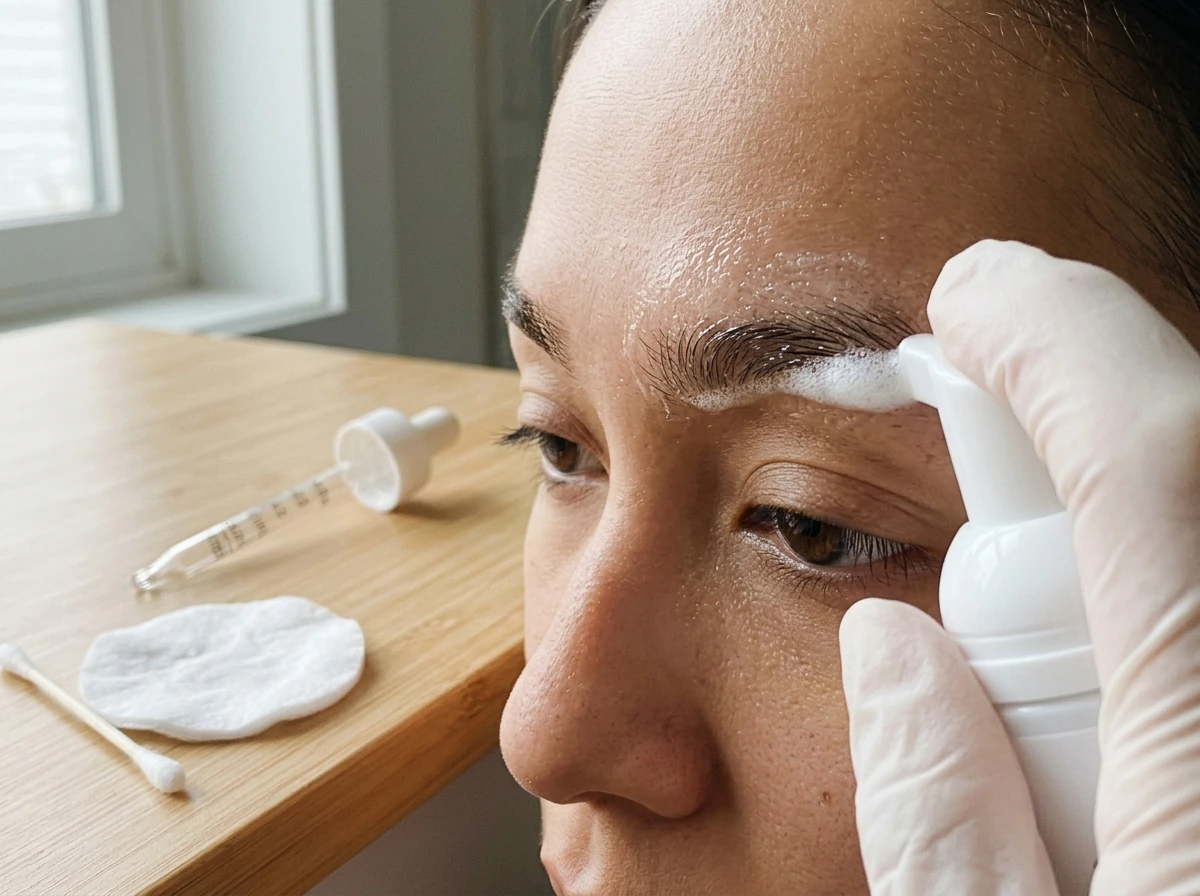
Rosemary oil has better research behind it than castor oil, though still not for eyebrows specifically. A randomized trial comparing rosemary oil to 2% minoxidil for scalp hair loss found comparable results between the two over six months. Extrapolating that directly to eyebrows is a stretch, but it gives you reason to take it seriously. Mix 2–3 drops of rosemary essential oil into a carrier oil like jojoba or argan (never apply undiluted essential oil directly to skin), and apply to the brow area nightly. Give it at least 8–12 weeks before evaluating.
Minoxidil (off-label)
Minoxidil is the most clinically supported option for hair regrowth, even though it is not officially approved for eyebrow use. Many dermatologists recommend it off-label for brow regrowth, typically using a 2% or 5% liquid formulation applied sparingly with a cotton swab or fingertip once daily. The evidence for it working on scalp hair is strong, and the biological mechanism (vasodilation extending the anagen phase) applies to eyebrow follicles as well. The major caution is proximity to the eyes: minoxidil should not contact your eyes or mucous membranes. Absorption also increases on irritated or abraded skin, which raises the risk of systemic exposure. Use a tiny amount, keep it to the brow bone area, and if you experience dizziness, rapid heartbeat, or other systemic symptoms, stop immediately and see a doctor. how to make eyebrow grow This is one to discuss with a dermatologist before starting, especially if you have cardiovascular concerns. For more on the general process, see how to grow eyebrow hair while you consider your options. If you want a step-by-step guide tailored to eyebrow regrowth, follow our instructions on how to grow eyebrow hair. For a complete guide on what to do at each stage, see our step-by-step instructions for how to grow eyebrow hair.
Bimatoprost (prescription)
Bimatoprost 0.03% is a prostaglandin analogue originally used for glaucoma and later for eyelash growth (Latisse). Clinical trial data shows favorable eyebrow growth starting around month 2 and marked improvement by month 7 in patients with eyebrow hypotrichosis. This is a prescription product, so you need a dermatologist or physician involved, but it has the strongest direct evidence specifically for eyebrow regrowth among topical options.
Quick comparison
| Option | Evidence Level | Best For | Key Caution |
|---|---|---|---|
| Castor oil | Anecdotal / no direct studies | Conditioning, moisture, low-risk support | Won't restore damaged follicles |
| Rosemary oil (diluted) | Moderate (scalp studies only) | Natural option with some science behind it | Must dilute; don't apply undiluted |
| Minoxidil (2–5%) | Strong (scalp); reasonable off-label for brows | Faster, more noticeable regrowth | Keep away from eyes; consult a doctor first |
| Bimatoprost 0.03% | Strong direct evidence for eyebrow use | Clinically documented brow regrowth | Prescription only; possible pigment changes |
My recommendation: start with rosemary oil or castor oil if you want a low-risk, no-prescription approach and your follicles are likely intact (i.e., you haven't been over-plucking for 20+ years). If you have persistent patchy areas that have not responded after 3–4 months of consistent care, My recommendation: start with rosemary oil or castor oil if you want a low-risk, no-prescription approach and your follicles are likely intact (i.e., you haven't been over-plucking for 20+ years). If you have persistent patchy areas that have not responded after 3–4 months of consistent care, If you have persistent patchy areas that have not responded after 3–4 months of consistent care, talk to a dermatologist about minoxidil or bimatoprost..
How to encourage natural eyebrow growth
What you put on your brows matters, but what is happening inside your body matters just as much. Hair growth is a metabolic process, and it gets deprioritized when your body is under stress or nutrient-deficient. Here are the lifestyle factors that actually move the needle:
- Get your iron and thyroid levels checked if brows are thinning without an obvious mechanical cause. Hypothyroidism and low iron are two of the most common and treatable causes of eyebrow thinning, particularly the outer third of the brow.
- Eat enough protein. Hair is made of keratin, and you need adequate protein intake (typically 0.7–1g per kg of body weight daily) to support hair production.
- Include biotin-rich foods like eggs, nuts, and seeds. Biotin deficiency is rare but real, and brow thinning can be a symptom. Supplementing is only helpful if you are actually deficient.
- Manage stress. Chronic stress pushes hair follicles into telogen (resting) phase early, which is the mechanism behind telogen effluvium. This affects eyebrows too, not just scalp hair.
- Stay hydrated and get consistent sleep. These are basic, but hair growth is one of the first things your body deprioritizes when it is not resourced well.
- Stop all unnecessary grooming in the brow area. No plucking strays, no shaping, no threading for at least 10–12 weeks. Even light grooming disrupts the cycle.
- Avoid harsh skincare products over the brow zone. Retinoids, chemical exfoliants, and strong acids used around the brow area can irritate follicles and slow growth.
- Be careful with makeup removal. Scrubbing mascara or brow products off roughly can cause mechanical hair loss over time. Use a gentle oil-based remover and press, don't rub.
What to do if your eyebrows still won't grow back
If you have been consistent with a regrowth routine for 4–6 months and are seeing little to no improvement, it is time to dig deeper rather than just keep waiting. There are a few reasons growth genuinely stalls, and some of them need medical attention.
Possible blockers to address
- Follicle damage from chronic over-plucking or traction: If you have been removing the same hairs repeatedly for years, some follicles may have sustained enough damage to significantly reduce regrowth. This is not always permanent, but recovery is slower and less complete.
- Scarring: Any scar tissue in the brow area (from injury, surgery, or severe folliculitis) can permanently block follicle function. This is one of the few situations where topical treatments genuinely cannot help.
- Alopecia areata: An autoimmune condition where the immune system attacks hair follicles. It can cause patchy eyebrow loss without any obvious grooming history. It often responds to intralesional corticosteroid injections (triamcinolone is commonly used), which a dermatologist administers directly into the affected skin.
- Frontal fibrosing alopecia: A scarring type of alopecia that affects the hairline and eyebrows. This needs early diagnosis because scarring can become permanent.
- Skin conditions: Seborrheic dermatitis, psoriasis, and other inflammatory conditions around the brow area can suppress follicle activity. Treating the underlying skin condition often allows growth to resume.
- Systemic causes: Hypothyroidism, nutritional deficiencies (iron, zinc, protein), and chronic illness can all suppress hair growth. Bloodwork is often the fastest way to rule these out.
When to see a dermatologist
See a dermatologist if: your eyebrow loss is patchy without an obvious grooming explanation, you are losing brow hair without doing anything to remove it, your brow thinning is accompanied by scalp hair loss or other symptoms, or you have tried a consistent at-home routine for 4–6 months with no visible change. A dermatologist can use dermoscopy (a magnified skin examination) to look at follicle health, distinguish between different types of alopecia, and monitor your response to treatment over time. For alopecia areata, options range from topical and intralesional corticosteroids to systemic treatments like baricitinib (a JAK inhibitor approved for severe alopecia areata) for more extensive disease. These are not things to try to manage alone.
Practical answers to the questions people actually have
Should I shape my brows while waiting for them to grow back?
Ideally, no. The hardest part of growing brows back is resisting the urge to tidy them up every time a stray hair appears. Every hair you remove is one fewer hair contributing to the density you are trying to build. If you absolutely must groom, limit it to hairs that are genuinely outside the brow shape you are growing toward, and use scissors to trim rather than tweezers to pull. Pulling causes more follicle disruption than trimming.
Should I wait until they grow in or use makeup to cover the gaps?
There is no reason you cannot use brow makeup while you wait. Brow pencils, powders, and tinted gels can help you feel presentable during the awkward grow-in phase and have no effect on the regrowth process (as long as you are removing it gently each night and applying your treatment to clean skin). Just avoid waterproof formulas that require heavy rubbing to remove.
'Grow in' vs. 'grow out': is there a difference in approach?
Growing brows 'in' usually refers to filling in gaps or areas where hair is absent. Growing them 'out' usually means letting the overall shape expand and thicken. The approach is the same for both: stop removing hair, support follicle health with a nightly treatment, and give it time. The difference is mainly in how you manage expectations. If you are growing in sparse patches, you may need 6+ months and may ultimately need professional help for areas with follicle damage. If you are growing out an over-shaped brow, you typically just need patience, and most of the hair will come back within 3–4 months.
How do I know if my growth routine is working?
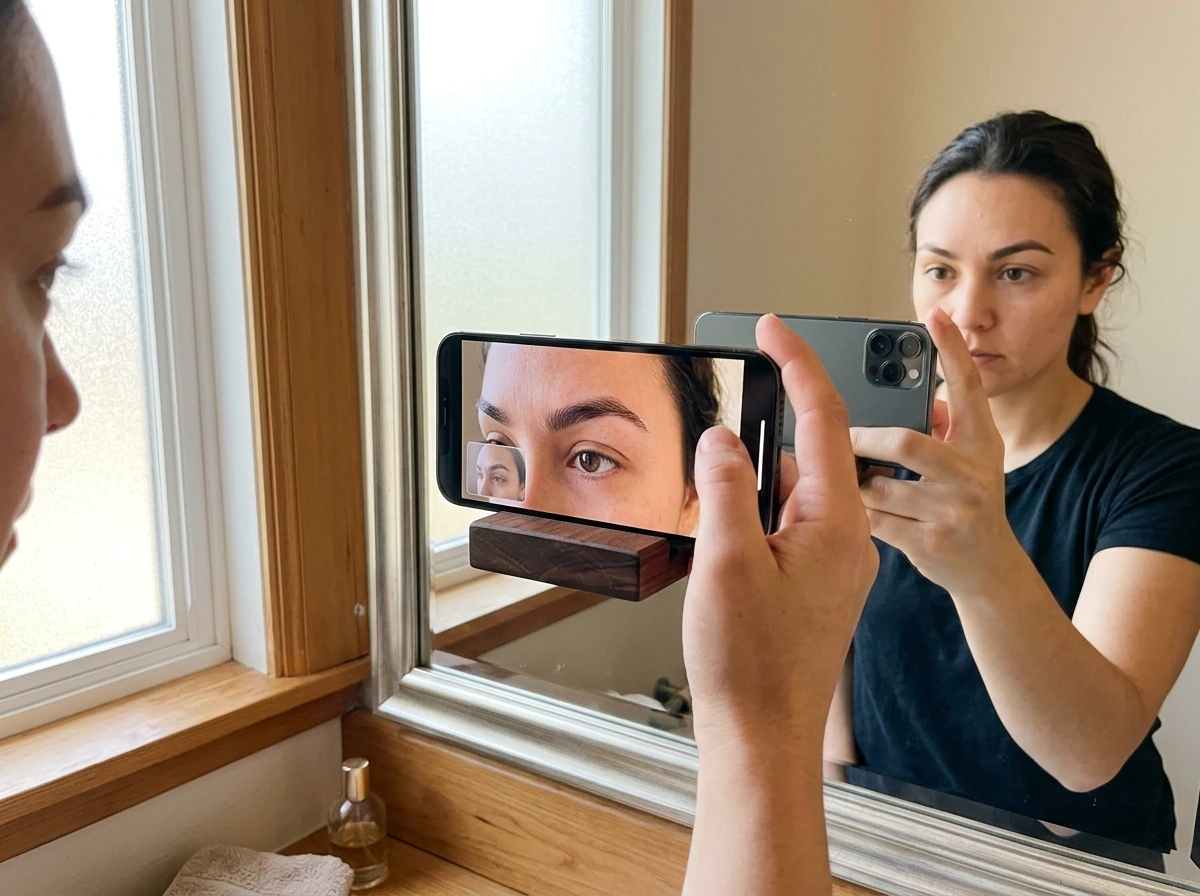
Take a close-up photo of your brows in consistent lighting every two weeks from the same angle. Progress is slow enough that day-to-day comparisons are discouraging and misleading. Over 8–12 weeks, you should see fine new hairs appearing and existing hairs gaining length. If you see absolutely no change after 12 weeks of consistent routine, that is your signal to reassess (and potentially consult a dermatologist) rather than just continuing the same approach indefinitely.
Can eyebrows grow back after years of over-plucking?
Sometimes, yes, and sometimes only partially. If you have been heavily plucking for a decade or more, some follicles will have sustained enough repeated trauma to no longer produce hair. But many follicles will still be dormant rather than permanently damaged, and giving them a long hands-off period combined with a topical treatment (especially minoxidil or bimatoprost under medical guidance) can bring some of them back. It is worth trying for 6 full months before concluding that follicles are permanently gone.
FAQ
How long should I try before I change my eyebrow regrowth routine?
Wait until you have a clear baseline. Take photos (same lighting, same angle) before you start, then avoid changing more than one variable at a time for at least 8 weeks. If you start rosemary or castor and also switch products or begin tweezing sooner, it becomes hard to tell whether anything is working.
Can I trim stray eyebrow hairs while I’m trying to grow them back?
Yes for mild smoothing, use trimming rather than pulling. If you must tidy, only snip hairs that are clearly beyond the shape you are growing toward, and avoid plucking from the middle of the brow line you want to thicken. Trimming keeps the follicle intact, pulling can restart the cycle of damage.
What if my eyebrows are itchy, flaky, or irritated while I’m trying to regrow them?
If the skin is flaky, sore, or very itchy, treat the irritation first because inflamed follicles are less likely to respond to topical regrowth. A practical approach is pausing any irritating products, keeping the area moisturized, and seeing a dermatologist if seborrheic dermatitis or psoriasis seems likely.
Will brow makeup or removing it slow eyebrow regrowth?
Generally, make-up does not prevent growth as long as you remove it gently each night. Avoid waterproof products that require aggressive rubbing, and keep treatment products away from the lash line so you do not drag product into your eyes during cleansing.
How can I tell the difference between slow regrowth and a real problem?
For patchy loss, use the “stalled at the right time” rule. If you see no new fine hairs or length by 12 weeks of consistent care, switch from guessing to evaluating causes, and consider a dermatologist visit for follicle assessment and targeted options.
Where exactly should I apply minoxidil or bimatoprost to reduce side effects?
Because minoxidil and bimatoprost can migrate, use a tiny amount and keep it strictly on the brow bone area. Never apply close to the eye mucosa, and do not use it on broken or freshly abraded skin, since absorption and side effects become more likely.
Should I expect any shedding before my eyebrows get thicker?
Do not assume “no shedding” means regrowth is failing. Telogen hairs take time to cycle back, so some people notice early softness or reduced patchiness before they see obvious thicker coverage later. Track with every-2-week photos instead of daily visual checks.
When is eyebrow thinning more than just over-plucking?
If the pattern is sudden, rapidly expanding, or comes with scalp hair loss, it is more likely an underlying hair-loss condition than simple over-plucking. In that case, book a dermatologist rather than extending at-home oils for months.
If I plucked heavily for years, can they still fully come back?
Yes, but expect longer timelines. If you stop grooming and the follicles are only partially damaged, improvement can still happen, just not to the same density as before. Plan for 6 months minimum before deciding whether you need medical options.
What happens if I keep checking progress and pluck “just one or two” hairs?
If you stop and start repeatedly, you reset the follicle’s recovery period and lose the consistency needed for results. Choose a start date, commit for at least 10 to 12 weeks without tweezing or waxing, and only adjust products after you have enough time to evaluate.
Next Article
How to Grow Eyebrows Back: Natural and Evidence-Based Steps
Step-by-step, evidence-based tips to grow back fuller eyebrows, fix patchy areas, regrowth timelines, and safe options.