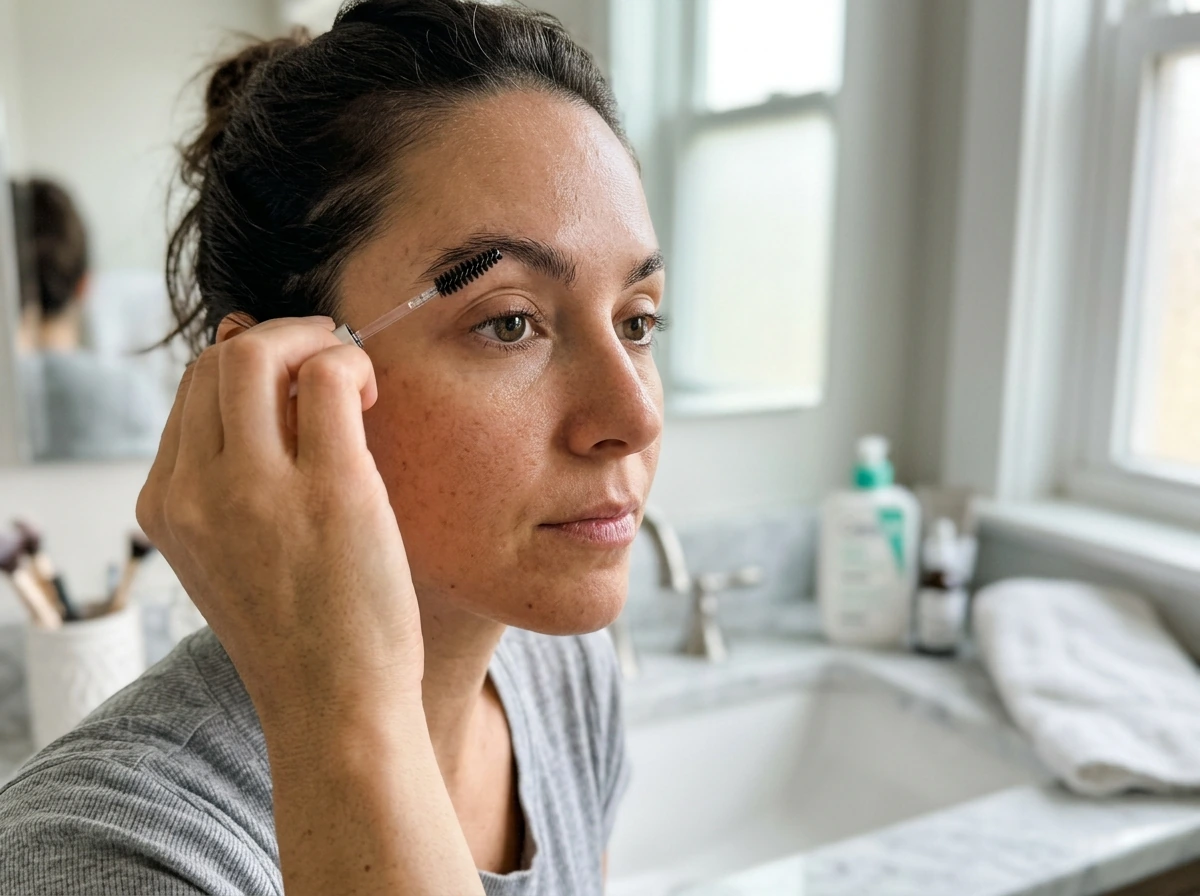
Growing your eyebrows back, or thickening them up, is absolutely possible for most people. But it takes longer than you think, and a lot of common habits quietly work against you. If your brows are sparse after years of over-plucking, patchy after shaving or waxing, or just naturally thin, this guide walks you through exactly what helps, what doesn't, and what realistic progress actually looks like.
How to Grow Eyebrows Back: Natural and Evidence-Based Steps
James Whitmore
24 Mar 2026
How eyebrow hair growth works (and why yours aren't filling in)
Every eyebrow hair grows through a repeating three-phase cycle: anagen (active growth), catagen (a brief transition/regression phase lasting about 2 to 3 weeks), and telogen (a resting phase where the hair sits dormant for roughly 2 to 4 months before shedding). The key thing to understand about eyebrow hair specifically is that the anagen phase is much shorter than on your scalp. Scalp hair can stay in active growth for 2 to 7 years, which is why it grows so long. Eyebrow hair has an anagen phase measured in weeks to a few months, which limits both length and how many hairs are actively growing at any given time.
Because of that short anagen phase, eyebrows also spend a much larger proportion of their cycle in telogen (resting). That means at any given moment, a significant chunk of your brow follicles simply aren't growing. This is completely normal, but it also explains why brow regrowth after damage feels agonizingly slow compared to scalp regrowth.
When regrowth stalls or brows don't fill in, a few things are usually happening. Repeated trauma from plucking or waxing can damage follicles over time, especially if you've been doing it for years. Some follicles essentially scar and stop producing visible hair. Hormonal shifts, nutritional deficiencies (particularly iron, biotin, zinc, and protein), stress, and certain medications can push more follicles prematurely into telogen, a condition called telogen effluvium.
NIH Office of Dietary Supplements fact sheets note that biotin deficiency can contribute to thinning hair and body hair loss, typically developing gradually [nutritional deficiencies (particularly iron, biotin, zinc, and protein)](https://ods. od. nih. gov/factsheets/Biotin-HealthProfessional/?
uid=716126c3b7d63s16). If the underlying trigger is addressed, those follicles can cycle back into anagen over the following months. But if the trigger is ongoing or the follicles are genuinely damaged, regrowth is limited without medical intervention.
Realistic timelines for regrowth
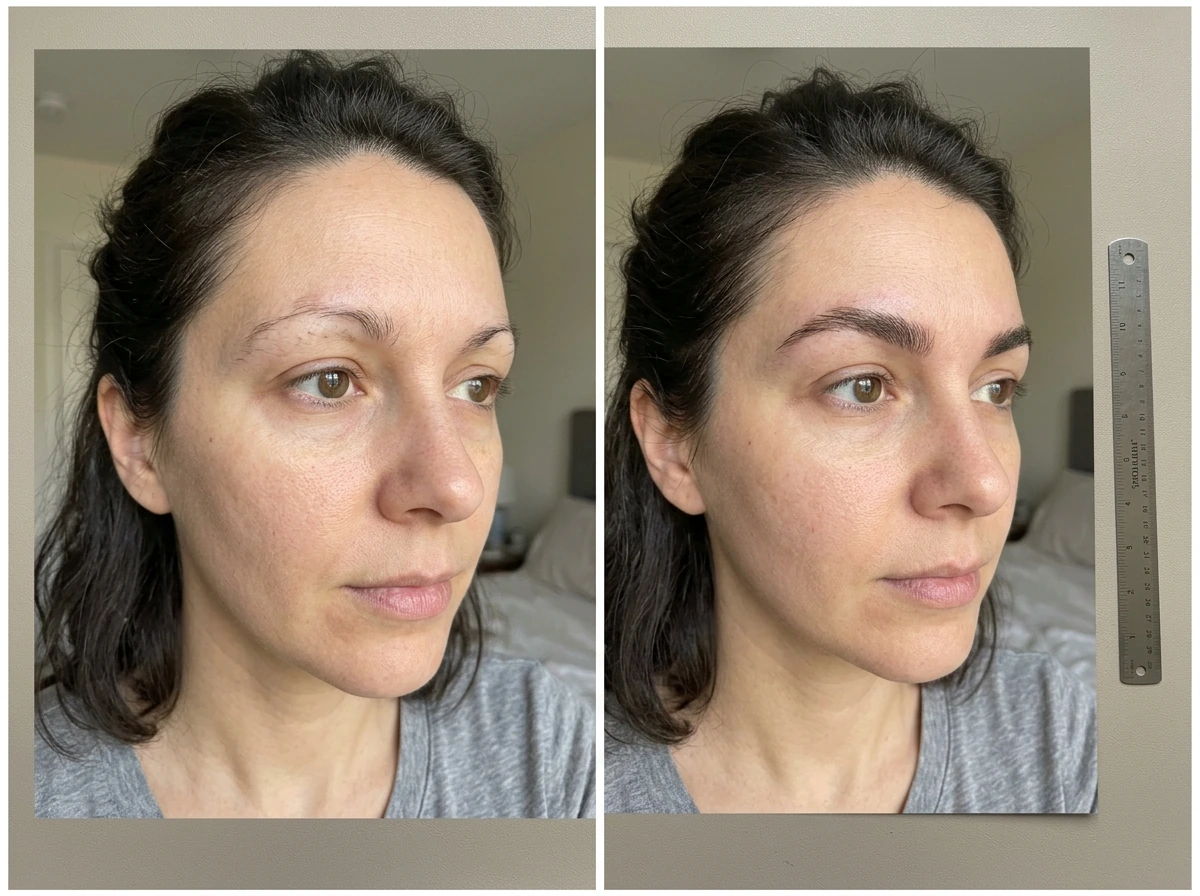
Here's where most people get frustrated: they expect to see a difference in two weeks and give up at week three. Growth timelines depend on what caused the thinning in the first place, but you can use these as rough benchmarks.
| Cause of thinning | First regrowth visible | Meaningful density | Full potential regrowth |
|---|---|---|---|
| Shaving | 2–3 weeks | 6–8 weeks | 3–4 months |
| Waxing | 4–6 weeks | 2–3 months | 3–5 months |
| Plucking (occasional) | 4–6 weeks | 2–3 months | 3–5 months |
| Chronic over-plucking (years) | Variable, may be patchy | 4–6 months | 6–12+ months (some follicles may not recover) |
| Trimming only | Minimal impact | 2–4 weeks | 1–2 months |
Shaving cuts the hair at the surface without touching the follicle, so regrowth is usually the fastest and most predictable. Waxing and plucking remove hair from the root, so the follicle has to restart its cycle entirely. After years of repeated plucking, some follicles may produce finer, slower-growing vellus hairs rather than the thicker terminal hairs you want, and a small percentage may stop producing hair altogether. That's not a scare tactic, it's just the honest reality that sets expectations correctly.
Your at-home routine for better brow growth
Before jumping to serums and treatments, the foundation is protecting what you have. A lot of brow growth efforts fail not because the treatments don't work, but because people simultaneously keep doing things that stunt growth.
Stop removing hair for at least 3 months
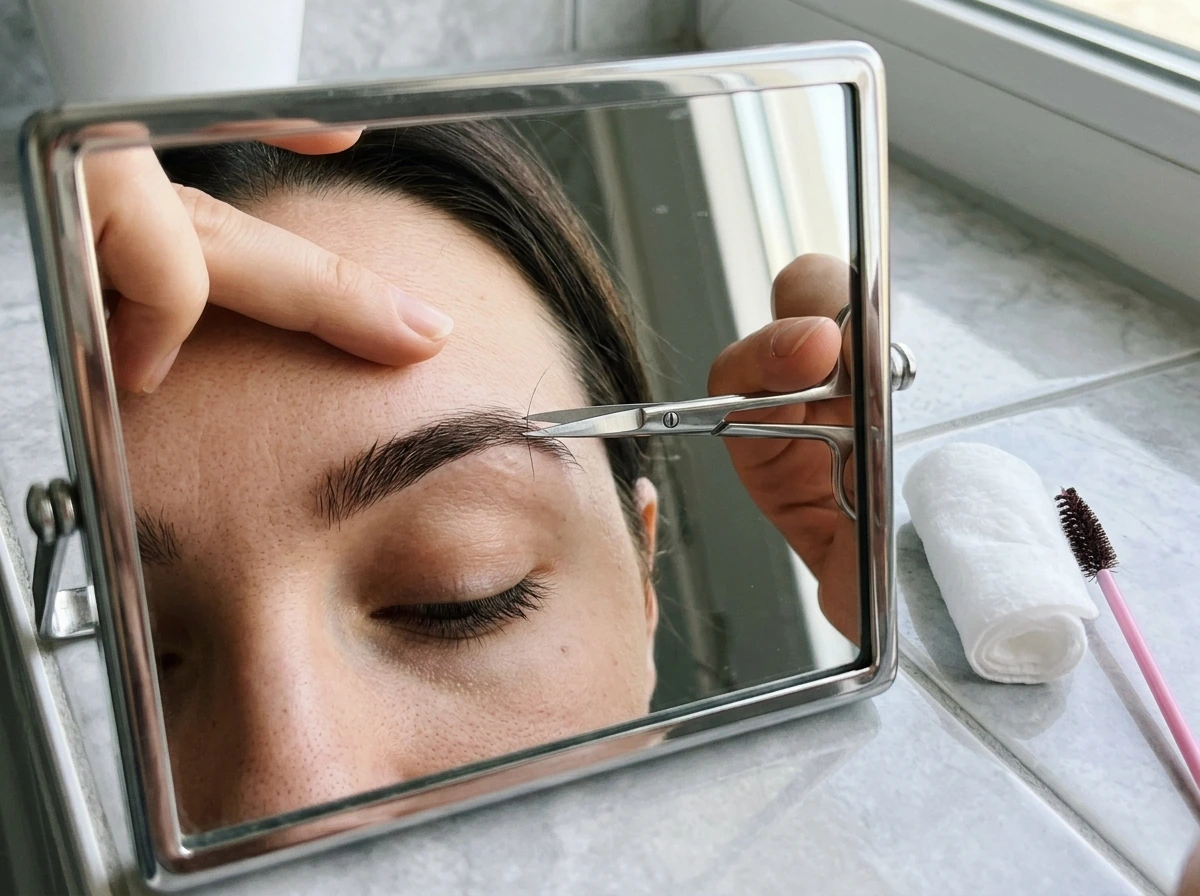
This is the hardest part for most people, but it's non-negotiable if you want real regrowth. Put down the tweezers, skip waxing appointments, and only trim very lightly if absolutely necessary. I know it looks messy in the meantime. Resist the urge. Every time you pluck a hair that's trying to grow, you reset that follicle's cycle and delay your progress. Commit to a no-pluck period for a minimum of 12 weeks, ideally longer.
Be gentle with the skin in your brow area
Friction and harsh products can irritate the follicle and disrupt growth. Avoid scrubbing your brow area aggressively when cleansing. If you use retinol or exfoliating acids on your face, keep them away from your brows, as these can thin the skin and potentially interfere with the follicular environment. Be gentle when removing makeup, especially if you use strong eye makeup remover on your brow area daily.
Support growth from the inside

Hair growth is fueled by what you eat. Deficiencies in iron, zinc, biotin, and protein are genuinely linked to hair loss and slow regrowth. You don't necessarily need expensive supplements, but if your diet is low in these nutrients, that gap is worth addressing. A basic blood panel with your doctor can reveal if you're running low on iron or ferritin, which is one of the most common and overlooked causes of diffuse hair thinning, including on brows.
Try a gentle daily brow massage
Gently massaging the brow area for 1 to 2 minutes daily can help stimulate blood circulation to the follicles. This isn't a miracle solution, but it costs nothing, takes almost no time, and may improve nutrient delivery to dormant or sluggish follicles. Do it while applying your growth serum or oil for a double benefit.
Best ingredients and treatments that actually help
Let's go through the main options honestly, because there's a lot of noise out there about what works.
Castor oil
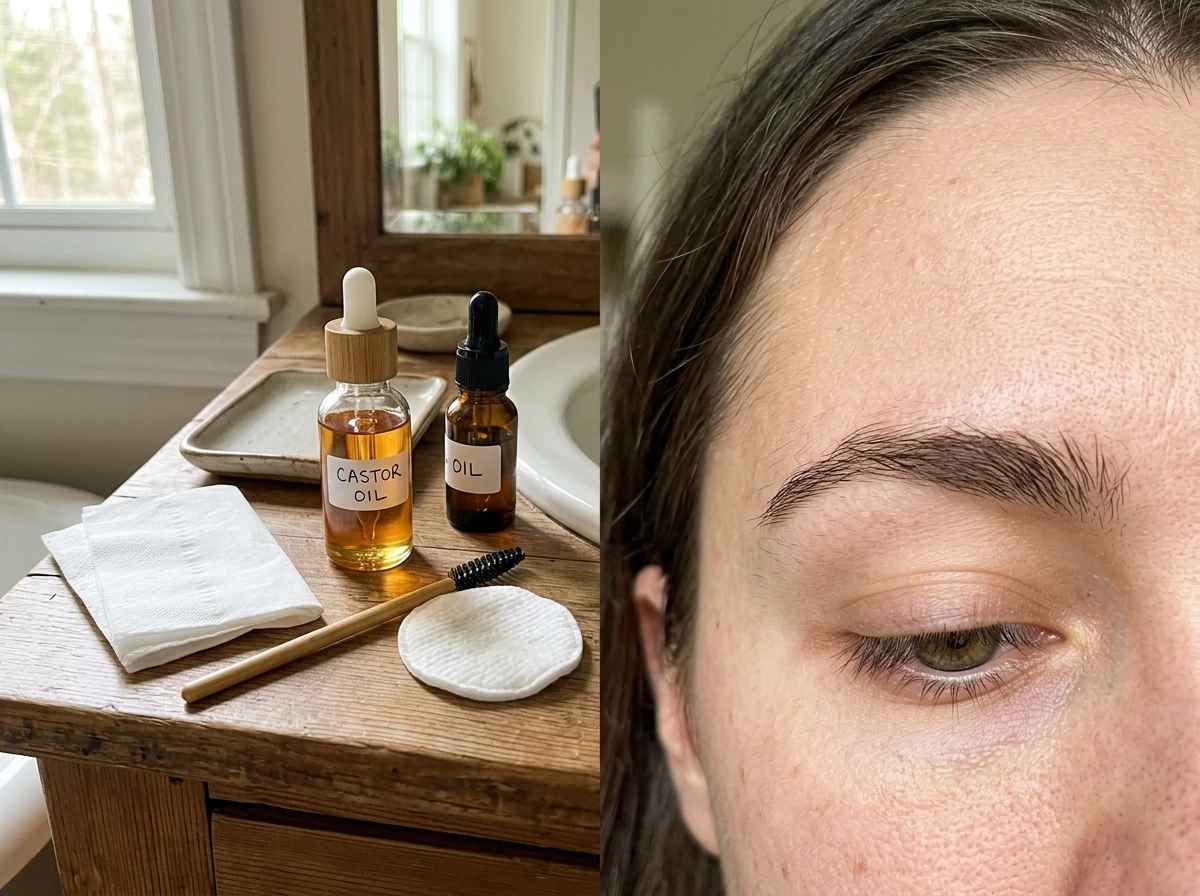
Castor oil is the most popular brow growth remedy, and it's worth using, but with realistic expectations. It contains ricinoleic acid, which has anti-inflammatory properties and may help create a healthier follicular environment. It's also thick and conditioning, which can protect existing hairs from breakage. What it won't do is restart completely dead follicles or produce dramatic regrowth on its own. Think of it as supportive care, not a medical treatment. Apply a tiny amount to your brows at night with a clean mascara wand or your fingertip, let it absorb, and wash it off in the morning. Consistency over 8 to 12 weeks is where you'll see the most benefit.
Rosemary oil
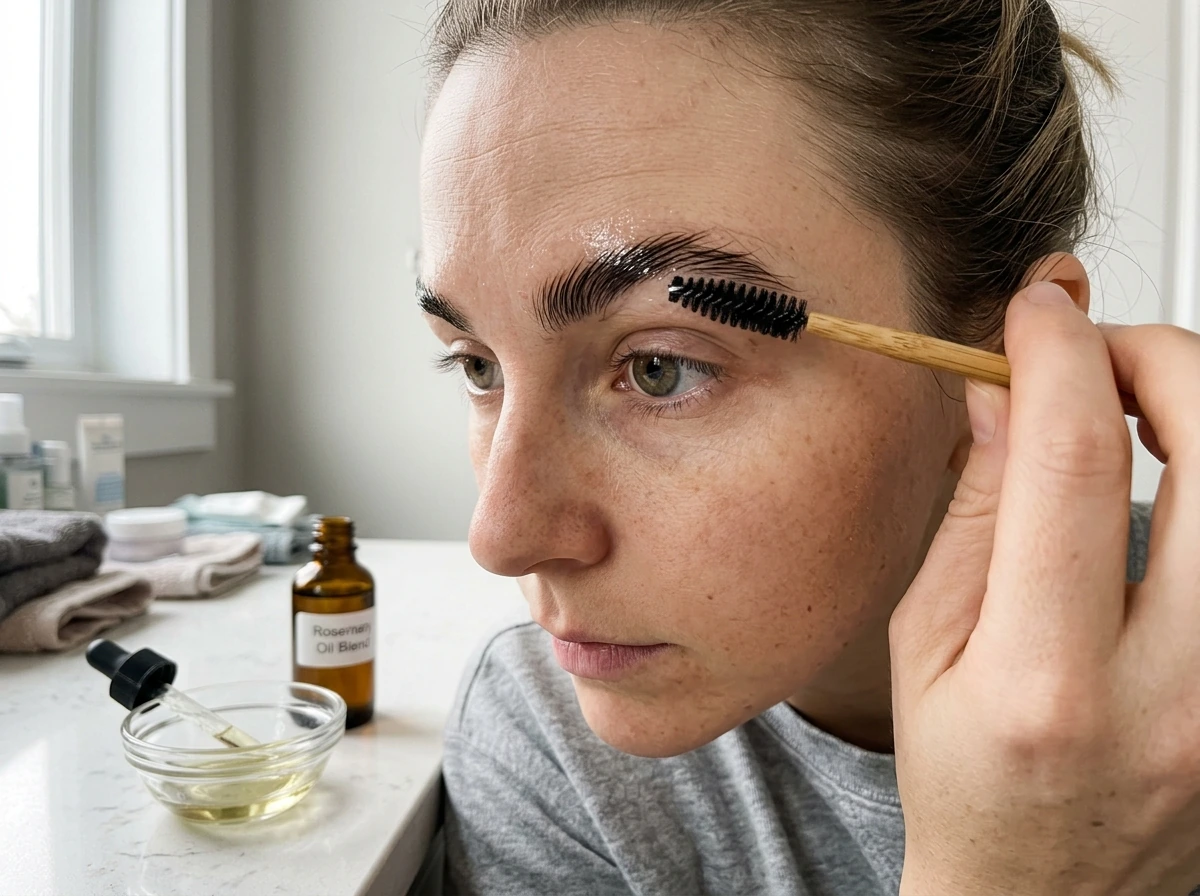
Rosemary oil has more scientific support than castor oil, particularly from animal studies showing it can stimulate hair follicle activity and promote growth in testosterone-induced alopecia models. There's also some human research comparing diluted rosemary oil favorably to minoxidil for scalp hair, though direct brow studies are limited. You need to dilute it in a carrier oil (like jojoba or castor) before applying, at roughly a 2 to 3% concentration, because undiluted rosemary oil can irritate skin. Apply nightly and give it 10 to 12 weeks before judging results.
Minoxidil
Minoxidil is the ingredient with the strongest clinical evidence for hair regrowth. It's FDA-approved for scalp hair loss, and dermatologists increasingly use it off-label for eyebrow regrowth, particularly for cases that don't respond to gentler approaches. It works by prolonging the anagen phase and increasing blood flow to the follicle. For brows, a 2% to 5% concentration is typically applied once daily (a tiny amount, carefully, using a cotton swab). Results take 3 to 6 months to become visible.
A few important safety notes: the liquid form contains alcohol and propylene glycol, which can cause contact dermatitis in some people. If you notice irritation, a foam formulation avoids propylene glycol. Minoxidil is not recommended for use during pregnancy or breastfeeding. Because you're applying it close to the eyes, you need to be precise and careful. This is an ingredient where talking to a dermatologist first is genuinely worthwhile, especially if you have any underlying health conditions or are on medications.
Peptide-based brow serums
Over-the-counter brow serums containing peptides (like myristoyl pentapeptide or similar growth-signal peptides) are a middle ground between castor oil and minoxidil. The evidence is modest, but they're generally safe, easy to use, and some people see noticeable improvement after 8 to 16 weeks of consistent use. Look for serums from reputable brands with published ingredient lists, and be skeptical of anything claiming to work in under a month.
What about bimatoprost?
Bimatoprost (the active ingredient in Latisse) is FDA-approved for eyelash growth and used off-label for brows. It's a prostaglandin analog that extends the anagen phase. It does work, but it comes with side effects that are worth knowing about, including potential permanent changes to iris pigmentation and periocular skin darkening. These risks are relevant even when applied to brows, given the proximity to the eyes. This is strictly a dermatologist-prescribed conversation, not a DIY approach.
| Treatment | Evidence level | Typical timeline | Best for | Key caution |
|---|---|---|---|---|
| Castor oil | Low (anecdotal/anti-inflammatory) | 8–12 weeks | General conditioning, mild growth support | Don't expect dramatic regrowth alone |
| Rosemary oil (diluted) | Moderate (animal + some human data) | 10–12 weeks | Natural approach with some science behind it | Must dilute; patch test first |
| Minoxidil (2–5%) | High (clinical trials) | 3–6 months | Persistent sparse brows, follicle reactivation | Not for pregnancy/breastfeeding; contact dermatitis risk |
| Peptide serums (OTC) | Low–moderate | 8–16 weeks | Mild thinning, everyday maintenance | Ingredient quality varies by brand |
| Bimatoprost (Rx) | High | 2–4 months | Significant hypotrichosis | Iris pigment changes possible; prescription only |
How to target specific gaps in your brows
Different parts of the brow have different growth challenges, and targeting your routine based on where you're sparse makes a real difference.
Sparse inner corners (near the nose)
The inner brow, the area closest to your nose, is often the first place people over-pluck for clean lines. Follicles here are usually still viable because the inner brow is typically spared from the most extreme plucking. Focus your growth serum or oil application here, and be patient. When filling this area while growing back, use very light, hair-like strokes with a brow pencil to mimic individual hairs rather than drawing a block.
Thin tails (outer ends)
The tail of the brow is the most commonly thinned-out area, and unfortunately it's also the hardest to regrow. The outer third is more susceptible to hormonal and thyroid-related thinning, so if your tails are sparse and you haven't over-plucked them, it's worth getting a thyroid panel done. For mechanical thinning (too much plucking or waxing), apply your growth treatment specifically to the tail area. Regrowth here can be slower and finer than elsewhere.
Bald patches or gaps in the middle of the brow
Mid-brow gaps can result from years of shaping, a scar, or localized alopecia areata. If the gap has been there for a long time and nothing has grown despite consistent treatment, this is a case where a dermatologist can check whether follicles are still active and consider targeted treatments like intralesional corticosteroid injections directly into the bald area.
Uneven brows (one thicker than the other)
If one brow is noticeably thicker, resist the temptation to pluck the fuller one down to match. Instead, apply your growth treatment more heavily to the sparse side and let the difference normalize over time. Brows are rarely perfectly symmetrical by nature, and the goal is reducing the gap without sacrificing what you have. Measure your brow shape with a brow mapping tool or straight edge so you have a consistent reference point as you grow.
Shaping and training your brows while they grow
Growing your brows out doesn't mean walking around looking unkempt for six months. There are ways to manage the in-between phase and actively encourage your brows to grow in a flattering direction.
Map your ideal brow shape first
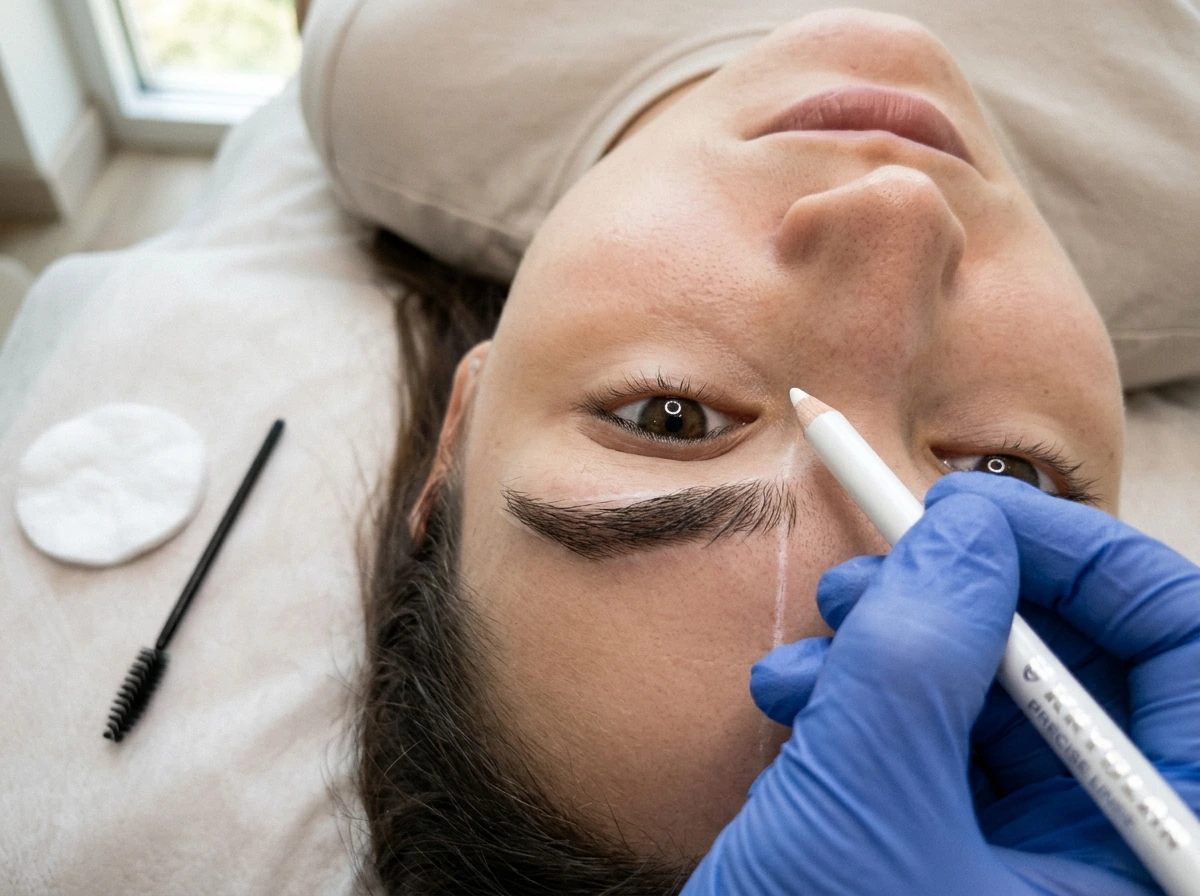
Before you let everything grow wild, take five minutes to identify your ideal brow shape using the classic three-point mapping method. Hold a straight edge (a pencil works) vertically against the side of your nose: where it intersects your brow is where the brow should start. Angle it from your nostril to the outer corner of your eye: that's where the tail should end. The arch point sits roughly above the outer edge of your iris. Mark these points lightly with a brow pencil so you know which hairs to keep and which are genuinely stray hairs you can remove.
Only remove clear outliers
During the regrowth phase, only pluck hairs that are clearly outside your mapped brow shape. Leave everything else, even if it looks messy. New growth in the right area might look wispy and fine at first, but those fine hairs will eventually thicken with multiple growth cycles as long as you don't keep removing them.
Use a spoolie to train direction
Brushing your brows with a clean spoolie every morning in your desired direction (usually upward and slightly outward) can genuinely help train the hair to lie in the right direction over time. It also makes brows look fuller instantly by lifting and separating the hairs. This is one of those free, daily habits that has a visible payoff within weeks.
Fill in while you grow without overdrawing
Use a fine-tipped brow pencil or micro-blading pen (the cosmetic kind, not tattooing) to fill sparse areas with light, hair-like strokes while you wait for regrowth. Avoid solid filling with powder or pomade in areas where you're trying to grow, as heavy product can clog follicles. A tinted brow gel can add both color and hold, and it doesn't block pores the way thick pomades can.
When to see a dermatologist
Most mechanical thinning from over-plucking or waxing responds to the at-home strategies above, given enough time and consistency. But there are situations where a dermatologist is the right next step, and going sooner rather than later matters.
- You have a completely smooth, bald patch in your brow that appeared suddenly and that you didn't pluck or wax
- Brow thinning is accompanied by scalp hair loss, eyelash loss, or other body hair thinning
- Your outer brow tails are thinning and you have fatigue, cold sensitivity, or other thyroid symptoms
- You've been consistent with home treatments for 4 to 6 months and seen zero improvement
- The skin under the sparse area looks inflamed, red, or scaly
- You have a personal or family history of alopecia areata or another autoimmune condition
Alopecia areata is an autoimmune condition where the immune system attacks hair follicles, and it can absolutely affect eyebrows. The American Academy of Dermatology notes that for eyebrow loss caused by alopecia areata, dermatologists may use topical corticosteroids, intralesional corticosteroid injections directly into the brow, or in appropriate cases, JAK inhibitors, a newer class of medications that have shown real promise for alopecia areata specifically. These are not available over the counter and require medical evaluation.
Dermatologists can also consider platelet-rich plasma (PRP) therapy, which has been studied in alopecia areata and other hair loss conditions. It involves injecting concentrated growth factors from your own blood into the affected area. The evidence is still emerging, but it's an option worth discussing if other treatments haven't worked.
The bottom line is: if something feels medically off about your brow thinning (it happened fast, it's patchy without a mechanical cause, or it's not responding to anything), don't keep experimenting at home. A dermatologist can run blood work, examine the follicles, and get you on the right treatment much faster than trial and error will.
Your starting plan for the next 12 weeks
If you're reading this and just want to know where to start, here's what I'd do first: stop all plucking and waxing today, start applying a diluted rosemary oil or castor oil to your brows every night, brush them with a spoolie every morning, and take stock of your diet and stress levels. This will guide you through a practical, realistic approach to how to grow eyebrow hair again.
At the 6-week mark, assess whether you're seeing any fine new hairs. At 12 weeks, reassess whether you want to step up to a minoxidil-based approach or whether it's time to book with a dermatologist. If you want a step-by-step plan tailored to your situation, follow these tips on how to grow back eyebrow hair. Follow these tips on how to grow back eyebrow hair for a step-by-step approach over the next few months.
If you want to focus specifically on how can i grow thicker eyebrows, start by protecting your existing follicles and staying consistent with your chosen treatment for months. A dermatologist can help you narrow down the cause and choose the most effective option for how can i grow thicker eyebrows. Brow regrowth
FAQ
How long does it take before eyebrow regrowth is actually noticeable?
If you have used plucking, waxing, or shaving for years, do not expect fast visible thickening. A practical rule is to check at 6 weeks for tiny new hairs (often lighter and finer), then evaluate thickness at 12 weeks (after at least one additional growth cycle). If nothing new appears by 3 to 4 months, it usually means follicles are stalled or a trigger is ongoing, and you should consider a medical check rather than escalating blindly.
Will brushing or training my brows make them grow faster, or just look better?
Yes, brushing can help, but keep it gentle. Use a clean spoolie every morning and brush only in your mapped direction for about 30 to 60 seconds, then stop if you feel tenderness. Brushing helps hairs settle and look fuller, it does not replace stopping plucking, and over-brushing with hard pressure can irritate the follicles.
How do I know if rosemary oil or castor oil is irritating my brow follicles?
Topical oils and serums can worsen irritation that slows growth if your skin barrier is unhappy. Patch-test any new product behind the ear or on the inner forearm for 24 to 48 hours, then use a very small amount on the brow line. If you get redness, burning, or scaling within a few days, stop and switch to a simpler option (like plain conditioning oil) or talk to a dermatologist.
Can I use my normal skincare routine, like retinol or exfoliating acids, on my brow area while trying to regrow?
Do not use retinoids, exfoliating acids, or strong cleansers directly on the brow skin during regrowth. If you are using them on your face, create a clear buffer zone and apply those products at least a centimeter away from the brow area, then let your usual face routine run as normal. Irritation from these can trigger more shedding.
When should eyebrow regrowth efforts stop being DIY and turn into a dermatologist visit?
Yes. If you have had eyebrow loss that is patchy, rapidly progressive, or associated with new scalp hair loss, you should consider medical evaluation sooner rather than later. A dermatologist can distinguish telogen effluvium, scarring, alopecia areata, and thyroid or nutrient issues, and that changes treatment (for example, steroids or JAK inhibitors are for specific causes, not for mechanical thinning).
What should I do if only one eyebrow is growing back, and the other stays thicker?
If one brow is fuller, do not pluck the thicker side to match. Instead, keep the brow shape mapping consistent and apply growth treatment more consistently to the sparse side (while still applying safely and precisely). With regrowth, asymmetry often normalizes gradually, and plucking the fuller side can erase progress.
How should I apply minoxidil to the brows to reduce irritation and avoid wasting time?
Minoxidil use can be effective but comes with practical precautions. Use a tiny, controlled amount once daily at first, avoid getting it into the eye, wash hands after application, and stop if you get persistent redness, swelling, or itching. Also note that shedding can occur early as follicles cycle, so do not judge results during the first few weeks solely on extra hair fall.
Are prostaglandin options like Latisse safe for eyebrows, and what risks should I take seriously?
Bimatoprost and other prostaglandin analogs can change pigment and periocular skin, and that risk is not just cosmetic. Only use these under a dermatologist’s guidance, especially if you have lighter skin, a history of pigment changes, contact dermatitis, eye conditions, or you are sensitive around the eyes. If side effects appear, prompt medical review matters.
Can I use brow makeup or brow gel while my eyebrows are regrowing without blocking follicles?
In many people, filling products are fine while regrowing as long as you avoid heavy, occlusive buildup on the brow line. Choose light, hair-stroke techniques with minimal product, and cleanse gently at night so you do not leave residue. Avoid leaving thick waxes, pomades, or glittery powders on the skin for long periods during your growth phase.
What’s the best way to adjust my routine if I’m not seeing progress after a few weeks?
A common mistake is escalating treatments too early or too often. If you start an oil or diluted rosemary oil, give it a full 10 to 12 weeks before changing the plan. If results are absent by 12 to 16 weeks despite good habits (no plucking, low irritation, adequate nutrition), that is a reasonable time to discuss minoxidil or medical options with a clinician.
Why do some people regrow eyebrows successfully while others see almost no change?
It depends on the cause. Telogen effluvium from stress or nutrient issues can improve once the trigger is corrected, and growth can resume over months. Autoimmune causes like alopecia areata often need targeted therapy, such as corticosteroids or JAK inhibitors, and scarring loss will not respond the same way. That is why a delay in diagnosis can limit outcomes.
If my issue is nutrition, what specific dietary changes or labs are most useful for eyebrow regrowth?
If your diet is the bottleneck, you will usually see improvement only after consistent nutrition for weeks to months, not days. Focus on adequate protein, iron-rich foods, zinc sources (like meat, beans, and dairy if tolerated), and overall calorie sufficiency. If you suspect deficiency (fatigue, heavy periods, restrictive diet), ask your clinician about checking ferritin and iron studies before supplementing high doses.
Next Article
How Can I Grow Thicker Eyebrows Faster and Naturally
Step-by-step natural plan to regrow thicker, fuller eyebrows fast, fix thinning causes, timelines, and safe routines.