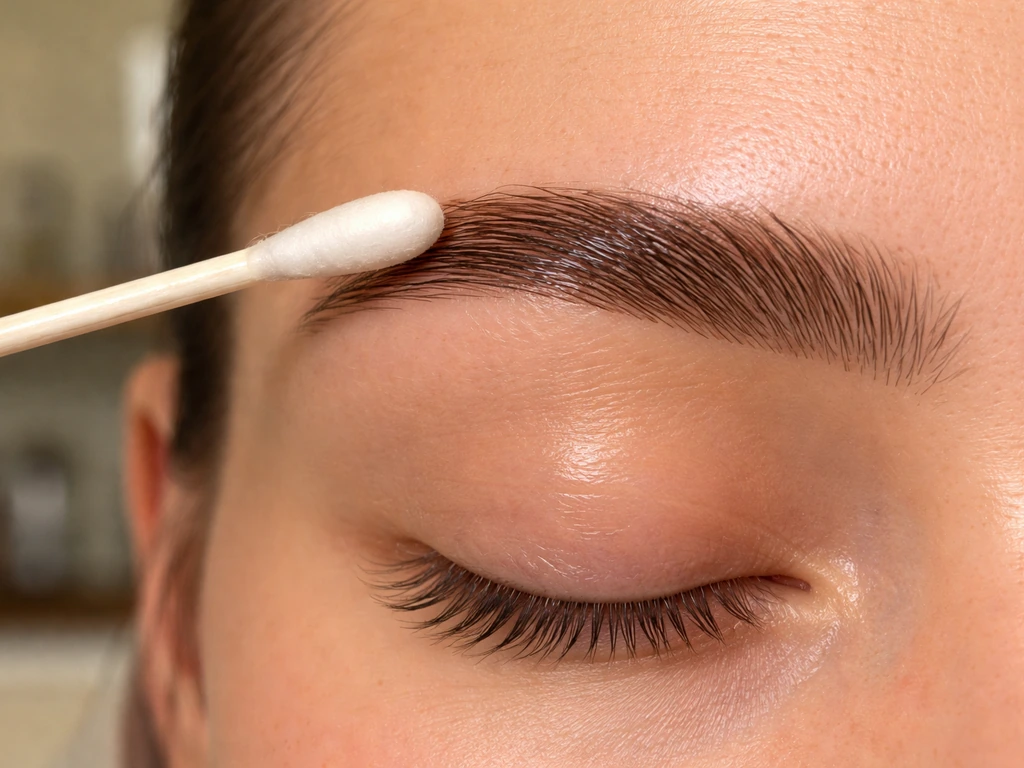
Wild Growth oil can support the conditions for eyebrow growth, but it won't directly stimulate dormant follicles or reverse hair loss the way a clinically proven treatment like minoxidil can. What it does offer is a blend of conditioning oils (olive, jojoba, coconut, and more depending on the formula) that moisturize the brow skin, reduce breakage, and keep existing hairs healthier. If your brows are sparse from overplucking, waxing, or general damage, using Wild Growth consistently may help you see a fuller appearance over time. If your sparse brows are caused by a medical condition like alopecia or thyroid issues, an oil alone almost certainly won't be enough.
Can Wild Growth Oil Grow Eyebrows? Safe Guide and Results

James Whitmore
4 Jul 2026
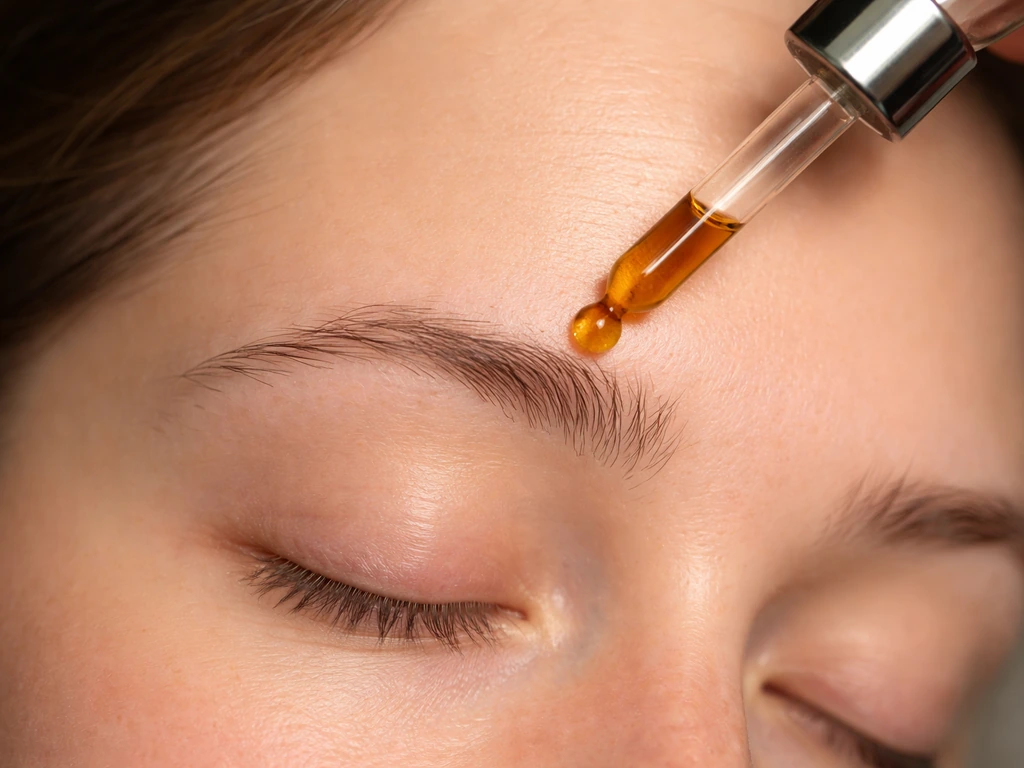
Does Wild Growth oil actually grow eyebrows
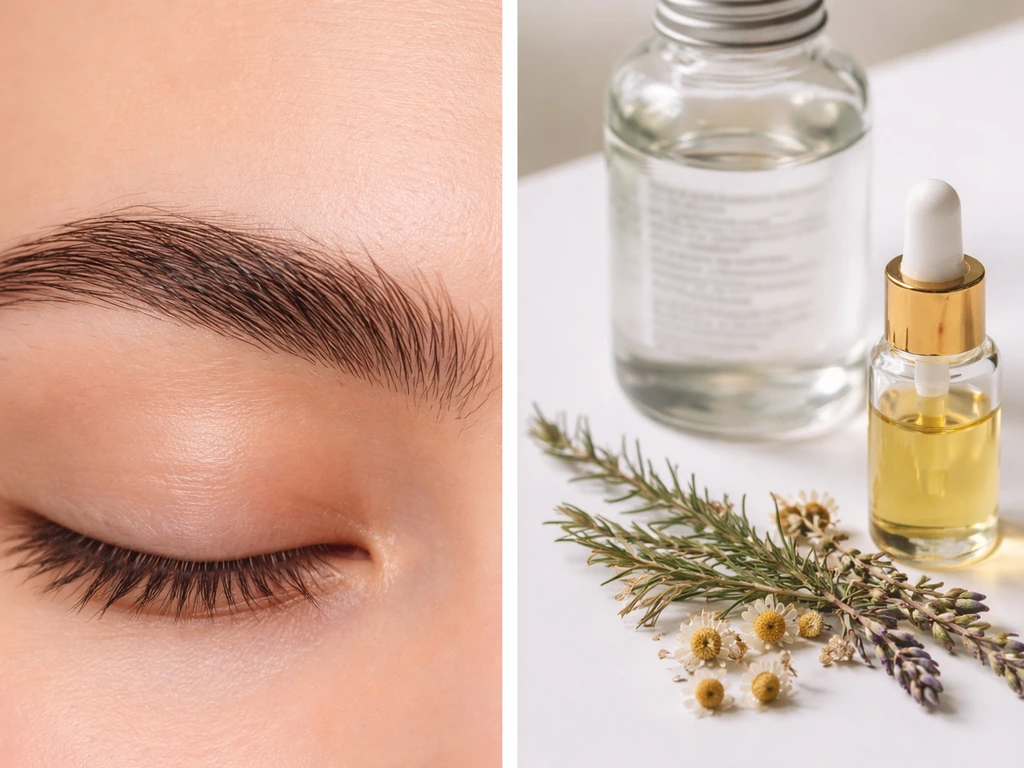
Honestly, the evidence here is thin. There are no published clinical trials specifically testing Wild Growth hair oil for eyebrow regrowth, and even for scalp hair, the brand's claims aren't backed by large, controlled studies. Platforms like Hims have reviewed it and concluded there simply isn't clinical proof it treats hair loss. What you'll find instead are anecdotal reports, ingredient breakdowns, and forum enthusiasm. A SkinSort ingredient breakdown for Wild Growth Hair Oil explains the ingredients individually, but it does not provide evidence or outcomes for eyebrow growth ingredient breakdowns and brand claims.
That said, ingredients matter, and Wild Growth does contain some useful ones. The standard white-bottle Wild Growth Hair Oil includes olive oil, jojoba oil, coconut oil, vitamin D, choline, inositol, iron, magnesium, phosphorus, and calcium. The Light Oil Moisturizer variant adds castor oil, flaxseed oil, carrot oil, and grape seed oil. Jojoba and castor oil in particular have real conditioning properties. Jojoba oil is often suggested for brows because it can condition the skin and help reduce breakage, but it still isn't proven to regrow hair on its own does jojoba oil grow eyebrows. Vitamin D and inositol show up in some hair-health research, though topical absorption for follicle stimulation isn't confirmed.
So here's the realistic picture: Wild Growth oil is a nourishing, multi-oil blend that can help keep your brow hairs and the skin underneath in good condition. That can mean less breakage, a healthier environment for growth, and hairs that look thicker because they're in better shape. But it's not a follicle activator, and if your follicles are dormant or damaged, conditioning them won't necessarily wake them up. Think of it as a supportive tool, not a standalone solution. Many people ask about the best oil to grow eyebrows, but the right choice depends on your brow thinning cause and your tolerance for ingredients like fragrance.
How to use Wild Growth oil on your brows
The key with any oil on eyebrows is using very small amounts consistently. The brow area is small, the skin is sensitive, and you're close to your eyes, so less is always more here.
- Cleanse your face first. Apply the oil to clean, dry skin so it actually contacts the follicle area rather than sitting on top of makeup or sebum.
- Dispense a tiny amount onto a clean spoolie brush or a cotton swab. You need barely a drop for both brows combined.
- Apply in short, light strokes along the brow line, following the direction of hair growth. Work it into the skin slightly with the spoolie.
- Leave it on overnight for best absorption. If you apply in the morning, give it 10 to 15 minutes before applying any makeup over it.
- Use it once daily, consistently. Skipping days frequently undermines the conditioning benefits.
- In the morning, cleanse any residue off gently. Don't let heavy oils sit on brow skin all day under heat and sweat as that can clog follicles.
One important note: Wild Growth Hair Oil contains fragrance as an ingredient. Fragrance is one of the more common contact allergens in cosmetic products, and the skin around your eyes is thinner and more reactive than your scalp. Always patch test first on the inside of your wrist or behind your ear for 24 to 48 hours before applying it anywhere near your eye area.
When should you actually see changes
Eyebrow hair grows roughly 0.14 to 0.16 mm per day, which is slow. Because eyebrows also have a shorter anagen (active growth) phase than scalp hair, individual hairs don't grow as long and there are natural periods of rest and shedding. What this means practically is that you're not going to see meaningful change in two weeks. A realistic minimum window is 6 to 8 weeks to notice any difference in density or thickness, and a full assessment takes closer to 3 to 4 months.
If you've recently overplucked, waxed heavily, or shaved your brows, regrowth is already happening on its own biology. Using Wild Growth oil during this recovery phase may help the hairs that grow in arrive in better condition, but the fundamental timeline is driven by your hair cycle, not the oil. Be patient, document progress with photos in consistent lighting every two to three weeks, and don't expect dramatic results before the 10 to 12 week mark.
Safety and irritation: what to watch for near your eyes
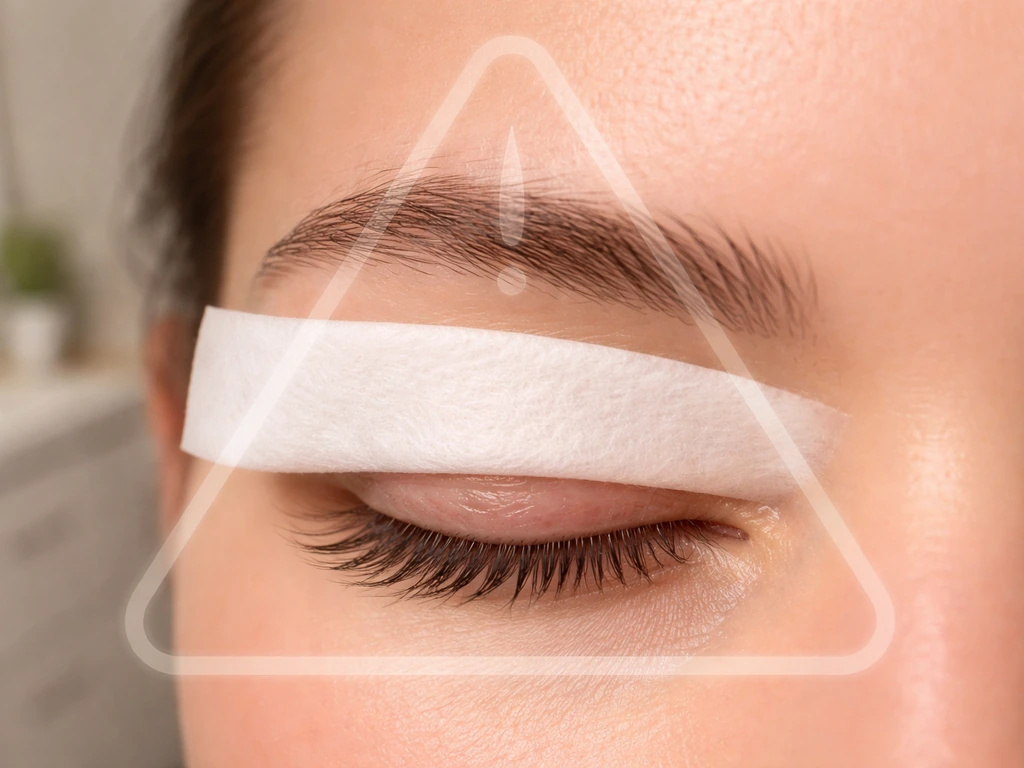
This is the section that matters most if you decide to try Wild Growth near your brows. The eye area demands extra caution, and fragranced oil blends in particular carry a real risk of allergic contact dermatitis, which the skin around your eyes is especially vulnerable to because the barrier is thinner there.
The FDA's guidance on eye cosmetic safety is straightforward: if any product causes irritation near your eyes, stop using it immediately. Don't use any cosmetic on inflamed skin around the eye, and don't use it if you have an active eye infection. These aren't just legal disclaimers. Reactions in that area can escalate quickly and become genuinely uncomfortable.
- Redness, itching, or swelling along the brow line or eyelids: stop immediately and wash the area with gentle cleanser and water
- A burning or stinging sensation right after application: this is an irritant reaction, not a 'tingle that means it's working'
- Small bumps or a rash under or around the brow: this could be contact dermatitis, which is a delayed allergic reaction that shows up 12 to 48 hours later
- Eye watering or redness in the eye itself: discontinue entirely and see a doctor if it doesn't resolve within a day
- Any swelling of the eyelids: treat this as urgent and seek medical advice
If you have sensitive skin, a history of eczema, or react easily to fragranced products, Wild Growth oil is a higher-risk choice for the brow area specifically because of the fragrance and the multiple botanical oils it contains. A simpler single-ingredient oil (like pure castor or jojoba) carries less allergen risk for reactive skin types.
If Wild Growth isn't working: your real alternatives
After 3 months of consistent use with no noticeable change, it's worth switching strategies rather than doubling down. If you are wondering can shea butter grow eyebrows, the same patience and realistic expectations apply, but results still vary by cause after 3 months of consistent use. Here's how the main alternatives compare, because not all options suit all situations.
| Option | Evidence Level | Best For | Key Caution |
|---|---|---|---|
| Wild Growth Hair Oil | Anecdotal/ingredient-based only | Conditioning during recovery from grooming damage | Contains fragrance; patch test required near eyes |
| Castor Oil | Low but widely used; conditioning evidence is strong | Moisturizing brow skin; reducing breakage | Very thick; use sparingly to avoid milia or clogged follicles |
| Rosemary Oil (diluted) | Moderate (scalp studies, not eyebrow-specific) | Stimulating circulation; may support growth phase | Must be well diluted (1-2%); can irritate near eyes |
| Minoxidil 2% | Strong clinical evidence for eyebrow hypotrichosis | Medically thin brows; alopecia; genetics-related sparseness | Avoid contact with eyes; can cause initial shedding; not a cosmetic |
Castor oil is the most commonly reached-for alternative and has a long track record as a brow oil. It's a thick emollient that coats hairs and reduces mechanical breakage, so brows look fuller and healthier over time. There isn't strong clinical evidence it directly stimulates follicles, but its safety profile near the eyes is better than fragranced blends. Rosemary oil has some interesting scalp-hair data behind it, though nothing eyebrow-specific. Does rosemary oil grow eyebrows, and what does the evidence actually say? If you go the rosemary route, always use it diluted in a carrier oil like jojoba and do a patch test first, since it can also irritate the eye area.
Minoxidil is in a different category entirely. There are actual randomized controlled trials showing that topical minoxidil 2% increases eyebrow density in people with eyebrow hypotrichosis. If your brows are thin due to something beyond grooming, this is the most evidence-backed topical option available. A randomized trial evaluated bimatoprost 0.03% versus vehicle for eyebrow hypotrichosis and assessed safety and efficacy blank" rel="noopener noreferrer">beyond grooming. That said, it's a medication, not a cosmetic, and you need to be careful to keep it away from the eye itself. If you experience redness, burning, or irritation after applying minoxidil near the brows, wash it off and consult a doctor before continuing.
Choosing the right approach based on why your brows are sparse
The cause of your sparse brows matters more than any product you choose. Using the wrong approach wastes time and sometimes makes things worse. Here's how to match your situation to your strategy.
- Overplucking, waxing, or shaving: your follicles are likely intact. Conditioning oils like Wild Growth, castor, or jojoba can support recovery while your natural cycle restores growth. Be patient, stay hands-off, and give it 3 to 4 months minimum.
- Gradual thinning with age: follicles are still present but producing finer, shorter hairs. Oils can help, but minoxidil is more likely to produce visible results here.
- Genetics (always had sparse brows): oils won't change your follicle density. Minoxidil or cosmetic solutions like tinting and microblading are more realistic options.
- Medical causes (thyroid disorders, alopecia areata, nutritional deficiencies): no topical oil will address the underlying cause. See a doctor first, get the root issue treated, then support regrowth topically.
- Post-treatment thinning (after chemo or illness): the follicles need time and your overall health needs to stabilize. Gentle conditioning is fine; don't expect oils to accelerate medically driven regrowth.
When you're not sure why your brows are thinning, especially if it's happening without any grooming explanation, that's worth a visit to a dermatologist. Alopecia areata, thyroid dysfunction, and iron deficiency all show up as brow thinning and won't respond to oils at all. Getting the diagnosis right saves you months of applying products that can't address the actual problem.
Common mistakes that slow eyebrow growth
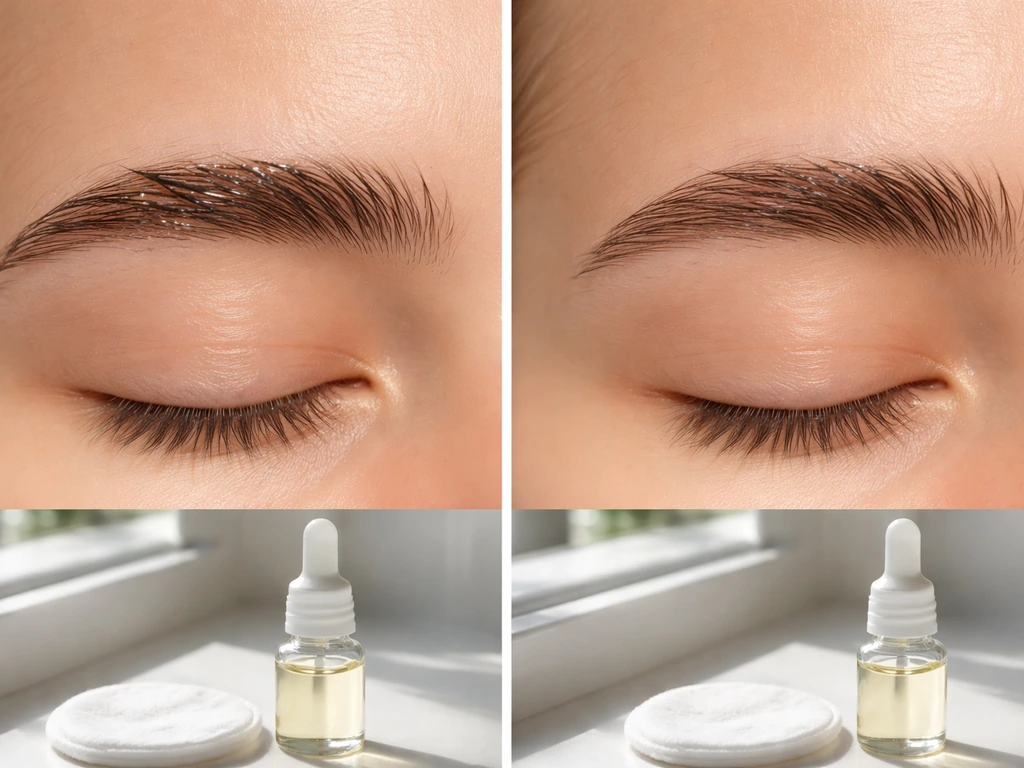
People sabotage their own progress more often than the product fails them. These are the habits most likely to undermine whatever oil or treatment you're using.
- Using too much product: a thick layer of oil sitting on your brow skin doesn't absorb better, it just clogs follicles and sits on the surface. A rice-grain-sized amount for both brows is enough.
- Applying inconsistently: oils only work through cumulative, consistent conditioning. Using it three days on, two days off, then forgetting for a week essentially resets any progress.
- Continuing to pluck while 'growing out': every hair you remove sets back the density you're working toward. Commit to a hands-off period of at least 10 weeks.
- Expecting results in under 4 weeks: at 0.14 to 0.16 mm of growth per day, meaningful length and density changes take time. Reassessing too early leads to product-hopping that never allows anything to work.
- Applying to irritated or broken skin: if your brow area has a rash, active irritation, or is recovering from a wax burn, applying oil can worsen inflammation rather than help. Let the skin heal first.
- Ignoring an underlying medical issue: if brows are thinning without a grooming explanation, using oils without getting a diagnosis means potentially treating the wrong problem for months.
- Switching products every few weeks: patience is the most underrated part of eyebrow regrowth. Pick one approach, give it a full 10 to 12 weeks of daily use, and document with photos before deciding it's not working.
FAQ
How long should I try Wild Growth oil before deciding it is not working for my eyebrows?
No. Wild Growth can help moisturize brow hairs and reduce breakage, but it is unlikely to bring back hair if follicles are truly dormant or damaged. If you do not notice any change after 8 to 12 weeks, consider switching to a follicle-targeting option like prescription minoxidil (with medical guidance) rather than extending the oil trial indefinitely.
What should I do if Wild Growth oil irritates my eyebrow or eye area?
If you get itching, redness, swelling, or a burning sensation around the eyes, stop immediately and rinse gently with lukewarm water. Because the area can react quickly, do not “push through,” and if symptoms persist for more than 24 hours or you develop eye irritation, talk to a clinician before using it again.
Can I apply Wild Growth oil directly under my brows, and how do I prevent it from getting in my eyes?
Yes, especially if your goal is minimizing irritation. Use a tiny amount, apply at night with clean hands, and avoid getting any product onto the eyelid margin or lash line. If the oil feels greasy or migrates toward the eyes, reduce the amount further or switch to a simpler, less fragranced product.
Will Wild Growth work better for overplucking or waxing damage than for medical causes like alopecia?
If your brows are sparse due to traction, heavy plucking, or shaving, regrowth may be underway naturally, and oil may help hairs look healthier. But if the thinning is patchy, rapidly worsening, accompanied by itching or scaling, or happens with other symptoms (fatigue, weight changes), it is better to get evaluated since alopecia areata and thyroid issues often require different treatment.
Do I still need a patch test if I have used the oil on my scalp before?
Patch testing should be more conservative near eyes. Even if you are fine with the product on your scalp, test behind the ear or on the inner wrist first, then wait 24 to 48 hours. For brow use, do a “mini test” by applying once daily to a small section of brow skin for several days before applying more broadly.
I have sensitive skin. Is Wild Growth a bad idea for eyebrows if I am prone to eczema or allergies?
Wild Growth fragrance increases the chance of contact dermatitis for some people, and eyebrow skin is thin and close to the eye. If you have eczema, a history of allergies, or you notice you react to fragranced skincare, consider a single-ingredient option (for example, pure jojoba or pure castor) instead of a fragranced blend to lower allergen risk.
Can I layer Wild Growth oil with other eyebrow treatments or serums?
You should avoid combining strong actives right away. If you use the oil, pause other potentially irritating products on the brow area (such as exfoliating acids or essential oil mixes) for at least several weeks, then reintroduce carefully one at a time. Layering multiple irritants can make it harder to tell what caused irritation or slowed progress.
If my brows are thinning, when should I skip oils and talk to a dermatologist instead?
It depends on what “hair loss” you mean. For conditions like eyebrow hypotrichosis, minoxidil has evidence, but oils do not. For mechanical loss, oil can improve appearance by reducing breakage, but it will not correct the underlying growth cycle. If you are unsure of the cause, a dermatologist visit can prevent months of trial-and-error.
Next Article
Does Jojoba Oil Grow Eyebrows? What to Expect and How
Does jojoba oil grow eyebrows? See realistic results, how to use it safely, and when castor, rosemary, or minoxidil help