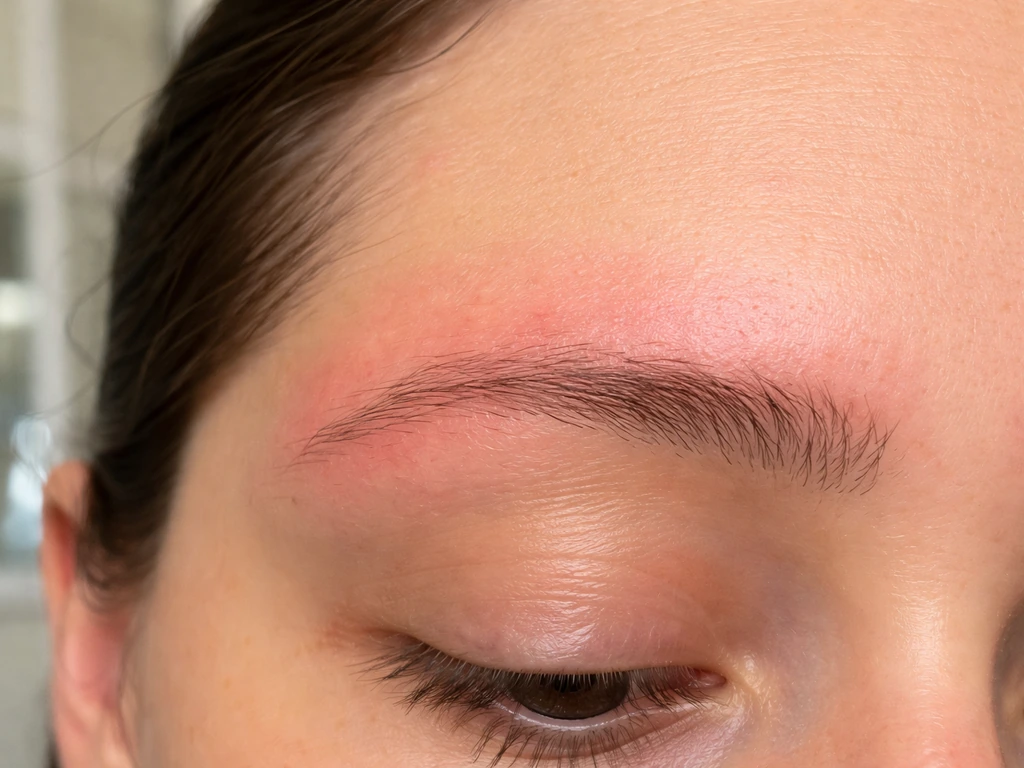
Yes, bleached eyebrows grow back. Bleaching lightens the pigment in the hair shaft but does not destroy the follicle sitting below the skin, so regrowth is very much on the table. The main variables are how harsh the bleach was, how long it sat, and whether the skin underneath experienced any irritation or chemical injury. In most cases, expect full regrowth somewhere in the 3 to 6 month range, with visible new growth appearing within the first 4 to 8 weeks.
Do Bleached Eyebrows Grow Back How Long It Takes
James Whitmore
7 Jul 2026
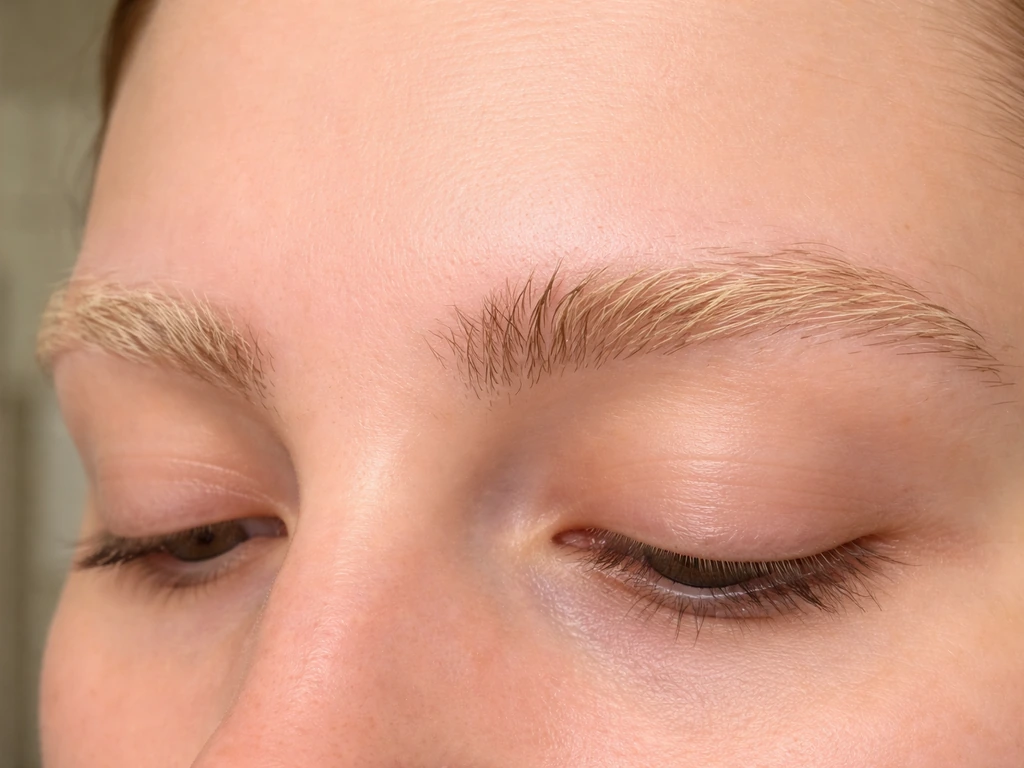
What bleaching actually does to your brow hairs
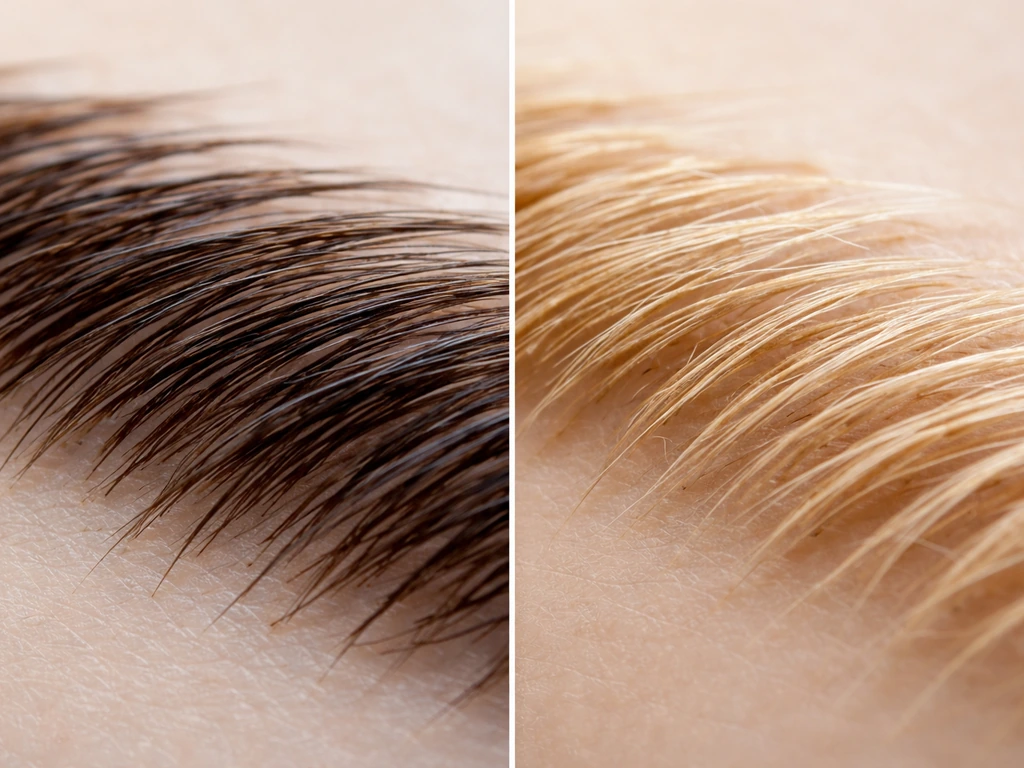
Bleach works through oxidation. The peroxide-based chemicals open the hair cuticle and travel into the cortex (the inner structure of the hair) to break down melanin, which is what gives your brows their color. That process does not just remove pigment. It also causes structural changes: the hair shaft becomes more porous and weaker, the external surface looks rougher, and the internal microstructure is altered. Basically, bleached brow hairs are more fragile than untreated ones and more prone to breaking off.
Here is the critical distinction though: all of that damage is happening to the hair that is already above the skin. The follicle, which is what actually produces new hair, lives below the surface. Bleach does not reach it under normal use. So the existing hairs may look finer, lighter, or even snap off more easily, but the follicle underneath is still alive and capable of producing new growth. Eyebrows do grow back after bleaching in most cases, but the timeline depends on how much damage the bleach caused new growth. The exception is if the bleach caused a chemical burn severe enough to scar the skin and damage the follicle itself, but that is a more serious scenario covered below.
Realistic timeline for bleached brows to grow out
Eyebrow hairs grow at roughly 0.14 to 0.16 mm per day, which is noticeably slower than scalp hair. They also have a shorter active growth phase (anagen), meaning each individual hair only grows for a limited period before it sheds and the follicle rests. That biology is why eyebrow regrowth timelines are measured in months, not weeks. A commonly cited clinical estimate for full eyebrow regrowth after significant loss is 4 to 6 months, and that holds here too. Dogs eyebrows can also thin or break, but eyebrow hair loss is usually temporary and may regrow over time depending on the cause do dogs eyebrows grow back.
That said, what you are dealing with after bleaching is usually not total hair loss. In some cases, if the brow was truly burned, people wonder whether do burnt eyebrows grow back, and the answer depends on whether follicles were damaged. Your brows are still there, they are just lighter and potentially more brittle. So in practice, the question is less about regrowing entirely new hairs and more about letting the bleached hairs shed naturally as the cycle turns over, while new pigmented hairs grow in. You might notice the color looking more normal within 6 to 10 weeks as fresh growth comes through, with the full brow looking natural again closer to the 3 to 4 month mark. If breakage was heavy and you lost a lot of visible hair, the 4 to 6 month estimate is more realistic.
| Scenario | Expected First Visible Regrowth | Full Natural Appearance |
|---|---|---|
| Bleached but no breakage or irritation | 4 to 6 weeks | 2 to 3 months |
| Some breakage, minimal irritation | 6 to 8 weeks | 3 to 4 months |
| Heavy breakage or significant irritation | 8 to 12 weeks | 4 to 6 months |
| Chemical burn with skin injury | Varies — may need derm evaluation | 6+ months or uncertain |
What affects how fast your brows recover
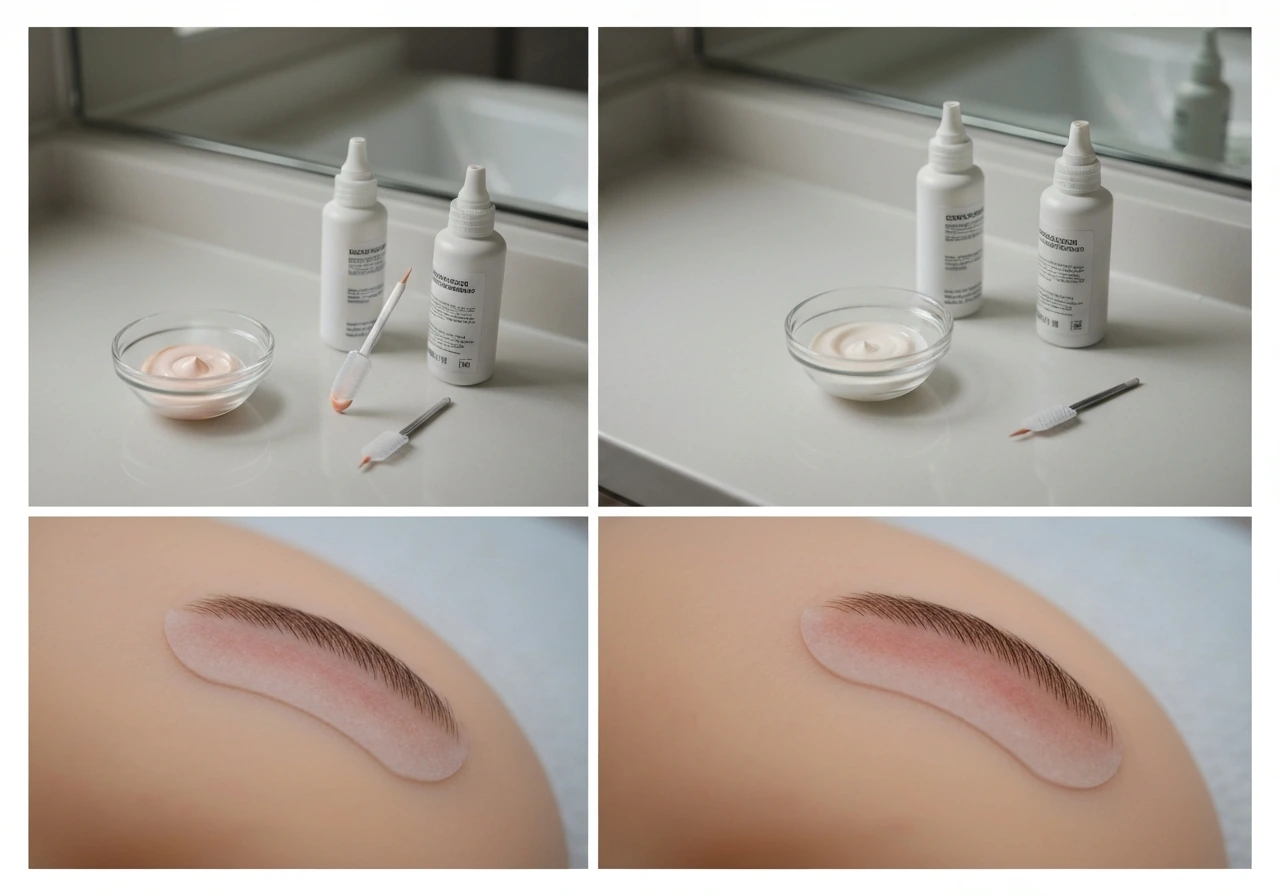
Not everyone's regrowth timeline looks the same, and several things push it in either direction. Even if you only lost part of your brow, a similar question comes up: does unibrow grow back after bleaching or damage?
- Bleach strength and developer volume: Higher-volume developers (30 or 40 volume) cause more oxidative damage than lower ones (10 or 20 volume). More damage to the hair shaft means more breakage and a longer wait for healthy hairs to replace the brittle ones.
- Processing time: Leaving bleach on longer than recommended increases structural damage significantly. Even an extra 5 to 10 minutes can make a real difference in how much the hair weakens.
- Number of bleaching sessions: Repeatedly bleaching the same hairs stacks the oxidative damage. If you have bleached your brows more than once, the existing hairs are more compromised.
- Skin irritation or chemical injury: If the bleach caused redness, peeling, or a burn at the skin level, the follicles in that area may temporarily slow or pause production while the skin heals. Scarring alopecia is rare from cosmetic bleach but possible in severe chemical burn cases.
- Your natural hair growth cycle: Some people have naturally faster-cycling follicles due to genetics, age, or health. Younger people and those with good nutrition tend to see faster turnover.
- Underlying health factors: Thyroid function, iron levels, protein intake, and stress all affect hair growth speed. If you are already in a slower-growth phase due to health reasons, recovery will take longer.
What to do right now after bleaching
If you bleached recently and you are reading this because something went wrong (burning sensation, redness, peeling), the first move is immediate irrigation. blank" rel="noopener noreferrer">Rinse the area with cool running water for at least 20 minutes. Do not use ice or very cold water, which can cause additional tissue damage. blank" rel="noopener noreferrer">Cool tap water or a cool wet compress applied for around 10 minutes is the right call for a superficial surface reaction. If the reaction is more than mild redness, and especially if you see blistering, do not pop the blisters. Bursting them increases infection risk. Seek medical attention for anything that looks like a genuine chemical burn on the face.
For the days after a bleaching session, even without a dramatic reaction, the skin around your brows will likely be more sensitive than usual. Keep the area clean, avoid picking or rubbing, and stay away from additional chemical treatments (including tinting or further bleaching). A simple, fragrance-free gentle moisturizer applied twice a day helps the skin barrier recover without adding new irritants.
For the hairs themselves, treat them gently. Avoid rubbing them dry aggressively, resist any urge to tweeze or wax during regrowth, and keep the area free from heavy makeup that requires harsh removal. If you cut your eyebrows, the hair shafts may break or shed sooner, but the follicles still follow the same slow regrowth cycle tweeze or wax. The goal right now is simply protecting what is there and letting the follicles work undisturbed.
How to support faster regrowth
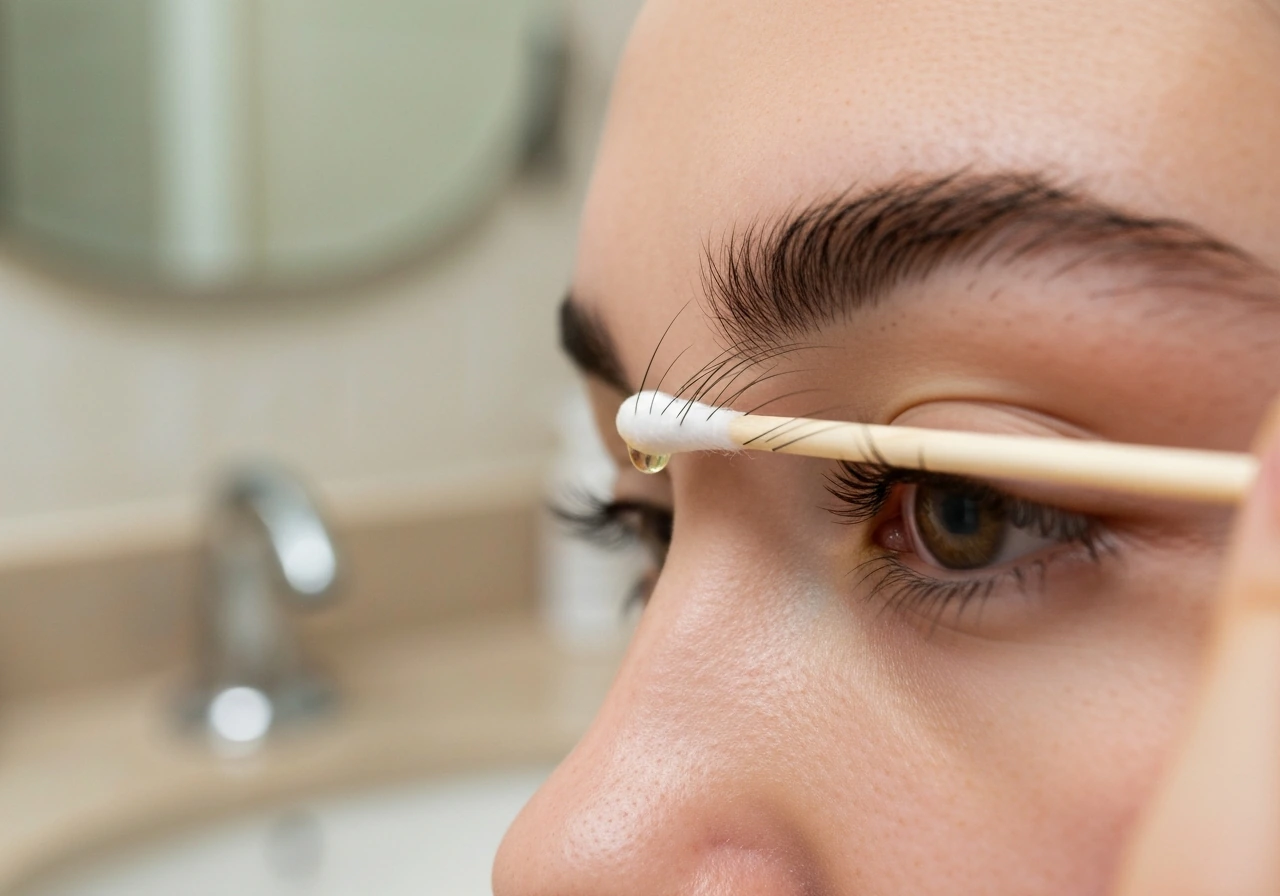
Once any irritation has settled, you can start thinking about actively supporting the regrowth process. Here is what actually has some backing behind it and what to expect from each option.
Castor oil
Castor oil is probably the most popular home remedy for brow regrowth, and the reasoning is not entirely without logic. It is rich in ricinoleic acid, which has mild anti-inflammatory properties and may support a healthy scalp (or skin) environment for hair growth. That said, there is no controlled clinical trial proving castor oil directly accelerates eyebrow growth. Think of it as a supportive, nourishing option rather than a treatment. Apply a small amount with a clean spoolie or fingertip to the brow area each night. The main risk is using too much, which can clog pores or cause milia (small white bumps). A thin coat is enough.
Rosemary oil
Rosemary oil gets a lot of attention after a randomized trial found it comparable to minoxidil 2% for scalp hair density over several months. That is genuinely interesting evidence, but it was for androgenetic alopecia on the scalp, not for bleach-related brow regrowth. The extrapolation to eyebrows is plausible but unproven. If you want to try it, dilute it properly: 2 to 3 drops in a carrier oil like jojoba or the castor oil you are already using. Do not apply concentrated rosemary oil directly to the skin. It can cause contact dermatitis, and given that your brow area may already be sensitive from bleaching, a patch test first is non-negotiable. Apply to the inner arm and wait 24 hours before using it near your brows.
Minoxidil
Minoxidil is an off-label option with more pharmacological evidence behind it than any topical oil. It works by prolonging the anagen (active growth) phase and increasing blood flow to follicles. Case series have documented eyebrow regrowth in patients using low-dose oral minoxidil for other types of hair loss, which is encouraging context, but there are no specific trials for bleach-related brow damage. Topical minoxidil (2% solution or low-concentration foam) can be applied carefully to the brow area, though given the proximity to the eyes, most dermatologists advise discussing this before starting. It is not something to jump into without understanding the commitment: stopping minoxidil often reverses any gains. If you want to explore this, bring it up at a derm appointment rather than experimenting alone.
Nutrition and general health
This part gets underrated. Hair growth is a biological process that depends on adequate protein, iron, biotin, zinc, and vitamins like D and B12. If your diet is low in any of these, your regrowth will be slower regardless of what you apply topically. A basic blood panel checking ferritin and thyroid function is worth doing if regrowth feels unusually slow across multiple months. Eating enough protein daily, something in the range of 0.7 to 1g per pound of body weight, gives your follicles the building blocks they need.
Tracking progress and knowing when to worry
A practical way to track regrowth is to take a close-up photo of your brows in the same lighting every two weeks. It is genuinely hard to notice slow daily changes in the mirror, but comparing a photo from week two to week six will usually show clear progress. Look for fine, lighter hairs emerging from the brow line, that is new growth coming in.
Most people see meaningful regrowth by the 6 to 8 week mark if the bleaching did not cause skin injury. If you are at 10 to 12 weeks with no visible new growth at all, that is the point to see a dermatologist. Similarly, if regrowth looks very patchy in a specific area where the bleach sat longest, it is worth getting that area assessed. Persistent patchiness can sometimes indicate follicle damage or a mild scarring process, and catching it early gives you more options.
Seek medical attention sooner, not later, if you notice any of the following after bleaching:
- Ongoing or increasing pain, redness, or swelling in the brow area
- Blistering, oozing, or open skin that is not healing normally
- Red streaks extending from the area, fever, or pus (signs of infection)
- Skin that looks or feels raw, waxy, or significantly different in texture after the initial healing period
- Complete absence of regrowth in any part of the brow after 3 months
Face burns, even mild chemical ones, warrant more conservative management than burns elsewhere on the body because of the proximity to eyes and the sensitivity of facial skin. A dermatologist can assess whether any follicle damage occurred and discuss prescription options like topical or low-dose oral minoxidil if standard regrowth is not happening on its own.
The bigger picture here is reassuring. Bleaching damages hair, not follicles, in the vast majority of cases. The regrowth process is slow by nature because eyebrow hairs just do not grow fast, but it is reliably happening underneath the surface. Give it time, protect the area, feed your body well, and consider a supportive topical routine. For most people, the brows come back looking normal within a few months. If your eyebrows were singed rather than fully chemically bleached, the regrowth timeline can still depend on how much the hairs were damaged, but many people wonder if singed eyebrows grow back. If yours are not, that is when the conversation with a professional becomes genuinely useful.
FAQ
If my bleached eyebrows look worse after a few weeks, does that mean they will not grow back?
Not usually. Bleaching typically weakens existing brow hairs above the skin, so you may see them look lighter first, then break or shed, and then replaced by darker hairs later. True “no regrowth” is more likely when you had a deeper chemical burn that damaged the follicle or scarred the skin.
Can I tweeze or wax my brows while waiting for them to grow back?
Do not. Tweezing, waxing, or aggressively trimming during the regrowth window can remove the hairs that are actively cycling through, making it harder to tell what is new growth versus shed hair. If you need shaping, do it lightly with minimal contact, and avoid plucking until you are seeing consistent regrowth.
How do I know whether my bleached brows are regrowing normally versus delayed regrowth?
Your best “early” sign is not the overall color, it is fine new hairs emerging from the brow line (often lighter at first). If you have no visible new growth by 10 to 12 weeks, or if regrowth stays distinctly patchy where bleach sat longest, that is the time to get a dermatologist to check for follicle injury or scarring.
When is it safe to dye, tint, or bleach my eyebrows again after a bleach mishap?
Yes, but treat it as a risk. If the skin is still irritated, any additional peroxide or tint products can worsen inflammation, increase shedding, and prolong recovery. A safer approach is waiting until redness, peeling, and tenderness are fully gone, then introduce only one product at a time.
Why would only part of my brow grow back after bleaching?
Patchy regrowth can happen even without severe burns. Areas that received more exposure time or where the skin was more inflamed often regrow slower or less densely. However, persistent patchiness, especially with shiny or scarred-looking skin, should be assessed sooner rather than later.
If my brows seem thinner, is that from breakage or from the follicle being damaged?
It can, but it is not the same as follicle loss. Bleached hairs may look thinner because they are more fragile and break, or because shedding happens during the natural growth cycle. Photo tracking helps, because true follicle damage usually shows as no emergence of new fine hairs over multiple cycles.
How long until my brows look normal again, not just “some regrowth”?
In many people, the first noticeable improvement is within 6 to 10 weeks as lighter “new” hairs come through, but full-looking, uniform brows often take longer. Using photos every two weeks in the same lighting helps prevent misreading daily fluctuations.
Can home oils like castor oil actually make my brows worse?
Be careful with over-oiling. Even if castor or other oils are generally considered low risk, thick application can clog pores or cause small bumps around the brow, which may increase irritation and make regrowth look patchier.
Is it safe to try minoxidil on bleached eyebrows, and what should I watch for?
Minoxidil use needs caution because the brow area is close to the eyes, and stopping it commonly reverses gains. If you have sensitive facial skin, a history of eczema, or eye-area irritation, ask a dermatologist first and do not start without a clear plan for monitoring and duration.
What skincare products should I avoid right after eyebrow bleaching, even if my skin seems okay?
Yes. After chemical exposure, a fragrance-free gentle moisturizer can support barrier repair, but avoid adding multiple active products at once (for example, strong acids, retinoids, or additional irritant oils). If you do use actives later, reintroduce gradually once the skin is calm.
Next Article
Do Burnt Eyebrows Grow Back? Regrowth Timeline and What to Do
Learn if burnt eyebrows regrow, realistic timelines, what to do now, and when to see a dermatologist for burns.