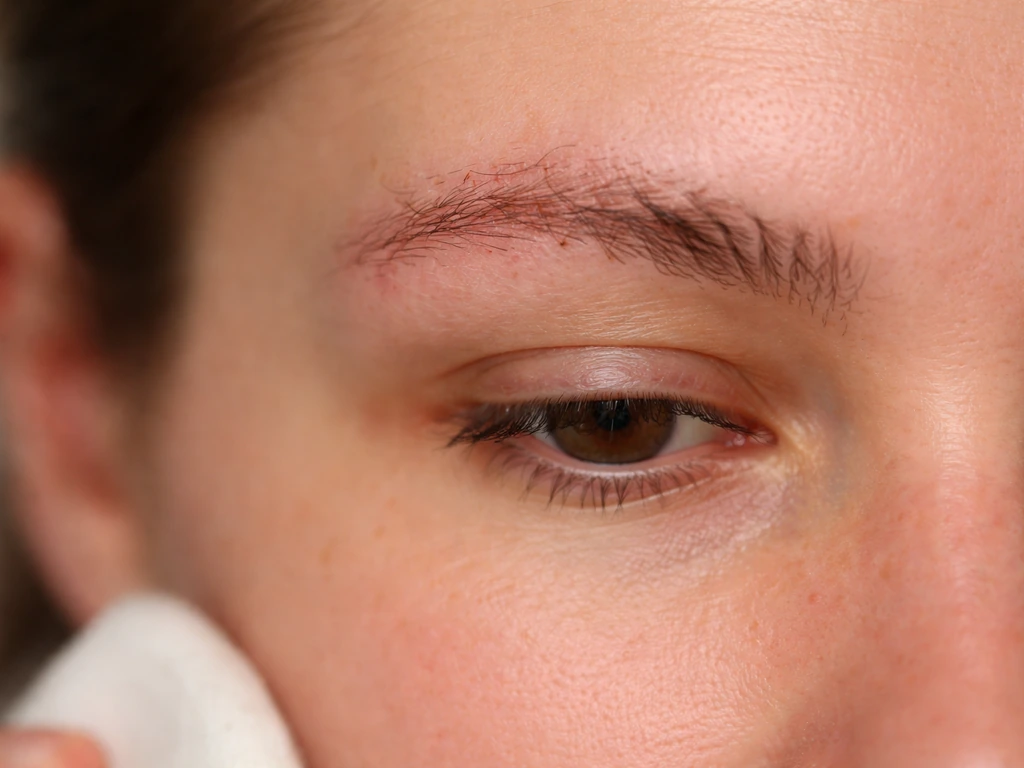
Yes, burnt eyebrows can and usually do grow back, but whether they fully regrow depends on how deep the burn went. If the heat only singed the hair shaft (the part you can see), the follicles beneath the skin are almost certainly fine and your brows will come back on their own within a few months. The risk of permanent loss only becomes real when the burn is deep enough to damage the dermis, which is where the actual hair follicles live. Most accidental burns from candles, lighters, ovens, or hair tools fall into the superficial category, and those heal fully. But there are situations where you genuinely need a dermatologist's input, and knowing the difference early saves you a lot of anxiety and prevents things from getting worse.
Do Burnt Eyebrows Grow Back? Regrowth Timeline and What to Do
James Whitmore
17 Jun 2026
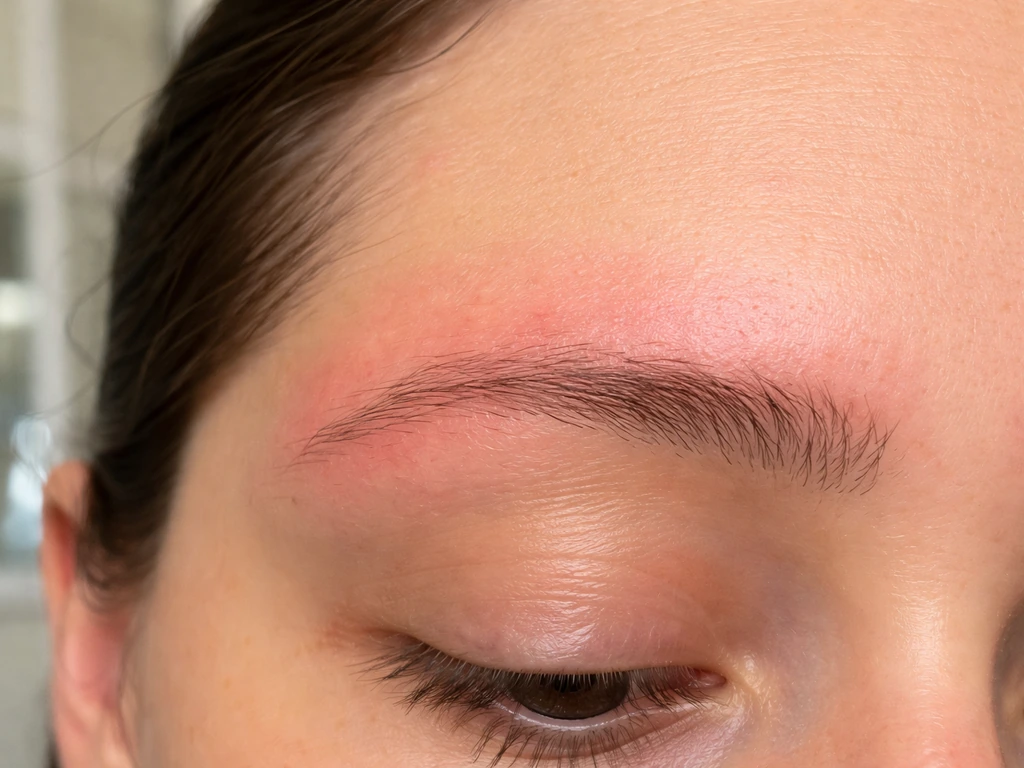
Do this right now if you just burnt your eyebrows
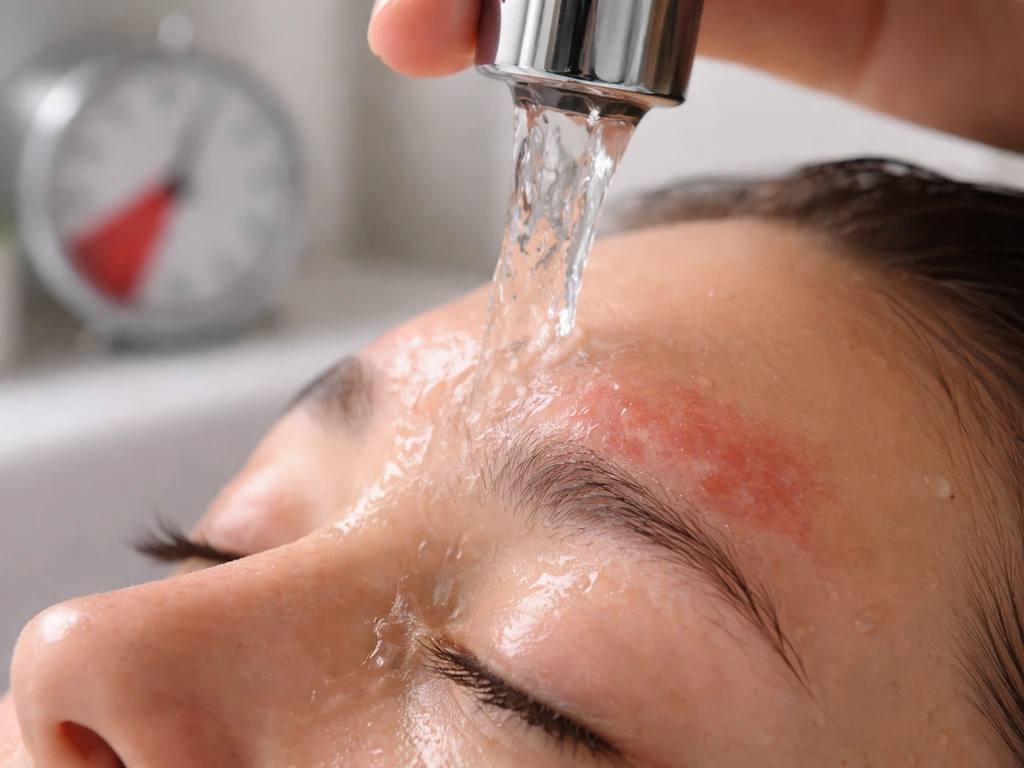
The first thing to do, even before you look in the mirror and panic, is cool the burn. Run cool (not ice cold) water over the area for at least 5 to 20 minutes. Ice and very cold water actually cause more tissue damage by constricting blood vessels, so skip those. If you burned the area around your eye and can't run water directly over it, a cool wet cloth held gently against the skin works just as well. The goal here is to stop the heat from continuing to damage deeper layers.
Once the pain eases up, gently pat the area dry and apply a thin layer of petroleum jelly. This is the AAD's standard recommendation for minor burns, and it does two jobs at once: it keeps the skin moist so it heals faster, and it creates a barrier against bacteria. Apply it two to three times a day going forward. If you see any blistering, do not pop it. A blister is your skin's natural bandage and it protects new tissue forming underneath. Popping it opens the door to infection and increases your odds of scarring. If a blister breaks on its own, gently clean the area with cool water and apply a small amount of antibiotic ointment.
- Cool the burn with running cool water for 5 to 20 minutes (no ice)
- Use a cool wet cloth if water directly on the area isn't possible
- Apply petroleum jelly or aloe vera 2 to 3 times daily
- Cover with a sterile non-stick dressing if needed (avoid fluffy materials that shed fibers)
- Do not pop any blisters that form
- Avoid any skincare products, makeup, or other treatments on the burned area right now
Will the hair actually grow back? Here's what determines it
The honest answer comes down to one thing: whether the burn reached your hair follicles. blank" rel="noopener noreferrer">Follicles sit in the dermis, the layer of skin beneath the surface. A superficial (first-degree) burn only affects the very top layer, the epidermis. Those follicles are completely untouched and your hair will absolutely grow back. A partial-thickness (second-degree) burn goes deeper and may or may not reach follicle level depending on how deep it penetrates. A full-thickness (third-degree) burn destroys the dermis entirely, which means follicles are gone and hair won't regrow in that area without surgical intervention.
The frustrating part is that you usually can't tell the true depth of a facial burn immediately. The skin around the eyebrows is thin and close to delicate structures, so even what looks minor should be watched carefully over the first few days. The good news is that the vast majority of everyday accidental burns, like leaning too close to a candle, a flash from a lighter, or catching a bit of heat from an oven, are superficial to mild partial-thickness at worst. In the same way, if you cut your eyebrows, whether they grow back depends on whether the follicles are harmed regrowth. In those cases the follicle is intact and regrowth is just a waiting game.
How long does eyebrow regrowth actually take after a burn
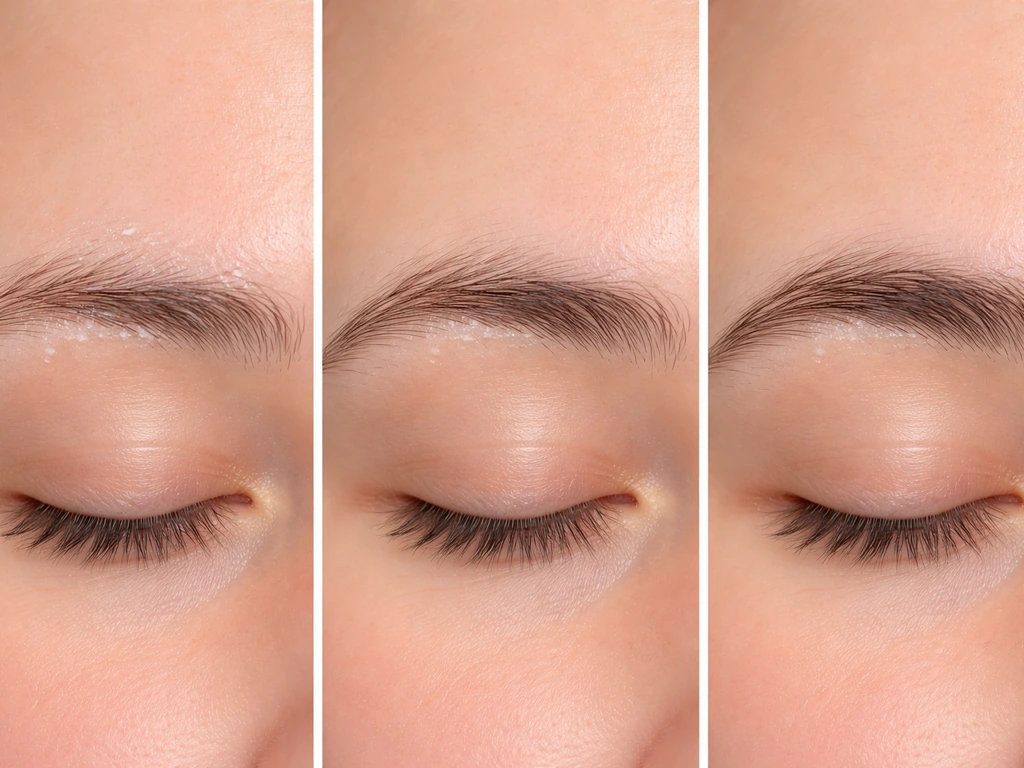
This is where you have to set realistic expectations, because eyebrow hair cycles are genuinely slow. The anagen (active growth) phase for eyebrows is only about 2 to 3 months, and then the follicle goes into a resting phase (telogen) that lasts around 100 days, roughly 3 months. This is very different from scalp hair, which grows for years in anagen. Because eyebrow follicles cycle quickly but spend a significant amount of time resting, you might not see visible new growth for 6 to 8 weeks even when everything is going well. Full regrowth to your normal density can take 4 to 6 months. If you are wondering whether an eyebrow can regrow fully after a burn, the answer depends on how badly the follicles were damaged.
If it's been less than 3 months since your burn and you're seeing patchy regrowth, that's completely normal. For most people, do singed eyebrows grow back gradually over time, especially if the follicles weren’t badly damaged. Don't read anything into it yet. The follicles that were resting at the time of the burn will cycle back through at different points, so you'll likely see gradual fill-in rather than everything coming back at once. The benchmark I'd use is this: if you're not seeing meaningful regrowth after 4 to 6 months, that's when you need to take the next step rather than wait longer.
How to tell if your burn is mild or serious (and when scarring is possible)
Being able to roughly assess your burn matters a lot for knowing what to do next. Here's a practical breakdown of what each level looks and feels like.
| Burn Type | What It Looks Like | Hair Follicle Risk | Scarring Risk | Likely Outcome |
|---|---|---|---|---|
| Superficial (1st degree) | Redness, mild pain, no blisters, skin intact | None, follicles unaffected | Very low | Full hair regrowth expected |
| Partial thickness, superficial (2nd degree) | Blisters, red/wet-looking skin, more intense pain | Low to moderate depending on depth | Possible if deep or infected | Usually full or near-full regrowth |
| Partial thickness, deep (2nd degree) | Large/broken blisters, pale or blotchy skin, reduced pain sensation | Moderate to high | Likely without treatment | Patchy regrowth possible; see a doctor |
| Full thickness (3rd degree) | Dry, leathery or waxy skin, white/brown/charred, little to no pain | High, follicles likely destroyed | Certain without grafting | Permanent loss in affected area; needs specialist care |
A key warning sign is reduced or absent pain in the burned area. This sounds counterintuitive, but deeper burns destroy the nerve endings that register pain, so a burn that stops hurting quickly after the initial shock isn't a good sign. Also watch for the skin turning pale, white, or taking on a waxy/leathery appearance. These are signs the burn has gone deeper than superficial and needs medical evaluation. Blistering alone is not a disaster, but blisters that are large, spreading, or accompanied by cloudy/discolored fluid should be seen by a doctor.
One more reason to get eyes on it early: facial burns can be harder to assess than burns elsewhere on the body, and the full extent often isn't clear until after the initial healing period. If you have bleached or chemically lightened eyebrows, the regrowth timeline can be different from an actual burn, but the same idea of assessing damage depth applies get eyes on it early. If you're in any doubt about what you're looking at, an in-person assessment beats guessing.
What to do (and not do) while the skin heals
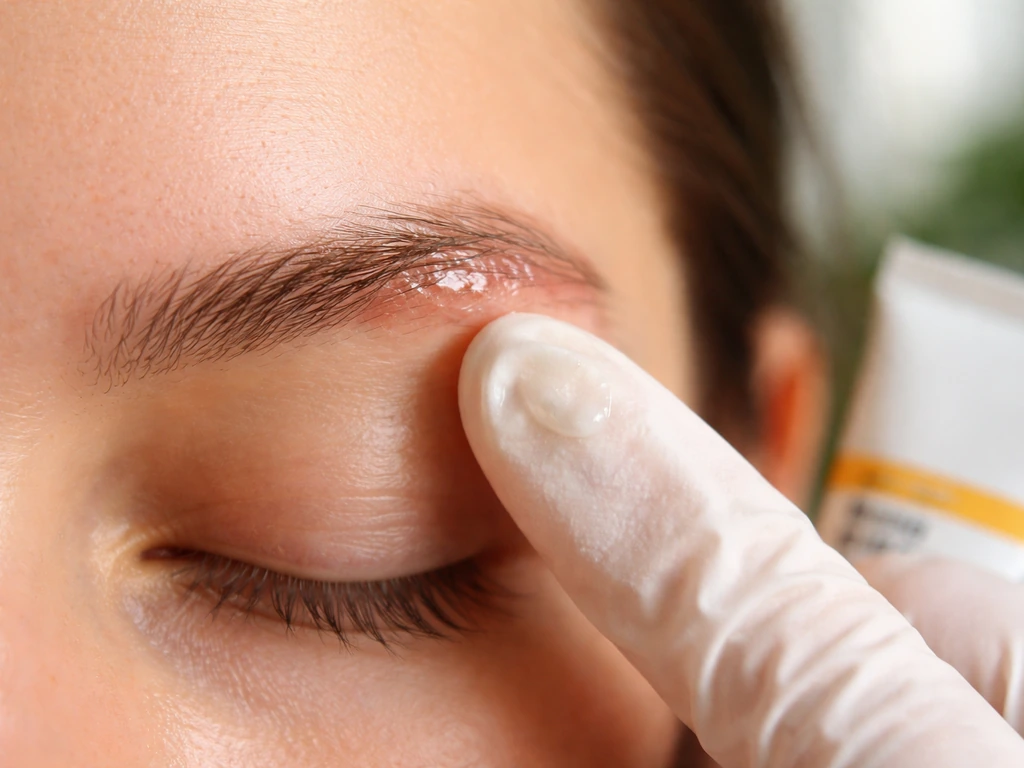
The healing phase is the most important window for protecting your follicles and giving them the best shot at growing back normally. The rules here are pretty simple but easy to mess up when you're stressed and tempted to do something, anything, to fix the situation faster.
Do these things
- Keep the area clean and gently moisturized with petroleum jelly or a plain, fragrance-free ointment
- Apply broad-spectrum SPF 30 or higher once the skin has closed over, because newly healed skin is extremely vulnerable to UV damage and hyperpigmentation
- Stay gentle when cleansing the face, use lukewarm water and no scrubbing near the brows
- Let any scabbing fall off on its own rather than picking at it
- Drink enough water and eat enough protein, both matter for tissue repair and hair growth
Avoid these things
- No makeup, brow pencils, pomades, or tinted products over the healing area
- No retinoids, AHAs, BHAs, or any exfoliating acids near the burn while it's healing
- No eyebrow threading, waxing, or tweezing in or around the affected area
- No castor oil, rosemary oil, or any growth serums applied to healing/broken skin
- No picking, scratching, or rubbing, even when it's itchy (itching is actually a sign of healing)
- Avoid direct sun exposure to the area until it's fully healed
Supporting regrowth once the skin has healed
Once the skin is fully closed and no longer raw or flaking, you can start thinking about active support for regrowth. Also, if you dye your eyebrows, it can further irritate healing skin and may affect regrowth, so wait until everything is fully healed before considering it. This is an important distinction: nothing you put on healing or broken skin will help regrowth, and it could irritate or infect the wound. Wait until the skin looks and feels normal again, typically 1 to 3 weeks for superficial burns, before adding anything to your routine.
Castor oil and rosemary oil: realistic expectations
Castor oil is a popular home remedy for eyebrow regrowth, and it won't hurt if applied to fully healed skin. People often ask whether do dogs eyebrows grow back, but the regrowth depends on the same idea of follicle damage eyebrow regrowth. But to be straight with you: there's no strong scientific evidence that castor oil directly stimulates follicle activity or causes new growth. What it does do is condition existing hairs and keep the brow area moisturized, which reduces breakage. If you've got partial regrowth coming in, that's not nothing. Just don't expect it to resurrect follicles or dramatically speed up the timeline.
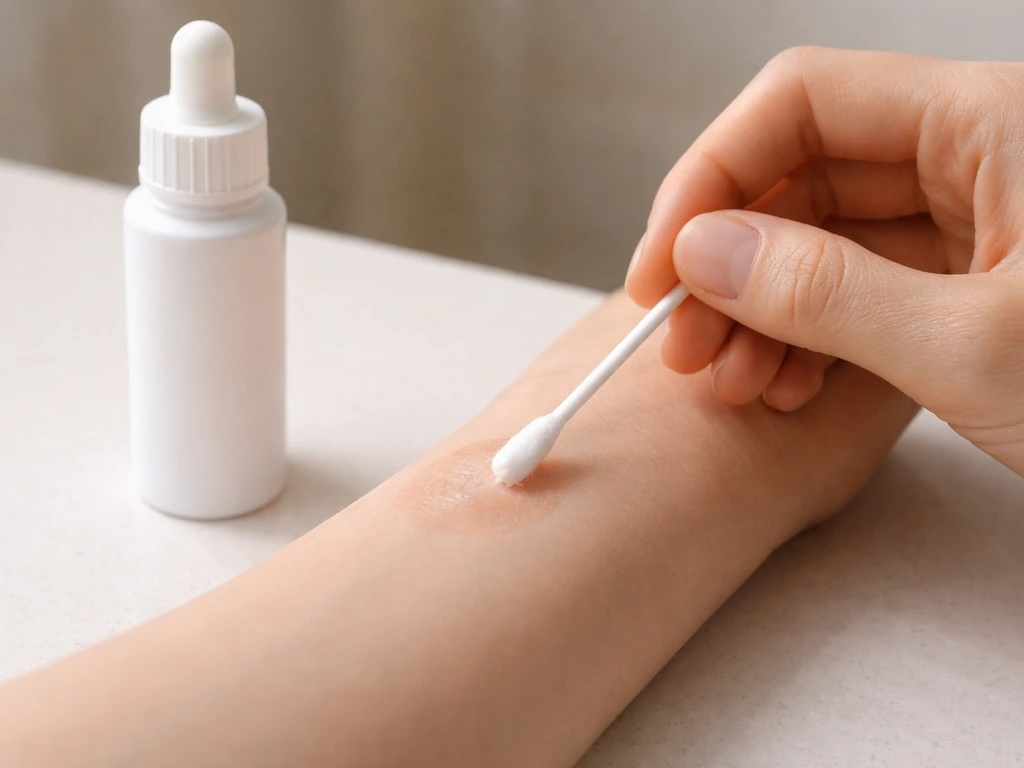
Rosemary oil has a bit more scientific backing for hair growth in general, with some evidence it can increase circulation to hair follicles. However, it's also a known allergen: contact dermatitis from rosemary extract has been documented, and the last thing you want is an allergic reaction near a recently burned brow and eye area. If you want to try it, do a patch test on your inner arm first and dilute it properly in a carrier oil before applying anywhere near the face.
Minoxidil: the evidence-backed option
If you want something with actual clinical backing for eyebrow regrowth, topical minoxidil is it. There are randomized controlled trials specifically for eyebrow hypotrichosis (sparse brows) showing that minoxidil 2% lotion applied topically increases eyebrow fullness and growth compared to placebo. It works by extending the anagen phase and shortening the telogen resting period, which is exactly what you'd want when follicles are viable but slow to restart after a burn. This is an off-label use, so you'd be using it outside its approved indication, which is why you should discuss it with a dermatologist before starting.
The most important rule: do not apply minoxidil to skin that hasn't fully healed. Applying it to broken or inflamed skin increases systemic absorption and can cause side effects. Wait until you're at least 4 to 6 weeks post-burn, the skin is completely closed, and there's no redness or sensitivity. Even then, this is a conversation to have with a doctor rather than a solo DIY decision.
| Option | Evidence Level | Best For | Key Caution |
|---|---|---|---|
| Castor oil | Anecdotal/indirect | Conditioning hairs during patchy regrowth | No proven follicle stimulation; apply only to healed skin |
| Rosemary oil (diluted) | Limited/emerging | Mild circulation support for intact follicles | Allergy risk; patch test first; avoid near broken skin or eyes |
| Topical minoxidil 2% | RCT-supported for eyebrow growth | Stimulating regrowth when follicles are viable but slow | Off-label; only on fully healed skin; consult a dermatologist first |
When to see a dermatologist and what to ask
Some situations shouldn't be managed at home. Go see a doctor if any of the following apply to you.
- The burn area has blistered significantly, especially if the blisters are large, spreading, or look infected (increasing redness, warmth, pus, or you develop a fever)
- The skin in the burned area looks pale, white, waxy, or leathery, which suggests a deeper burn
- You feel little or no pain in the burned area despite it looking severe
- The burn is near or on your eyelid, since eyelid burns that don't re-epithelialize within about 3 weeks are at serious risk of scarring and contraction
- You're not seeing any meaningful eyebrow regrowth after 4 to 6 months
- You notice thick, raised, or discolored scarring forming over the brow area
- You want to explore minoxidil or other prescription options for regrowth support
When you go, be specific about what you want to know. Ask the dermatologist to assess the burn depth and give you their honest opinion on whether your follicles are likely intact. Ask about prescription-strength options for regrowth if the wait is stressing you out. If there's scarring involved, ask about scar treatments and whether the scarring is in a location that would prevent follicle function. For deeper burns with significant scarring, a plastic surgeon or burn specialist may also be part of the conversation.
The broader context here: burns that were purely at the hair shaft level are similar in outcome to other forms of eyebrow hair loss, like singed brows from a flash of heat or even over-processed brows from chemical treatments. The follicle integrity question is the same regardless of the cause. If you're also dealing with questions about regrowth after other types of brow damage, the same timeline and recovery principles generally apply. If you are wondering specifically about whether eyebrow slits grow back after a burn or cut, the key factor is how deeply the follicles were injured.
Your quick-reference checklist
- Immediately: cool with running water for 5 to 20 minutes, then apply petroleum jelly
- Do not pop blisters; if one breaks, clean gently and apply antibiotic ointment
- Assess the burn: redness only is likely superficial; blistering, pale skin, or no pain means see a doctor
- During healing (1 to 3 weeks): keep clean and moisturized, no makeup, no actives, no growth products
- Once healed: start SPF 30 or higher on the area every day
- After 6 to 8 weeks on healed skin: consider castor oil for conditioning or discuss minoxidil with a dermatologist
- Wait 4 to 6 months before concluding that regrowth isn't happening
- See a dermatologist if: signs of infection, deep burn appearance, near the eyelid, no regrowth after 4 to 6 months, or visible scarring
FAQ
How can I tell if my burnt eyebrows are regrowing versus just the hairs that were already there showing again?
Early regrowth often looks like thin, new stubble or slightly darker short hairs appearing from the same spots. If you only see the area look “less empty” because existing hairs loosen or shed and then appear again, that pattern usually happens sooner and does not gradually thicken over 4 to 6 weeks. A useful check is to take a dated photo every 2 weeks under the same lighting.
Is it safe to pluck, wax, or trim my eyebrows while they are healing or regrowing?
Avoid plucking or waxing while the skin is healing or if you still have tenderness, scabs, or uneven regrowth. Removing hairs during active regrowth can irritate follicles and prolong the cycle. Once the skin is fully closed and you have stable, non-sensitive regrowth, trimming is generally safer than plucking.
What should I do if my burnt eyebrow blister breaks on its own?
Gently rinse with cool water, pat dry, then apply a thin layer of petroleum jelly (or use the antibiotic ointment your clinician recommends if you were directed to). Keep the area clean and avoid makeup over it until the skin fully closes. If the area becomes increasingly red, swollen, painful, or drains cloudy fluid, get medical care promptly.
Can I use eyebrow makeup, tint, or brow products after a burn?
Wait until the skin is fully closed and no longer raw, flaky, or sensitive, typically 1 to 3 weeks for superficial burns. After that, introduce products cautiously. If you tint or bleach, do it only when the skin barrier is back to normal because chemicals can irritate healing tissue and may further delay regrowth.
Do burnt eyebrows grow back if I wear contact lenses or had the burn near my eye?
They can still regrow if the follicles were not damaged, but burns near the eye deserve extra caution because assessing depth is harder and complications can occur. If you had eye exposure, severe swelling, vision changes, or worsening pain, seek urgent evaluation. For the skin, use cool compresses and avoid getting ointment into the eye.
How long should I wait before I consider treatments like minoxidil?
For DIY use, a practical rule is to wait until at least 4 to 6 weeks after the burn, when the skin is fully healed with no redness or sensitivity. Even then, because minoxidil is off-label for brows, discuss it with a dermatologist to confirm it is appropriate for your situation and reduce side-effect risk.
Will scarring from a deeper burn stop regrowth entirely?
Scarring can prevent follicles from functioning, especially if the dermis was destroyed or replaced with scar tissue. However, the degree of scarring and whether any viable follicles remain varies by person and depth. If you see thick, raised, or persistent discoloration, ask a dermatologist about scar evaluation and whether procedural options could improve outcomes.
What are red flags that mean I should see a doctor sooner rather than waiting 4 to 6 months?
Go in early if the burn becomes pale or waxy, you have minimal pain after the initial moment, the area is rapidly worsening, you have large or spreading blisters, or there is cloudy/discolored blister fluid. Also seek care if you develop infection signs (increasing warmth, swelling, pus, fever) or if you cannot fully close the skin over a typical healing window.
Next Article
Do Singed Eyebrows Grow Back? Regrowth Timeline and Care
Do singed eyebrows grow back? Regrowth timelines, aftercare, and safe options to boost regrowth and avoid scarring.