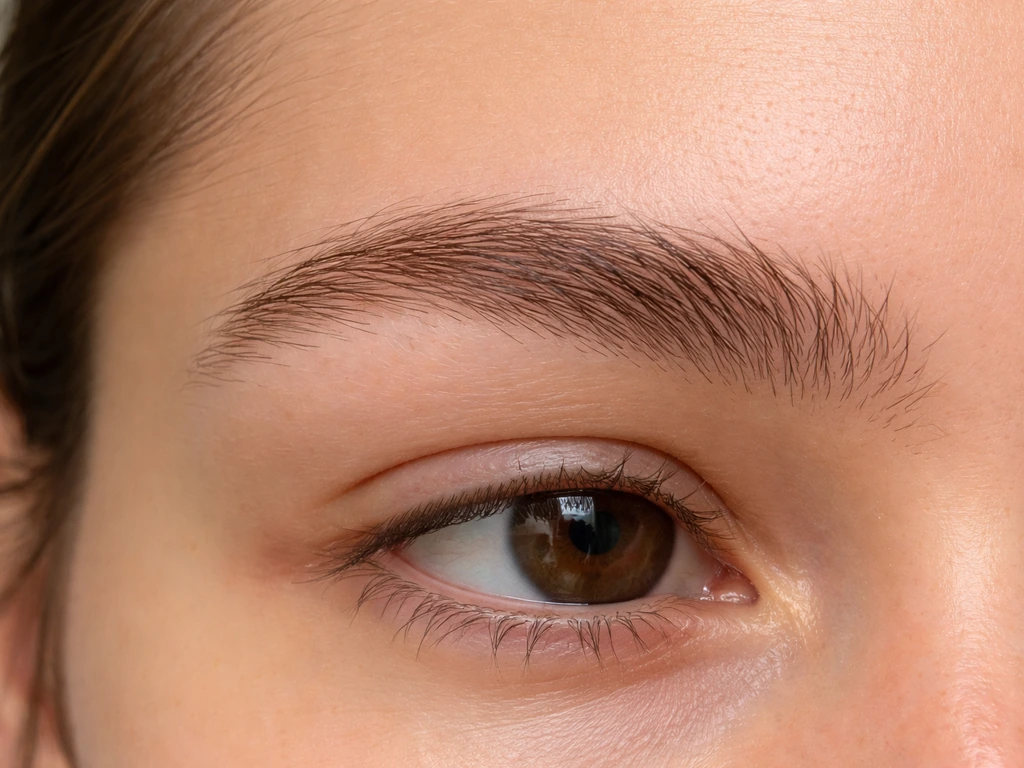
Yes, singed eyebrows almost always grow back, but how quickly and how fully depends on one thing: how deep the damage went. In most singeing cases, the answer is yes, and the timeline depends on how deep the damage went does eyebrow grow back. If the heat only scorched the hair shaft itself without injuring the skin underneath, you can expect your brows to shed the damaged hairs and regrow normally within about 6 to 8 weeks. If the burn reached deeper into the skin and damaged the hair follicles, regrowth takes longer, 3 to 6 months, and may be patchy. And if the burn was severe enough to destroy the follicles entirely, that hair is gone permanently. Most singeing incidents from curling irons, candles, lighters, or salon mishaps fall into the first two categories, which means regrowth is very likely.
Do Singed Eyebrows Grow Back? Regrowth Timeline and Care
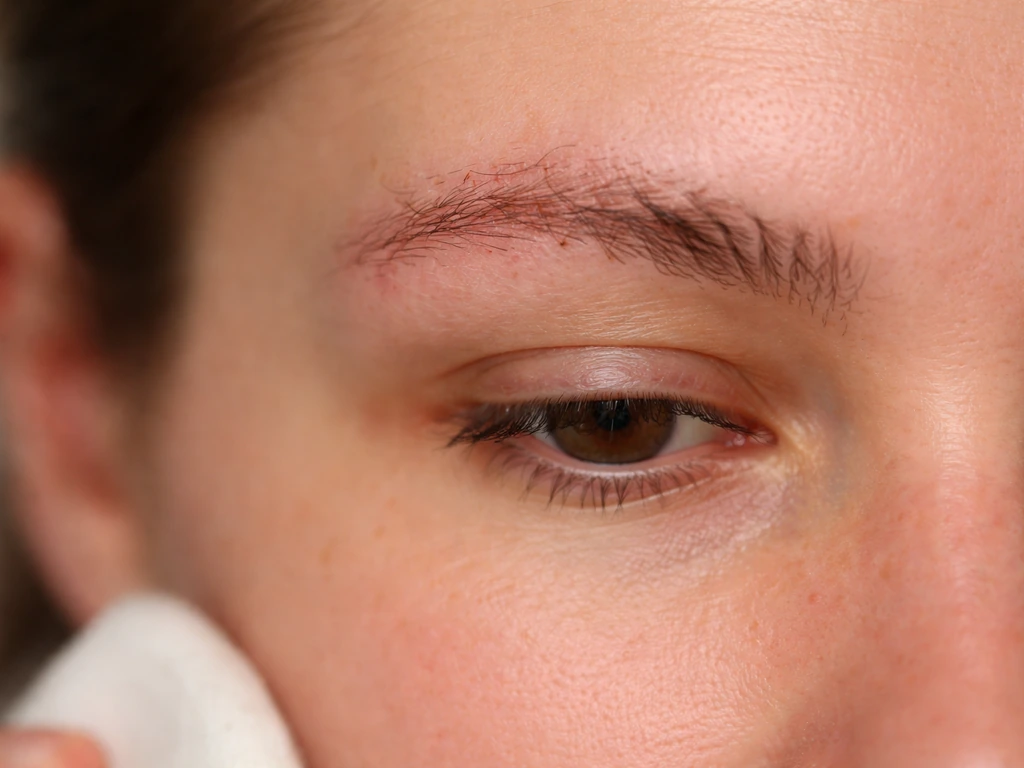
How singeing actually damages your brows: hair shaft vs. follicle
There's an important distinction worth understanding here because it changes your whole outlook on recovery. Eyebrow hair grows from follicles that sit below the surface of your skin, roughly 1 to 2 mm deep in the dermis. When heat singeing happens, the visible hair (the shaft above the skin) takes the brunt of the damage. Those charred, brittle, crunchy hairs are dead protein, and losing them doesn't automatically mean the follicle underneath is damaged. Think of the follicle as the root system and the hair shaft as the branch. Burning the branch doesn't necessarily kill the root.
Where it gets more serious is when the burn extends beyond the surface into the skin itself. Eyebrow slits can scar or damage the follicles, so how well they regrow depends on how deep the injury went. Burns are categorized by depth: blank" rel="noopener noreferrer">superficial (first-degree) burns affect only the outermost skin layer and typically heal within a few days without scarring. Partial-thickness (second-degree) burns go deeper, often causing blistering and redness, and can take weeks to heal with a real risk of scarring. Full-thickness (third-degree) burns destroy both layers of skin and normal skin functions are lost, which unfortunately includes follicle function. With full-thickness burns, permanent hair loss in that area is expected. The good news is that most everyday singeing incidents don't come anywhere close to third-degree territory. If your brow area looks red and irritated but you aren't seeing blisters or open wounds, you're most likely dealing with a superficial or mild partial-thickness burn, and regrowth should happen.
What to do right now after the burn
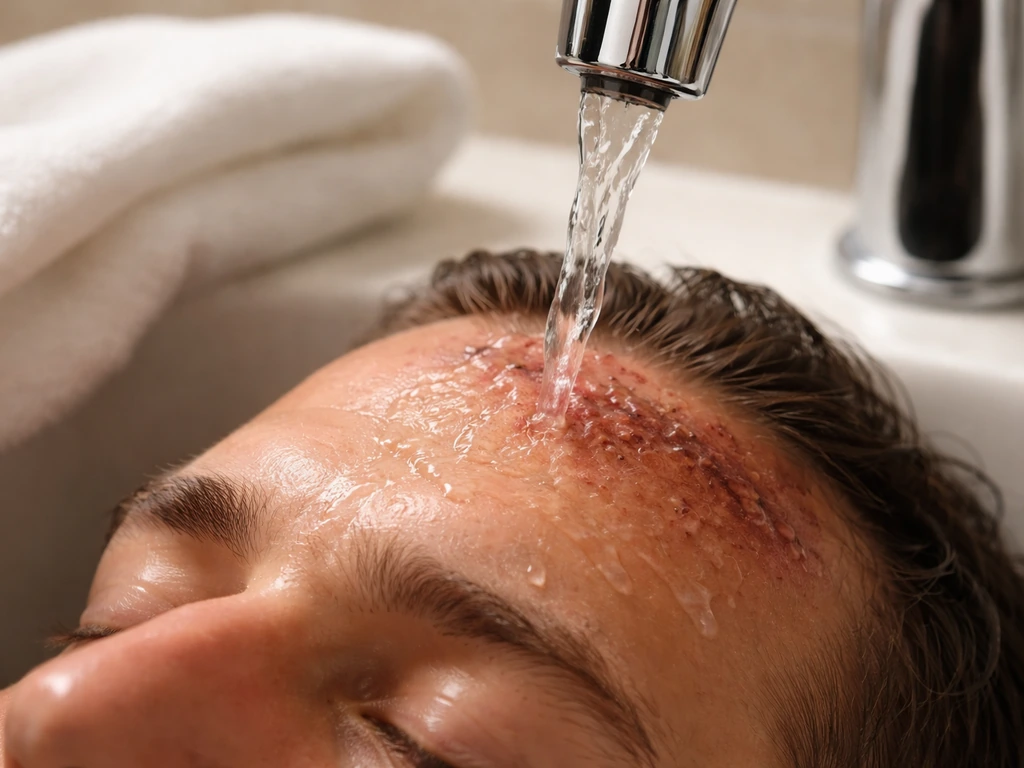
The first 20 minutes after a burn matter more than most people realize. Cool the area immediately under cool (not cold, not ice-cold) running water for about 20 minutes. This is the most important step, and multiple first-aid guidelines including the American Burn Association back it up. It reduces tissue damage and pain by drawing heat away from the skin. Do not reach for ice or an ice pack directly on the skin. Ice can restrict blood flow and cause secondary frostbite injury on already-stressed tissue. If running water isn't available and you need to use ice, wrap it in a cloth and limit contact to about 10 minutes. The AHA and American Red Cross first-aid guidelines note that if running water is not available and you use ice, it should be wrapped in cloth and limited to about 10 minutes to reduce the risk of frostbite injury ice should be wrapped in cloth and limited to about 10 minutes.
Once you've cooled the area, keep it simple. A thin layer of petroleum jelly or aloe vera can help soothe and protect the skin while it begins to heal. Avoid putting anything heavy, greasy, or harsh on a fresh burn, including butter, egg white, cortisone creams, or thick lotion. These are not just unhelpful but can actually trap heat and introduce bacteria. If the burn produced a blister, don't pop it. Blisters are your body's natural wound covering and popping them increases infection risk significantly.
Here's what to avoid in the days immediately after singeing:
- Plucking, waxing, or threading the area. The skin is compromised and these will cause more damage.
- Applying makeup directly over irritated or broken skin.
- Rubbing or picking at peeling skin or singed hair stubs.
- Direct sun exposure without SPF. UV light slows healing and can permanently darken post-burn skin.
- Applying growth oils (castor, rosemary) to a wound that hasn't healed yet. Wait until the skin has closed.
The realistic regrowth timeline
Eyebrow hair grows in cycles, and singeing disrupts that cycle. Here's a rough but honest breakdown of what to expect.
| Timeframe | What's Happening | What You'll See |
|---|---|---|
| Days 1–7 | Skin is healing, damaged hair shafts begin to fall out | Patchy, stubbly, or bare areas where singed hair was |
| Weeks 2–4 | Skin closes and heals, follicles prepare to re-enter growth phase | Some redness fading, small new hairs may start appearing |
| Weeks 6–8 | New hair growth visible if follicles were undamaged | Short, fine new hairs, texture may be slightly different at first |
| Months 3–4 | Hairs reach more visible length, density starts normalizing | Brows look more filled in, though texture may still vary |
| Months 5–6 | Full regrowth cycle completes if follicles were intact | Close to original brow appearance, or partial regrowth if follicles were damaged |
One thing worth flagging: the first hairs that come back sometimes look a little different. They may be finer, slightly lighter, or grow at a slightly different angle. That tends to normalize over 1 to 2 full growth cycles. If you've had similar experiences with waxed or shaved brows, the regrowth process here is broadly comparable, just with the added variable of potential skin damage underneath. If you shaved your brows or had them cut, the regrowth timeline is actually more predictable because follicle damage isn't a factor. With singed brows, the timeline depends on what the skin below looks like.
When to see a doctor: red flags you shouldn't ignore
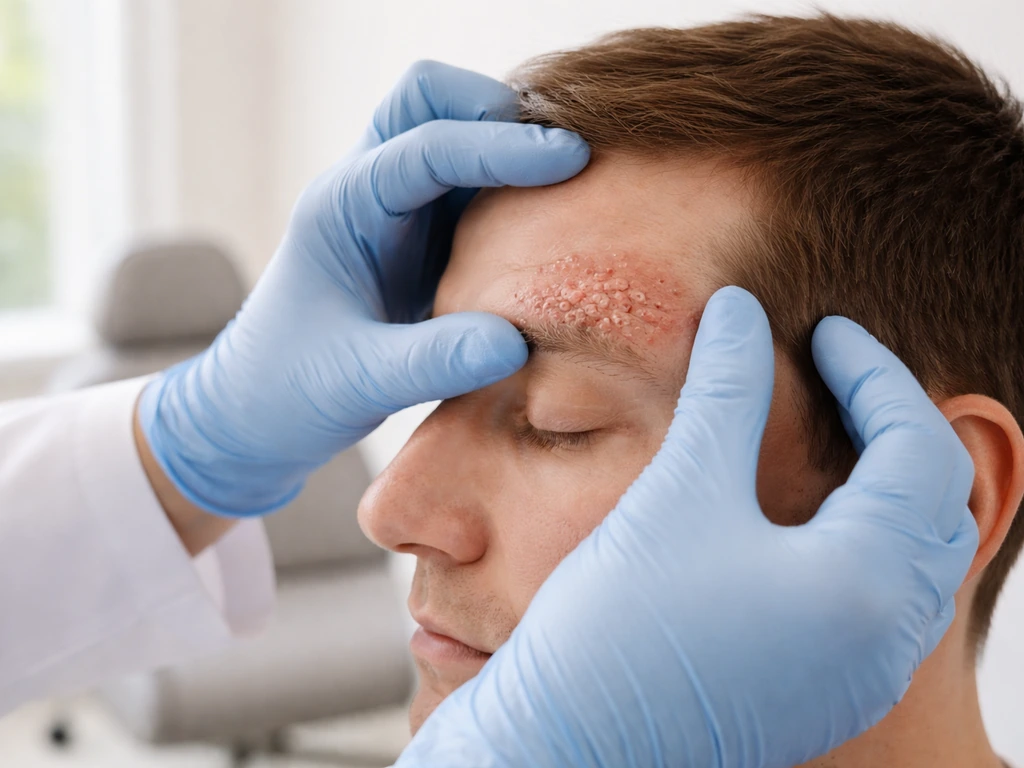
Most mild singeing can be managed at home, but some signs genuinely warrant professional attention. A dermatologist or urgent care visit makes sense if you notice any of the following:
- Blistering that covers a large area or blisters that are increasing in size
- Skin that looks white, waxy, or has no sensation (possible full-thickness burn)
- Signs of infection: increasing redness, warmth, swelling, pus, or fever
- The burn is near your eye or eyelid, which needs prompt evaluation
- No hair regrowth at all after 3 to 4 months in an area that looked like a minor burn
- Significant scarring or skin texture changes that concern you
A dermatologist can also assess whether the follicles in a sparse area are still viable. If your question is specifically about whether dog eyebrows grow back, the answer depends on the same core idea: hair regrowth only happens if the follicles were not destroyed by injury. In some cases, a procedure called a trichoscopy can show whether dormant follicles are present, which is useful before committing to anything more aggressive like microblading or tattooing. If you're worried about permanent loss, that consultation is worth having before you make any permanent cosmetic decisions.
Supporting regrowth once the skin has healed
Once the burn site has properly closed and healed, typically 1 to 2 weeks for mild burns, you can start thinking about actively supporting regrowth. Here's what the evidence actually supports, and what to keep expectations realistic about.
Castor oil
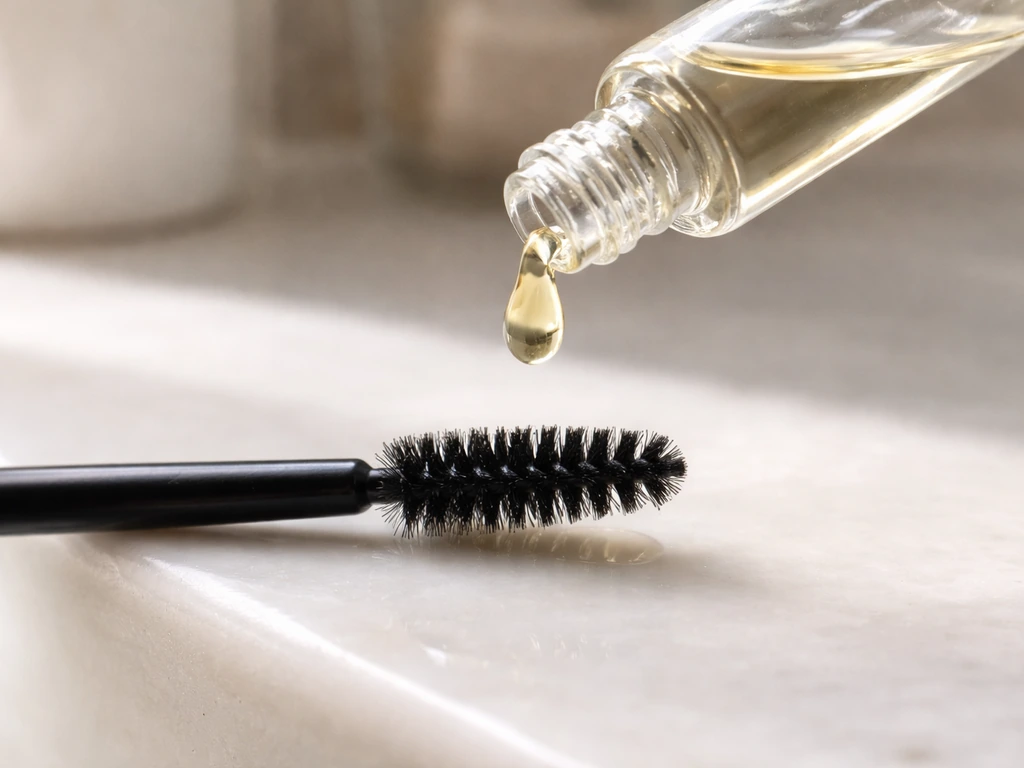
Castor oil is the most popular DIY brow-growth remedy and while the science is limited, it's not useless. Its main compound, ricinoleic acid, has anti-inflammatory properties that may support a healthier follicle environment, and the thick consistency helps condition and protect existing hairs from further breakage. Apply a small amount to clean, dry brows before bed with a clean spoolie or cotton swab. Don't expect dramatic results in two weeks. Used consistently over 2 to 3 months, some people see modest improvement in density and thickness. It won't work if the follicle is destroyed, but for recovering brows with intact follicles, it's a low-risk addition to your routine. If you dye your eyebrows, the dye itself does not rebuild damaged follicles, so regrowth depends on whether the follicles were injured by the burn.
Rosemary oil
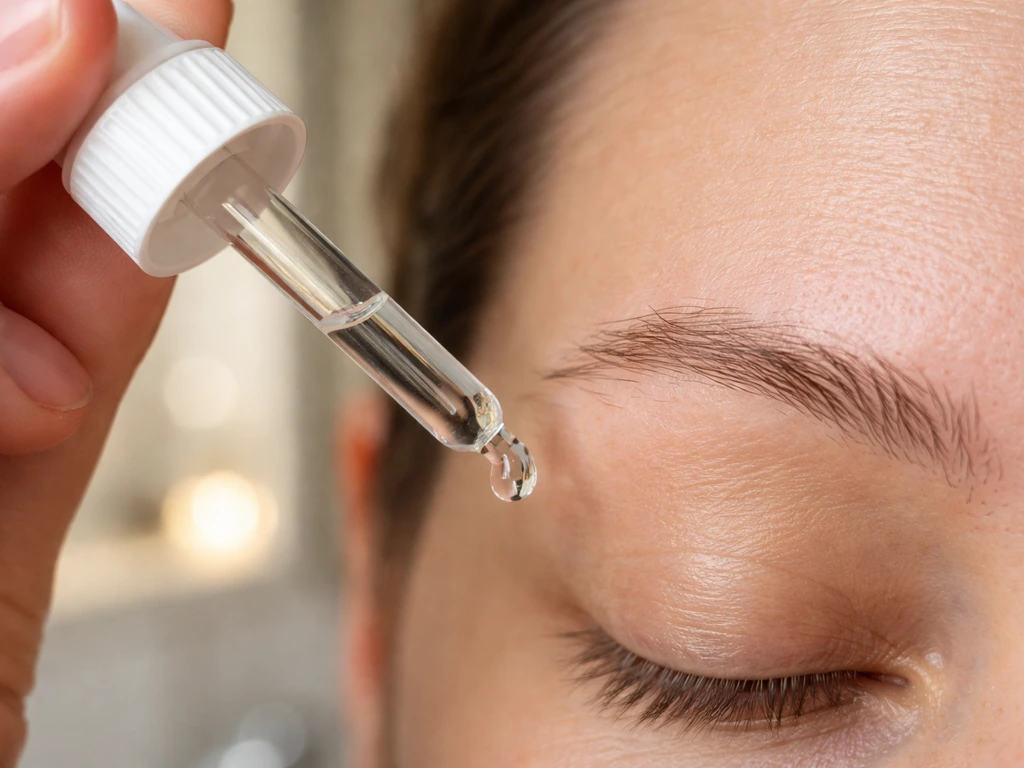
Rosemary oil has more direct research behind it than castor oil. A well-cited study compared rosemary oil to 2% minoxidil for scalp hair growth and found comparable results after 6 months, with rosemary causing less scalp irritation. The active mechanism is thought to involve improving circulation to follicles and inhibiting DHT, a hormone that miniaturizes follicles. For brow use, dilute rosemary essential oil to about 2% in a carrier oil (roughly 1 to 2 drops per teaspoon of jojoba or castor oil) and apply nightly to the brow area. Give it at least 3 months before evaluating.
Minoxidil
Minoxidil is the only topical with solid clinical backing for stimulating hair follicle growth. It's FDA-approved for scalp use, but dermatologists do use it off-label for eyebrows, typically 2% formulation applied sparingly once daily. The catch: it needs to be used continuously to maintain results, and stopping can cause regrowth to reverse. It's also not appropriate on broken or recently burned skin. If you're considering minoxidil for your brows, start that conversation with a dermatologist rather than self-prescribing, especially in the post-burn context. It's a valid option for persistent sparse patches months after initial healing, not something to reach for in the acute phase.
General habits that help
- Keep the brow area out of direct sun or apply a broad-spectrum SPF 30+ to the area daily. UV damage slows skin repair and can cause hyperpigmentation.
- Eat enough protein. Hair is made of keratin, and low protein intake measurably slows hair regrowth.
- Stay on top of any nutritional deficiencies. Biotin, iron, zinc, and vitamin D are all linked to hair growth, though supplementing helps mainly if you're actually deficient.
- Don't pluck, wax, or use harsh chemicals on the recovering area. Leave the regrowth completely alone for at least 2 to 3 months.
Filling in sparse brows while you wait
Six months is a long time to walk around with patchy brows, and there's no reason to. Brow pencils and micro-blading pens let you fill gaps with hair-like strokes, and they've gotten remarkably good in recent years. A fine-tipped brow pencil in your natural hair color, applied in light feathering strokes following the direction of your existing hairs, looks far more natural than a solid filled-in block. Brow tinted gels work well for sparse but present hairs, adding pigment and holding hairs in place.
If you want to use a brow serum during this phase, stick to ones with peptide or biotin bases applied to intact skin around (not on) any healing area. Avoid anything with strong exfoliating acids, retinol, or alcohol near recently burned skin. Products labeled for sensitive skin are generally the safest bet during the first month of healing.
One thing to avoid: don't rush into semi-permanent solutions like microblading, tattooing, or permanent makeup until you're fully healed and ideally until you know what the final regrowth pattern looks like. Tattooing over an area that still has active regrowth potential means you might end up with hairs growing through pigment in unpredictable ways. Give it at least 6 months and see a professional for an honest assessment first.
Your action plan: today, next 2 weeks, and next 3 to 6 months
Today
- Cool the burn under running water for 20 minutes if you haven't already.
- Apply a thin layer of petroleum jelly or aloe vera to protect the skin.
- Do not pluck, wax, apply makeup to the wound, or use any growth products on broken skin.
- If there's blistering, significant pain, or the burn is near your eye, see a doctor today.
Next 2 weeks
- Keep the area clean and moisturized, and protect it from sun exposure with SPF.
- Let the singed hairs shed naturally. Don't pull them.
- Start using a brow pencil or tinted gel to fill in sparse areas cosmetically as needed.
- Watch for signs of infection or delayed healing and see a dermatologist if something seems off.
Next 3 to 6 months
- Once skin has fully healed (1 to 2 weeks post-burn), begin a nightly castor oil or diluted rosemary oil routine.
- Be consistent. These take 2 to 3 months to show any meaningful effect.
- If regrowth is minimal or patchy at the 3-month mark, book a dermatology appointment to assess follicle health.
- Consider minoxidil only with medical guidance if natural regrowth is stalling.
- Reassess at 6 months before making any permanent cosmetic decisions about the brow area.
The most important thing to hold onto through all of this is that patience isn't optional here, it's the actual treatment. Hair growth is slow biology. Most people who experience minor to moderate singeing see their brows recover well. The key is protecting the healing skin in the early weeks, not interfering with the process, and giving the follicles a supportive environment to do their job.
FAQ
How can I tell the difference between hairs falling out versus follicles being permanently damaged?
If only a few hairs were singed, it often looks worse before it improves. Wait for shedding and the first new hairs (usually several weeks), because the “gap” you see immediately after the incident can be the damaged shaft falling out, not permanent follicle loss.
Can I use eyebrow wax, tweezers, or brow styling tools while my skin is still healing?
It usually should not. Apply gentle protection like petroleum jelly or a soothing barrier only after you have cooled the area, and keep styling heat away. Repeated heat exposure increases the odds of deeper injury and can turn a mild burn into a follicle-damaging one.
What’s the best way to treat a singed brow if I cannot get running water right away?
Directly use ice is a common mistake. If you do not have running water, use wrapped ice and keep it brief, about 10 minutes at a time, then stop. Prolonged direct icing can cause additional tissue injury and make regrowth less reliable.
When is it safe to start castor oil, rosemary oil, or minoxidil after a brow singe?
After a burn, the “active phase” matters more than the product. If the skin is still open, blistered, or very tender, avoid castor oil, essential oils, and minoxidil until the area has fully closed and calmed. Once healed, introduce one product at a time so you can tell what irritates the skin.
My brow blistered after singeing, should I pop it to help it heal faster?
Blisters should not be popped. Leave them intact because their fluid and covering help lower infection risk and can improve healing quality, which matters for whether follicles recover.
If singed eyebrows grow back, will they always match the original thickness and shape?
Yes, if the underlying skin injury was deep or caused scarring, you may only get partial regrowth. Scarring can also change the direction of new hair growth, so the brow may regrow thinner or uneven, even when some follicles remain viable.
Can I dye my eyebrows during recovery if the hairs look sparse?
Be cautious with cosmetic dyes right after the injury. Even “gentle” dyes can irritate healing skin and increase redness or dryness. Wait until the skin is fully healed and not flaky or tender, and patch-test dye on a small nearby area first.
If my brow hasn’t improved by 6 to 8 weeks, does that mean the follicles are gone?
Don’t assume the regrowth timeline based on appearance alone. A patch that looks quiet at 6 weeks could still fill in later if follicles survived, while an area that looks only mildly red can still have deeper follicle injury. If you do not see meaningful change by about 3 to 4 months, consider a dermatologist check.
Are vitamins or supplements useful for brow regrowth after a singeing injury?
Most people do not need supplements specifically for a singe, but correcting major deficiencies can help overall hair health. If you suspect low iron, vitamin D, or other issues, ask your clinician about labs, because nutrition does not replace follicle recovery when the skin damage is the limiting factor.
When can I consider microblading or permanent makeup after my eyebrows were singed?
Yes, timing matters. Avoid semi-permanent procedures until the area is fully healed and you have a stable view of where hair is likely to regrow, typically several months. This reduces the risk of tattooing over active regrowth that later shifts or sheds.
If You Cut Your Eyebrows, Will They Grow Back?
If you cut eyebrows, they usually regrow if follicles stay intact; timelines, what to do now, and when to see a derm.