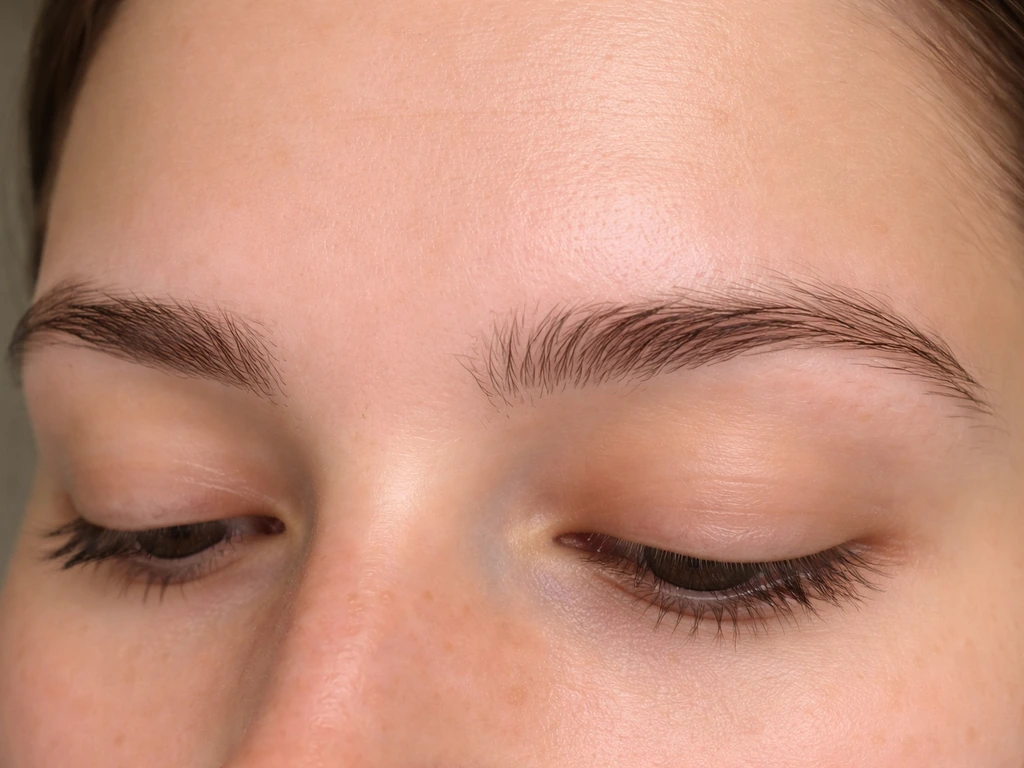
Aloe vera can support healthier-looking eyebrows, but it is not a proven hair growth stimulant. There are no clinical trials showing that aloe vera gel regrows eyebrow hair or increases follicle density in humans. What it can do is condition the skin and existing hairs, reduce irritation that might be slowing things down, and create a better environment for the hair you already have. Does collagen help eyebrows grow? The evidence is limited, and it is more likely to support skin rather than restart dormant follicles condition the skin and existing hairs. If your brows are sparse from overplucking, waxing, or general thinning, aloe is a gentle, low-risk addition to your routine, but it should not be your only strategy if real regrowth is the goal.
Does Aloe Vera Help Eyebrows Grow? How to Try It Safely

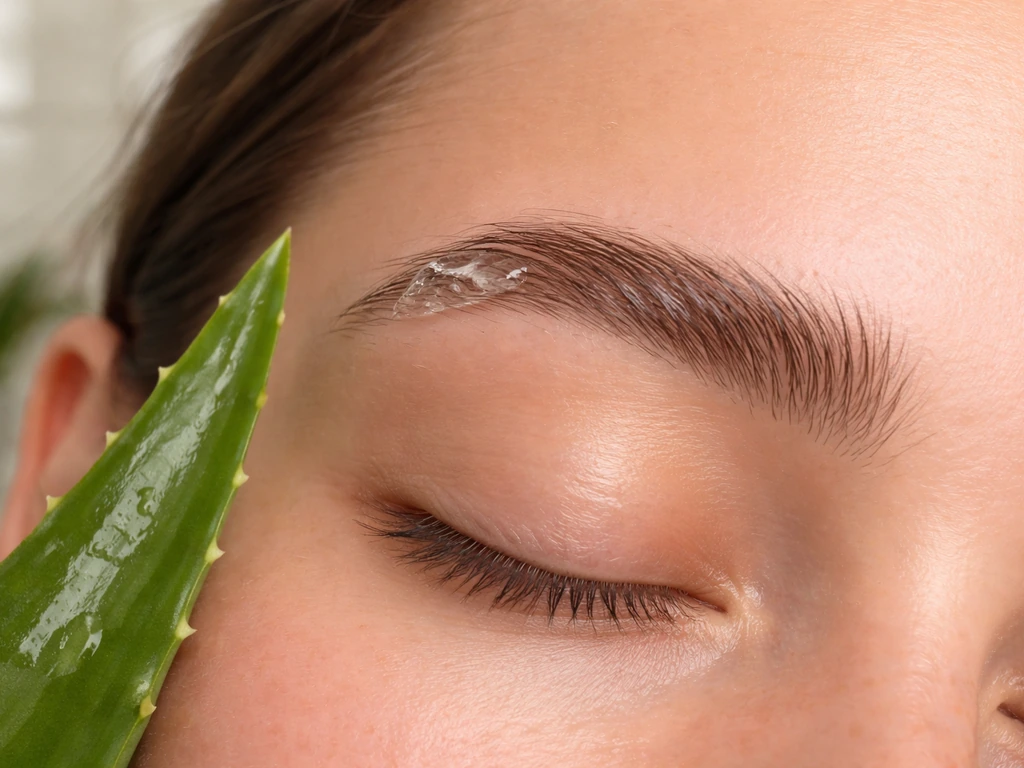
How eyebrow growth actually works (and where aloe fits in)
Eyebrow hairs grow in cycles, just like scalp hair, but the cycles are much shorter. Each follicle goes through an active growth phase (anagen), a transitional phase (catagen), and a resting phase (telogen) before the hair sheds and the cycle starts over. Eyebrow anagen phases last only around 4 to 6 months, compared to years on the scalp, which is why brow hairs stay relatively short. When a follicle is healthy, it keeps cycling. When something disrupts it, such as repeated trauma from over-tweezing, hormonal changes, inflammation, or nutrient deficiencies, the follicle can enter a prolonged resting phase or, in severe cases, stop producing hair altogether.
For a topical ingredient to genuinely grow eyebrows, it needs to influence follicle activity, either by extending the growth phase, shortening the resting phase, or stimulating dormant follicles to restart. Minoxidil and bimatoprost (the active in Latisse) have clinical evidence showing they can do exactly this for facial hair. Aloe vera does not. What helps eyebrows to grow depends on influencing the follicle cycle, which aloe vera does not directly do. Its main active compounds, including a gel polysaccharide called acemannan and various anti-inflammatory metabolites, are associated with soothing skin, reducing inflammation, and moisturizing. These are genuinely useful properties, but they are not the same as stimulating a follicle to produce a new hair.
That said, inflammation and irritation can absolutely interfere with healthy brow growth. If your skin around the brow area is chronically dry, irritated, or inflamed, calming it down may allow follicles that were being suppressed to function better. This is likely the real mechanism behind any positive results people notice with aloe, not direct hair stimulation.
Fresh aloe vera vs store-bought aloe gel: which should you use on your brows?
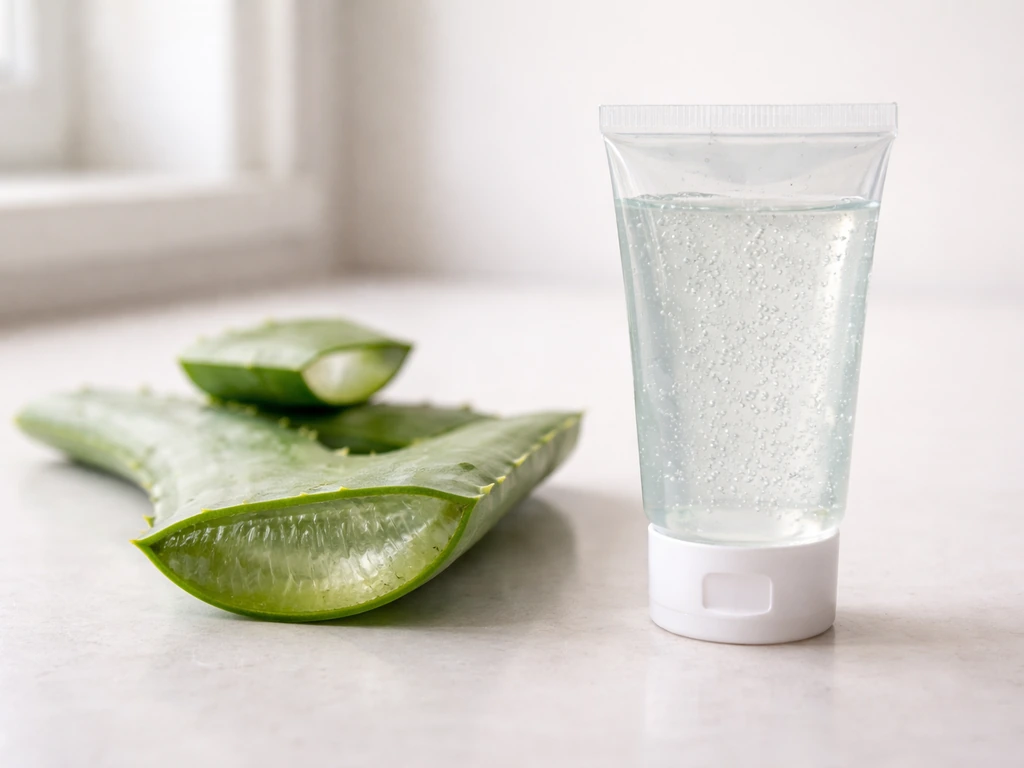
This comes up a lot, and it is worth getting clear on because not all aloe products are the same. Fresh aloe straight from the leaf gives you the inner gel, which is the clear, mucilaginous part rich in acemannan polysaccharides. The yellow-tinged latex layer just under the leaf skin contains anthraquinones like aloin, which can be irritating and are not something you want near your brow area or eyes. If you are using a fresh leaf, slice it carefully, scoop out only the clear inner gel, and avoid the latex entirely.
Store-bought aloe vera gels are more convenient and usually latex-free, but quality varies enormously. Look for products that list aloe vera as the first or second ingredient, are free of added fragrance or alcohol (both can irritate the eye area), and have minimal preservatives. Some commercial gels are so diluted with water and thickeners that there is barely any active aloe left. For eyebrow use, a simple, fragrance-free inner-leaf gel is ideal, whether fresh or bottled.
| Type | Pros | Cons | Best for |
|---|---|---|---|
| Fresh aloe leaf gel | Pure inner gel, no preservatives, maximum potency | Must avoid latex layer, perishable, needs refrigeration | People who want a truly clean, additive-free option |
| Store-bought clear gel (fragrance-free) | Convenient, stable, latex usually removed, easy to control dose | Variable quality, may contain diluting fillers or mild preservatives | Daily routine use; best for most people |
| Whole-leaf aloe products | Widely available | Contains latex/anthraquinones, higher irritation risk near eyes | Not recommended for brow area application |
A simple aloe vera brow routine to try
If you want to give aloe vera a real test on your eyebrows, consistency matters more than quantity. A thin layer applied nightly is more useful than a thick glob applied sporadically. Here is a straightforward routine to follow:
- Patch test first: Apply a small amount of aloe gel to the inside of your wrist or elbow, leave it for 24 hours, and check for redness, itching, or swelling before using it near your face.
- Cleanse your face before bed so the brow area is free of makeup, sunscreen, and product residue.
- Scoop out a small amount of aloe gel, roughly a pea-sized drop for both brows.
- Using a clean fingertip or a disposable mascara wand, apply a thin layer along the brow, starting from the inner corner and working outward. Focus on the skin beneath and around the hairs, not just on top of them.
- Leave it on overnight. Aloe absorbs reasonably well and should not feel greasy. Rinse off in the morning as part of your normal routine.
- Repeat nightly for at least 8 to 12 weeks before evaluating whether it is making a noticeable difference.
Keep the amount minimal near the inner corners of your brows, where the skin is closest to your actual eyes. You do not need to apply it directly on the eyelid or lash line, so keep the gel on the brow bone and brow hairs specifically.
What results to realistically expect, and when
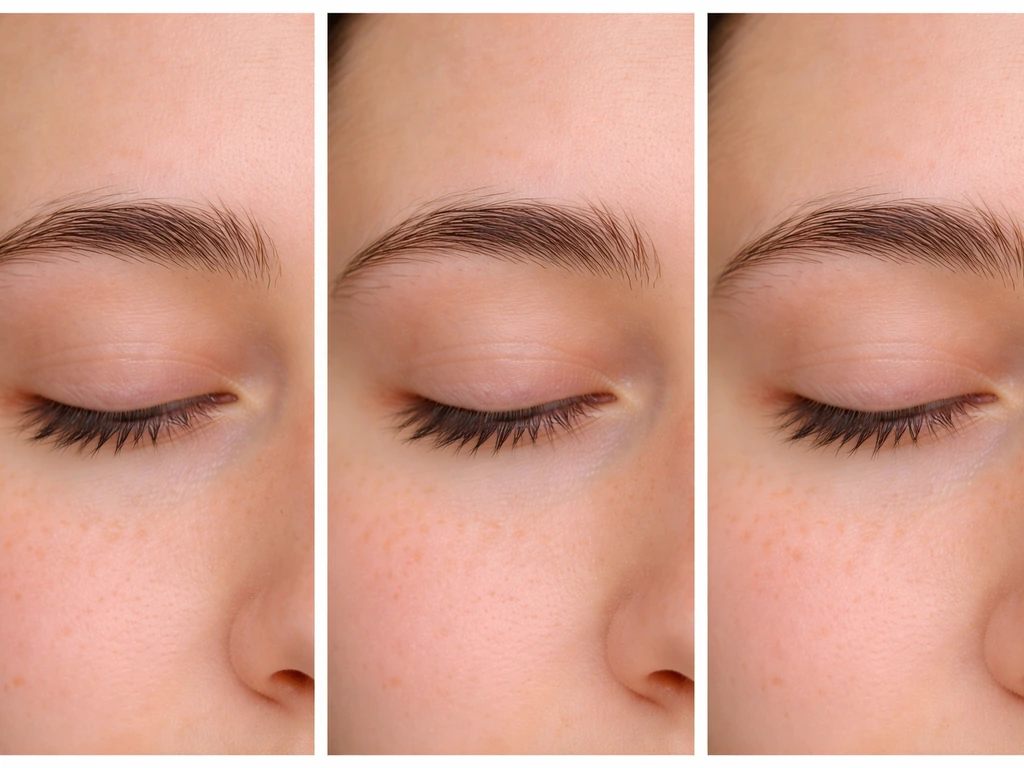
Be honest with yourself about what you are looking for. If your brows are sparse because of a few years of heavy tweezing and the follicles are intact but sluggish, aloe may help the existing hairs look more conditioned and hydrated within a couple of weeks. That is a cosmetic improvement, not a growth effect. Instead, look for treatments with evidence for stimulating eyebrow follicles, such as minoxidil or bimatoprost. In terms of actual new hair growth, the eyebrow cycle means you are looking at a minimum of 6 to 8 weeks before any follicle that was dormant starts visibly producing a hair, and more likely 3 to 4 months before you can genuinely compare before and after.
Signs that something is working would include noticing shorter, finer hairs appearing in gaps, brows looking fuller or denser over time, and skin around the brow feeling less dry or irritated. Signs that aloe is not doing enough: no visible new hairs after 12 weeks of consistent use, continued patchiness in the same spots, or brows that look exactly the same as when you started. At that point it is time to reassess and consider stronger options.
For context, clinical evidence on minoxidil for eyebrows shows measurable improvement over a 16-week period with twice-daily application. Aloe has no comparable evidence base, so setting a 12-week window to evaluate and then pivot is a reasonable approach.
Using aloe near your eyes safely
The eye area is one of the most sensitive patches of skin on your face, and the proximity of your brows to your eyes means you need to be careful with anything you apply there. Aloe is generally considered low-risk, but it is not zero-risk. Some people are allergic or sensitized to aloe vera, which can show up as burning, stinging, or redness, sometimes quite quickly after application. Others develop contact dermatitis with repeated use even if the first few applications were fine.
- Always patch test on your inner wrist 24 hours before applying to your face.
- Use only clear, inner-leaf aloe gel, not whole-leaf or latex-containing products.
- Avoid getting gel directly in your eyes. If it happens, rinse thoroughly with water.
- Stop use immediately if you notice redness, itching, swelling, or a burning sensation around the brow or eyelid area.
- Do not apply aloe on broken skin, active blemishes, or any area showing signs of active dermatitis.
- Fresh aloe from a plant is perishable. Store any unused gel in the refrigerator and use within a few days to avoid bacterial contamination.
- If you wear contact lenses, remove them before applying anything near the eye area and wait until the product has fully absorbed before putting them back in.
If you experience persistent irritation or redness that does not resolve within a day or two of stopping aloe, see a dermatologist. Contact dermatitis around the eyelid area can escalate quickly and may need topical treatment to resolve properly.
When aloe vera alone is not going to cut it
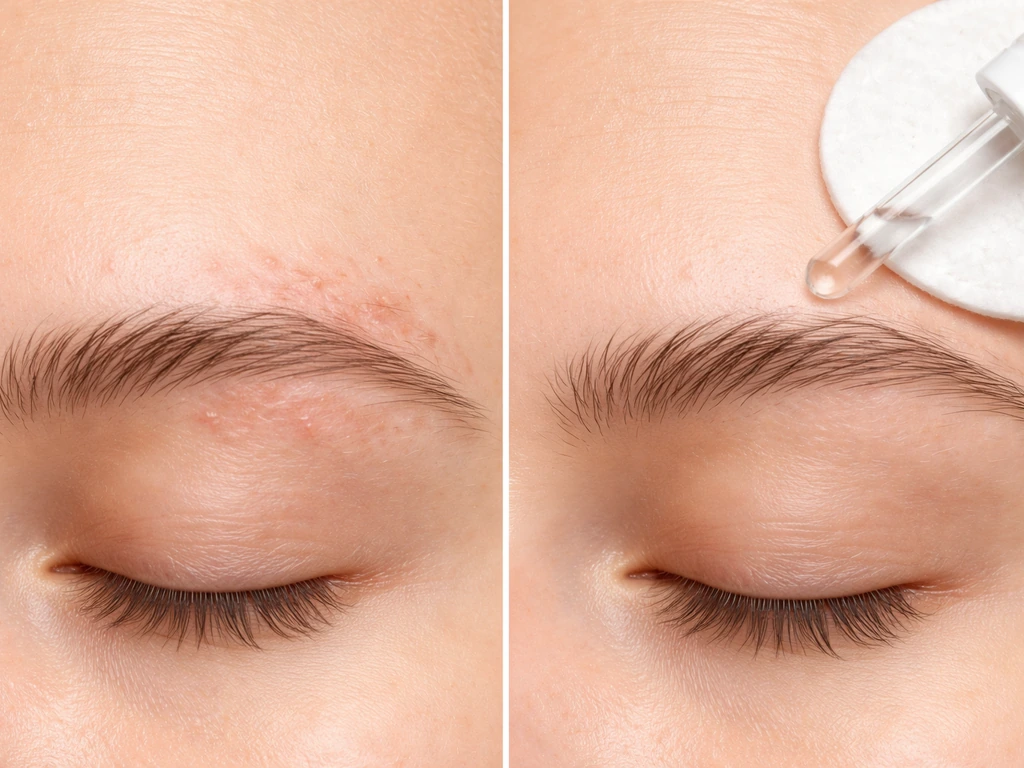
Aloe is a gentle support ingredient, not a treatment for actual hair loss conditions. There are several situations where relying on aloe by itself is unlikely to give you the results you want, and recognizing them early saves a lot of time.
- Follicle scarring from years of aggressive overplucking or chemical waxing: if the follicle is permanently damaged, no topical can revive it.
- Hormonal causes such as thyroid dysfunction, low estrogen, or androgen imbalances: these need medical evaluation, not a brow gel.
- Nutritional deficiencies, particularly iron, biotin, zinc, or protein: dietary changes and supplementation are the right first step here.
- Autoimmune conditions like alopecia areata, which can affect brows and requires dermatological treatment.
- Chronic inflammatory skin conditions such as seborrheic dermatitis or eczema affecting the brow area: treating the underlying condition comes first.
- Medication-induced hair loss from chemotherapy, certain blood thinners, or other systemic drugs.
If any of these sound like your situation, the honest answer is that aloe is not the right primary tool. You need to address the root cause first. For people with intact follicles who just want to support and thicken what they have, the stronger evidence-based options include castor oil, rosemary oil, and for more significant thinning, 2% or 5% minoxidil applied carefully to the brow area. Tea tree oil may be popular online, but there is limited evidence that it can regrow eyebrows, so be cautious with how you use it near your eyes. blank" rel="noopener noreferrer">Bimatoprost (prescription-only) has the strongest clinical evidence for brow and lash hypotrichosis and is worth discussing with a dermatologist if other options have not worked. Eating enough protein and the right micronutrients also plays a bigger role than most people expect, and that is a strategy worth combining with any topical routine. What to eat to grow eyebrows usually focuses on enough protein and key micronutrients that support hair follicles, plus staying consistent day to day.
Think of aloe as the gentlest, lowest-risk first step. It is worth trying if your skin is sensitive and you cannot tolerate heavier oils, or if you want to add a soothing layer to a more comprehensive brow routine. But if you have been at it for three months with no visible change, move on to something with more science behind it. Your follicles will thank you.
FAQ
If my eyebrows are thinning, will aloe vera actually regrow new hair or just make them look better?
Yes, but only as a conditioning aid. If you have true hair loss from an underlying condition, aloe is unlikely to restart follicles. In that case, prioritize a diagnosis and evidence-based treatment, since fixing the root cause matters more than soothing the skin.
Where exactly should I apply aloe vera to my eyebrows, and can I put it on the eyelid?
It is best to avoid using aloe gel on the lash line or directly on the eyelid. Apply a thin layer to the brow bone and the brow hairs only, then keep it away from the inner corner where it is most likely to migrate toward the eye.
How can I tell if aloe vera will irritate my brow or eye area before using it regularly?
Patch-test first, even if you have used aloe elsewhere on your skin. Apply a small amount behind the ear or on a less sensitive skin area, wait 24 to 48 hours, and watch for burning, redness, or itching before trying your brows.
Is fresh aloe from the leaf safe for eyebrows, and should I use the whole leaf?
If you are using fresh aloe leaf, remove the yellow latex layer completely. Use only the clear inner gel, because the latex contains compounds that can be irritating and are not ideal near the eyes.
What results timeline should I realistically expect from aloe vera for brow growth?
Expect subtle improvements first, if any. Cosmetic changes like less dryness or finer-looking hairs can show up before any visible increase in density, but if you see no new short hairs after about 12 weeks of consistent use, aloe probably is not your answer.
What if my brows get irritated easily, will aloe still work for growth support?
Not necessarily. Aloe can help if the issue is irritation or mild inflammation, but if your brows are sparse because of long-term follicle disruption or hormonal factors, aloe alone will often stall. Consider switching sooner if your gaps remain in the same spots.
How much aloe vera should I use, and does more product improve results?
Use a thin, consistent layer nightly, and stop increasing thickness if it starts to sting or leave your skin tacky. Over-application near the inner corners can increase the chance of contact irritation.
Can I combine aloe vera with minoxidil or other eyebrow treatments?
If you are already using other actives on your face, aloe can sometimes reduce irritation, but it does not replace proper spacing. If you use minoxidil or other stimulating products, apply aloe at a different time of day (for example, aloe overnight) to help you identify what is causing irritation.
If aloe does not help, what are safer alternatives people try for eyebrows, and what should I avoid near my eyes?
Yes, but many people use the wrong oil. Castor oil and rosemary oil are commonly used, while tea tree oil is riskier for the eye area and has limited eyebrow-specific evidence. If you want to try an oil alternative, start with a gentle option and be extra careful about sting or redness.
When should I stop aloe and see a dermatologist for my eyebrows?
Yes. If you are experiencing redness, burning, or swelling that does not settle within 1 to 2 days after stopping aloe, seek dermatologist guidance. Contact dermatitis around the eyelid can escalate quickly and may require prescription treatment.
What Helps Eyebrows to Grow Back: Timeline and Tips
Learn eyebrow regrowth timelines and safe care tips to grow back fuller brows after over-plucking, plus castor, rosemary