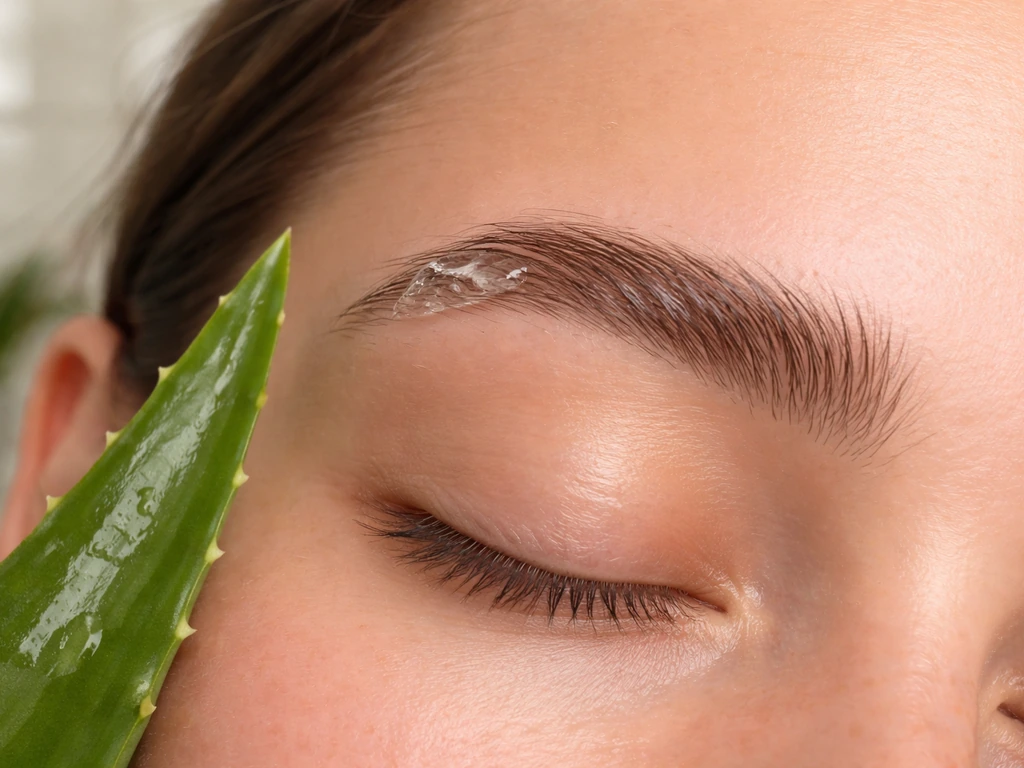
Brushing your eyebrows can support healthier-looking brows and may offer a small boost through gentle stimulation, but it won't create significant new hair growth on its own. What helps eyebrows to grow depends more on treating the underlying cause of thinning than on brushing alone. There's no solid clinical evidence showing that mechanical brushing wakes up dormant follicles or speeds up the eyebrow hair cycle. What it does do is remove dead skin and product buildup, train hairs to lie in a consistent direction, and condition the brow area, which can make existing hairs look fuller and healthier. If your brows are sparse, brushing is a useful habit to pair with more effective growth strategies, not a standalone fix.
Does Brushing Your Eyebrows Help Them Grow? What to Expect

James Whitmore
29 Jun 2026
Does brushing actually change eyebrow growth?
The honest answer is: probably not in any meaningful way. Brushing your brows regularly is unlikely to cause new hairs to sprout from follicles that aren't already active. Dermatology sources, including Healthline's dermatologist-reviewed content on eyebrow thickness, specifically note there's 'no similar data' supporting massage or mechanical stimulation for stimulating eyebrow hair growth, even though it 'doesn't hurt' in moderation. Scalp massage research does hint at possible follicle benefits, but that evidence hasn't translated to proven eyebrow results.
That said, brushing isn't useless. Gentle stimulation increases blood circulation to the area in the short term, which could theoretically create a slightly more favorable environment for follicles that are already in their growth phase. It also removes debris and buildup that can clog follicles, and it keeps brow hairs trained in the right direction so any growth you do get looks intentional. Think of it as supportive maintenance, not a growth treatment.
What eyebrows actually need to regrow
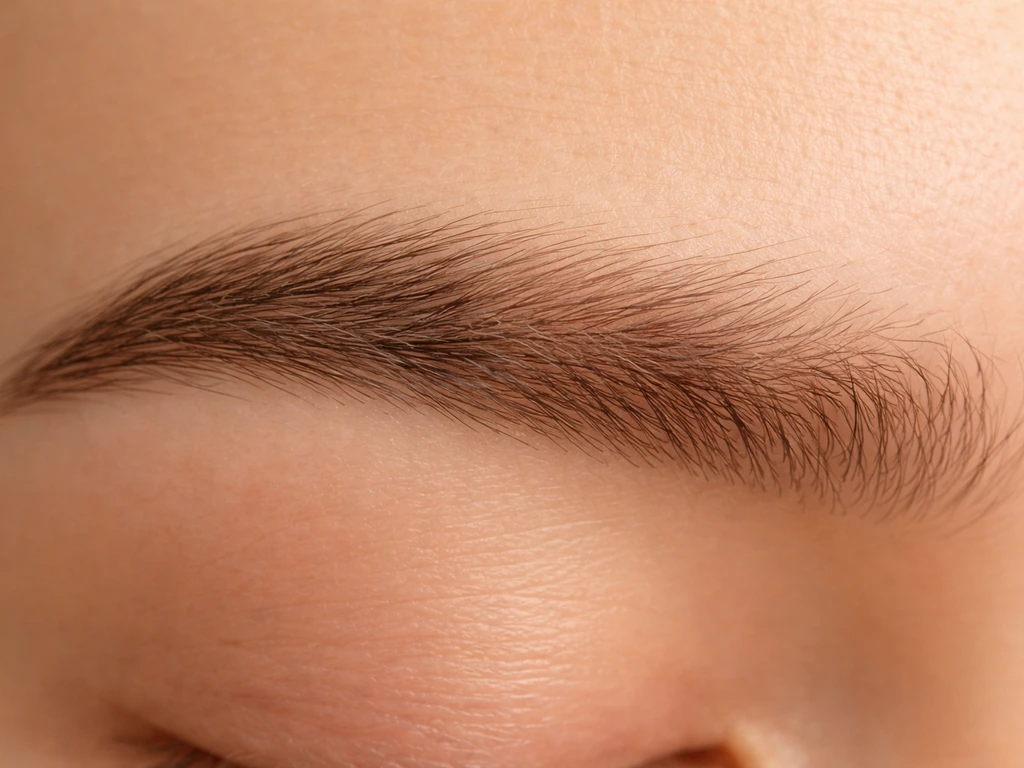
Eyebrow hair follows the same three-phase cycle as all hair: anagen (active growth), catagen (transition), and telogen (resting and shedding). The difference is that eyebrow hairs spend a much shorter time in anagen than scalp hair, roughly 4 to 6 months compared to years for head hair. That's why eyebrows stay relatively short and why growth feels so slow when you're trying to recover after over-plucking or waxing. Most of the hairs you see are cycling through these phases asynchronously, so you'll rarely see dramatic change in just a few weeks.
Common reasons brows thin out include repeated grooming trauma (daily plucking can eventually scar follicles, according to Cleveland Clinic), telogen effluvium triggered by physical or emotional stress, hormonal changes, nutritional deficiencies, and inflammatory skin conditions like eczema or psoriasis. Autoimmune conditions like alopecia areata can also target eyebrow follicles directly. The important point here is that brushing cannot override any of these underlying causes, if your brows are thinning due to a medical reason, grooming alone won't fix it.
How to brush your eyebrows safely
The right tool for the job
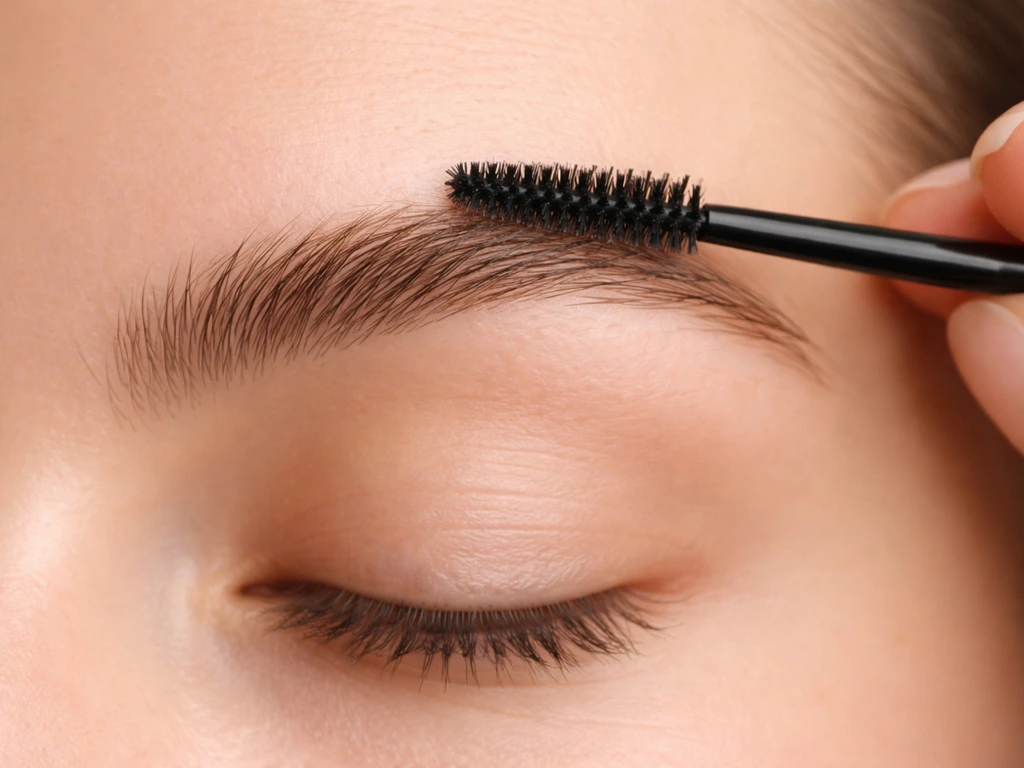
A clean spoolie brush is your best option, it's the same type used to apply and blend brow products, and it's soft enough not to cause traction on the follicles. Avoid stiff bristle brushes that drag or pull at the skin. If you're using a spoolie on a product like castor oil or a brow serum, make sure it's a dedicated brush that you clean regularly. Dirty brushes can introduce bacteria to the follicle area, which is the last thing you want near already-sensitive or sparse brows.
Technique and frequency
Once a day is plenty. Brush in the direction of natural hair growth, typically upward and then slightly outward at the tail, using light, smooth strokes. You're not trying to exfoliate aggressively or stimulate the skin with pressure; you're just encouraging circulation and keeping hairs aligned. Ten to fifteen seconds per brow is more than enough. Brushing more often than once daily or with too much pressure introduces unnecessary traction, and repeated mechanical stress on the follicle area is the opposite of what you want when trying to encourage growth.
What results to expect and how to track progress
Set your timeline to months, not days or weeks. Because eyebrow hair cycles run roughly 4 to 6 months for a full anagen phase, you're unlikely to notice meaningful density changes in under 8 to 12 weeks even with a consistent routine. Take a well-lit photo of your brows in natural light on day one, and repeat every 4 weeks at the same angle and lighting. This makes it much easier to see subtle changes that you'd miss in the mirror day to day.
What brushing alone will likely improve within a few weeks is the appearance of your brows, trained hairs look denser and more uniform, and cleaner follicles mean less breakage. If you're not seeing any visible improvement in hair density by the 3 to 4 month mark, brushing alone isn't going to get you there, and it's time to layer in a more targeted approach. Some people wonder, does honey help eyebrows grow, but it should not be seen as a guaranteed substitute for proven causes and treatments brushing alone isn't going to get you there.
Better options to pair with brushing
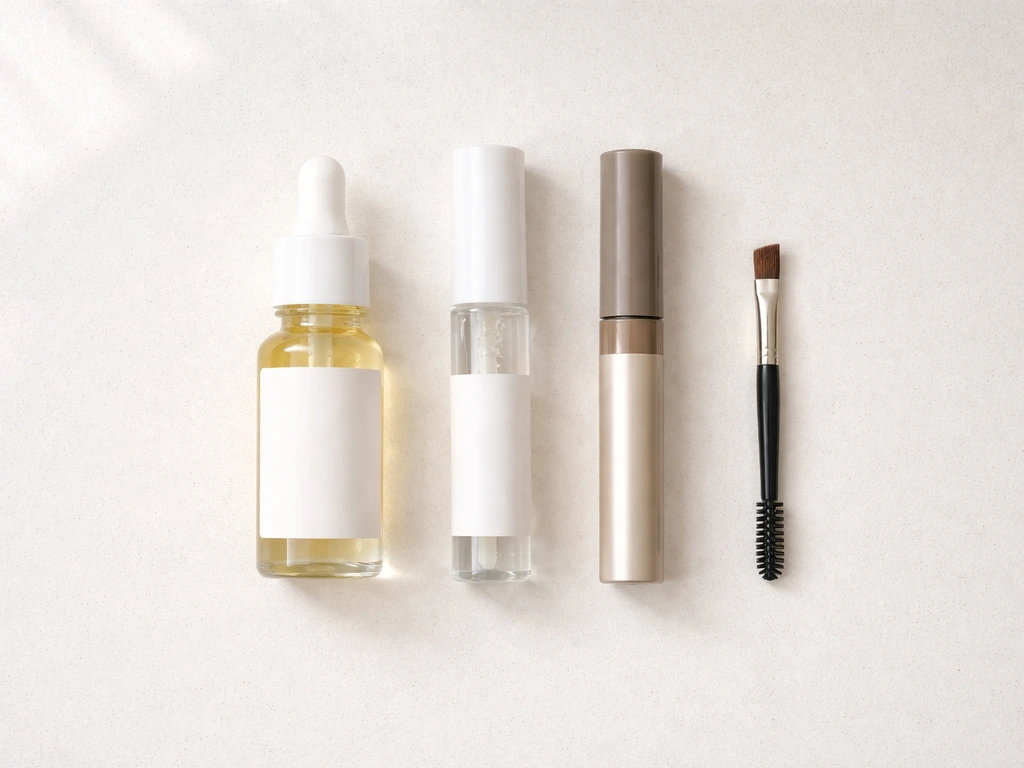
Brushing works best as a delivery and maintenance step alongside something with more direct evidence. Here's how the main complementary options compare:
| Option | Evidence Level | How to Use It | Realistic Expectation |
|---|---|---|---|
| Castor oil | Low (no strong clinical data for brows or lashes) | Apply a small amount with a clean spoolie nightly | Conditioning benefit; may support appearance of thickness; unlikely to create new follicles |
| Rosemary oil | Moderate (scalp hair trials; not eyebrow-specific) | Dilute in a carrier oil, apply 2–3x per week | May support follicle health; results at 90+ days in scalp trials |
| Minoxidil (topical) | Strong (for scalp hair loss; off-label for brows) | Off-label use only; consult a dermatologist first | Most likely to produce new hair growth; requires careful application to avoid eye contact |
| Bimatoprost | Strongest eyebrow-specific trial evidence | Prescription only; applied by or under guidance of a doctor | Randomized trials show measurable increase in eyebrow hair diameter and density |
Castor oil is the most accessible starting point and pairs naturally with a spoolie brushing routine, apply it at night, brush it through, and let it condition overnight. It's generally safe, though there's no strong evidence it grows new hairs the way some beauty accounts suggest. Aloe vera is often marketed as a growth booster, but you should look for eyebrow-specific evidence rather than relying on claims no strong evidence it grows new hairs. Rosemary oil has more backing from scalp hair trials, including a 90-day randomized comparison study, but eyebrow-specific data is still lacking. If you've already tried topical oils consistently for 3 or 4 months without results, that's when a conversation with a dermatologist about minoxidil or bimatoprost makes sense. Minoxidil's official labeling specifically warns to avoid eye contact, and blank" rel="noopener noreferrer">it hasn't been tested in clinical trials for eyebrows, so off-label use should always involve a professional. Rogaine (minoxidil) 5% foam labeling says to use it only on the scalp and to avoid contact with the eyes, and if accidental contact occurs it advises rinsing eyes with large amounts of cool tap water blank" rel="noopener noreferrer">avoid eye contact.
Diet and overall health also matter more than most people expect. Getting enough biotin, iron, and protein supports the hair cycle from the inside out. What you eat to support hair growth is a genuinely underrated piece of the puzzle alongside any topical routine. For specific eyebrow results, focus on nutrient-rich foods that support follicle health, like protein, iron, and biotin what you eat to support hair growth.
Stop brushing if you notice these warning signs
Brushing is low-risk when done gently, but it can cause problems if you're too aggressive or if the skin is already compromised. Watch for these red flags and take them seriously:
- Redness, itching, or a rash in or around the brow area—this can signal contact dermatitis, especially if you're applying any oils or serums. Essential oils in particular can cause delayed allergic reactions at the skin contact site.
- Increased hair shedding or breakage rather than growth—if hairs are coming out on the brush more than usual, you're applying too much pressure or friction.
- Persistent skin irritation or flaking, which could indicate an underlying inflammatory condition like eczema that brushing is aggravating rather than helping.
- Tenderness or soreness at the follicle line—this is a sign of traction stress, and repeated traction over time can progress to scarring and permanent follicle damage.
- Patchy or sudden brow loss that doesn't correlate with grooming—this is a red flag for something systemic or autoimmune that won't respond to brushing at all.
If you're applying castor oil, rosemary oil, or any other topical alongside brushing and you develop irritation, stop both and wait for the skin to settle before reintroducing anything. Some people also wonder whether tea tree oil can help eyebrows grow, but irritation or inflammation is a sign to stop and reassess your approach castor oil. It's better to lose a week of routine than to damage follicles with prolonged inflammation.
When to skip the DIY approach and see a dermatologist
If your brows have been sparse for more than 4 to 6 months with no improvement despite a consistent routine, or if the thinning came on suddenly, that's worth a dermatology appointment. Eyebrow loss can be a visible sign of conditions including alopecia areata, thyroid dysfunction, nutritional deficiency, or inflammatory skin disease, none of which brushing or topical oils can address. Cleveland Clinic and the American Academy of Dermatology both emphasize that early evaluation and targeted treatment can be pivotal for regrowth in conditions like alopecia areata, where the right treatment can make a significant difference to long-term outcomes.
A board-certified dermatologist can also give you access to the treatments with actual eyebrow-specific clinical backing, bimatoprost has randomized controlled trial data showing measurable increases in brow density and hair diameter, which is more than can be said for brushing, oils, or most over-the-counter serums. Some people also wonder does collagen help eyebrows grow, but evidence for collagen as a brow regrowth treatment is limited compared with proven options bimatoprost. Getting a proper diagnosis is the most efficient thing you can do if cosmetic approaches haven't moved the needle after several months of consistent effort.
FAQ
How often should I brush my eyebrows if I’m trying to grow them?
Stick to once daily with very light pressure (about 10 to 15 seconds per brow). More frequent brushing or scrubbing can increase traction and irritation, which can worsen thinning rather than help.
Can brushing help if my eyebrows fell out from over-plucking or waxing?
It may improve how your remaining hairs look (alignment, less breakage), but it usually will not restart follicles that were damaged or scarred. If thinning persists for 4 to 6 months after the grooming stops, it’s worth getting evaluated for other causes.
What’s the correct direction to brush my eyebrows for the best look?
Follow the natural hair growth, typically brushing upward first and then slightly outward toward the tail. Avoid combing against the grain if you notice more shedding or skin redness.
Should I exfoliate or scrub while brushing?
No. Brushing should be gentle, meant for alignment and removing residue, not aggressive exfoliation. If you’re flaky or irritated, focus on soothing the skin first (for example, stop any harsh products) rather than increasing friction.
Will brushing remove castor oil or brow serum buildup without irritating my eyes?
It can, but only if you wipe excess product off the brush and keep the strokes light. If products migrate toward the eyes or cause stinging, stop and switch to an eyebrow-specific routine with better tolerance.
Is there any sign I should stop brushing and change my approach?
Stop if you get persistent redness, burning, new pimples, swelling, or increased patchy shedding. These can indicate irritation or an inflammatory reaction, and continuing may prolong the problem.
Does brushing help with patchy eyebrow loss from alopecia areata?
Brushing alone is unlikely to restore density in autoimmune-related loss. Patchy or sudden changes lasting more than a few weeks should prompt a dermatologist visit for targeted treatment options.
If I don’t see results by 8 to 12 weeks, does that mean nothing is working?
Not necessarily, but it suggests brushing is doing limited maintenance only. Eyebrow cycling is slow, so reassess at the 3 to 4 month mark, and consider adding evidence-based options if density is not improving.
Can I use a toothbrush or makeup brush instead of a spoolie?
Avoid stiff or angled brushes that tug at the follicles. A clean, soft spoolie is safer because it glides through hairs with less traction and reduces the risk of micro-irritation.
How do I clean my spoolie to avoid follicle problems?
Wash the brush regularly with gentle cleanser, rinse well, and let it dry completely before reuse. If you use oils or serums, cleaning is especially important because residue can carry bacteria and worsen irritation.
Does diet or supplements make brushing work better?
Brushing can improve appearance, but nutrition supports the hair cycle. If you suspect low iron, protein intake, or biotin deficiency, improving diet matters, though supplements should ideally be guided by symptoms and labs to avoid unnecessary dosing.
When should I consider professional treatment instead of continuing brushing?
If brows are sparse for over 4 to 6 months without improvement, or thinning is sudden, book a dermatologist appointment. This is particularly important to rule out thyroid issues, nutritional deficiencies, inflammatory skin conditions, or medication-related causes.
Next Article
Does Aloe Vera Help Eyebrows Grow? How to Try It Safely
Find out if aloe vera helps eyebrows grow, timelines, safe gel use steps, and when to try proven alternatives.